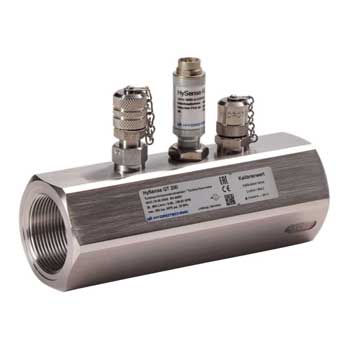
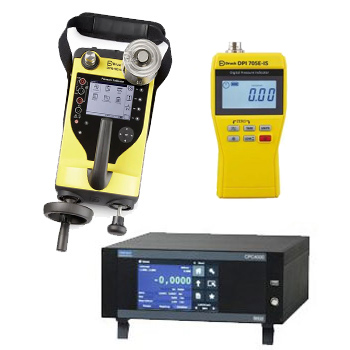
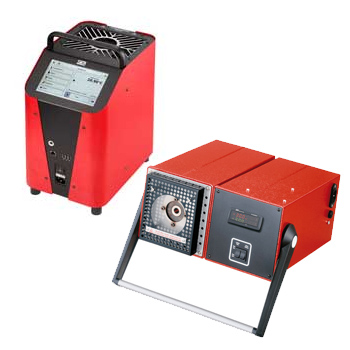
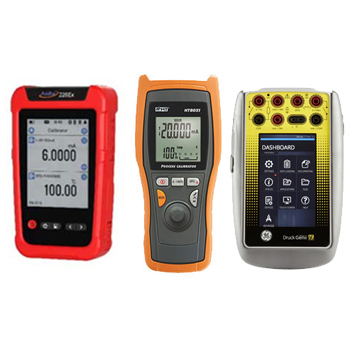
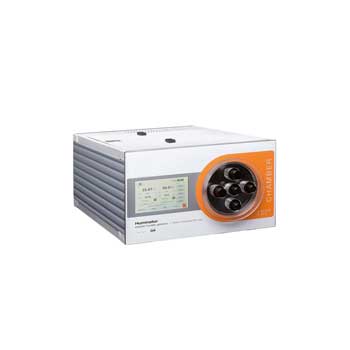
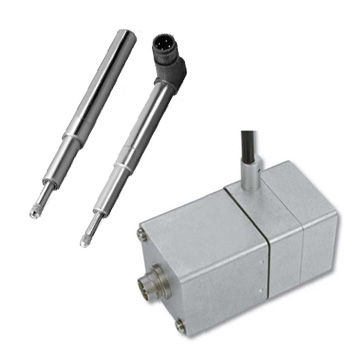
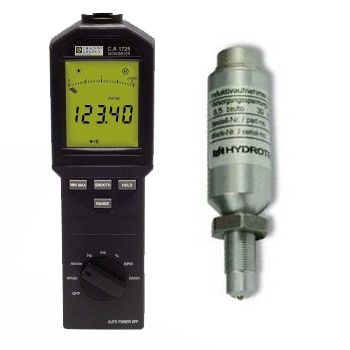
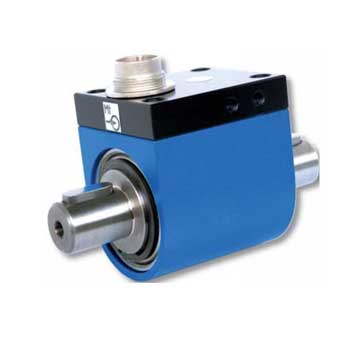
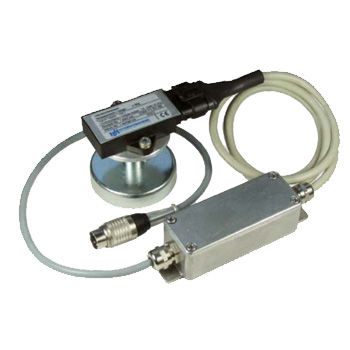
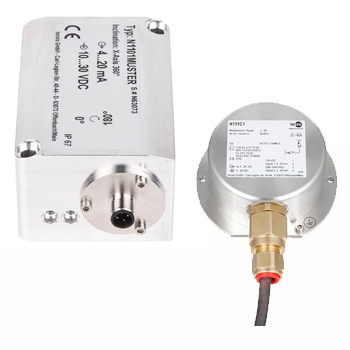
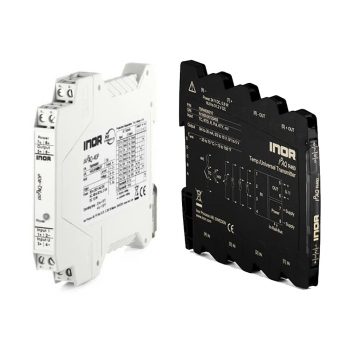
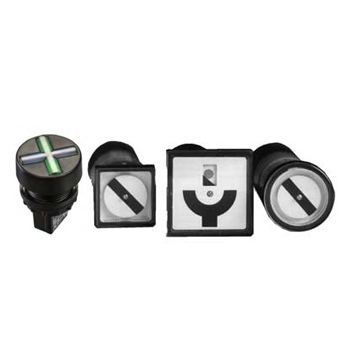
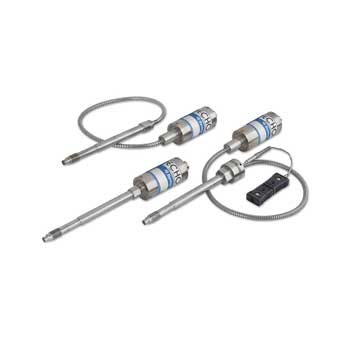
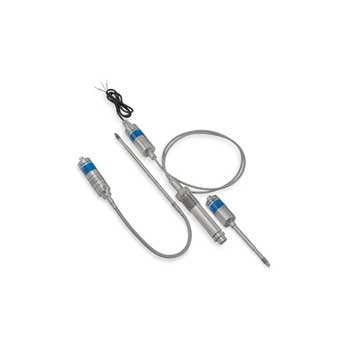
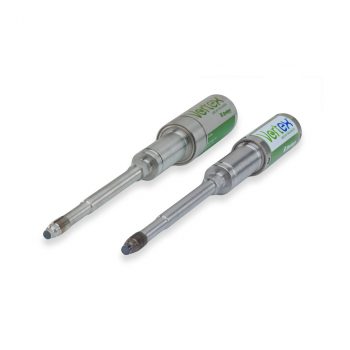
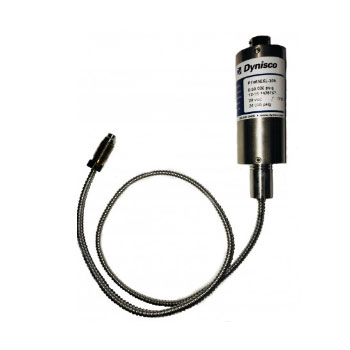
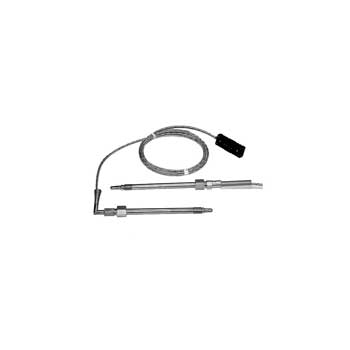
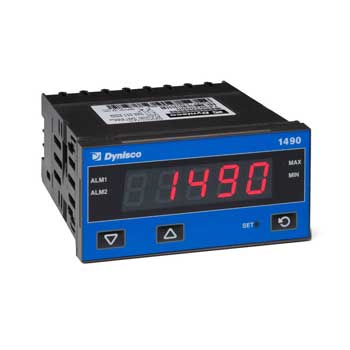
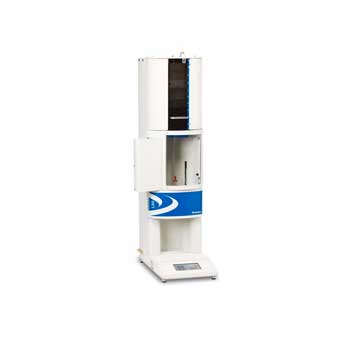
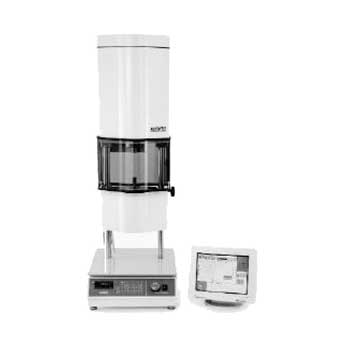
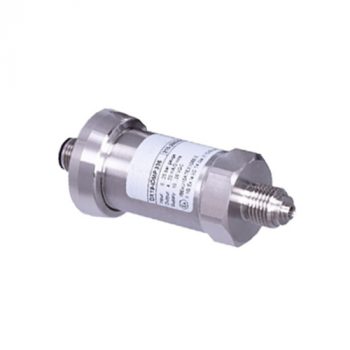
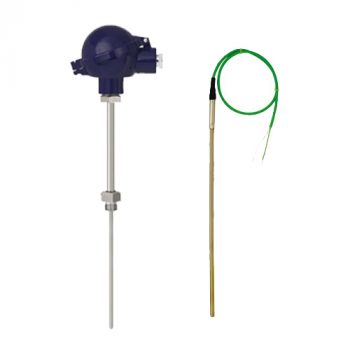
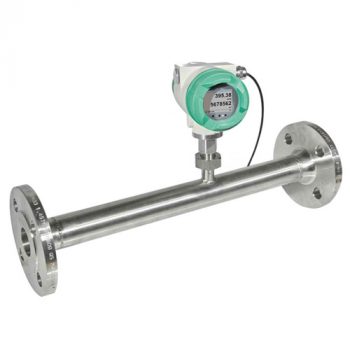
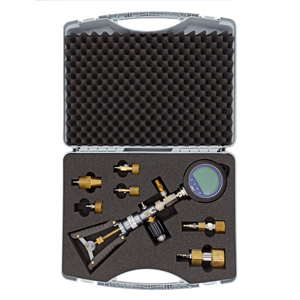
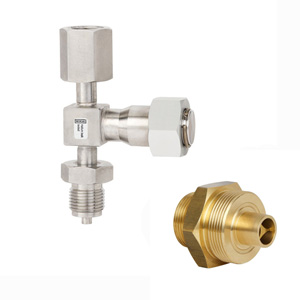
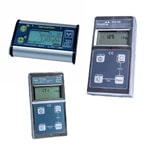
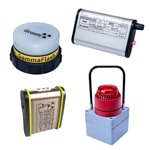
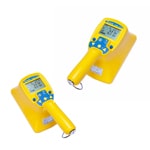
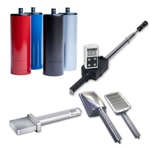
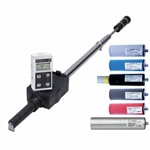
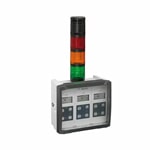
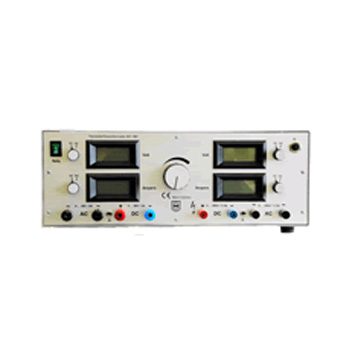
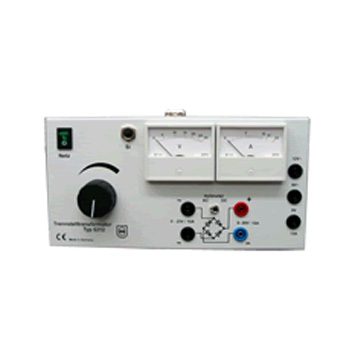
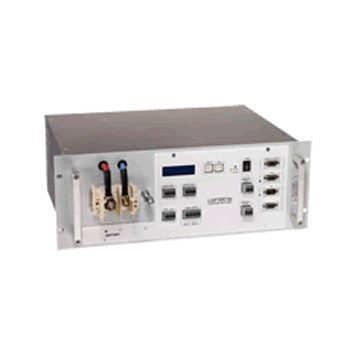



























• High accuracy
  • Input signal: strain gauge measuring bridge; Output signal: 0/4 … 20 mA or DC 0 … 10 V
  • Cable length between amplifier and read-out unit: up to 100 m are possible
  • Compact design
  • Ingress protection IP67
Datasheet
User Manual

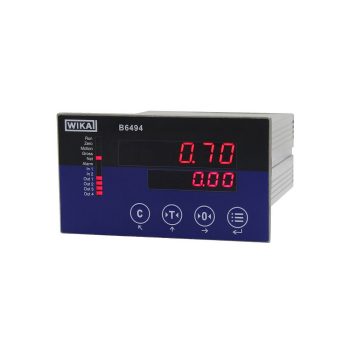
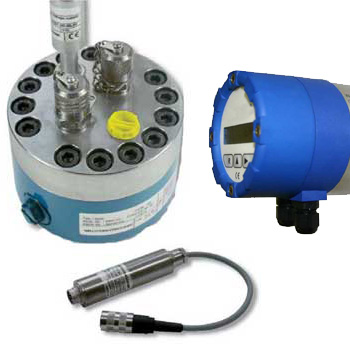
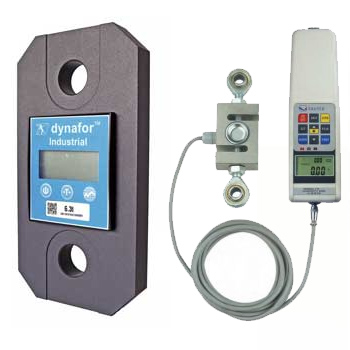
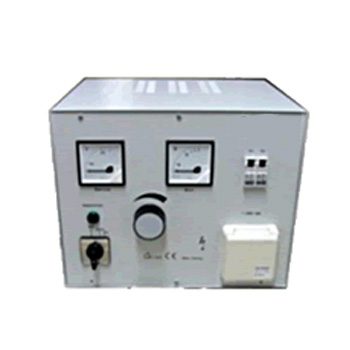
  • Dual mV/V display
  • 2x digital input and 4x digital output
  • Integrated multiple signal outputs available
  • Serial interface, RS-232 or RS-485
  • Ingress protection IP65
Datasheet

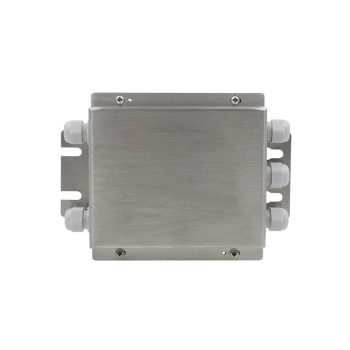
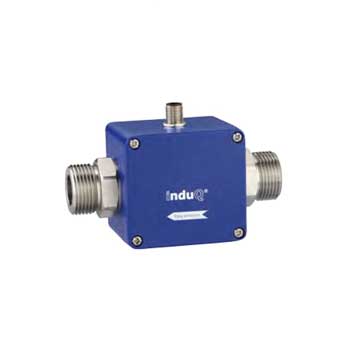
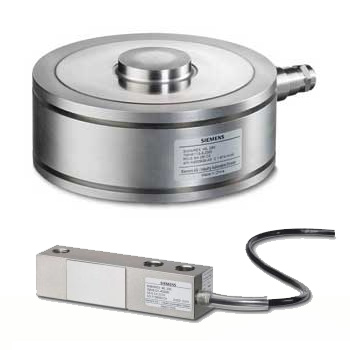
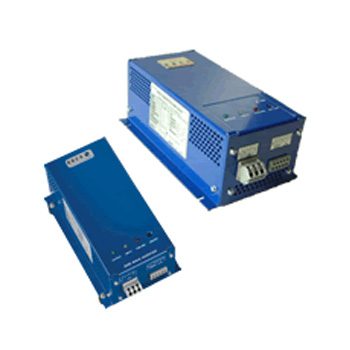
  • 4-channel
  • Rugged stainless steel case
  • Cable connection via clamps
  • IP67
Datasheet

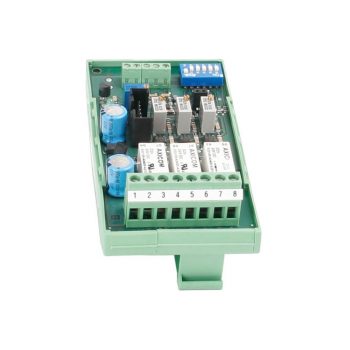
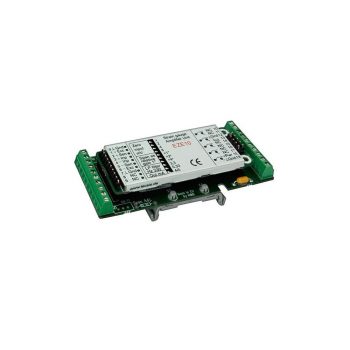
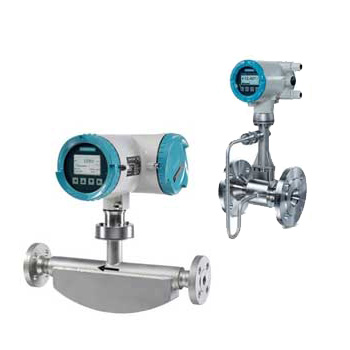
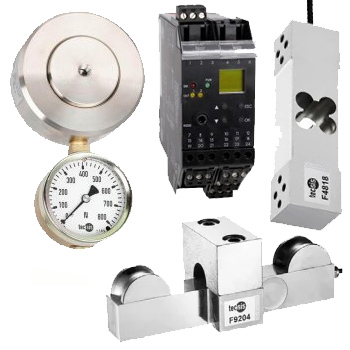
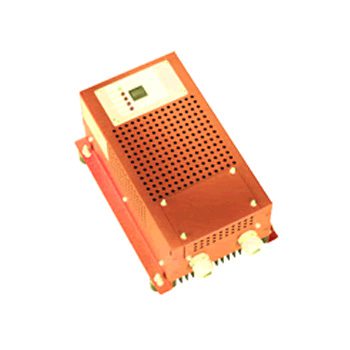
  • Limit switch for mV/V signals
  • 3 relay outputs
  • Adjustable control for switching thresholds
  • Simple operation and setting
  • Case for DIN-rail mounting
Datasheet

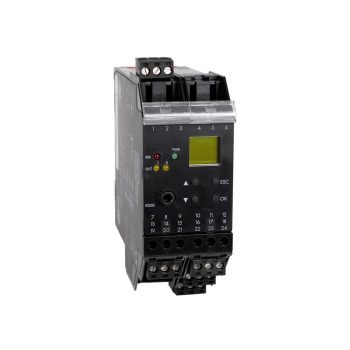
  • Analogue input 0/4 ... 20 mA 2- and 3-wire
  • Galvanic isolation, line break (LB) and short-circuit (SC) monitoring
  • Easy setting of extensive functions on the instrument or via PC software
  • Two potential-free relay contacts (change-over) with status LED and a freely-programmable analogue output (0 ... 20 mA)
Datasheet
User Manual

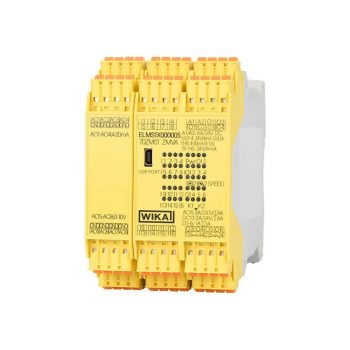
  • Certified safety electronics, certified in accordance with DIN EN ISO 13849-1, PLe
  • Certified system solution incl. force measurement, certified in accordance with DIN EN 13849-1 Cat. 3, PLd
  • 16 x safe inputs (8 x 4 ... 20 mA analogue inputs, 8 x digital inputs), 2 x safe relay outputs and 6 x safe solid-state outputs (positive switching)
  • Additional module with ProfiBus®, ProfiNet®, EtherCat® and CANopen®
  • Complex functionality, easy to configure via PC
Datasheet
User Manual

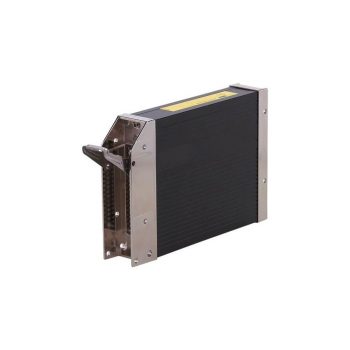
  • 24 input/output channels (of which 8 are analogue inputs, 2 CAN bus interfaces)
  • Complex functionality, easy to configure via PC
  • Including application and AMP plug connection
  • High EMC and shock/vibration resistance
  • Robust metal case, ingress protection IP67
Datenblatt

  • High accuracy
  • Input signal: strain gauge resistance thermometry bridge; output signal 0/4 ... 20 mA or DC 0 ... 10 V
  • Cable length between amplifier and read-out unit: up to 100 m are possible
  • Compact design
  • Ingress protection IP67
Not available anymore.
Datasheet

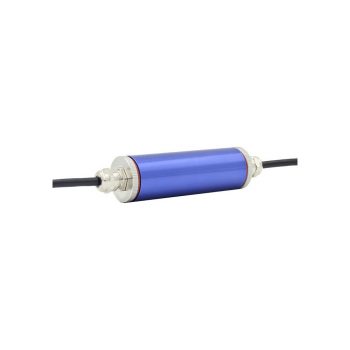
  • Good linearity
  • Voltage and current output
  • Compact design
  • Optional, continuous adjustment of zero point and full scale
  • Optional with adapter board for DIN-rail mounting
Datasheet

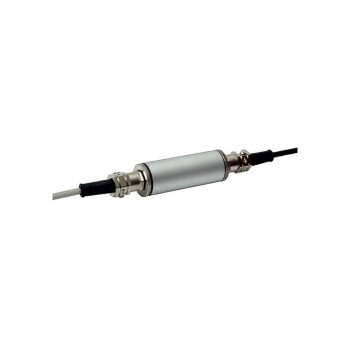
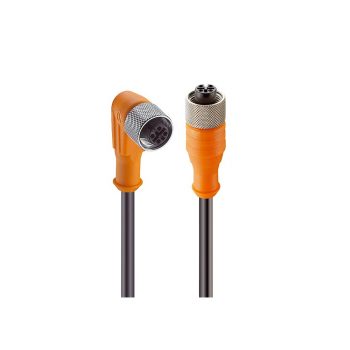
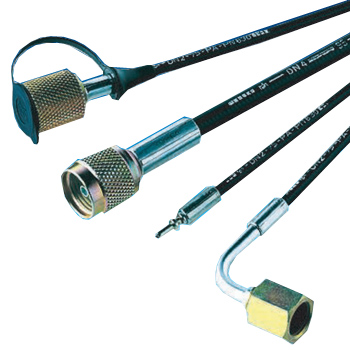
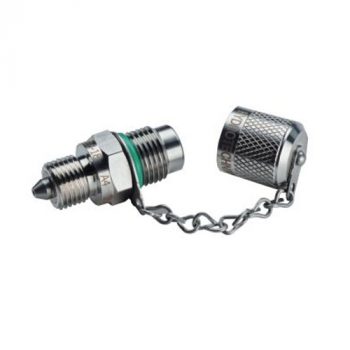
  • Reliable electrical connection
  • Pre-assembled
  • Shielded for high electromagnetic immunity
  • Ready for immediate use
  • Optional: with knurled nut made from stainless steel
Datasheet


Accessories for Force Transducers – Optimized Integration & Installation Components

In the category Accessories – Force, WIKA provides a wide range of components that support the correct installation, mounting and electrical integration of force and load cells. These include mounting modules, load feet, rod ends, compression plates, cables, pivot and sliding bearings, and protective hardware. The right accessories ensure optimal measurement performance and long-term stability.

Proper accessories minimize mechanical errors, improve force alignment, protect sensors from external influences, and guarantee reliable signal transmission.


FAQ About Accessories for Force Transducers

Answers regarding selection, functions, installation requirements and typical accessory components.

What types of accessories are available for force transducers?

Accessories include mounting modules (such as rocker or sliding bearings), load feet, rod ends / clevises, compression/loading plates, shielded cables, junction and protection housings, and mounting hardware like bolts and spacers.

Why is the correct selection of accessories important?

Incorrect or poorly installed accessories can significantly reduce measurement accuracy—for example through side loads, tilt forces, undefined load introduction or unintended mechanical constraints. Suitable accessories ensure correct force transmission and stable measurement results.

What should be considered when selecting mounting or bearing modules?

Key criteria include: defined vertical force introduction, decoupling of side and tilt loads, load-bearing capacity, material compatibility with the environment, and if needed, thermal compensation. Good mounting ensures maximum accuracy and sensor longevity.

What must be considered for signal and grounding cables?

Important considerations are cable length, shielding, conductor cross-section, use of SENSE leads for long distances, correct grounding practices, and resistance to temperature or environmental influences.

Which mechanical issues can be avoided using proper accessories?

  • Mechanical stress from rigid pipes or cables
  • Incorrect or undefined force direction
  • Mounting frame tension or structural distortions
  • Temperature expansion without compensation

Does WIKA provide selection support for accessories?

Yes — WIKA offers a broad accessory portfolio specifically designed for force and load cells. Technical support is available to help select the ideal accessories for each application.

How can I request a quotation?

To request a quotation, provide details such as application type, chosen force sensor, required accessories (e.g., mounting kit, cable), environmental conditions (temperature, humidity, cleaning), and any required protection ratings or certifications.

Diese Website benutzt Cookies. Wenn du die Website weiter nutzt, gehen wir von deinem Einverständnis aus.