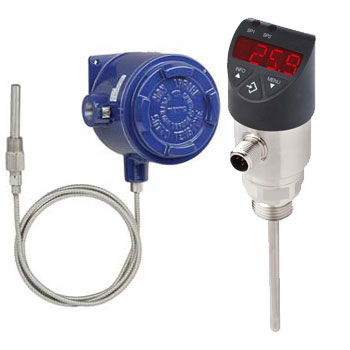
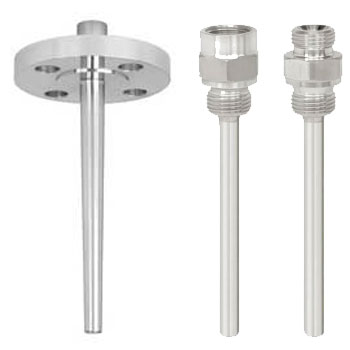
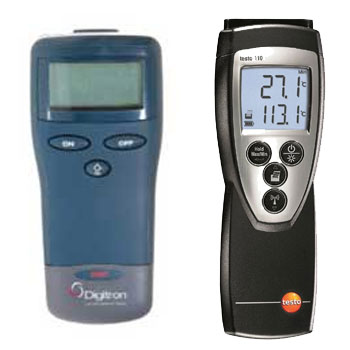
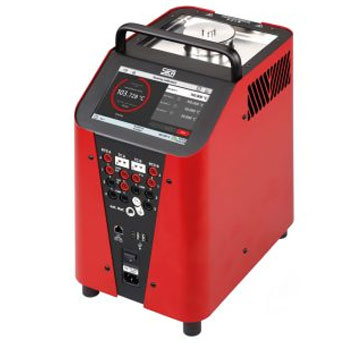
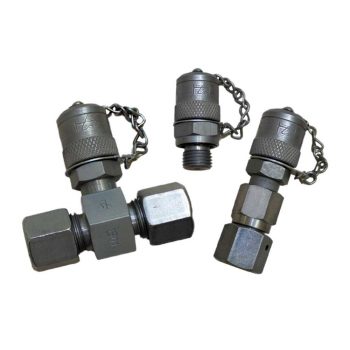
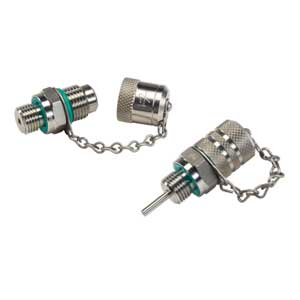
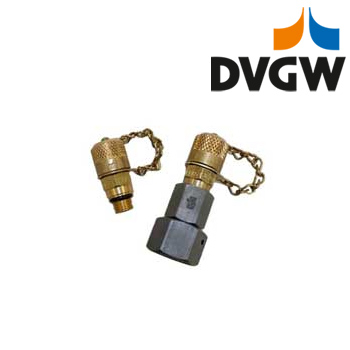
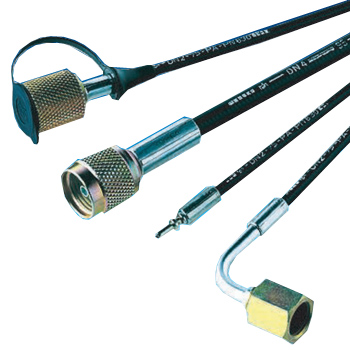
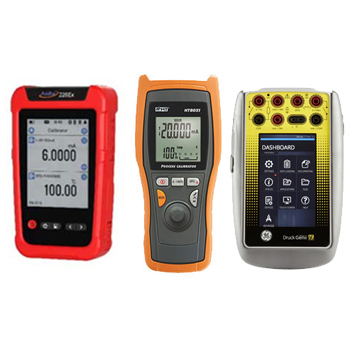
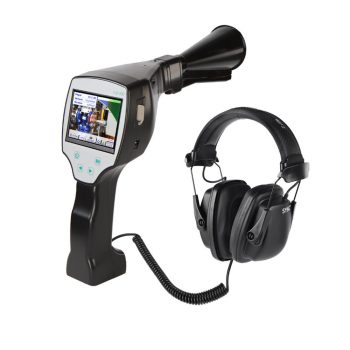
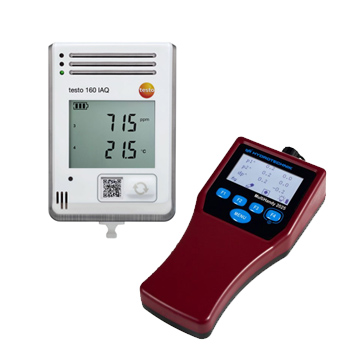
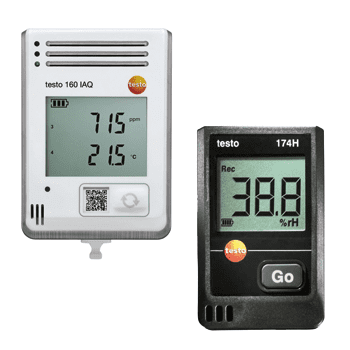
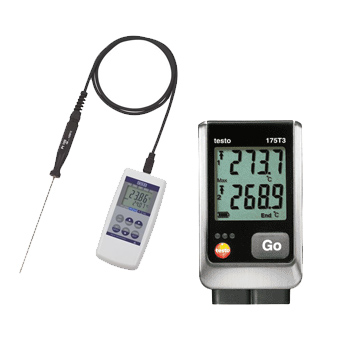
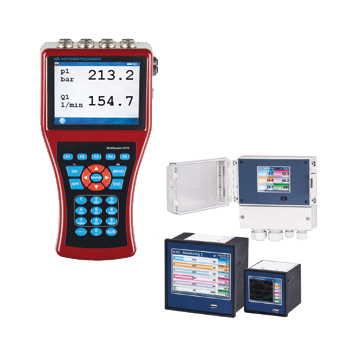
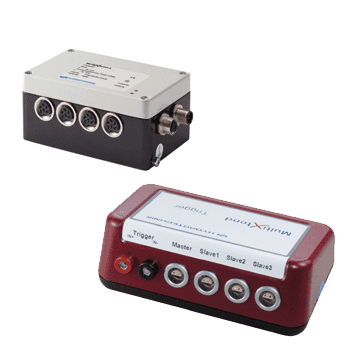
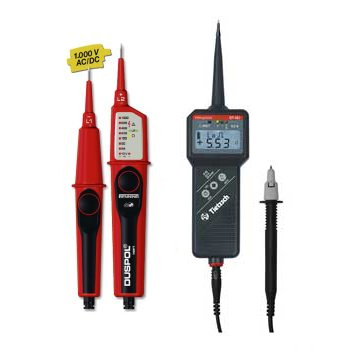
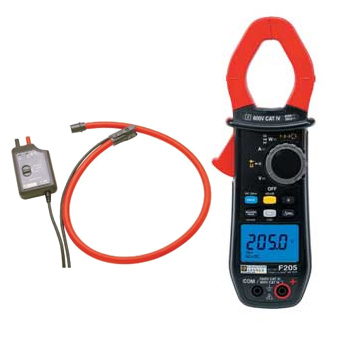
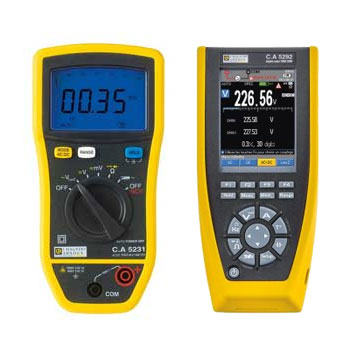
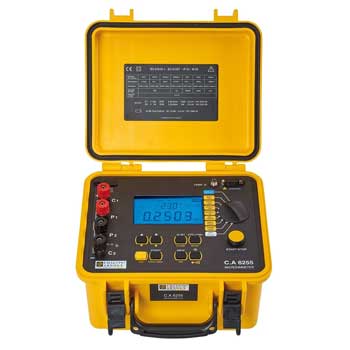
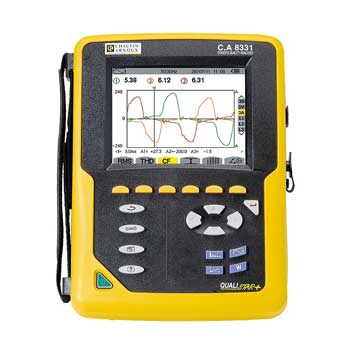
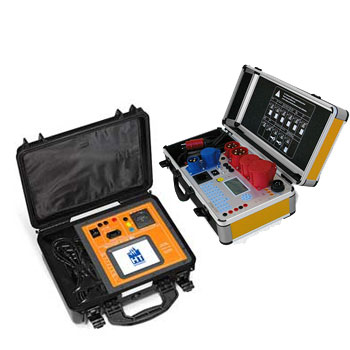
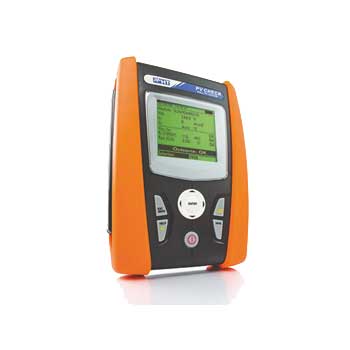
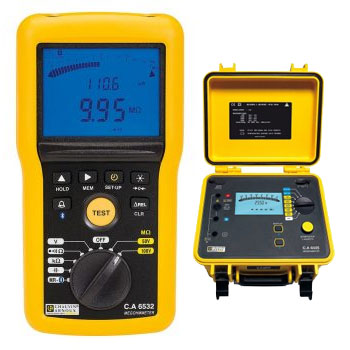
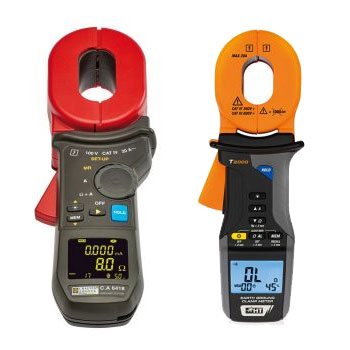
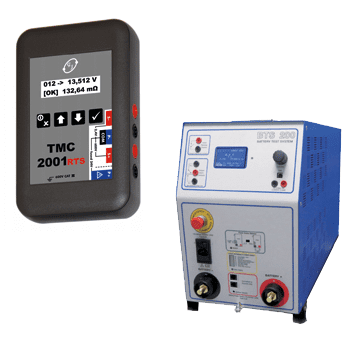
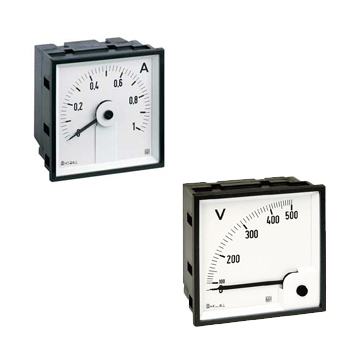
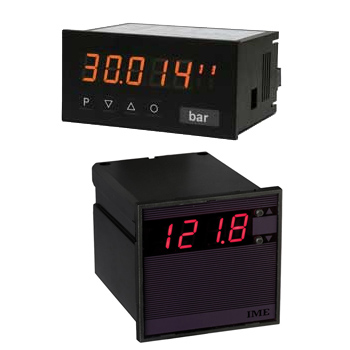
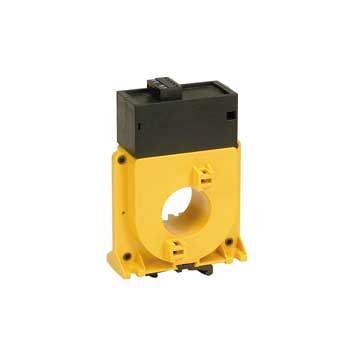
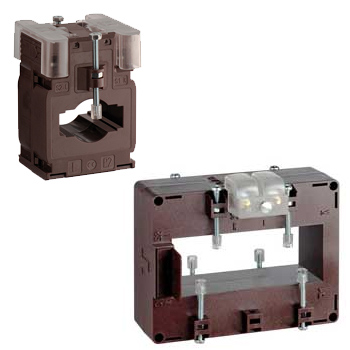
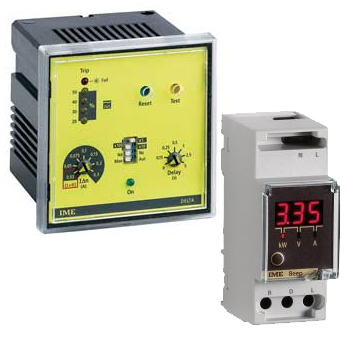
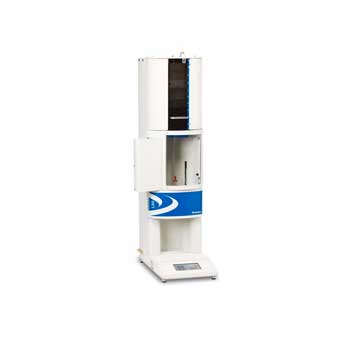
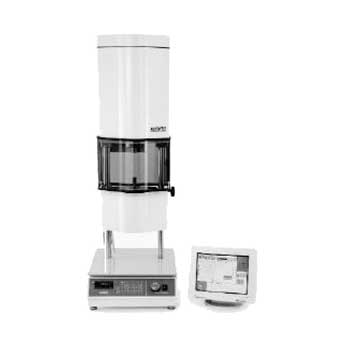
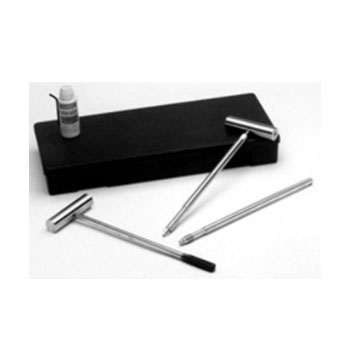
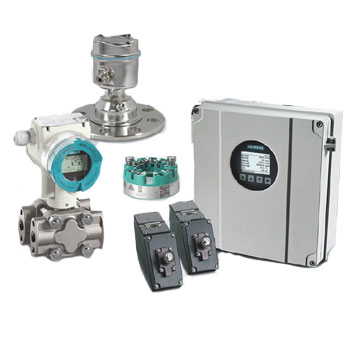
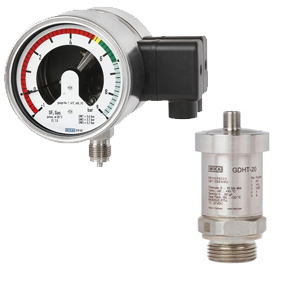
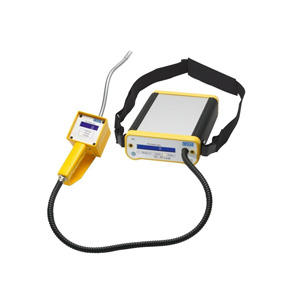
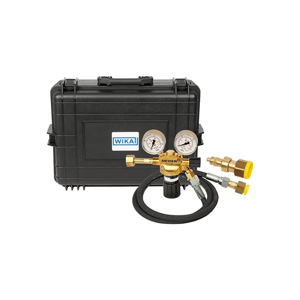
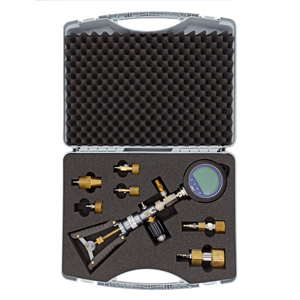
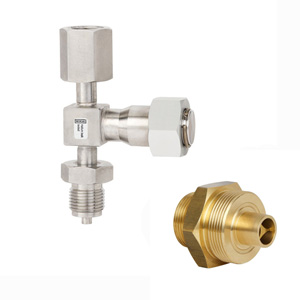
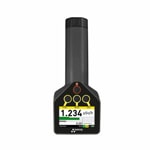
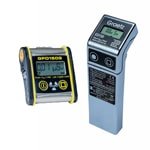
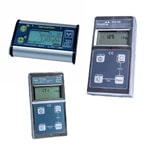
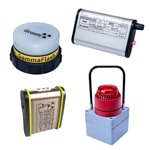
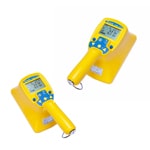
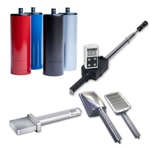
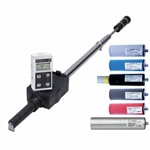
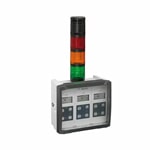
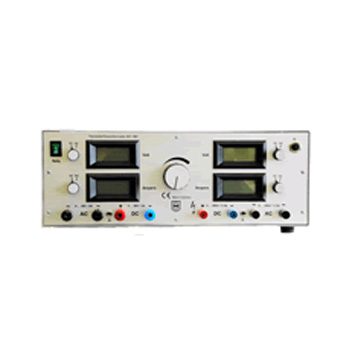
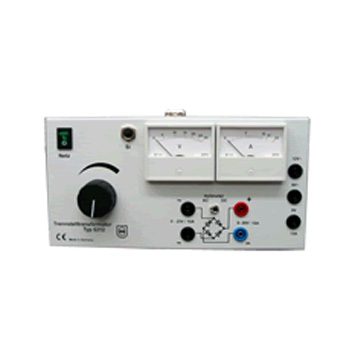
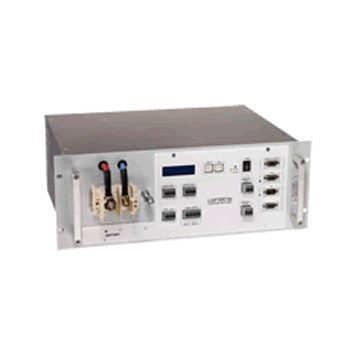
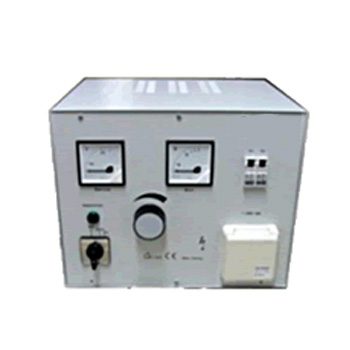























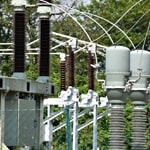
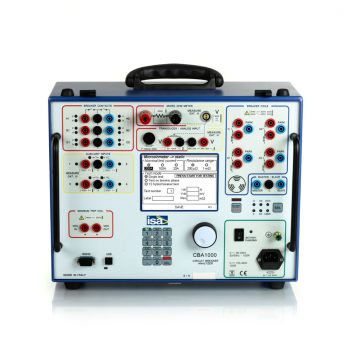
CBA 1000 circuit breaker timing test equipment is a reliable and very accurate operating device for the maintenance and commissioning of circuit breakers in medium and high voltage substation. It can perform static and dynamic contact resistance measurement and it’s an accurate timing speed and motion analyzer.

Datasheet

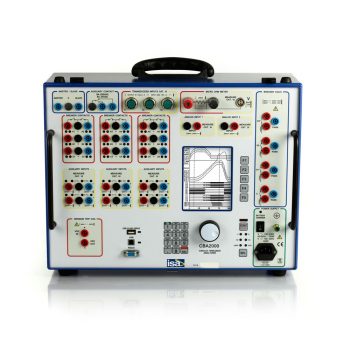
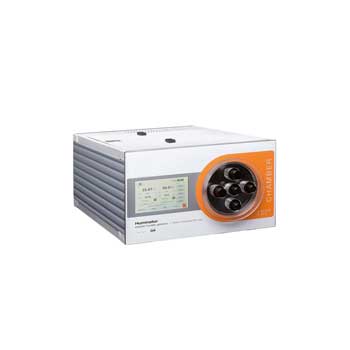
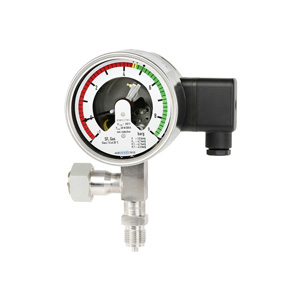
CBA 2000 diagnostic system is designed to grant the highest accuracy while testing circuit breaker. It can perform static and dynamic contact resistance measurement and it’s a precise timing speed and motion analyzer. Circuit breaker timing test set CBA 2000 is the perfect solution when a complete and reliable diagnostics has to be performed on circuit breakers.

Datasheet

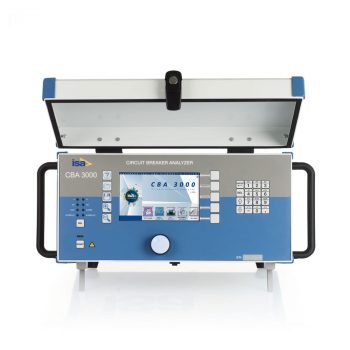
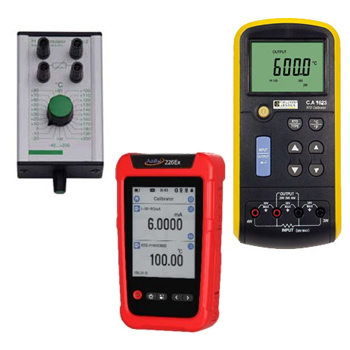
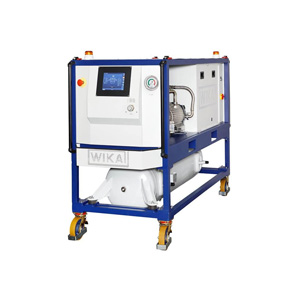
CBA 3000 allows any timing test, motion and speed analysis, multiple contemporary static and dynamic contact resistance measurements, both sides grounded (BSG) tests, undervoltage condition test and more. All these functions are integrated in a single lightweight test case without the need of connecting additional external modules.

Datasheet

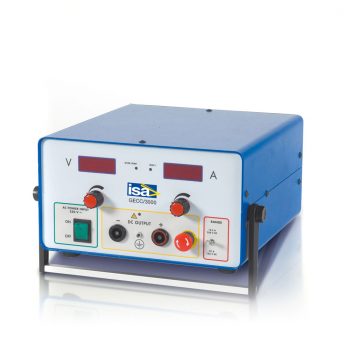
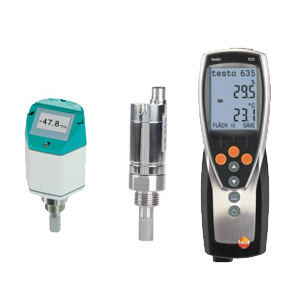
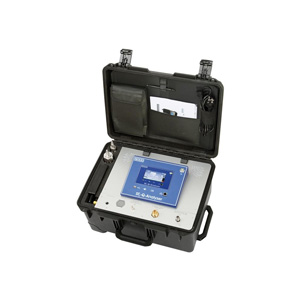
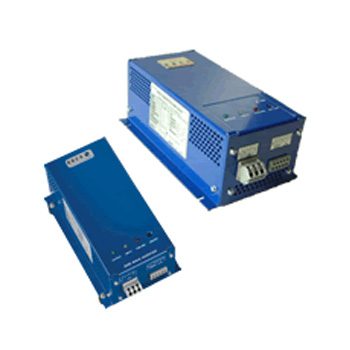
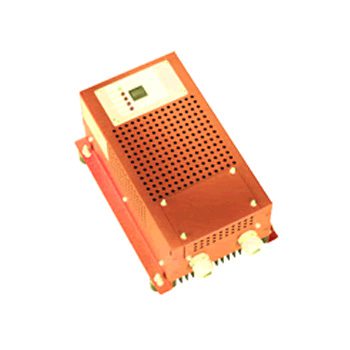
The DC voltage power supply models GECC3000 and GECC 1500 are designed for supplying the DC voltage and current for testing any type of system which requires an high-power, ripple free DC power supply

Datasheet


Circuit Breaker Testing

Circuit breaker testing involves inspection and functional verification of circuit breakers, switchgear and protective switching devices in power distribution and supply systems. The tests ensure that breakers operate correctly, trip under fault conditions, and maintain insulation, contact integrity and proper switching behaviour. Typical checks include insulation and contact resistance tests, timing measurements, mechanical operation tests, trip-unit functionality and, if applicable, fault-current simulation.

FAQ

What is circuit breaker testing?

Circuit breaker testing refers to a set of assessments on breakers and switchgear — including insulation resistance, contact resistance, timing and trip functionality, mechanical integrity and, if necessary, fault current or high-load testing — to verify correct operation. :contentReference[oaicite:8]{index=8}

Why is testing circuit breakers important?

Circuit breakers protect installations and people from overloads, short circuits and faults. Testing ensures that they reliably interrupt the circuit under fault conditions and maintain safety and system stability. Without regular testing, the risk of failure, equipment damage or safety hazards increases drastically. :contentReference[oaicite:9]{index=9}

Which tests are commonly performed?

Common tests include insulation resistance measurement, contact resistance checks, timing tests for opening/closing, functionality tests of the trip mechanism, mechanical motion analysis (switch travel, contacts), and fault-current simulation tests (primary or secondary injection) as required. :contentReference[oaicite:10]{index=10}

What is a timing test and why is it relevant?

Timing tests measure how quickly the breaker opens or closes when triggered. Fast and consistent response is critical: delays or irregularities can compromise protection, lead to equipment damage, or fail to isolate faults properly. :contentReference[oaicite:11]{index=11}

Why measure contact resistance?

Contact resistance testing verifies that the internal contacts are conductive and free of corrosion, wear or excessive resistance. High contact resistance can cause overheating, voltage drop or failure when switching high currents. :contentReference[oaicite:12]{index=12}

What does insulation testing check?

Insulation testing examines dielectric integrity between live parts and ground or between separated circuits to detect deterioration, moisture ingress or insulation faults — essential for electrical safety and breakdown prevention. :contentReference[oaicite:13]{index=13}

What is the difference between primary and secondary testing of breakers?

Primary testing injects real currents or voltages through the actual circuit path (live conductors), simulating real operating or fault conditions. Secondary testing applies signals only to control or trip-unit circuits, allowing verification of the electronic/relay part without interrupting the main circuit. Both methods have their use depending on breaker type and maintenance requirements. :contentReference[oaicite:14]{index=14}

Who should carry out breaker testing?

Qualified electrical engineers or technicians with experience in medium/high-voltage systems, protection devices and safety procedures. Proper execution requires understanding of breaker mechanics, standards and test protocols. :contentReference[oaicite:15]{index=15}

How often should circuit breakers be tested?

Testing intervals depend on system load, age, safety requirements and regulations. Common practice includes tests at commissioning, after maintenance or modification, and at regular intervals — especially in critical or heavily loaded installations. :contentReference[oaicite:16]{index=16}

What safety measures must be observed during testing?

The system must be properly de-energized or isolated, grounding and locking procedures must be in place, testing equipment must be rated for the application, and operators must use personal protective equipment. Clear protocols and documentation are essential. :contentReference[oaicite:17]{index=17}

What documentation should be generated after testing?

A test report should include breaker data, settings, test conditions, measured values (resistances, times, trip results), evaluation, date and responsible personnel. This ensures traceability, compliance and supports maintenance planning. :contentReference[oaicite:18]{index=18}

When are repeat tests or diagnostics necessary?

After faults, overloads, maintenance, suspect performance, age-related wear or before recommissioning of the system. Also in periodic maintenance cycles to ensure ongoing reliability and safety. :contentReference[oaicite:19]{index=19}

Diese Website benutzt Cookies. Wenn du die Website weiter nutzt, gehen wir von deinem Einverständnis aus.