


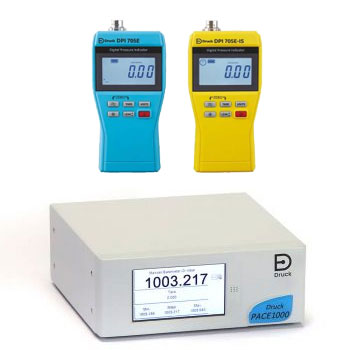
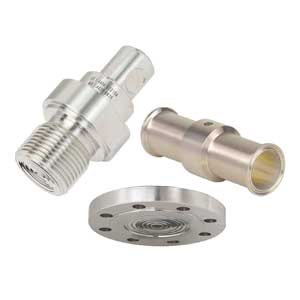
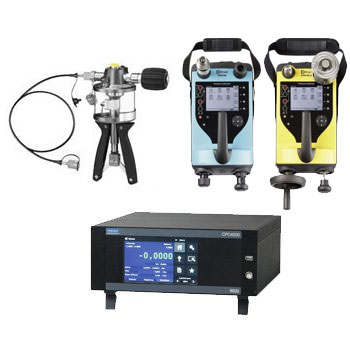
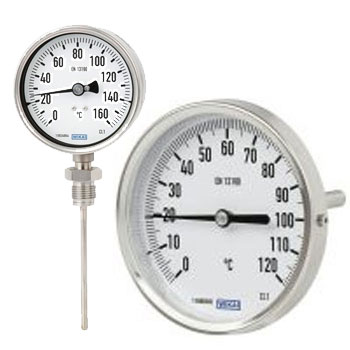
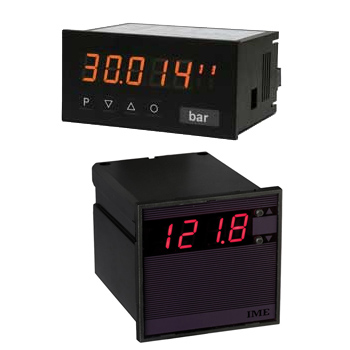
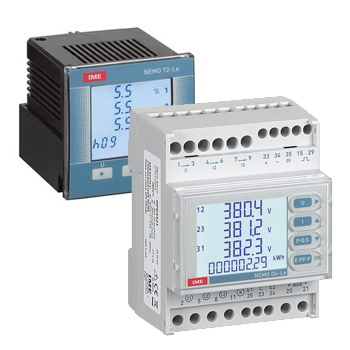
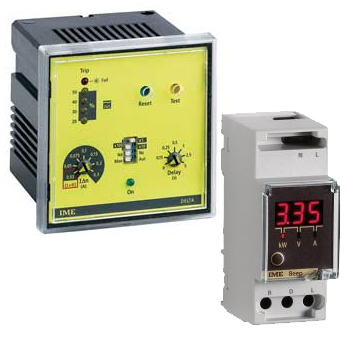
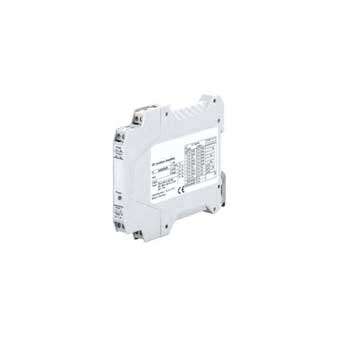
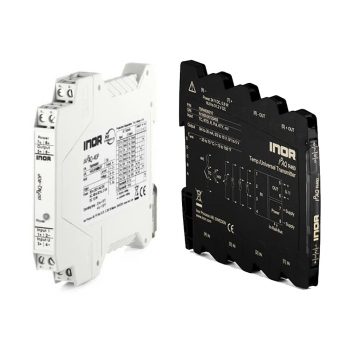
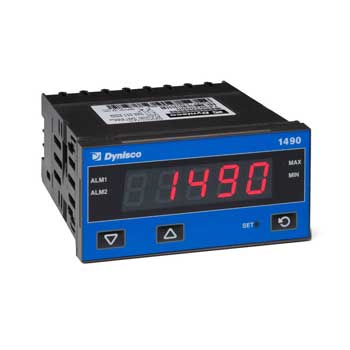
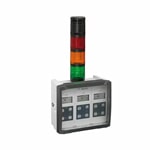
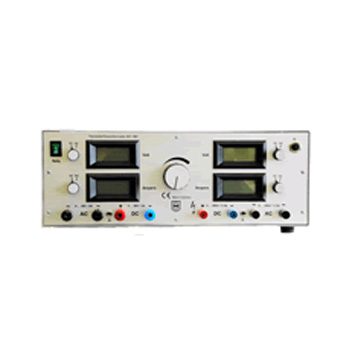
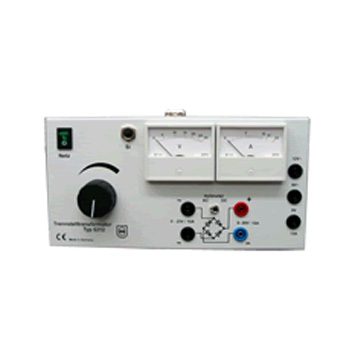
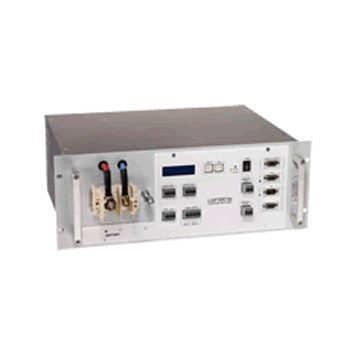
























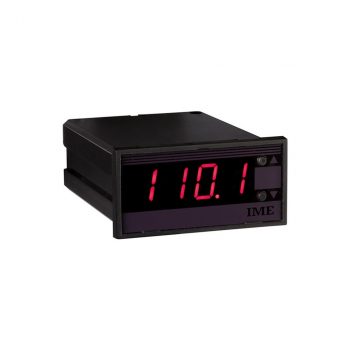
- Digital display for direct voltage (direct input)
- Dimensions: 72x36mm
- Without border contacts
- Input: 100 ... 0 ... 100V or 500 ... 0 ... 500V or 1 ... 0 ... 1V or 5 ... 0 ... 5V or 10 ... 0 ... 10V or 60 ... 0 ... 60mV or 100 ... 0 ... 10mV or 150 ... 0 ... 150mV
- Auxiliary voltage: 24Vac or 115 and 230Vac or 240Vac or 20 ... 150Vcc / 48Vac
- Display: 3 digits, max.display: 999 ... 999
 Datasheet Datasheet
|
- Digital display for direct voltage (direct input)
- Dimensions: 72x36mm
- Without border contacts
- Input: 20 ... 0 ... 20V or 200 ... 0 ... 200V or 1 ... 0 ... 1V or 5 ... 0 ... 5V or 10 ... 0 ... 10V or 60 ... 0 ... 60mV or 100 ... 0 ... 10mV or 150 ... 0 ... 150mV
- Auxiliary voltage: 24Vac or 115 and 230Vac or 240Vac or 20 ... 150Vdc / 48Vac
- Display: 3 1/2 digits, max.display: -1999 ... 1999
|
Datasheet
|
- Digital display for direct voltage unidirectional (direct input)
- Dimensions: 72x36mm
- Without border contacts
- Input: 0 ... 100/0 ... 500V adjustable
- Auxiliary voltage: 24Vac or 115 or 230Vac or 240ac or 20 ... 150Vdc / 48Vac or 150 ... 250Vdc
- Display: 3 digits, max.display: 999
|
Datasheet
|
- Digital display for direct voltage (direct input)
- Dimensions: 48x24mm
- Without border contacts
- Input: 20 ... 0 ... 20V or 50 ... 0 ... 50V or 1 ... 0 ... 1V or 5 ... 0 ... 5V or 10 ... 0 ... 10V or 60 ... 0 ... 60mV or 100 ... 0 ... 100mV or 120 ... 0 ... 120mV or 150 ... 0 .. .150mV
- Auxiliary voltage: 9 ... 32Vcc
- Display: 3 1/2 digits, max display: -1999 ... 1999
| Datasheet |
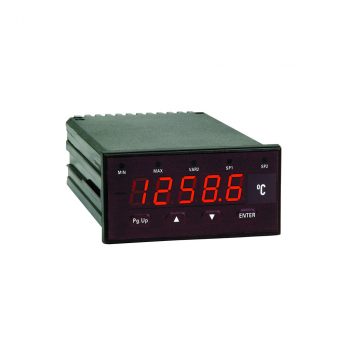
- Digital display for direct voltage unidirectional (direct input)
- Dimensions: front frame 96x48mm
- With or without 2 programmable limit contacts, MIN and / or MAX contact
- Input: 0 ... 100/0 ... 500V adjustable
- Auxiliary voltage: 24Vac or 115 or 230Vac or 240Vac or 20 ... 150Vdc / 48Vac or 150 ... 250Vdc
- Display: direct 0 ... 99.9 / 0 ... 500V; 3 digits, max.display: 999
|
Datasheet
|
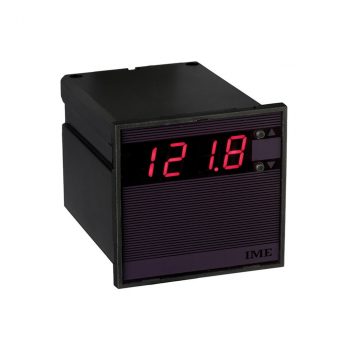
- Digital indicator for DC voltage
- Dimensions: front frame 72x72mm
- Without border contacts
- Input: 1 ... 0 ... 1V or 5 ... 0 ... 5V or 10 ... 0 ... 10V or 60 ... 0 ... 60mV or 100 ... 0 ... 100mV or 150 ... 0 ... 150mV
- Auxiliary voltage: 24Vac or 115 and 230Vac or 240Vac or 20 ... 150Vdc / 48Vac
- Display: 3 digits, max.display: -999 ... 999
|
Datasheet
|
- Digital display for direct voltage unidirectional (direct input)
- Dimensions: front frame 72x72mm
- With or without 2 programmable limit contacts, MIN and / or MAX contact
- Input: 0 ... 100/0 ... 500V
- Auxiliary voltage: 24Vac or 115Vac or 230Vac or 240Vac or 20 ... 150Vdc / 48Vac or 150 ... 250Vdc
- Display: direct 0 ... 99.9 / 0 ... 500V; 3 digits, max.display: 999
|
Datasheet
|
- Digital display for direct voltage unidirectional (direct input)
- Dimensions: front frame 96x96mm
- Without border contacts
- Input: 0 ... 100/0 ... 500V adjustable
- Auxiliary voltage: 24Vac or 115 or 230Vac or 240Vac or 20 ... 150Vdc / 48Vac or 150 ... 250Vdc
- Display: direct 0 ... 99.9 / 0 ... 500V; 3 digits, max.display: 999
|
Datasheet
|
- Digital display for direct voltage (direct input)
- Dimensions: front frame 96x96mm
- Without border contacts
- Input: 100 ... 0 ... 100V or 500 ... 0 ... 500V or 5 ... 0 ... 5V or 10 ... 0 ... 10V or 60 ... 0 ... 60mV or 100 ... 0 ... 100mV or 150 ... 0 ... 150mV
- Auxiliary voltage: 24Vac or 115 and 230Vac or 240Vac or 20 ... 150Vdc / 48Vac
- Display: 3 digits, max.display: -999 ... 999
|
Datasheet
|
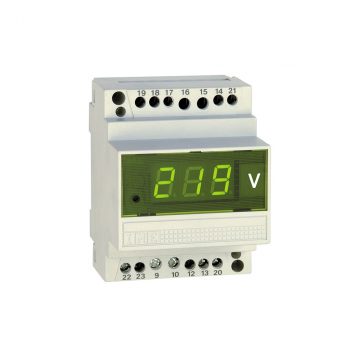
- Digital display for direct voltage unidirectional (direct input)
- Dimensions: 4 modules DIN
- With or without 2 programmable limit contacts, MIN and / or MAX contact
- Input: 0 ... 100/0 ... 500V adjustable
- Auxiliary voltage: 24Vac or 115Vac or 230Vac or 240Vac or 20 ... 150Vdc / 48Vac or 150 ... 250Vdc
- Display: direct 0 ... 99.9 / 0 ... 500V; 3 digits, max display: 999
|
Datasheet
|
