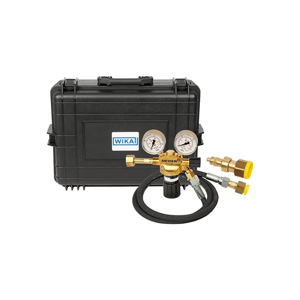
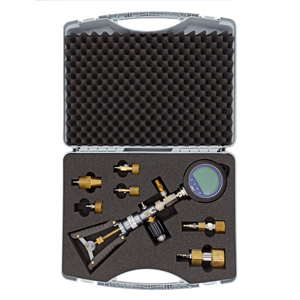
Calibration Pumps – portable pressure generation from vacuum to high pressure

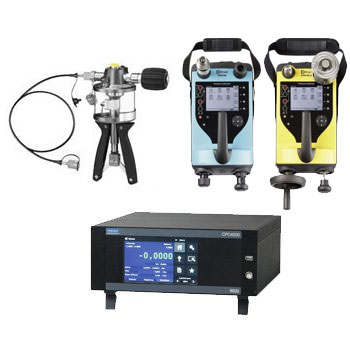
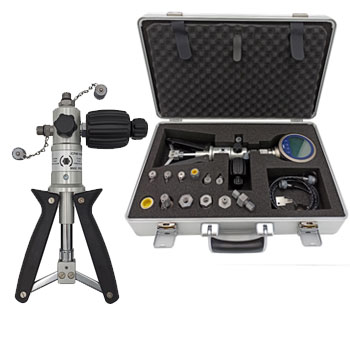
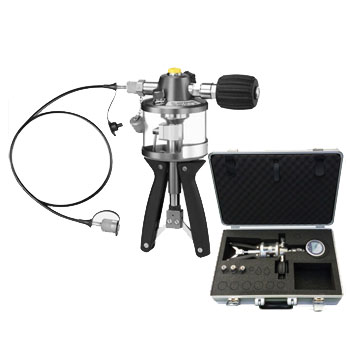
Calibration pumps generate precise vacuum as well as pneumatic and hydraulic test pressures for on-site and laboratory calibration of gauges, pressure transmitters, pressure switches and data loggers. Depending on model they combine coarse generation (lever/screw) with fine volume adjustment for stable, repeatable setpoints.

Options (model-dependent): ranges from −0.95 bar to +40 bar (pneumatic) and up to 1,000+ bar (hydraulic), media air/N₂, oil or water, fine adjuster, quick couplers, dual-range, integrated test volume and rugged carry cases. Combined with references/loggers they form traceable calibration systems.

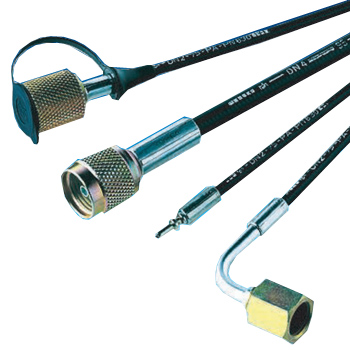
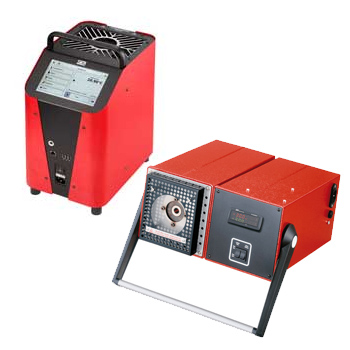
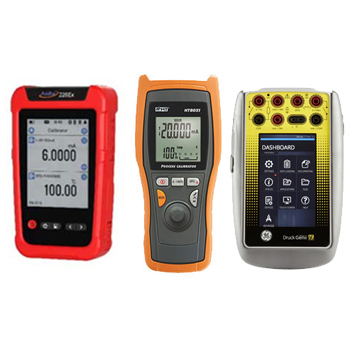
ICS Schneider Messtechnik supplies pumps, adapter/hose kits, reference gauges/sensors, matching accessories and—on request—factory/DAkkS calibration, ready to use in a case.


FAQ on Calibration Pumps

Answers on media selection, ranges, stability, leak testing, connections, care and best practices.

What are calibration pumps used for?

To generate/hold defined test pressures when calibrating gauges, transmitters, pressure switches and for leak tests in the shop or in the field.

What’s the difference between pneumatic and hydraulic pumps?

Pneumatic (air/N₂) is clean and sensitive up to ~40 bar. Hydraulic (oil/water) enables high pressures up to 1,000+ bar with excellent stability, but requires bleeding and media compatibility.

Which pressure ranges are typical?

TypeTypical rangeUse case
Vacuum pump0…−0.95 barAbsolute/low pressure, zero checks
Pneumatic pump−0.95…+20/40 barLow/mid-range transmitters & gauges
Hydraulic pump0…700/1,000+ barHigh-pressure gauges, presses, test rigs

What accuracy can I expect?

The pump generates pressure; your reference (digital gauge/transducer/deadweight) determines measurement accuracy. For pass/fail work, aim for a TUR ≥ 4:1.

What is the purpose of the fine volume adjuster?

The micro volume stage changes the test volume minimally for mbar-level trimming without overshoot—crucial for stable points and leak testing.

Which media should I use?

Air/N₂ for clean, low-pressure work; oil for high pressures (lubricity/corrosion protection); water when oil-free is mandatory. Media cleanliness is essential.

How do I bleed a hydraulic setup correctly?

  1. Fill the circuit and open the highest bleed points.
  2. Increase pressure slowly and vent air bubbles via bleed screws.
  3. Cycle pressure and tap lines until no bubbles appear.

How do I perform a leak test?

Pressurize to the test level, isolate, define a dwell time and log the drift rate (e.g., mbar/min). Consider/compensate temperature effects.

What connections are common?

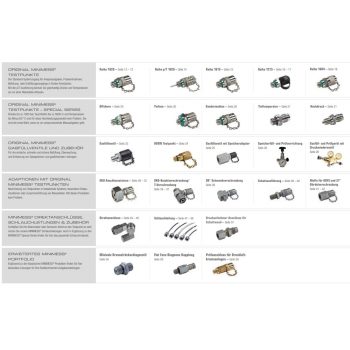
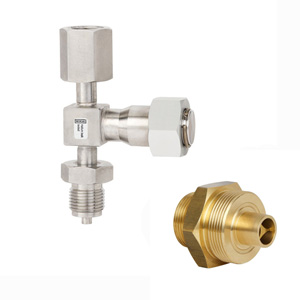
G 1/4 (BSPP), NPT, M20×1.5 and 7/16″-20 UNF for microbore hoses. A comprehensive adapter kit greatly reduces setup time.

How do I avoid leaks?

  • Clean sealing faces; use correct O-rings/face seals.
  • Tighten fittings to the specified torque.
  • For NPT use approved pastes only; no tape on sealing faces.

How do I stabilize the setpoint?

Keep the system volume small, use short hoses, apply the fine adjuster, minimize temperature drift and avoid vibration.

Can I test gauge, absolute and differential pressure?

Yes. For absolute pressure include the barometer. For differential, use manifolds/valves with an equalize function.

What maintenance is required?
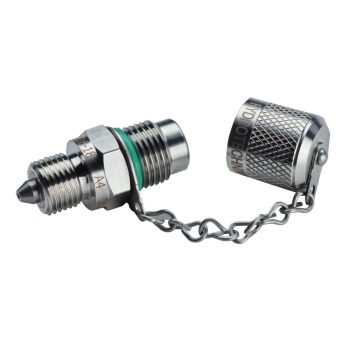
  • Inspect/replace filters and seals periodically.
  • Keep hydraulic media clean; dry/protect water-filled systems after use.
  • Lightly lubricate moving parts per manufacturer guidance.

Any requirements for hazardous areas or cleanrooms?
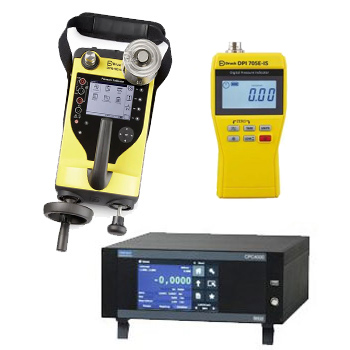
Use only approved devices in Ex zones. For cleanrooms use oil-free media, clean fittings and particle-free handling.

How do I choose the right pump?

By required pressure range, medium, target stability, port threads, portability (weight/case) and desired accessories (adapters, hoses, reference).

Typical issues and quick fixes

  • No pressure build-up → find leaks, check seals, close vents.
  • Unstable pressure → use fine adjuster, equalize temperature, reduce volume.
  • Contaminated medium → replace medium, flush lines, check filters.

What documentation is supplied?
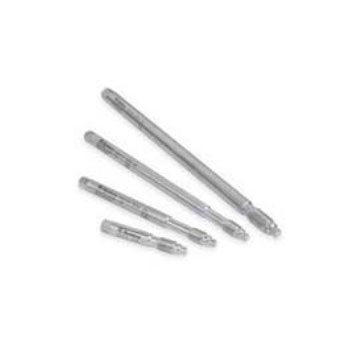
Operating & safety manual; optional factory/DAkkS certificates for included references, material/media statements and declarations of conformity.

Do you offer preconfigured kits?
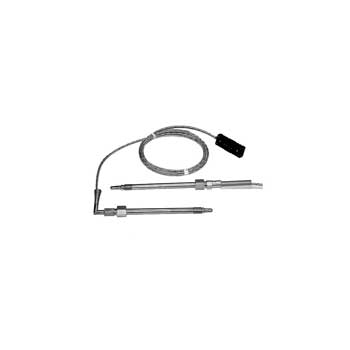
Yes—pumps with reference gauge/sensor, adapter/hose kit, carry case, whip checks and certificates, ready to deploy.

Do you assist with selection & training?

Yes—we define ranges/media, assemble kits, integrate with software/CMMS and train on leak testing, uncertainty and best practices.

Diese Website benutzt Cookies. Wenn du die Website weiter nutzt, gehen wir von deinem Einverständnis aus.