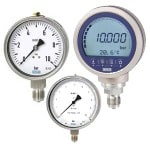
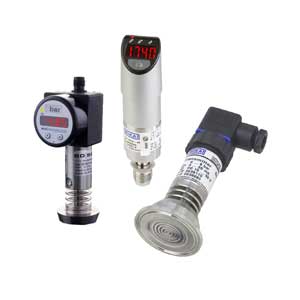
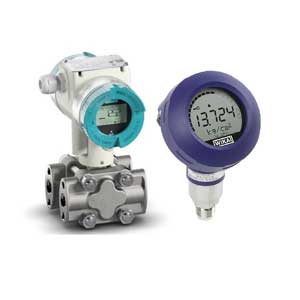
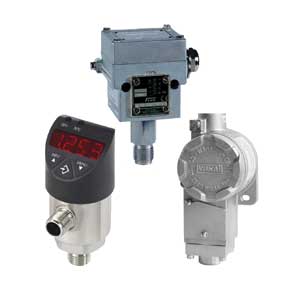
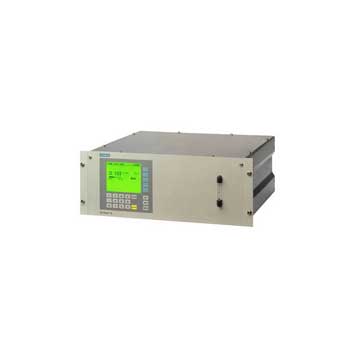
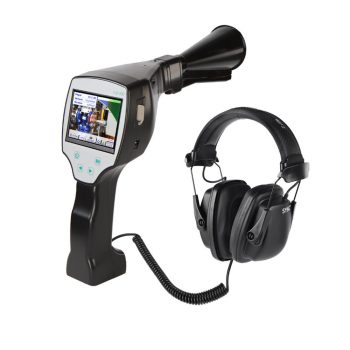
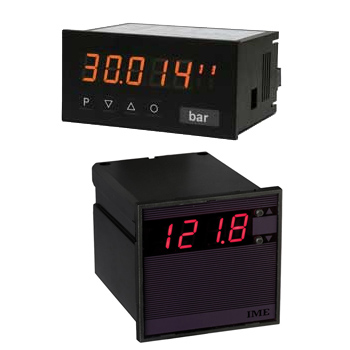
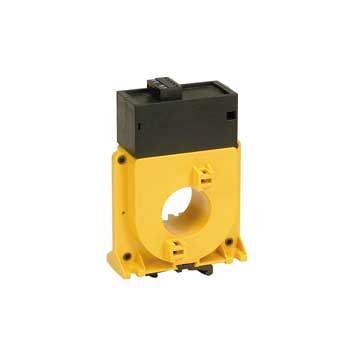
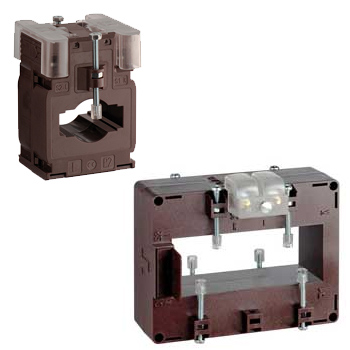
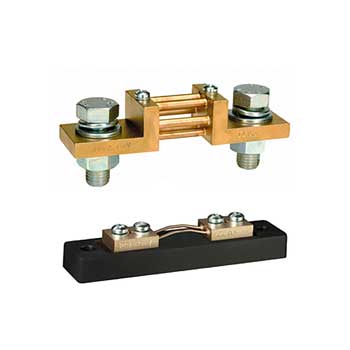
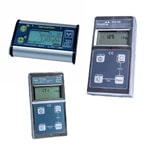
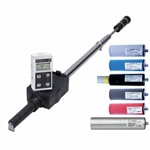
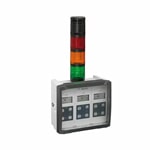
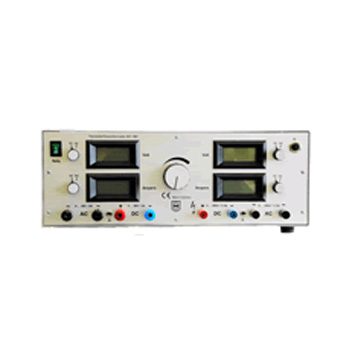
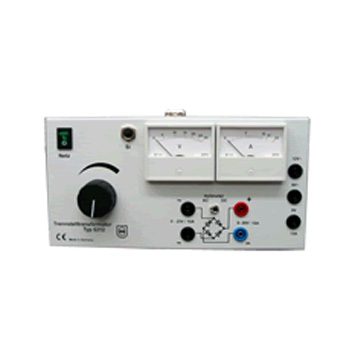
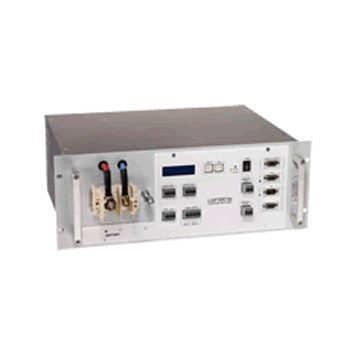
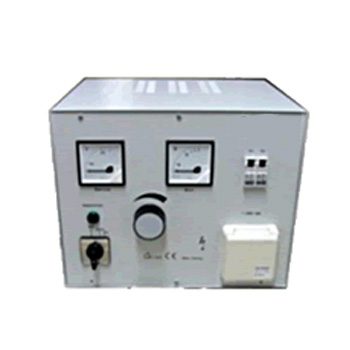
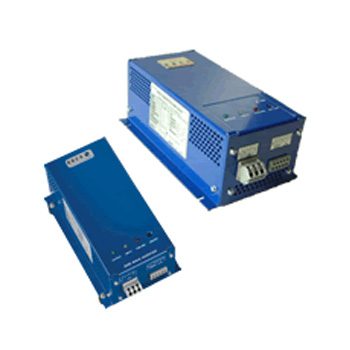
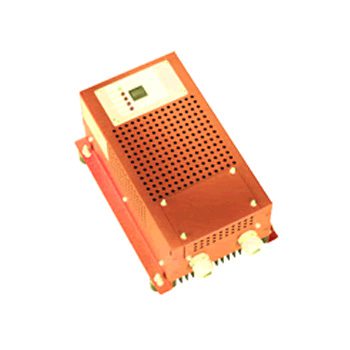
Weighing Electronics – Multi-functional Indicators & Controllers for Industrial Scales

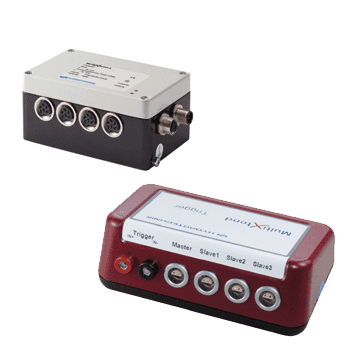
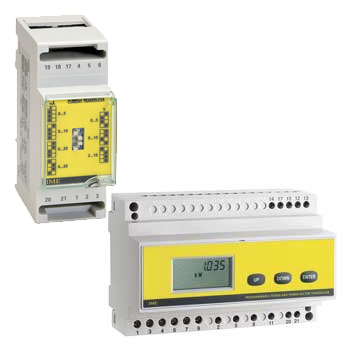
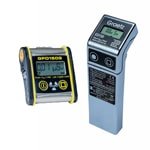
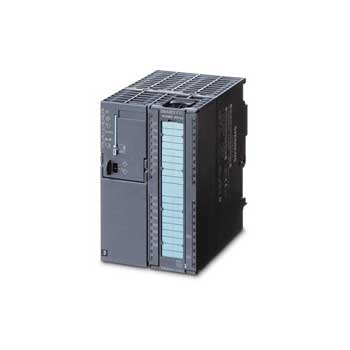
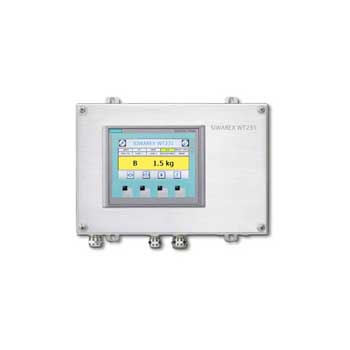
Weighing electronics (Wägeelektronik) are the measurement and control units used in industrial weighing systems. They interpret signals from load cells, perform weight conversion, apply filtering and diagnostics, and provide interfaces for process systems, display units, printers or PLCs. :contentReference[oaicite:0]{index=0}

Typical functions include analog/digital signal processing, automatic calibration/adjustment, legal-for-trade verification, summation and batching operations, integration into automation systems (Ethernet, RS-232, USB), and modular expandability for Industry 4.0. :contentReference[oaicite:1]{index=1}


FAQ About Weighing Electronics

Answers about roles, selection, integration, calibration and error sources.

What is weighing electronics?

Weighing electronics refers to the indicator/controller portion of a weighing system. It receives the analog signal from Wägezellen (load cells), applies amplification, filtering, conversion to digital values, performs compensation (temperature, drift), and presents usable output and interfaces for control or data transfer.

Why is the choice of weighing electronics important?

Because the electronics determine the overall accuracy, repeatability, integration possibilities and compliance of the weighing system. A high-quality unit ensures signal integrity, supports diagnostics, prevents fraud/manipulation, and handle connectivity to production/ERP systems.

What criteria should I consider when selecting weighing electronics?

  • Number of load cells/channels supported
  • Analog input range/bridge excitation (e.g., 5 V/10 V, 350 Ω load cells)
  • Resolution, display resolution (e.g., millions of divisions) and accuracy class
  • Interface options: RS-232, USB, Ethernet, Profibus, CAN, I/O for batching
  • Legal-for-trade (if required) / conformity to standards (OIML, MID) :contentReference[oaicite:2]{index=2}
  • Environmental protection / housing rating (dust, humidity, industrial use) :contentReference[oaicite:3]{index=3}
  • Functional features: tare, zero tracking, calibration, multirange, summation, recipe control

How is the weighing electronics integrated into a system?

The unit is connected to the load cells (typically via shielded cables), mounted in a safe, vibration-protected enclosure. It is then connected to display(s), printer(s), PLC or MES and configured for calibration, filtering and process functions. Proper grounding and signal shielding are essential for accuracy.

What calibration or verification is required?
The electronics must be calibrated and, if used for commercial transactions, the entire weighing system (load-cells + frame + electronics) must be officially verified (legal-for-trade) by competent authority. Additionally, periodic internal check/calibration ensures consistent performance. :contentReference[oaicite:4]{index=4}

What are common error sources related to weighing electronics?
  • Poor cable shielding or grounding → electrical interference
  • Mismatched load cell configuration or excitation too high/low
  • Inadequate filtering or environmental drift (temperature, humidity)
  • Outdated firmware or unsupported interface causing communication errors

What functionalities do modern weighing electronics support?
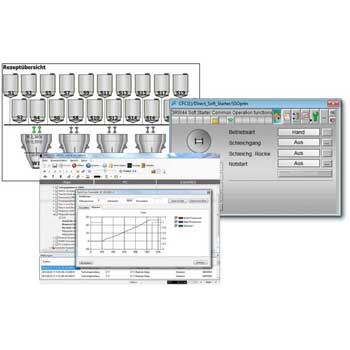
Modern devices support digital signal processing, remote display, diagnostics (cell failure, overload indication), data logging, export to databases/ERP, network connectivity, recipe management and sometimes secure functions for legal-for-trade compliance.

How can I request a quotation?

Please provide ICS Schneider Messtechnik with the number of load cells, required signal range, environmental conditions, display/interface requirements, necessary accuracy class and legal-for-trade requirement. A tailored recommendation will follow.

Diese Website benutzt Cookies. Wenn du die Website weiter nutzt, gehen wir von deinem Einverständnis aus.