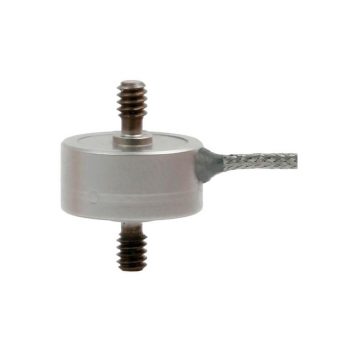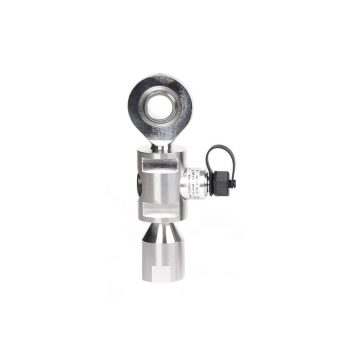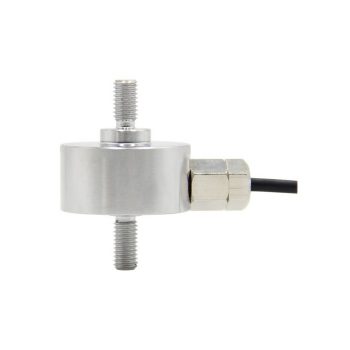
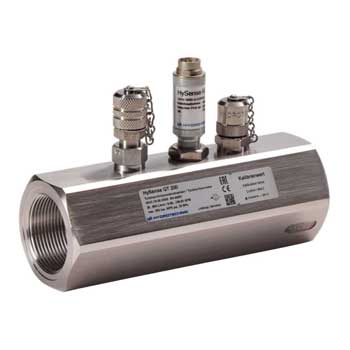
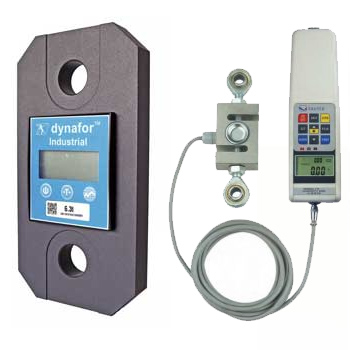
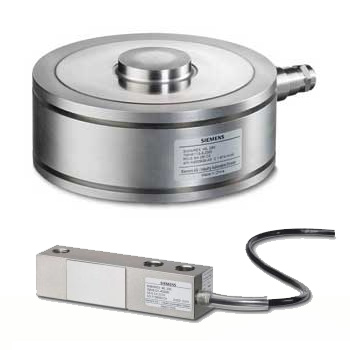
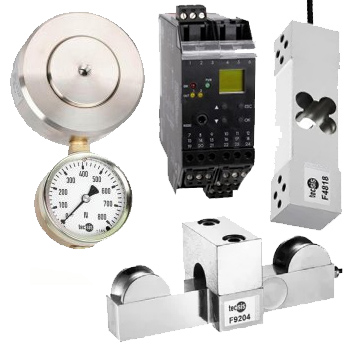
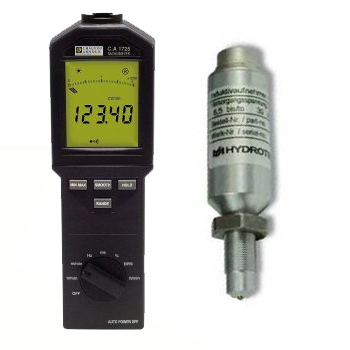
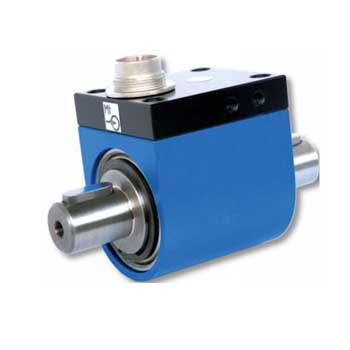
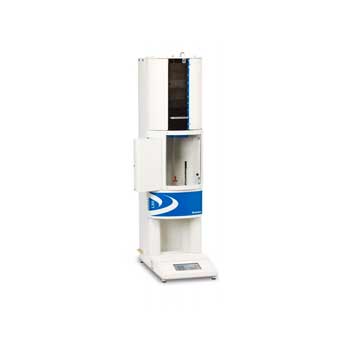
























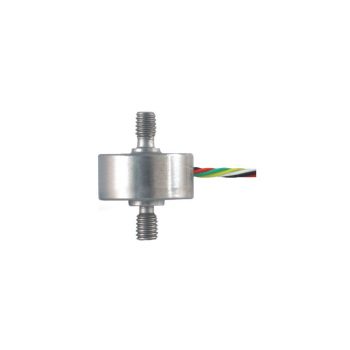
• Measuring ranges 0 ... 10 N up to 0 ... 5,000 N
  • Standard calibration: tension / compression (positive in tension)
  • Ease of assembly
  • Small geometries
  • Stainless steel version
Datasheet
User Manual

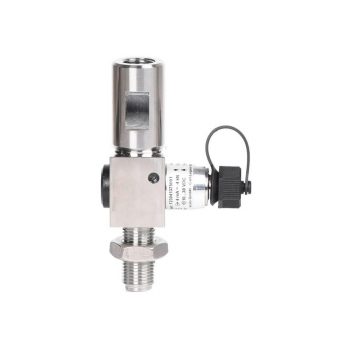
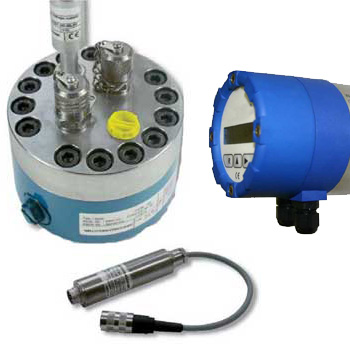
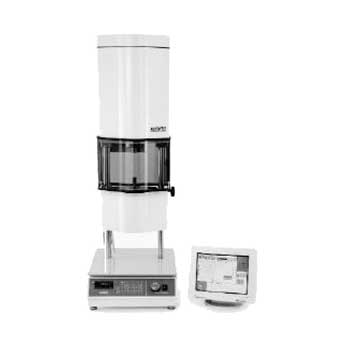
  • Measuring ranges 0 … 10 N up to 0 ... 50 kN
  • Standard calibration: tension / compression (positive in tension)
  • Ease of assembly
  • Small geometries
  • Stainless steel version
Datasheet
User Manual

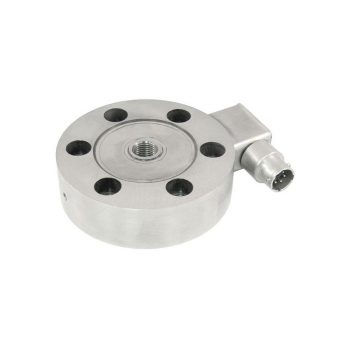
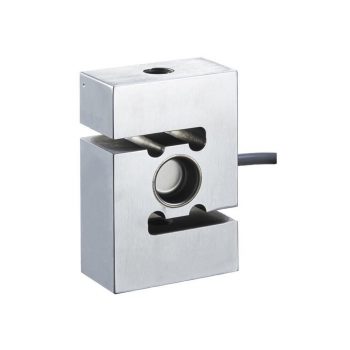
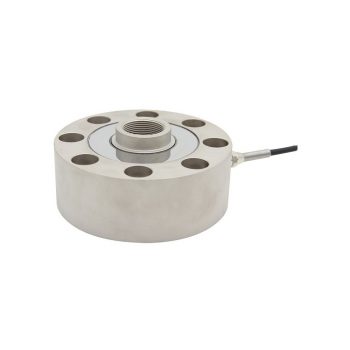
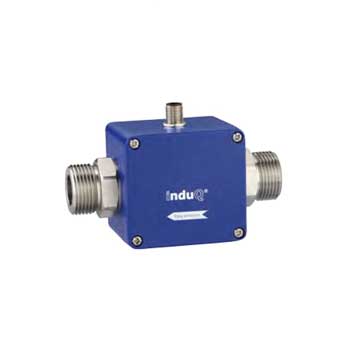
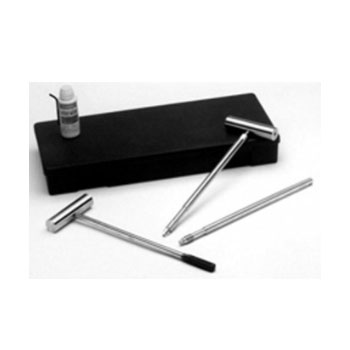
  • Measuring ranges 0 ... 22 N up to 0 ... 2.200 kN (0 ... 5 Ibs up to 0 ... 500 klbs)
  • Simple installation, low installation height
  • High long-term stability, dynamic fatigue strength for load alternations
  • Protection class IP66
  • Relative linearity error 0.1 % Fnom
Datasheet

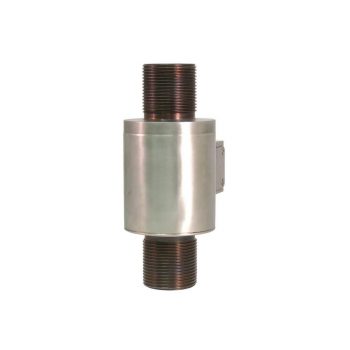
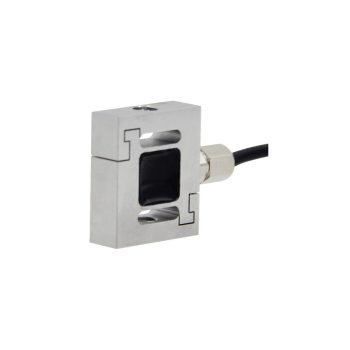
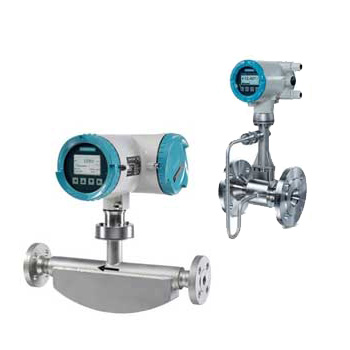
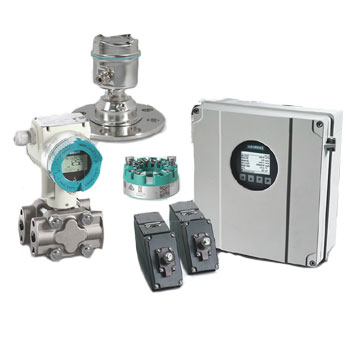
  • Measuring ranges 0 ... 10 kN up to 0 ... 3,300 kN
  • Robust design
  • Material stainless steel
  • Protection class IP66
  • Relative linearity error 0.15 % Fnom
Datasheet
User Manual

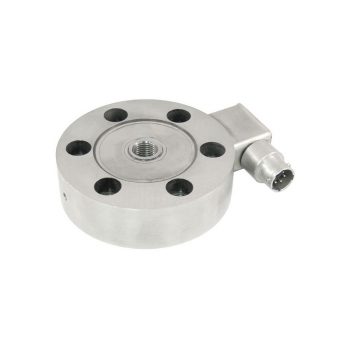
  • Measuring ranges 0 ... 0.22 kN up to 0 ... 890 kN (0 ... 50 lbs up to 0 ... 200,000 lbs)
  • Robust design
  • Material stainless steel
  • Protection class IP66
  • Relative linearity error 0.1 % Fnom
Datasheet

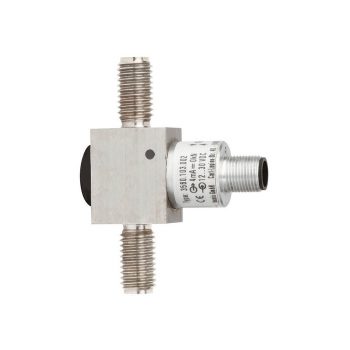
  • Measuring ranges 0 ... 10 kN to 0 ... 45 kN [0 ... 2,248 lbf to 0 ... 10,116 lbf]
  • Corrosion-resistant stainless steel design
  • Integrated amplifier
  • High long-term stability, high shock and vibration resistance
  • Good reproducibility, simple installation
Datasheet
User Manual

  • Measuring ranges 0 ... 1 kN to 0 ... 200 kN [0 ... 225 lbf to 0 ... 44,962 lbf]
  • Corrosion-resistant stainless steel design
  • Integrated amplifier
  • High long-term stability, high shock and vibration resistance
  • Good reproducibility, simple installation
Datasheet
User Manual

  • Measuring ranges 0 ... 0,5 kN up to 0 ... 50 kN
  • Corrosion-resistant stainless steel or steel design
  • Protection IP65 (< 5 kN), IP67 (≥ 5 kN)
Datasheet
User Manual

  • Measuring ranges 0 … 5 N up to 0 ... 2,000 N
  • Overload protection
  • Ultracompact version
  • Material: Stainless steel
Datasheet
User Manual

  • Measuring ranges 0 ... 50 N up to 0 ... 1,000 N
  • Ultra compact design
  • Corrosion-resistant stainless steel design
  • Protection IP65
Datasheet
User Manual

  • Measuring ranges 0 ... 5 kN up to 0 ... 500 kN
  • Ultra compact design
  • Simple installation, low installation height
  • Protection IP66
Datasheet
User Manual

  • Measuring ranges 0 ... 1 kN to 0 ... 500 kN [0 ... 224.8 lbf to 0 ... 112,404 lbf]
  • Stainless steel version (corrosion-resistant)
  • Integrated amplifier
  • High long-term stability, high shock and vibration resistance
  • Good reproducibility, easy installation
Datasheet
User Manual


WIKA Tension/Compression Force Transducers – Versatile, High-Accuracy Force Sensors

Tension/compression force transducers from WIKA measure both tensile and compressive forces, converting the load into an electrical signal via strain gauges or thin-film technology. These sensors are suited for industrial weighing, machine and plant engineering, automation in manufacturing, crane and lifting systems, and testing or measuring tasks in labs and custom machines.

WIKA offers a variety of form factors—from miniature sensors, S-type geometries, to compact cylindrical and pancake profiles. Measuring ranges start at around 1 kN and exceed 500 kN, with units crafted from rugged CrNi stainless steel and featuring integrated amplifiers providing outputs like 4–20 mA, 0–10 V, and optional digital interfaces such as CANopen.


FAQ About WIKA Tension/Compression Force Transducers

Answers covering operating principle, design types, measuring ranges, installation, electrical connection, and typical applications.

What is a WIKA tension/compression force transducer?

A tension/compression force transducer from WIKA is a sensor that can accurately measure both pulling (tension) and pushing (compression) forces. It is installed in the force path and outputs a proportional electrical signal to be used for control, display or data recording systems.

What design types are available?

WIKA offers several geometries: miniature sensors for tight spaces; S-type sensors with internal threads for precise tension/compression measurement; compact cylindrical and bar sensors for higher forces; and pancake or flat-profile force sensors with central thread integration.

What measuring ranges do they cover?

Typical ranges start from about 0 … 1 kN and extend up to 0 … 500 kN or more, depending on the model and configuration.

What applications are these transducers suited for?

These sensors are used in industrial weighing systems (e.g. container or platform weighing via tension links), machine & plant engineering, automation, test and measurement systems, and lifting or drawing equipment in manufacturing or research contexts.

What benefits does WIKA’s thin-film technology provide?

The built-in thin-film sensors applied directly on the steel body offer very high long-term stability, excellent repeatability, high resistance to shock/vibration, and compact sensor designs with integrated amplifiers—ideal for both static and dynamic measurement tasks.

Which materials and protection ratings are commonly used?

Transducers are typically made of high-strength, corrosion-resistant CrNi stainless steel (e.g., 1.4542) and are designed for harsh industrial environments. Protection ratings up to IP67 are available.

What output signals are available?

In addition to classic strain-gauge bridge (mV/V), integrated amplifiers provide outputs such as 4–20 mA or 0–10 V. Optional redundancy or digital interface (e.g., CANopen) is available in selected models.

Can these transducers be used for dynamic measurements?

Yes—WIKA sensors are designed for both static and dynamic force measurement applications. They offer high shock and vibration resistance, making them suitable for fluctuating or pulsating loads.

How should they be installed mechanically?

The force must act directly through the sensor in the axial direction, avoiding lateral or bending moments. Thread connections and bolts must be correctly sized, and the adjacent structure must provide sufficient stiffness.

How is the electrical connection configured?

Depending on the version, sensors are connected by cable or an M12 round connector. They output a signal (e.g., 4–20 mA, 0–10 V or mV/V) and require compatible force or weighing electronics for integration into control or data systems.

What are typical error sources?

Common error sources include misaligned load introduction (eccentric loading), side or shear forces, inadequate structural stiffness, rigid mechanical attachments, temperature gradients, or improper shielding/grounding. Ensuring correct mechanical and electrical setup helps minimize these issues.

Are WIKA tension/compression transducers suitable for safety-related applications?

Yes—certain models can be integrated into certified overload protection systems (e.g., WIKA type ELMS1 according to DIN EN ISO 13849-1 PL d / Category 3) for load monitoring in lifting systems.

Does ICS Schneider Messtechnik provide support for selection & integration?

Yes—ICS Schneider Messtechnik supports you with sensor selection, mechanical layout, electronics integration, calibration, and documentation of your WIKA tension/compression force solution.

How can I request a quotation?

You can add your preferred sensor to the inquiry list on the product page or contact ICS Schneider by phone or email. Please provide details such as measurement range, force direction, installation space, environmental conditions, and output signal.

Diese Website benutzt Cookies. Wenn du die Website weiter nutzt, gehen wir von deinem Einverständnis aus.