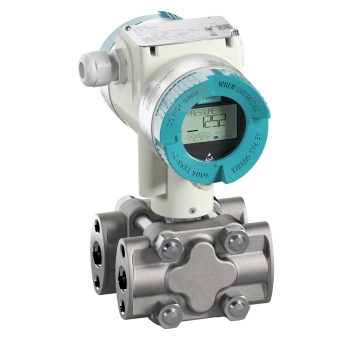
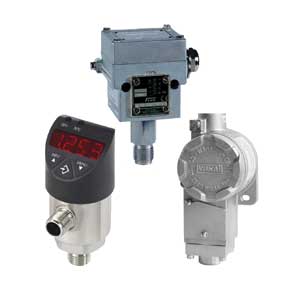
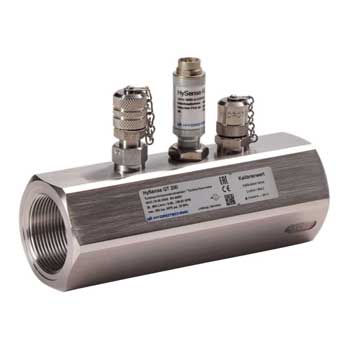
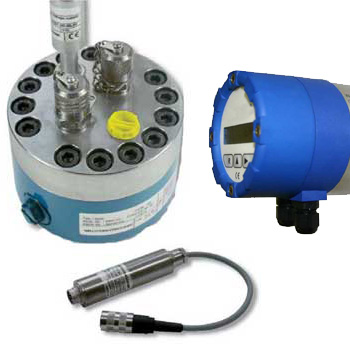
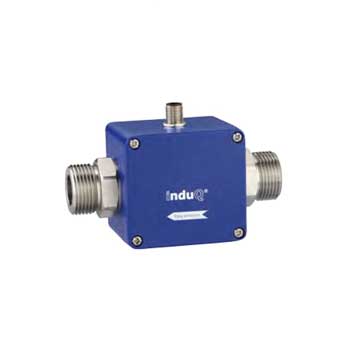
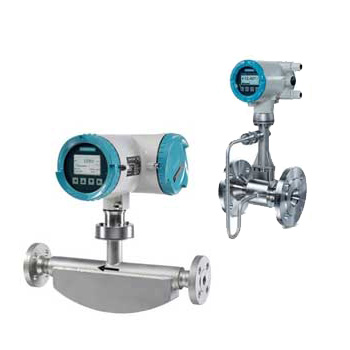
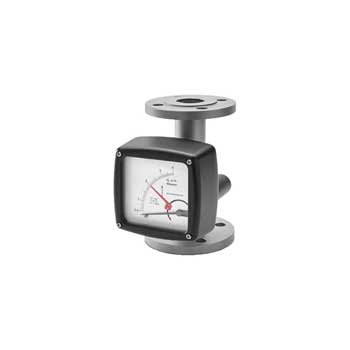
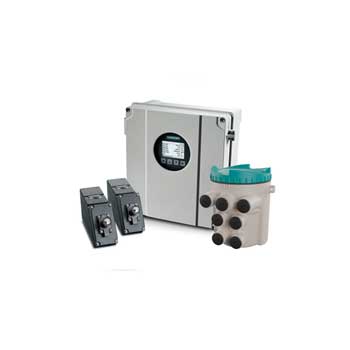
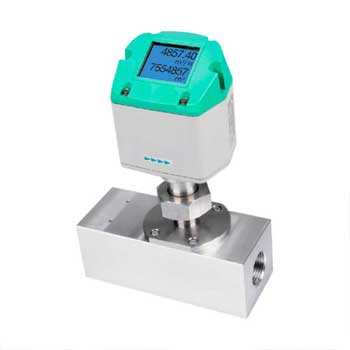
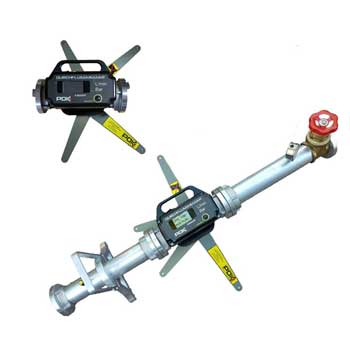
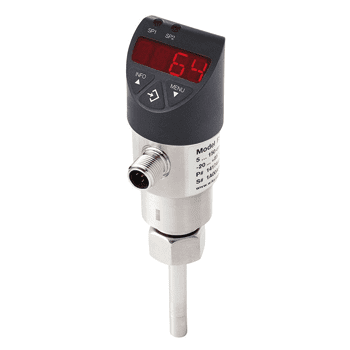
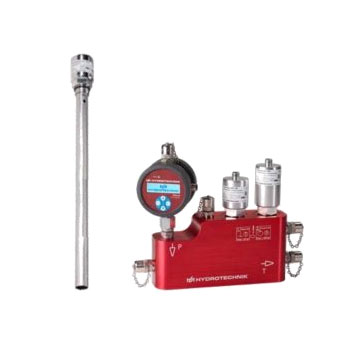
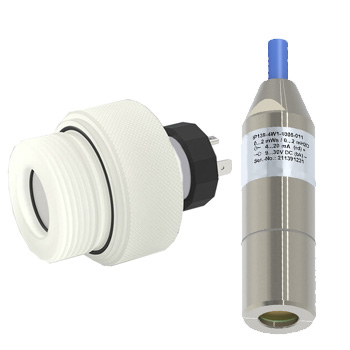
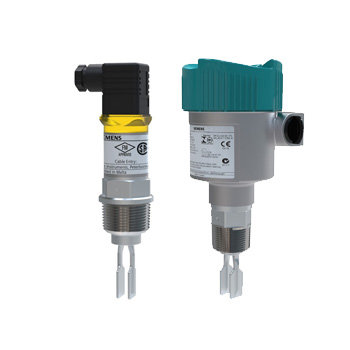
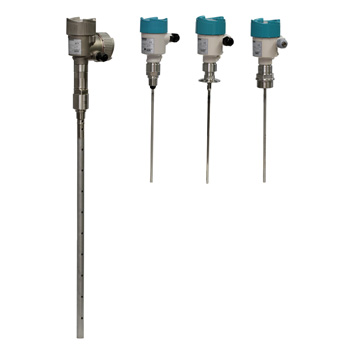
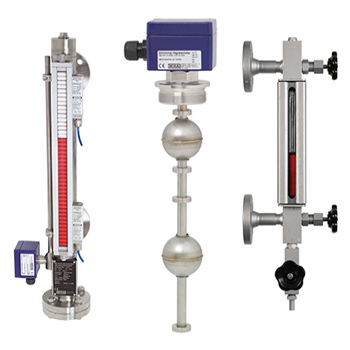
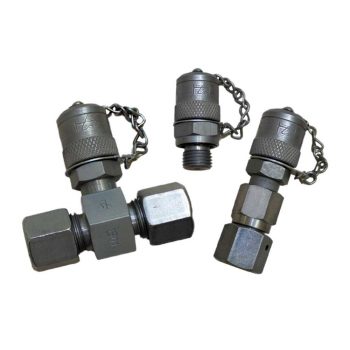
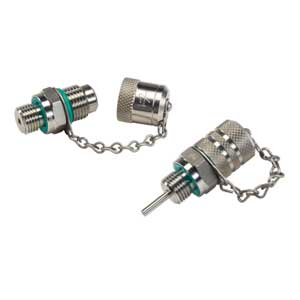
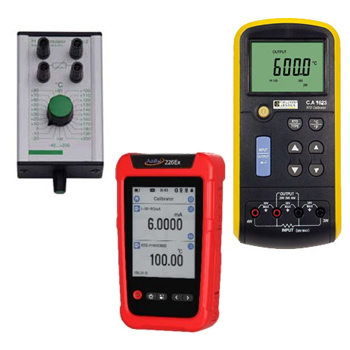
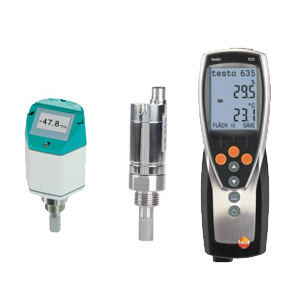
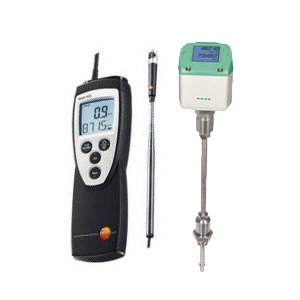
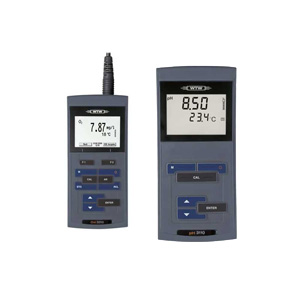
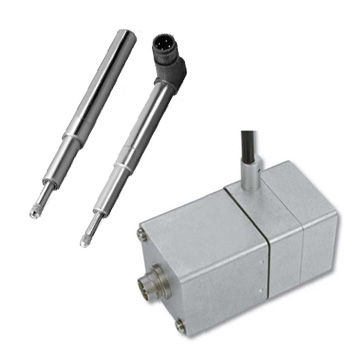
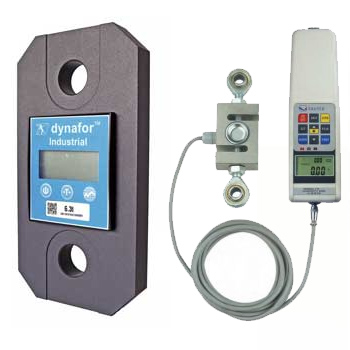
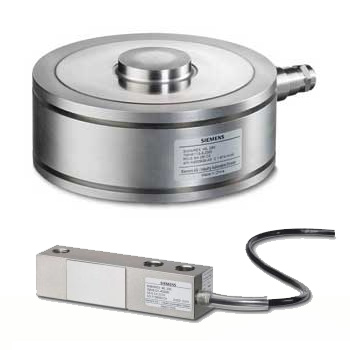
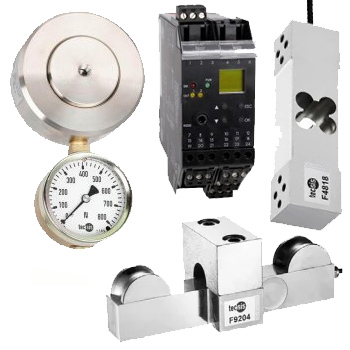
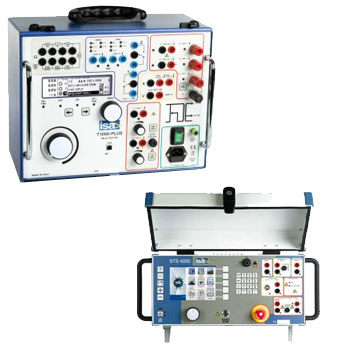
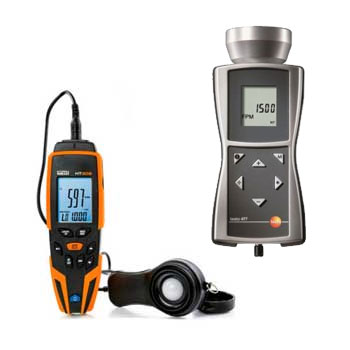
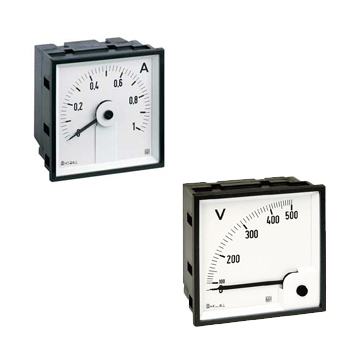
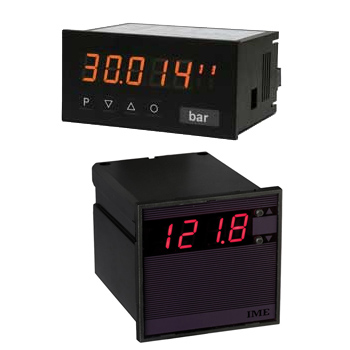
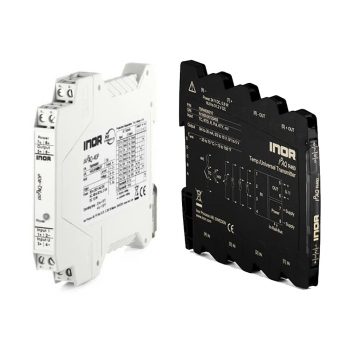
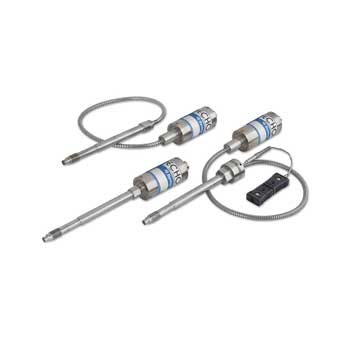
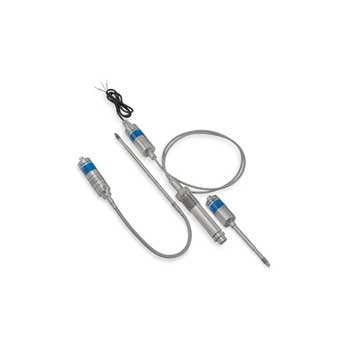
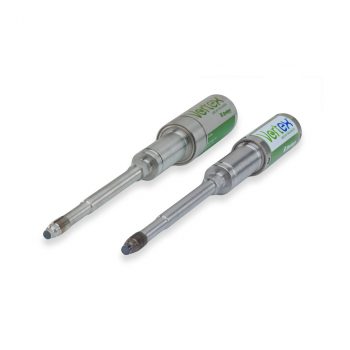
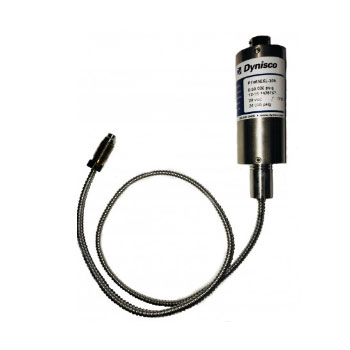
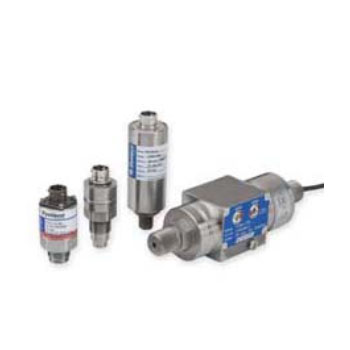
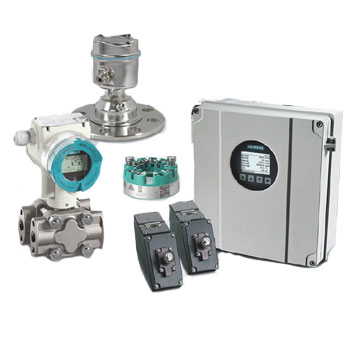
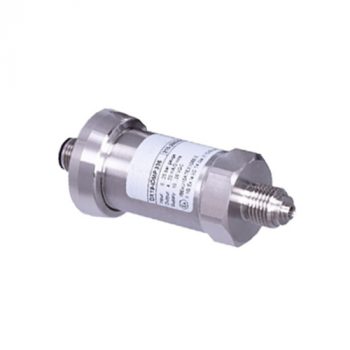
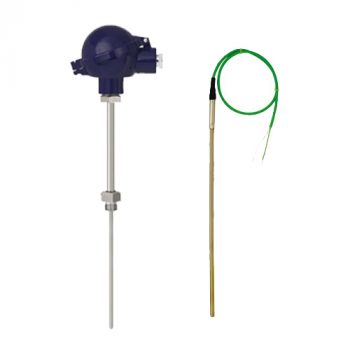
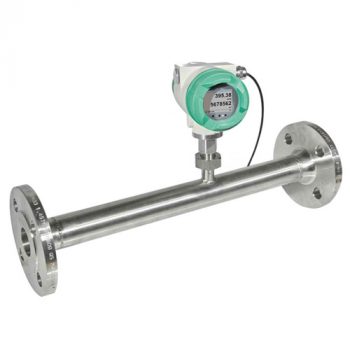
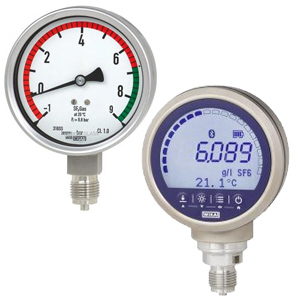
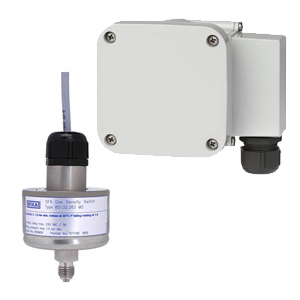
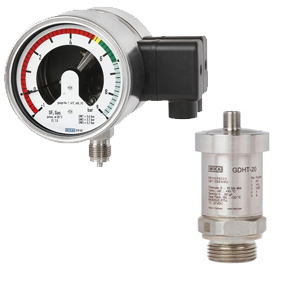
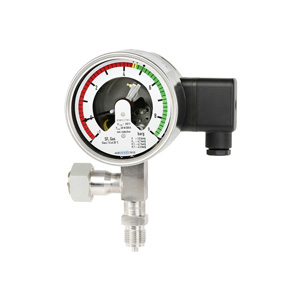
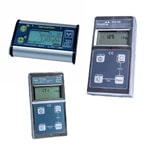
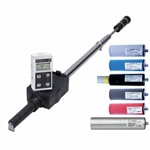
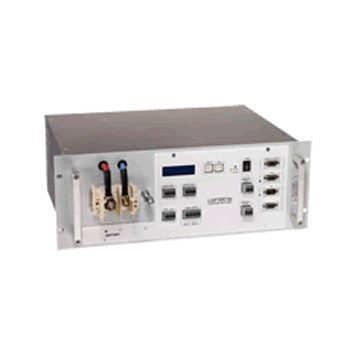
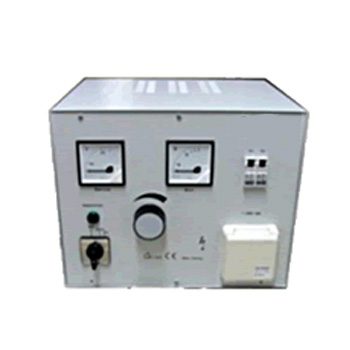
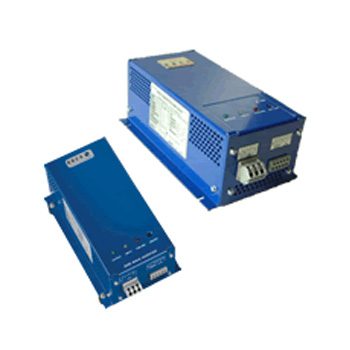
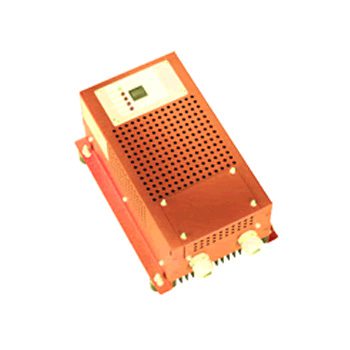

























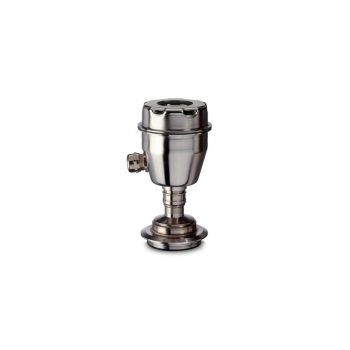
The digital "high performance" pressure transmitter which features remote safety handling and is ready for digitalization - developed according to IEC61508 standards for SIL2/3. Accuracy: 0,04 %


Datasheet
User Manual

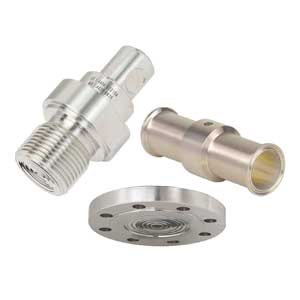
The SITRANS P300 offers measuring precision and ruggedness. Its stainless steel housing with laser-printed nameplate, together with a wide range of hygienic process connections, mean that it is highly suitable for use in the food & beverages industry as well as for pharmaceutical processes.

Datasheet
User Manual

The digital pressure transmitter which features remote safety handling - developed according to IEC61508 standards for SIL2/3. Accuracy: 0,065 %


Datasheet
User Manual


Siemens Process Transmitters – Field Devices for Pressure Measurement

The Siemens SITRANS P process transmitters convert process pressure (gauge, absolute or differential) into standardized electrical signals for monitoring, control and automation purposes. They feature rugged design, modular construction, compatibility with various media (liquids, gases, vapors), and provide high accuracy, diagnostics and safety functionality. This makes them suitable for demanding industrial applications, including hazardous areas.

Questions & Answers on Siemens Process Transmitters

What is a process transmitter?

A process transmitter converts a physical process variable (e.g. pressure) into an electrical output signal (e.g. 4–20 mA, HART, Fieldbus) for transmission to a control or monitoring system. This enables remote monitoring, control and logging of process conditions.

Which types of pressure can Siemens transmitters measure?

SITRANS P transmitters measure gauge pressure, absolute pressure and differential pressure — depending on model and configuration. :contentReference[oaicite:12]{index=12}

What measuring ranges are covered?

Depending on the version, measuring ranges span from a few millibar up to several hundred bar. :contentReference[oaicite:13]{index=13}

For which media are these transmitters suited?

The transmitters are designed for liquids, gases and vapors — whether inert, aggressive or toxic — provided the wetted materials and seals are compatible. :contentReference[oaicite:14]{index=14}

Which output signals and communication protocols are supported?

Depending on variant, analog 4–20 mA, digital protocols like HART, and fieldbus/industrial bus systems such as PROFIBUS PA or FOUNDATION Fieldbus are supported. :contentReference[oaicite:15]{index=15}

How is the configuration and commissioning handled?

Configuration can be done locally via device keypad/display or digitally via HART or fieldbus. Parameters such as measuring range, zero point, damping, alarms and output configuration can be adapted. :contentReference[oaicite:16]{index=16}

Are the transmitters suitable for hazardous (explosive) areas?

Yes — there are variants with explosion protection (e.g. intrinsically safe / Ex i or flameproof enclosure) approved for use in hazardous zones. :contentReference[oaicite:17]{index=17}

How accurate are the measurement results?

The transmitters offer high accuracy, typically in the range of 0.04 % to 0.3 % of full scale, depending on model and pressure range. :contentReference[oaicite:18]{index=18}

How robust are the devices and for which environmental conditions are they designed?

The transmitters are built for harsh industrial environments — resistant to mechanical and chemical stresses, with suitable material and sealing options to handle various media and ambient conditions. :contentReference[oaicite:19]{index=19}

Do they offer diagnostic and maintenance support?

Yes — integrated diagnostics monitor sensor and electronics status, signal quality and process conditions. The devices offer alarms, self-tests and maintenance or calibration reminders, supporting condition-based maintenance and ensuring reliability. :contentReference[oaicite:20]{index=20}

For which applications are Siemens process transmitters especially suitable?

They are ideal for process industries such as chemical, oil & gas, energy, water/wastewater or general processing — wherever reliable, accurate pressure measurement, automation readiness, safety and system integration are required. :contentReference[oaicite:21]{index=21}

What must be considered when selecting a suitable transmitter?

Key factors include: medium type and chemical compatibility, required pressure range, accuracy, process connection, environmental conditions (temperature, pressure, Ex-zone), necessary communication protocol and any relevant safety or certification requirements. Only with proper specification the right device can be selected.

Diese Website benutzt Cookies. Wenn du die Website weiter nutzt, gehen wir von deinem Einverständnis aus.