




























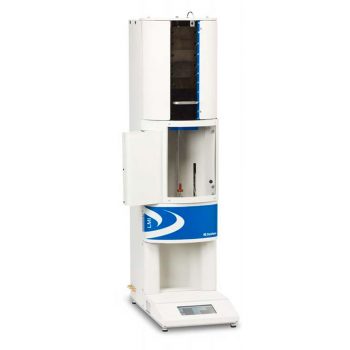
- Integration of an electromechanical auto-lift for automatic weight handling
- Device supports test methods A, A/B, B, C & D
- Also performs Intrinsic Viscosity (IV) determination for PET and ASTM D3364 for PVC materials
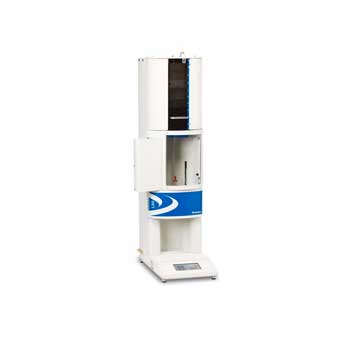
- Side-mounted touchscreen with adjustable position (available on left or right)
- Updated hardware architecture for faster and smoother performance
- Dedicated front power switch to ensure all data is saved before shutdown
- LMI6000 is configurable for both single and multi-weight testing
Datasheet
|
User Manual
|
- Melt flow indexer for determining melt flow rate and material properties
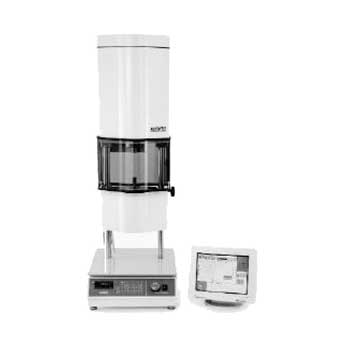
- Dynisco LMI Series with colour touch screen and user-friendly interface
- Meets international standards such as ASTM D1238, ASTM D3364, ISO 1133, BS2782, DIN 53735 and JIS K7210
- Suitable for melt index, shear stress, shear rate, viscosity and apparent melt density measurements
- Semi-automated pneumatic weight lift system optionally available
- Stackable weights from 0.325 to 31.6 kg for different test requirements
- Force Packer option for consistent material packing
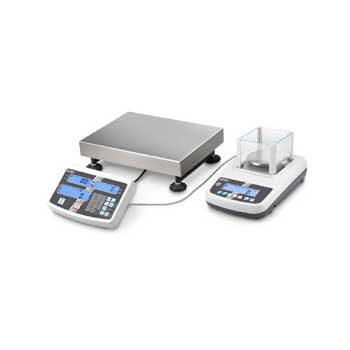
- USB connectivity for data storage, scale integration, networking and printing
- 100 program storage capability with software option
- Modular options from base model to fully integrated analyzer
Datasheet
|
Melt Flow Index Testing Devices
Melt flow index testers measure the flow characteristics of thermoplastic materials. They determine how much molten polymer passes through a standardized die under controlled temperature and load. The resulting values, such as melt mass-flow rate (MFR) or melt volume-flow rate (MVR), indicate material consistency, processability and quality. These instruments are essential for quality control, material evaluation and process optimization in plastics manufacturing.
Questions & Answers on Melt Flow Index Testers
What does a melt flow index tester do?
It measures the amount of molten polymer extruded through a die within a defined time to assess the flowability of the material.
What do MFR and MVR represent?
MFR expresses the extruded mass per time unit, while MVR indicates the respective volume. Both describe the melt flow behavior of a polymer.
How is the test performed?
The polymer is melted in a heated chamber and pushed through a die using a defined load. The extruded material is collected and analyzed for mass or volume.
Why is melt-flow testing important?
It reveals processing characteristics, batch consistency and suitability of a plastic material for extrusion or molding.
Where are these devices used?
In laboratories of plastics processors, material suppliers, quality control departments, research facilities and recycling operations.
Which materials can be tested?
All common thermoplastic polymers, regardless of color, filler content or additives.
How accurate are modern testers?
They provide high repeatability, accurate temperature control and precise load application.
Can melt flow testing indicate production issues?
It can highlight viscosity variations that might cause quality deviations, instability or flow problems during processing.
What influences the test outcome?
Temperature, load, material homogeneity, moisture content and additive composition.
Who benefits most from these devices?
Plastics processors, raw-material manufacturers, laboratories and quality-management teams that require consistent material behavior.

Datasheet
Datasheet