
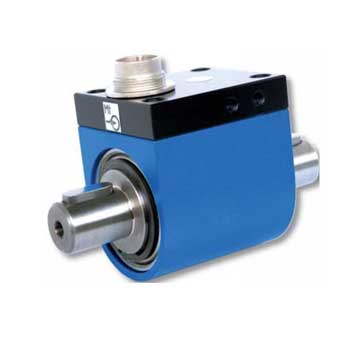
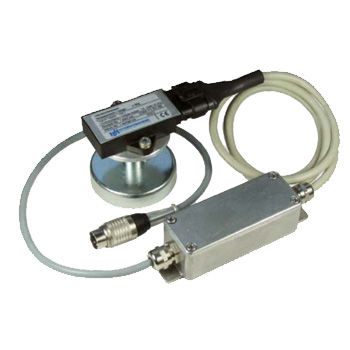
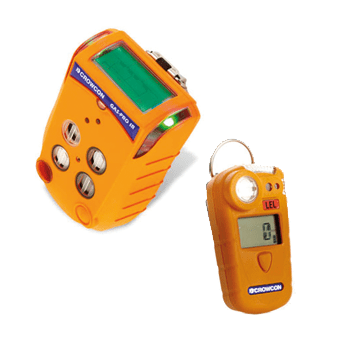
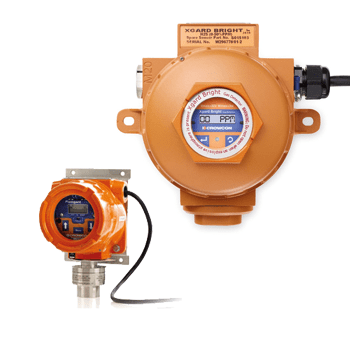
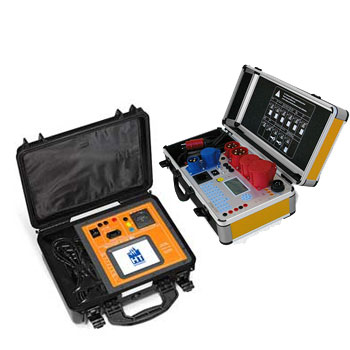
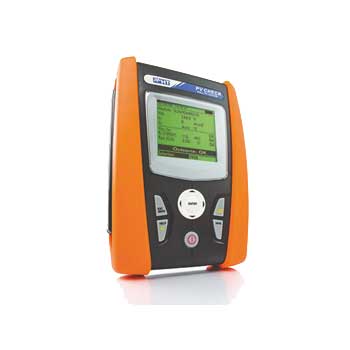
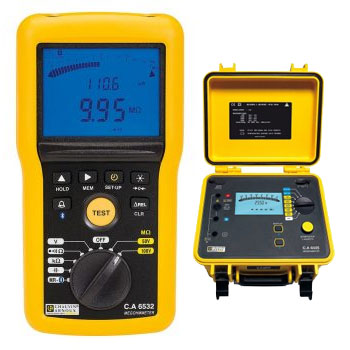
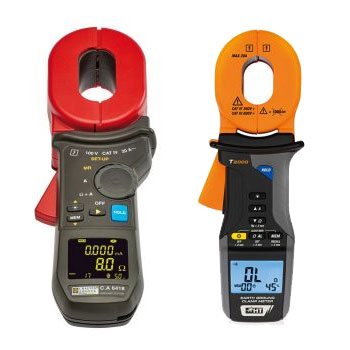

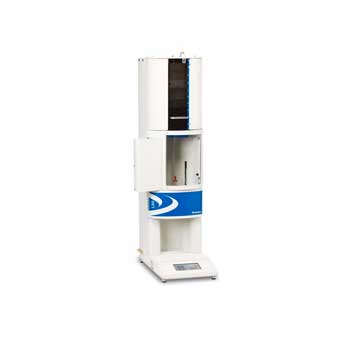
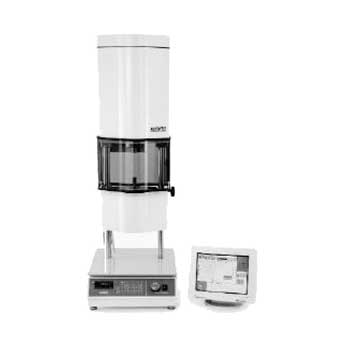

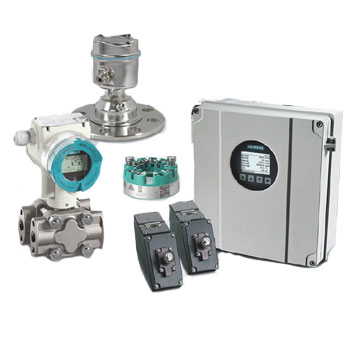
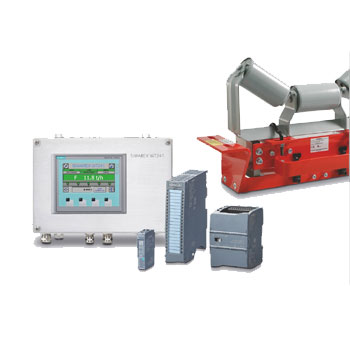
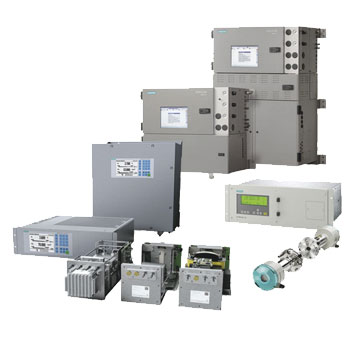
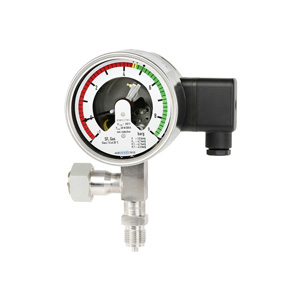
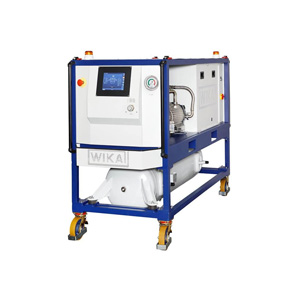
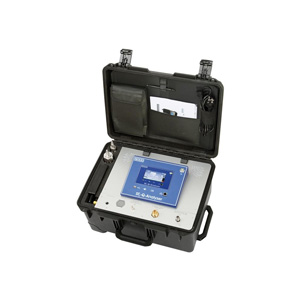
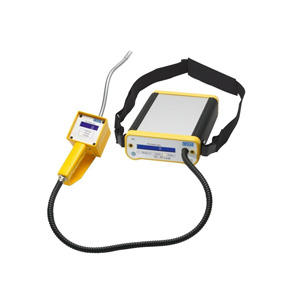
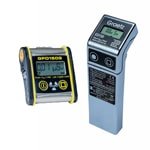

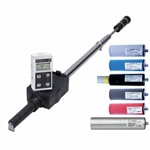
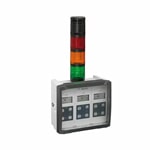
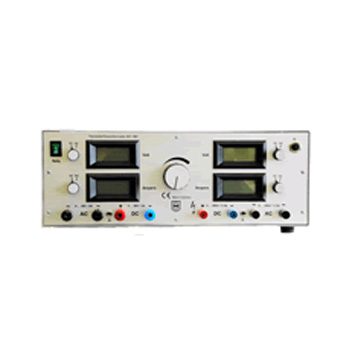
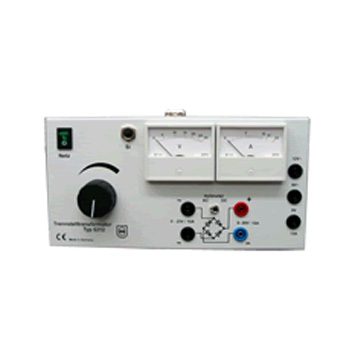
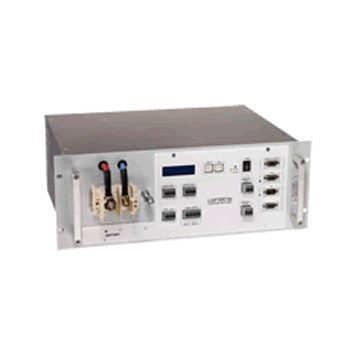
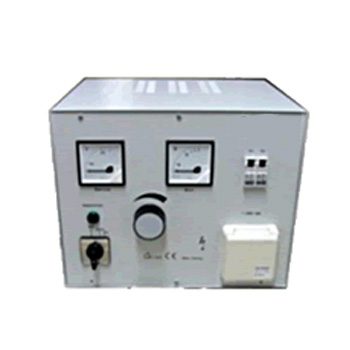
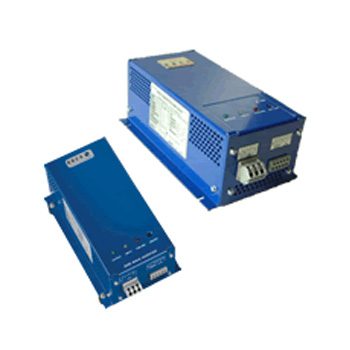
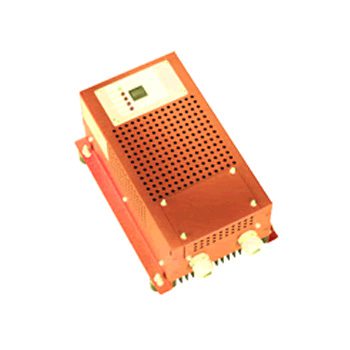



























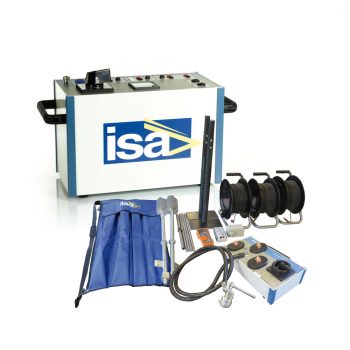
eKAM is the new fully automatic electronic primary injection test equipment. e KAM test system includes two portable units: one control unit with a large graphical display, that adjusts the output, and one current unit (up to 2000, 3000, 5000A). It can also perform Step and Touch tests and ground resistance tests.

Datasheet

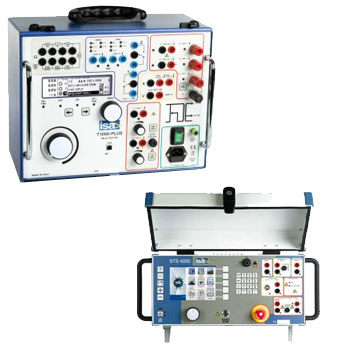
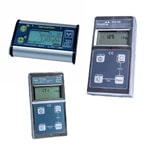
STS 4000 is a multifunction substation maintenance & commissioning test system for current, voltage and power transformers, designed to perform primary tests requested in substations commissioning. It allows to perform accurate tests on CTs, VTs, PTs and ground grid.

Datasheet

STLG + STSG + Ground grid accessories The kit applyed with STS 5000, STS 4000 or eKAM, allows to perform the following types of test: soil resistivity, ground grid resistance, step and touch tests and overhead lines zero sequence and mutual coupling coefficients

Datasheet

STS 5000 is a multifunction substation maintenance & commissioning test system for current, voltage and power transformers designed to perform primary tests requested in substations commissioning. It allows to perform accurate tests on CTs, VTs, PTs and ground grid.

Datasheet


Ground Grid Testing

Ground Grid Testing encompasses test procedures for verifying the grounding system of substations, switchgear, industrial or power supply installations. Its aim is to ensure the integrity, conductivity and safety of the earthing structure — both for the dissipation of fault currents or lightning surges and for the safety of personnel by checking step and touch potentials.

FAQ

What is a ground grid?

A ground grid is a buried network of interconnected conductors that connects metal structures, equipment foundations and protective devices to earth, allowing fault currents or surges to safely dissipate.

Why is ground grid testing important?

It verifies that the grounding system functions properly — i.e. it confirms low-resistance connection to earth, integrity of all conductors, and that step and touch voltages remain within safe limits under fault conditions.

Which test methods are used?

Common methods include earth resistance / ground impedance measurement, soil resistivity testing, ground-grid continuity (integrity) tests and step-/touch-voltage measurements.

How is ground grid integrity tested?

By injecting a test current and measuring voltage drop or resistance between different grounding points — this reveals breakages, corrosion or poor connections.

What does impedance or earth resistance testing measure?

It measures how well the grounding system can conduct fault currents into earth. Low impedance/resistance indicates a reliable earth return; high values indicate possible hazards or deficiencies.

What are step and touch voltages and why matter?

Step voltage refers to potential difference between two points on the ground a step apart; touch voltage refers to difference between a grounded object and ground. They must be controlled to avoid electric shock risks for personnel.

When should grounding tests be carried out?

After construction or modification of grounding systems, after fault events (short-circuits, lightning), and regularly as part of maintenance or safety inspection schedules.

Who should perform ground grid testing?

Qualified personnel experienced in grounding systems, protection engineering and high/medium-voltage installations, using appropriate test instruments and safety gear.

What documentation is required after testing?

A test report including test location, method, measured values (resistance, impedance, step/touch voltages), soil conditions, date and responsible tester. Ground-grid layout plans as reference are recommended.

What must be done if grounding does not meet requirements?

The grounding network must be repaired or extended — e.g. by re-connecting conductors, adding grounding rods, improving soil contact or renewing connections — followed by a re-test to confirm compliance.

How can soil conditions affect test results?

Soil resistivity, moisture, temperature and composition heavily influence grounding performance. Soil resistivity tests help assess soil suitability and support accurate grounding design and evaluation.

Why is regular testing of grounding systems necessary?

Over time, corrosion, grounding degradation, soil changes or mechanical damage can impair grounding. Regular inspections ensure that safety and protective functions remain effective.

Diese Website benutzt Cookies. Wenn du die Website weiter nutzt, gehen wir von deinem Einverständnis aus.