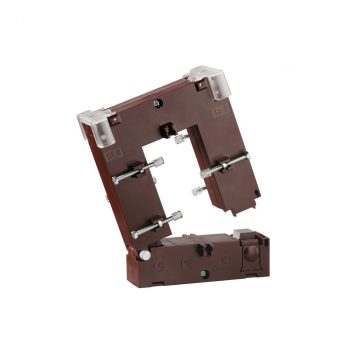



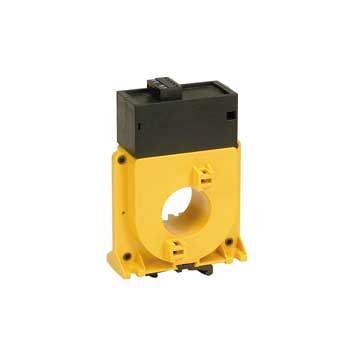
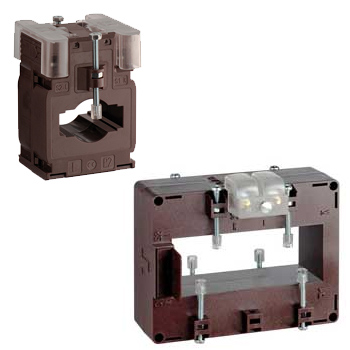
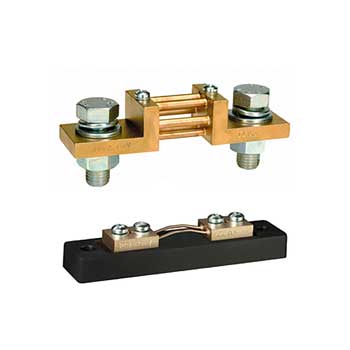
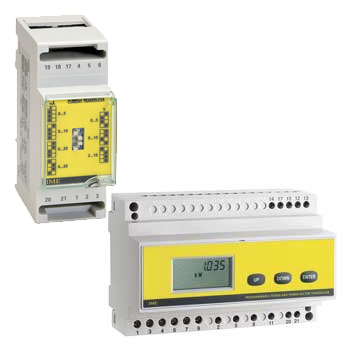




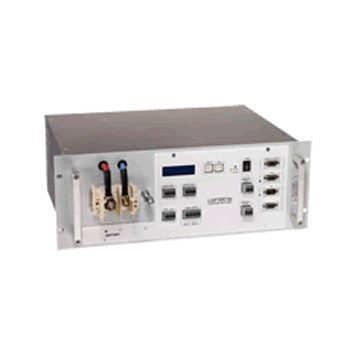




























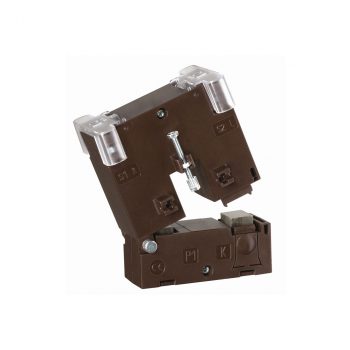
Open core single-phase current transformer - measurement
CABLE/PASSING BUS BAR 20×30 mm
TYPE Open core single-phase current transformer - measurement
RATIO 400/1 A
PERFORMANCE 2,5/6 VA
Datasheet

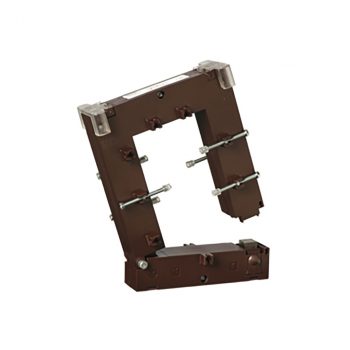
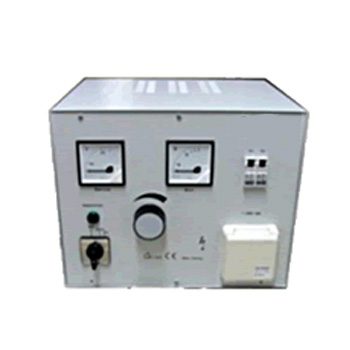
Open core single-phase current transformer - measurement
CABLE/PASSING BUS BAR 50×80 mm
TYPE Open core single-phase current transformer - measurement
RATIO 250/1 A
PERFORMANCE 1/2 VA
Datasheet

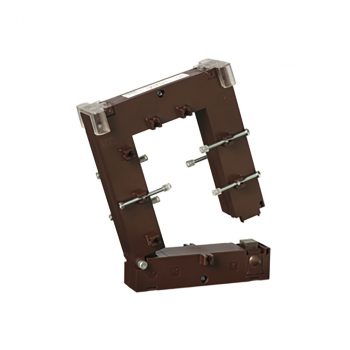
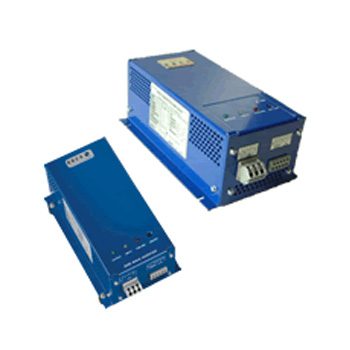
Open core single-phase current transformer - measurement
CABLE/PASSING BUS BAR 80×120 mm
TYPE Open core single-phase current transformer - measurement
RATIO 500/1 A
PERFORMANCE 4/12 VA
Datasheet

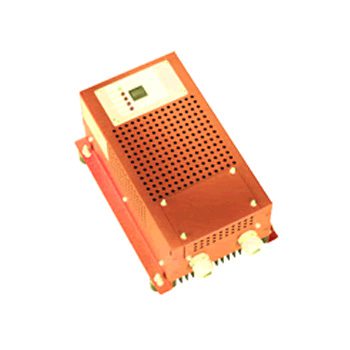
Open core single-phase current transformer - measurement
CABLE/PASSING BUS BAR 80×160 mm
TYPE Open core single-phase current transformer - measurement
RATIO 2000/5 A
PERFORMANCE 15/20 VA
Datasheet

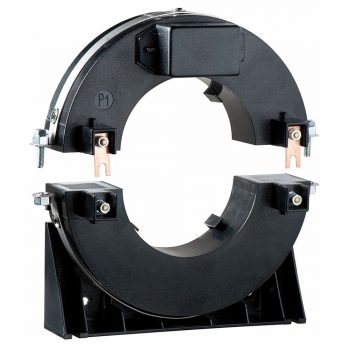
CABLE/PASSING BUS BAR ø 110 mm
TYPE Open core single-phase current transformer - measurement
RATIO 300/5 A
PERFORMANCE 5 VA
Datasheet

CABLE/PASSING BUS BAR ø 150 mm
TYPE Open core single-phase current transformer - measurement
RATIO 120/5 A
PERFORMANCE 3 VA
Datasheet


Split-Core Current Transformers (Split CTs)

Split-core current transformers are CTs with a detachable or hingeable core, allowing them to be installed around an existing conductor or busbar without interrupting the circuit. They output a standardized secondary current (e.g. 1 A or 5 A), suitable for meters, monitoring devices or energy measurement systems. This design makes them especially convenient for retrofits, maintenance or wherever quick installation without shutdown is required.

Questions & Answers

What is a split-core current transformer?

It is a current transformer whose magnetic core can be opened and closed around a conductor — enabling installation without opening or rewiring the primary circuit.

When is a split-core CT useful?

When you need to add current measurement to an existing installation without interrupting power — e.g. for retrofitting, maintenance, temporary measurements or monitoring in operational systems.

What secondary current outputs are common?

Standardized secondary outputs are often 1 A or 5 A, making the CT compatible with most meters, energy monitors or control devices.

How is installation performed?

The CT is opened, placed around the conductor, closed and secured. The secondary circuit must be connected to a load or meter — it must never be left open.

What are the advantages of split-core CTs?

Installation without power shutdown, reusability, suitability for retrofit or existing installations, and relatively simple integration into energy or load monitoring setups.

What are the potential disadvantages compared to fixed CTs?

Accuracy may be slightly reduced, especially if the conductor isn’t perfectly centered in the core. For high-precision measurements or critical protection tasks, fixed and more precisely manufactured CTs may be preferable.

For which applications are split-core CTs suitable?

Energy monitoring, load logging, retrofit installations, temporary measurements, distribution panels or any situation where measurement needs to be added without downtime.

What must be considered during installation and operation?

The conductor must fit correctly, the core must be closed securely, the secondary circuit must be permanently loaded, and the CT must be rated appropriately for the expected current range.

How reliable are measurements with split-core CTs?

For standard monitoring, energy consumption and load analysis, measurements are sufficiently reliable. For high-precision or billing-grade measurements, evaluation of the CT’s specifications is recommended.

Diese Website benutzt Cookies. Wenn du die Website weiter nutzt, gehen wir von deinem Einverständnis aus.