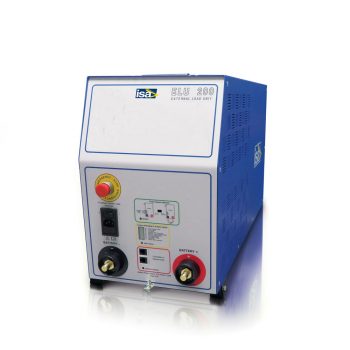



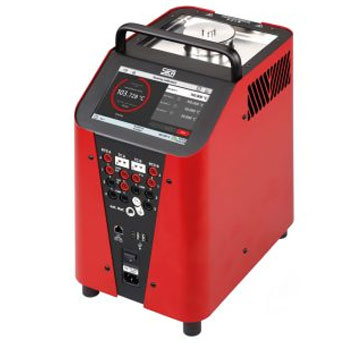


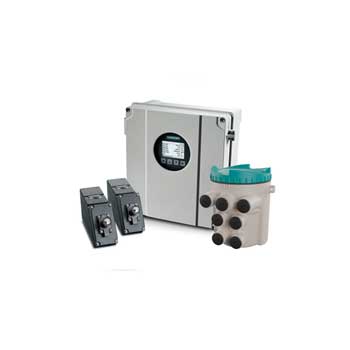
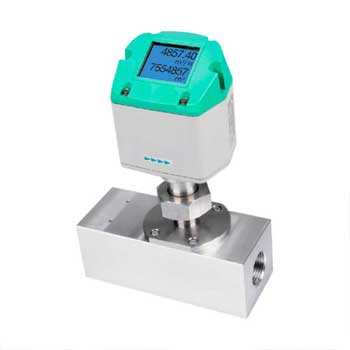

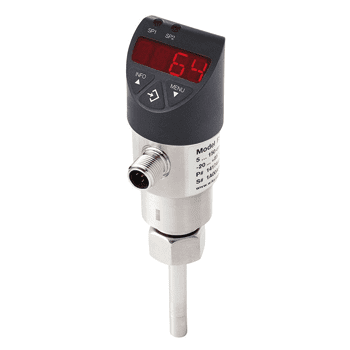
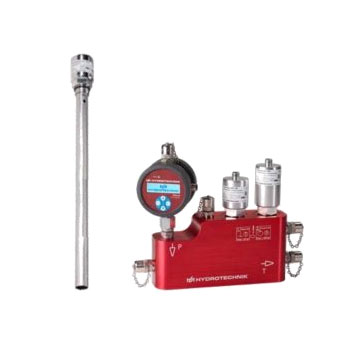











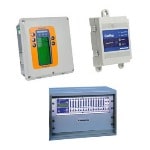
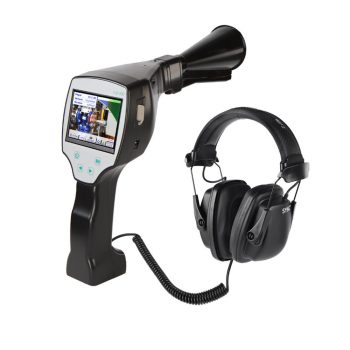
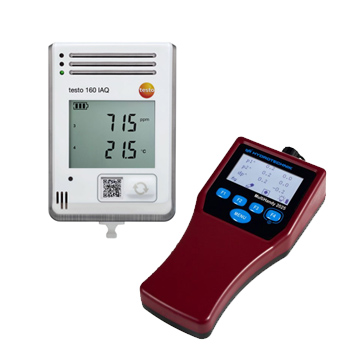
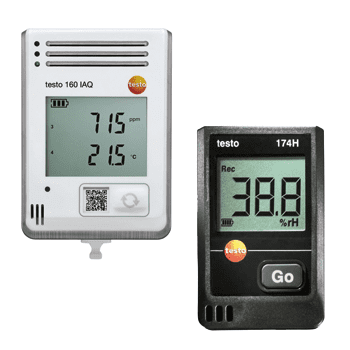
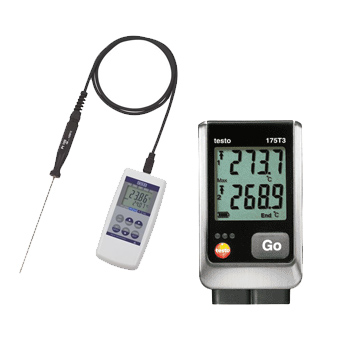
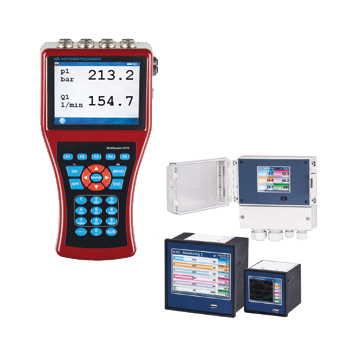
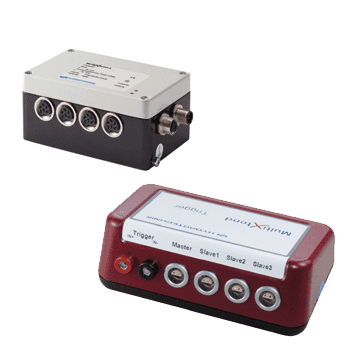

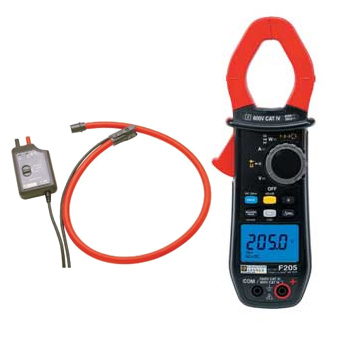



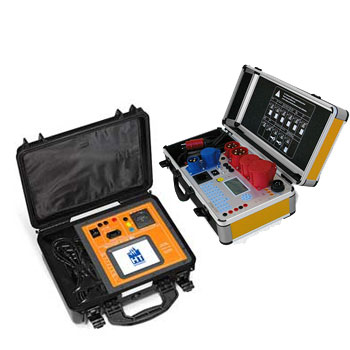

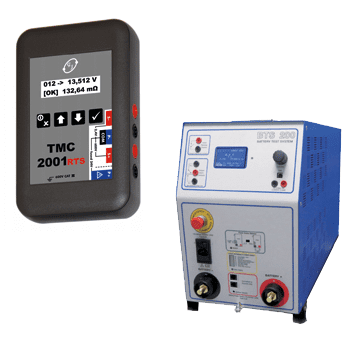

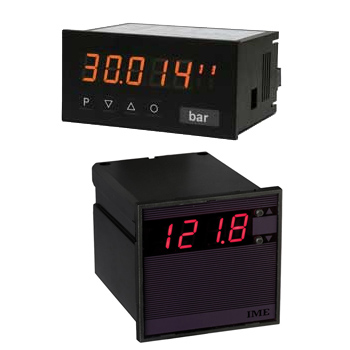

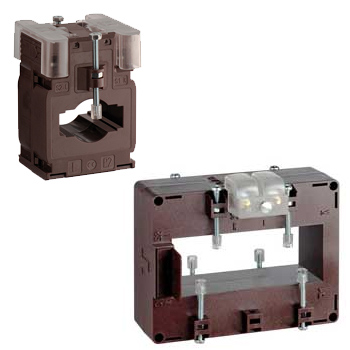

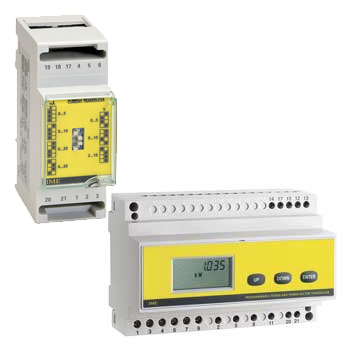
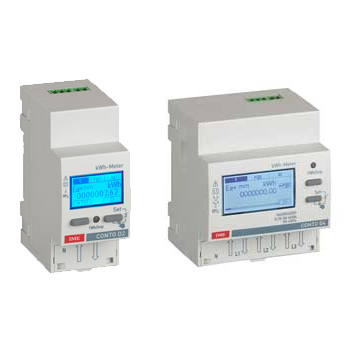
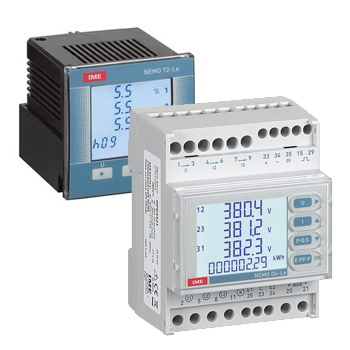
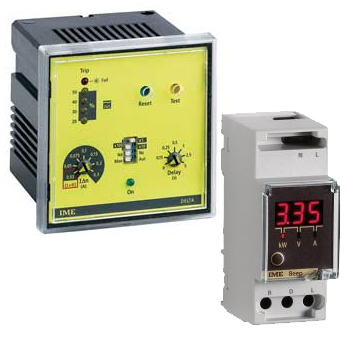
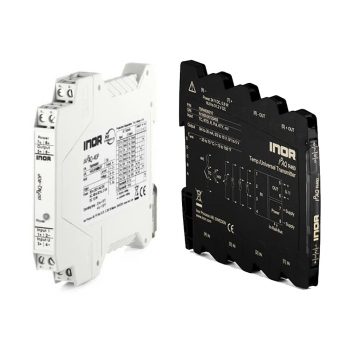





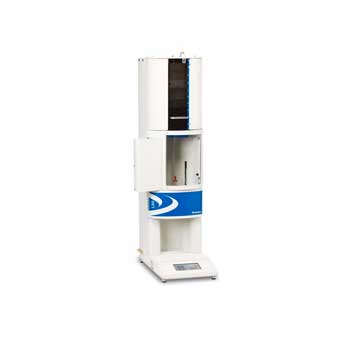
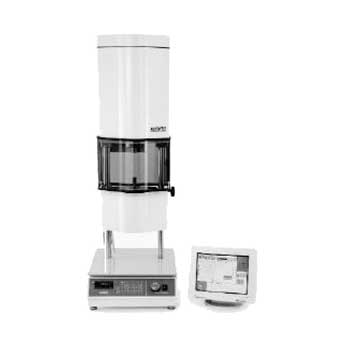

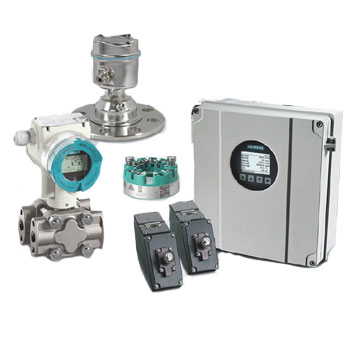
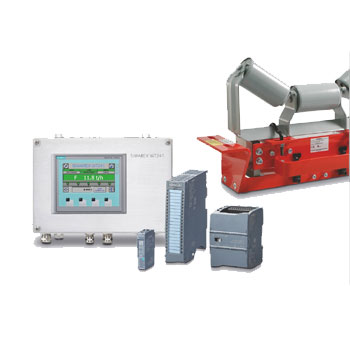
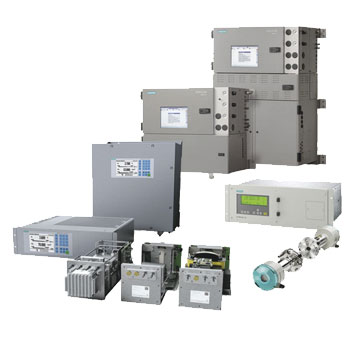
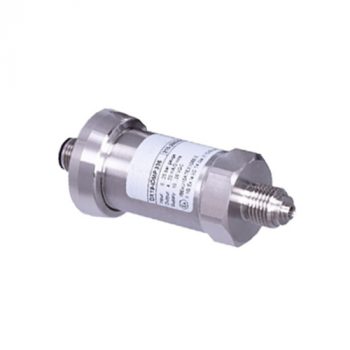
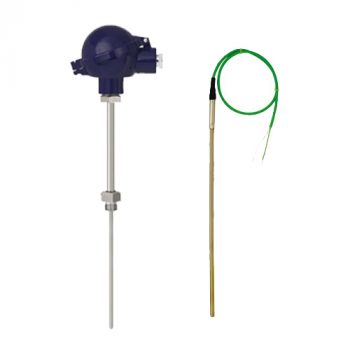

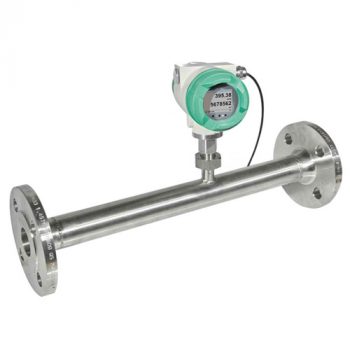



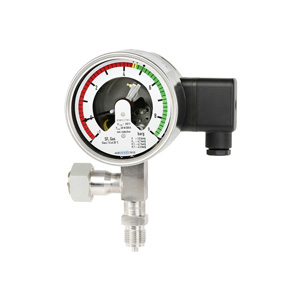
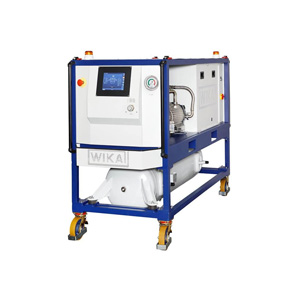
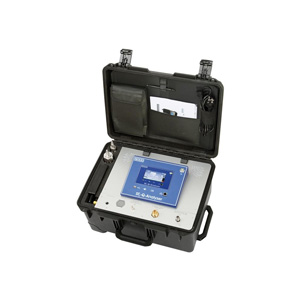
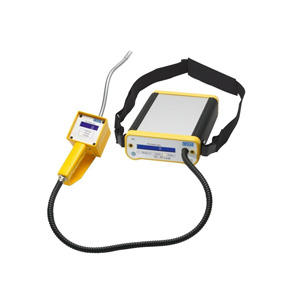
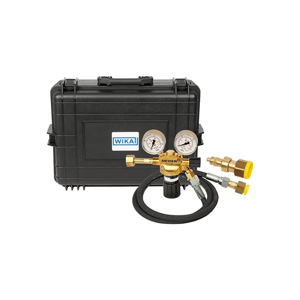
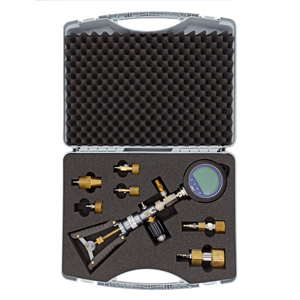
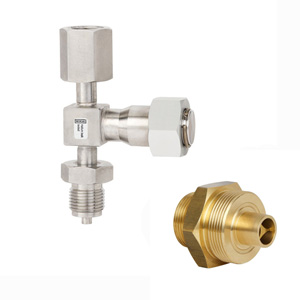






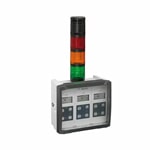
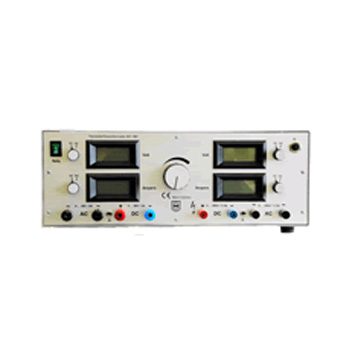
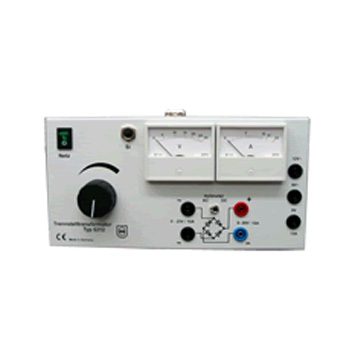
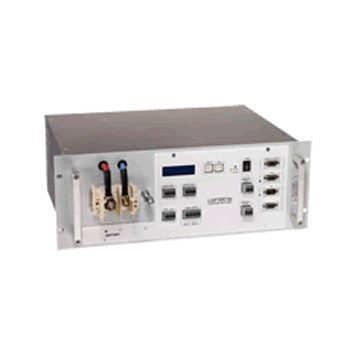
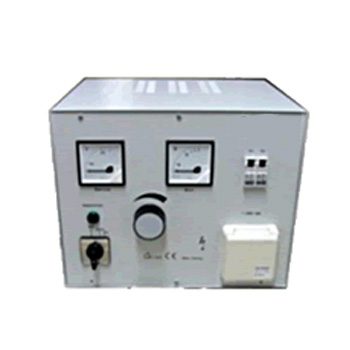
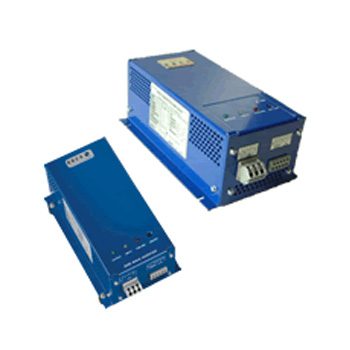
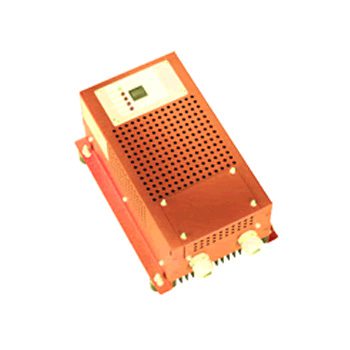





























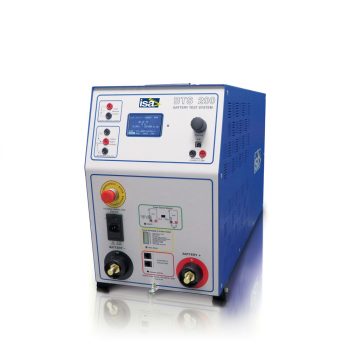
This testing and maintaining battery system allows to perform measurement of battery voltage, discharging current test and testing of battery capacity. BTS 200 can be connected with external load unit ELU 200.
Datasheet
During testing and maintaining activities on battery system, this external load unit can be connected to BTS 200 when a higher load current is necessary. This extra load allows different configuration to set the discharging current at different voltage level.
Battery Testing
Battery testing systems for power supply applications are used to assess the condition, performance and long-term stability of stationary battery banks and DC systems. They evaluate individual cells and strings in terms of voltage, internal resistance, capacity, temperature behaviour and discharge characteristics under defined load conditions. The objective is to ensure the readiness of UPS systems, backup power and protection supplies and to detect ageing or damaged batteries at an early stage.
FAQ
What is meant by battery testing in power supply systems?
Battery testing refers to measurement and test procedures used to evaluate the condition of stationary batteries and battery strings in DC systems such as UPS, substation control power or emergency backup systems.
Which types of batteries are typically tested?
Commonly tested are lead-acid batteries (flooded and VRLA), nickel-cadmium batteries and, in some cases, lithium-based systems used in stationary DC or backup applications.
Which key parameters are measured?
Typical parameters are cell and string voltage, internal resistance or conductance, discharge current, capacity, temperature, and voltage profile during discharge and recharge.
What is the difference between internal resistance testing and capacity testing?
Internal resistance testing provides a fast indication of cell condition and ageing, while capacity testing via controlled discharge determines the actual usable capacity (Ah/Wh) under defined load conditions.
Why is internal resistance a critical health indicator?
Increasing internal resistance indicates ageing effects such as sulfation, corrosion or electrode degradation, leading to higher voltage drop under load and reduced available power.
What is a capacity (discharge) test?
In a capacity test, the battery is discharged with defined current or power for a specified time or down to a defined end voltage. The delivered capacity is compared with the rated value to determine actual performance.
When should full discharge tests be performed?
Full discharge tests are typically performed at commissioning, after battery replacement, in defined maintenance intervals or when capacity loss is suspected. They require careful planning, as the system temporarily operates without full backup.
Why is temperature monitoring important?
Temperature strongly affects voltage, internal resistance and lifetime. Uneven temperature distribution within a string can indicate local issues; long-term operation at elevated temperature accelerates ageing.
What is the role of continuous battery monitoring systems?
Monitoring systems continuously record cell voltages, internal resistance, temperature and sometimes current. They provide early warning of degradation, support trend analysis and reduce the need for frequent manual testing.
What are common test strategies for large battery banks?
Often a combination of periodic internal resistance tests, regular visual inspections, temperature checks, verification of charger settings and scheduled capacity tests on selected or all strings is used.
How often should stationary batteries be tested?
Intervals depend on application and criticality. Typically, internal resistance or conductance tests are done annually or more frequently, while full discharge tests may be scheduled every few years or according to standards and manufacturer recommendations.
Which safety aspects are important during battery testing?
Use appropriate personal protective equipment, ensure proper ventilation, avoid short circuits and sparks, use correctly rated test leads and disconnect or isolate circuits as required. Special care is needed when handling electrolyte or working in confined battery rooms.
How are test results evaluated and documented?
Measured values are compared to baseline or reference data and evaluated in trend curves over several test cycles. Structured test reports with all values, conditions, dates and conclusions are essential for audits and maintenance planning.
What are typical signs of aged or damaged cells?
Elevated internal resistance, reduced capacity, irregular cell voltages, abnormal temperature behaviour, corrosion on terminals or connectors and repeated low-voltage alarms under load.
Why should individual cells be tested instead of only the whole string?
Single weak cells can limit the performance of the entire string. Cell-level testing allows detection and targeted replacement of problematic cells before they cause system-wide failure.
What is the influence of the charger on battery condition?
Incorrect float or boost voltage, missing temperature compensation or insufficient charging current can significantly reduce battery lifetime. Checking charger settings is an essential part of battery testing.
What must be considered when returning the battery to service after a test?
After discharge testing, batteries must be fully recharged under controlled conditions. Charging parameters, temperature and voltage trends should be monitored until normal operating conditions are restored.
Who should perform battery tests in power supply installations?
Battery testing should be carried out by qualified personnel familiar with DC power systems, battery technology, safety procedures and the correct use of load and test equipment.