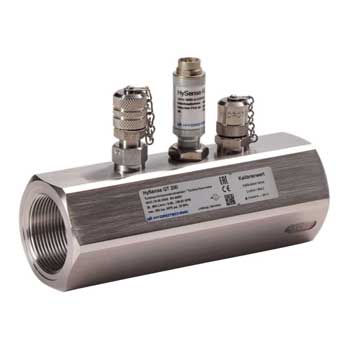
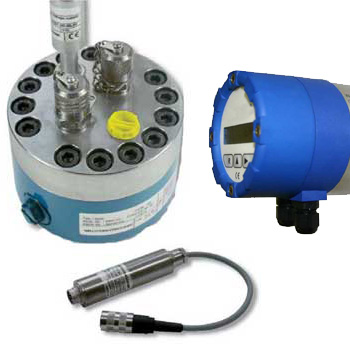
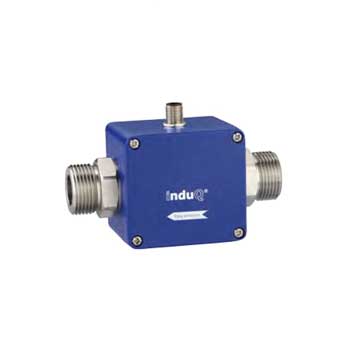
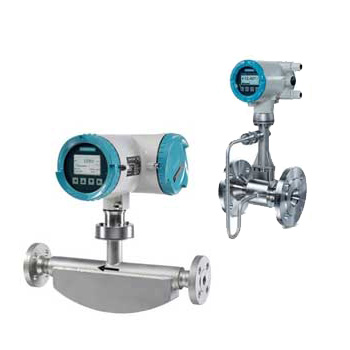
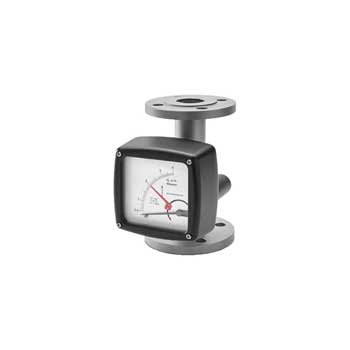
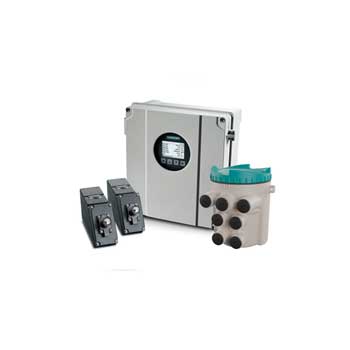
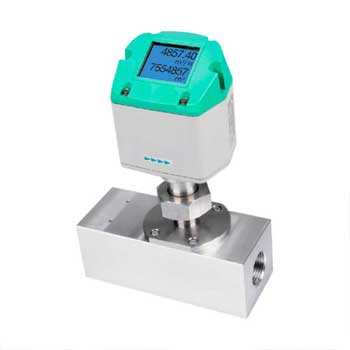
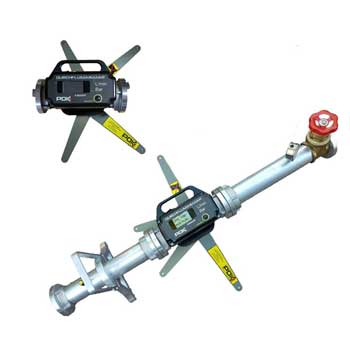
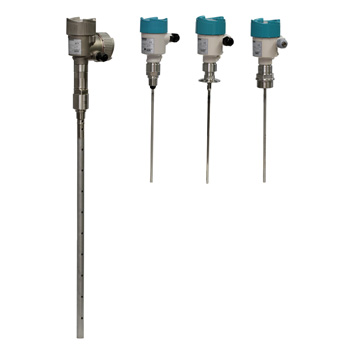
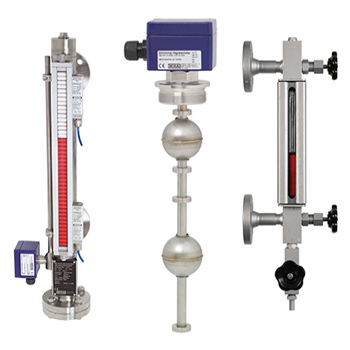
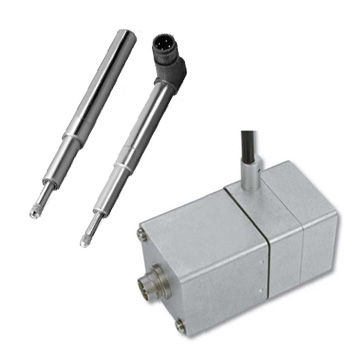
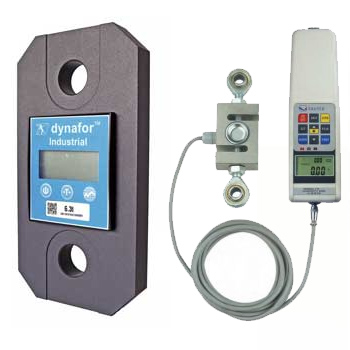
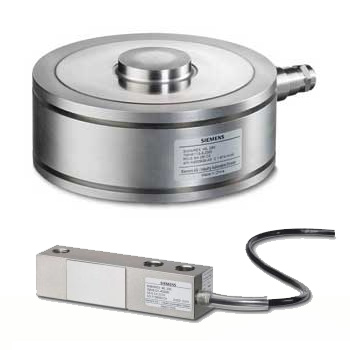
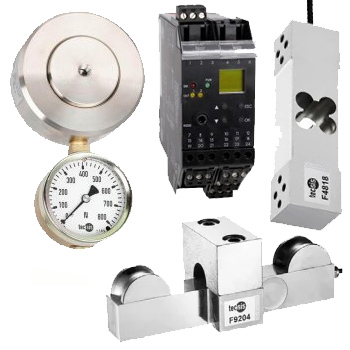
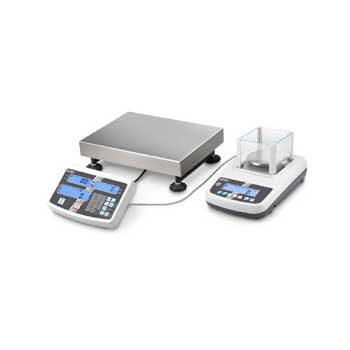
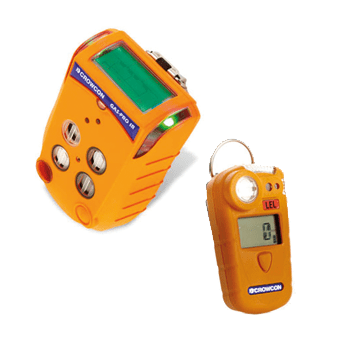
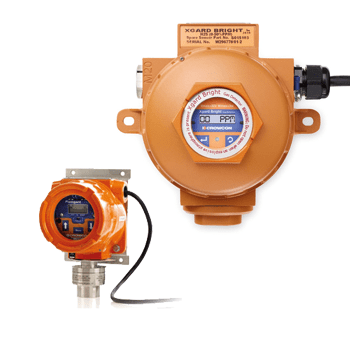
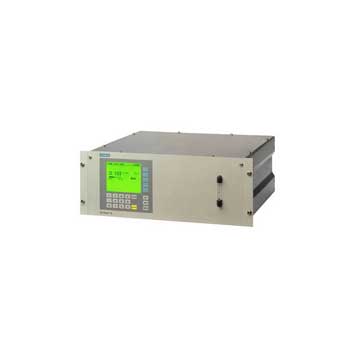
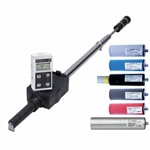
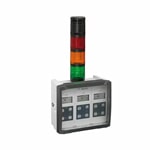
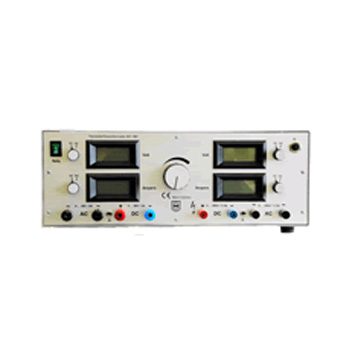
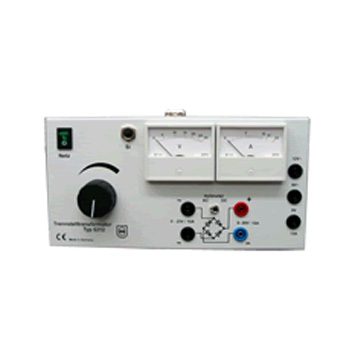
























• High accuracy
  • High turndown ratio: 100–10% of capacity
  • Corrosion-resistant components
  • Fast and easy belt removal for replacement or cleaning
  • Simple installation, easy to clean and maintain
Datasheet


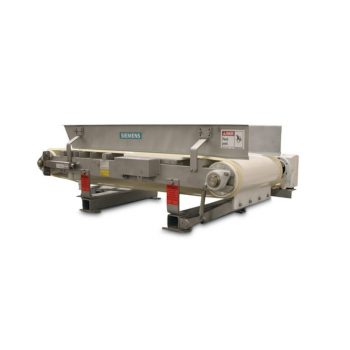
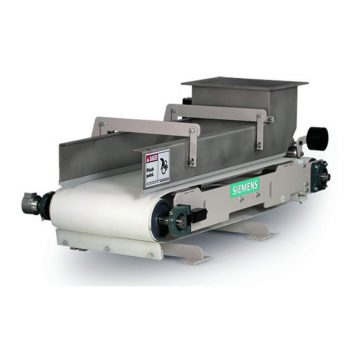
Siemens Dosier Belt Scales – Continuous Dosing and Material Flow Control

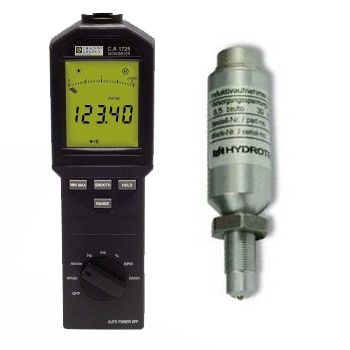
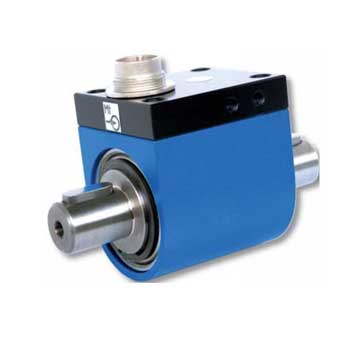
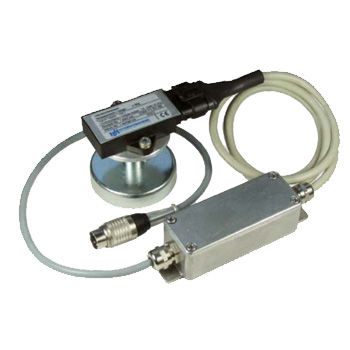
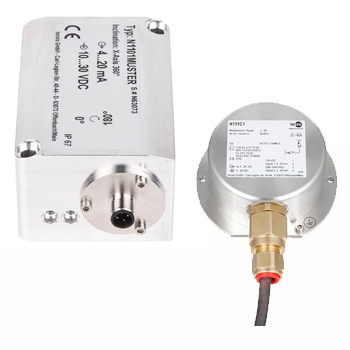
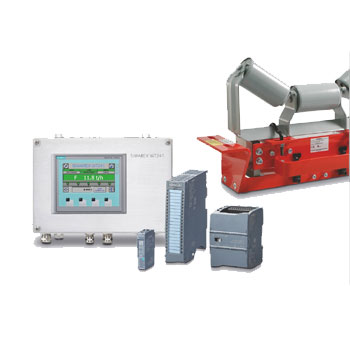
Siemens dosing belt scales (weigh-feeders / belt weighers) enable continuous measurement and dosing of bulk materials conveyed on a belt. The system combines a weigh bridge with load cells under the belt and a speed sensor. Integrated electronics calculate the real-time mass flow (e.g. t/h) and the total conveyed mass, and — if equipped — allow controlled material feed, e.g. by adjusting belt speed or feed gate. These systems are designed for industrial processes, offer high accuracy and are optimized for continuous operation. :contentReference[oaicite:11]{index=11}

FAQ on Siemens Dosing Belt Scales

How does a dosing belt scale work?

A dosing belt scale consists of a weigh bridge with load cells under the conveyor belt and a speed sensor that measures belt velocity. The load cells register the instantaneous load (mass per unit belt length); the speed sensor generates pulses proportional to the belt travel distance. The electronics multiply load × speed to calculate the mass flow and integrate over time to determine the total conveyed mass. :contentReference[oaicite:12]{index=12}

How does a dosing belt scale differ from a static scale?

Unlike static scales, where a container or batch is weighed at rest, a dosing belt scale operates inline during the conveying process. The material flow is not interrupted — dosing and quantity measurement happen continuously while material moves on the belt. This makes dosing belt scales especially suitable for continuous processes such as dosing, mixing feed, bulk material transport or flow monitoring. :contentReference[oaicite:13]{index=13}

For which applications is a dosing belt scale suitable?

They are suited for industrial bulk materials such as powders, granules, aggregates, raw materials, sand, gravel, minerals or any loose materials. Typical industries include building materials, cement and concrete production, raw material processing, recycling, agriculture or any application with continuous material feed and dosing requirements. :contentReference[oaicite:14]{index=14}

What is the typical accuracy of dosing belt scales?

Depending on design and calibration, modern dosing belt scales provide good accuracy and repeatability. With proper setup and calibration, an accuracy around ± 1 % or better over a defined throughput range is achievable in practical operation. :contentReference[oaicite:15]{index=15}

How can the dosing rate be controlled?

The dosing belt scale can control the feed rate by changing belt speed or — depending on design — adjusting a feed gate or feed feeder. The measured flow rate is compared to a target setpoint; a control unit (e.g. with PID regulation) adjusts belt speed or feed mechanism to maintain the desired flow rate. :contentReference[oaicite:16]{index=16}

Which main components belong to a dosing belt scale?

Core components are: a weigh bridge with load cells under the belt, a belt speed sensor (often at tail or bend pulley), a belt scale integrator/electronics, the conveyor belt and mechanical structure including belt guidance and optionally feed regulation equipment (e.g. feed gate or controlled feed inlet). :contentReference[oaicite:17]{index=17}

What are the requirements for the conveyor section to install a dosing belt scale?

The conveyor section should ideally be straight, horizontal and free of curves or slopes. There must be adequate distance before and after the weighing zone to pulleys or loading points. The belt must run stable and vibration-free, and the supporting structure must remain rigid under load to ensure reliable results. :contentReference[oaicite:18]{index=18}

How is a dosing belt scale calibrated or commissioned?

Calibration involves zero-set with empty belt, then span calibration using reference load or test material. Optionally, a dynamic calibration with a test chain or verification load may be used to verify throughput and electronics integration. Regular inspection of belt tension, belt tracking, sensor function and maintenance is required to maintain long-term accuracy. :contentReference[oaicite:19]{index=19}

Which advantages does a dosing belt scale offer in process control?

It enables continuous, automated material dosing and flow regulation, reduces manual intervention, ensures stable production rates, simplifies material inventory and process control as well as supports control of mixture ratios, batch dosing or continuous feed. Furthermore, inline measurement avoids interruptions and reduces downtime while delivering reliable amount tracking. :contentReference[oaicite:20]{index=20}

What are the limitations and requirements for using a dosing belt scale?

The conveyor and belt structure must be rigid and stable; belt tracking, idler alignment and belt tension must be properly maintained, otherwise measurement errors or signal disturbances may occur. Vibrations, abrupt load changes, uneven material flow or unsuitable belt curvature can degrade accuracy. In addition, regular calibration and maintenance (belt cleaning, sensor check, structural inspection) is necessary — besonders bei abrasiven oder staubigen Materialien. :contentReference[oaicite:21]{index=21}

Diese Website benutzt Cookies. Wenn du die Website weiter nutzt, gehen wir von deinem Einverständnis aus.