








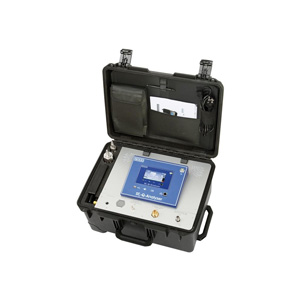
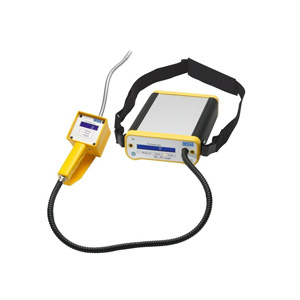
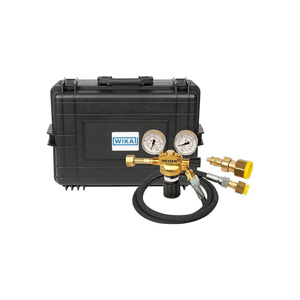
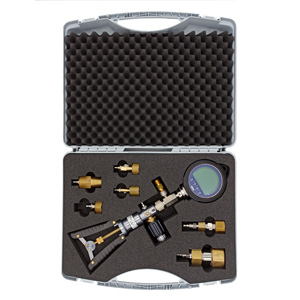
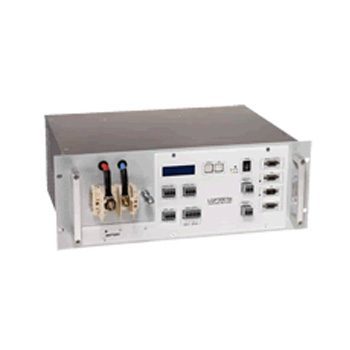

























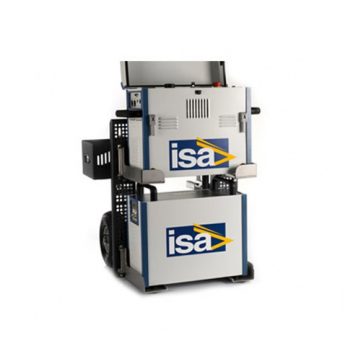
- Fully automatic
- Variable output frequency: 15 - 500 Hz
- Output voltage up to 12 kV
- Power dissipation factor test with the module TD 5000 ( voltage up to 12 kV)
- PADS - Power Apparatus Diagnostic Software for automatic testing, assessment and report
- USB interface and Ethernet interface for PC connection
- Compact and lightweight.
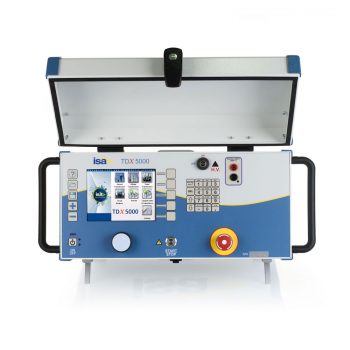
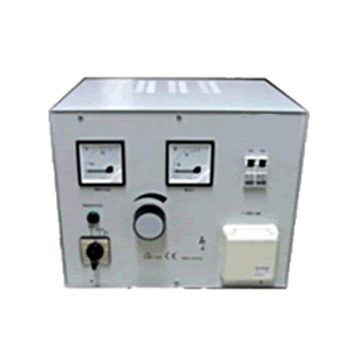
- Fully automatic
- Variable output frequency: 1 - 500 Hz
- Output voltage up to 12 kV
- Tan Delta, capacitance, dissipation factor measurements and exciting current test
- RCTD - compensating reactor module allows increasing the test current and getting the maximum test voltage with high capacitive burdens
- PADS - Power Apparatus Diagnostic Software for automatic testing, assessment and report
- USB interface and Ethernet interface for PC connection
- Patented technology for capacitance and Tan Delta measurement
- Light and compact
 Datasheet Datasheet |
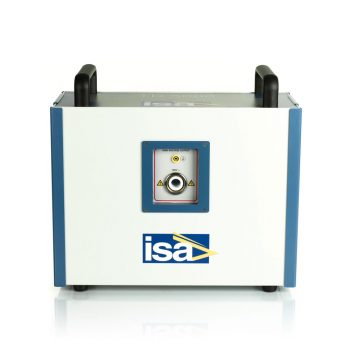
- Optional module for STS 5000 and STS 4000 test set, standard module for STS 3000 light
- Tan Delta, capacitance, dissipation factor measurements and for exciting current test
- Output voltage from 12 V up to 12 kV
- Variable output frequency: 1 - 500 Hz
- PADS - Power Apparatus Diagnostic Software for automatic testing, assessment and report
- Compact and lightweight
- Patented technology
| Datasheet |
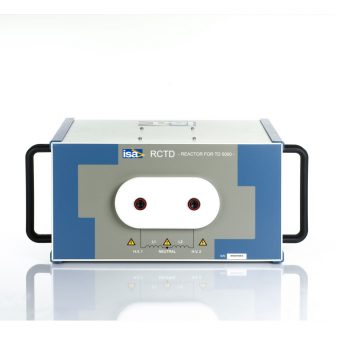
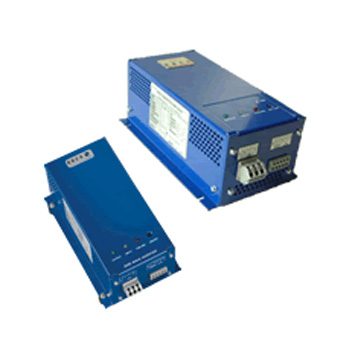
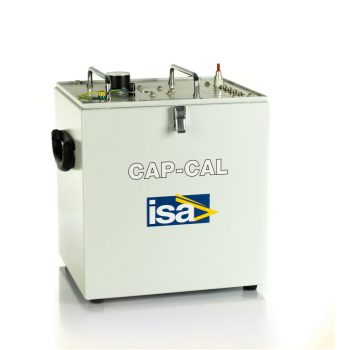
This module is properly designed for testing Tan Delta in rotating machines with TD 5000 and allows increasing the test current and getting the maximum test voltage with high capacitive burdens.
|
Datasheet
|
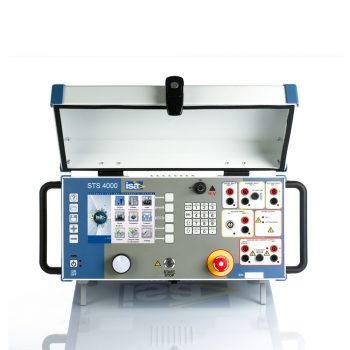
STS 4000 is a multifunction substation maintenance & commissioning test system for current, voltage and power transformers, designed to perform primary tests requested in substations commissioning. It allows to perform accurate tests on CTs, VTs, PTs and ground grid.
- Fully automatic
- Primary injection testing capabilities: up to 800 A or up to 5000 A / 7000 A, with the optional module BUX 5000
- Variable output frequency: 15 - 500 Hz
- Power dissipation factor test with the optional module TD 5000 ( voltage up to 12 kV)
- 2000 v AC high-pot test
- Local control by large color display
- PADS - Power Apparatus Diagnostic Software for automatic testing, assessment and report
- IEC 61850-9-2 communication protocol
- Patented technology for Capacitance and Tan Delta measurement
- USB interface and Ethernet interface for PC connection.
- Compact and lightweight
| Datasheet |
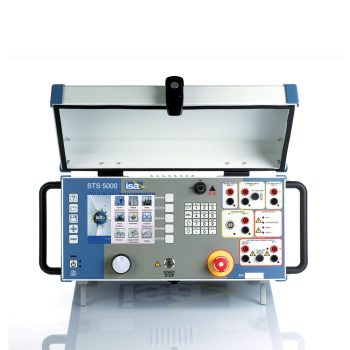
- Fully automatic
- Primary injection testing capabilities: up to 800 A or up to 5000 A / 7000 A, with the optional module BUX 5000
- Variable output frequency: 15 - 500 Hz
- Power dissipation factor test with the optional module TD 5000 ( voltage up to 12 kV)
- 2000 v AC high-pot test
- Local control by large color display
- PADS - Power Apparatus Diagnostic Software for automatic testing, assessment and report
- IEC 61850-9-2 communication protocol
- Patented technology for Capacitance and Tan Delta measurement
- USB interface and Ethernet interface for PC connection.
- Compact and lightweight
| Datasheet |

Electric Motor Testing
Electric motor testing includes diagnostic and functional testing of industrial motors such as asynchronous, synchronous and DC machines. The tests determine electrical, mechanical and thermal condition parameters including winding health, insulation resistance, rotor and stator condition, current and voltage behaviour, power and efficiency, vibration levels, temperature rise and operational performance under load or no-load conditions.
FAQ
What is electric motor testing?
Electric motor testing includes all procedures used to evaluate the condition and performance of a motor — electrical tests, mechanical assessments and operational tests under real or simulated load.
Why should motors be tested regularly?
Motors are exposed to electrical, mechanical and thermal stress. Regular testing detects faults such as insulation breakdown, winding damage, bearing issues or contamination before they cause downtime.
Which test methods are commonly used?
Typical methods include insulation resistance measurement, winding and continuity tests, surge or high-voltage tests, rotor and stator analysis, current and voltage measurements, power and efficiency tests, vibration analysis and temperature measurement.
What is the difference between de-energized and energized testing?
De-energized tests evaluate windings, insulation and internal structure without operation. Energized tests assess parameters such as torque, efficiency, current behaviour, temperature rise and vibration under realistic operating conditions.
Which parameters are most relevant?
Insulation resistance, winding resistance, current draw, voltage, rotational speed, torque, input and output power, efficiency, temperature and vibration profile.
What faults can winding tests detect?
They detect shorted turns, open circuits, elevated resistance, insulation ageing, moisture effects or contamination.
When is a load test required?
When real operating conditions must be simulated — e.g., during commissioning, after repair, after long storage periods or as part of periodic maintenance.
Why is insulation testing alone not sufficient?
Insulation tests only detect faults to ground, not winding defects, rotor irregularities, bearing issues or mechanical damage.
How often should motors be tested?
Depending on application and load. Critical or heavily used motors should be tested annually or semi-annually.
What safety precautions are important?
Verify de-energization, ensure proper grounding, use correct connections, apply protective equipment and follow defined test setups.
Who should perform motor testing?
Qualified technicians or engineers with experience in electric machines, measurement technology and industrial safety.
Why is trend analysis useful?
Comparing test results over time reveals degradation trends and enables predictive maintenance instead of reactive repair.
Which mechanical tests may be included?
Vibration analysis, noise assessment, bearing condition, imbalance detection and thermal behaviour.
What are the advantages of combined electrical and mechanical testing?
It provides a complete view of motor health and significantly reduces the risk of unexpected failures.
What does increased current draw indicate?
It may indicate mechanical friction, overload, winding issues or incorrect control signals.
When is retesting required after repair?
After any repair work on windings, bearings, rotor or stator, or after thermal or mechanical damage.
Why is temperature monitoring important?
Excessive temperature is a major ageing factor. Temperature rise can indicate overload, ventilation problems, bearing wear or winding issues.