


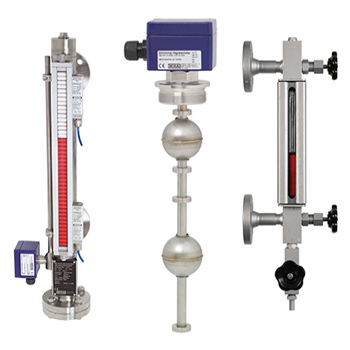
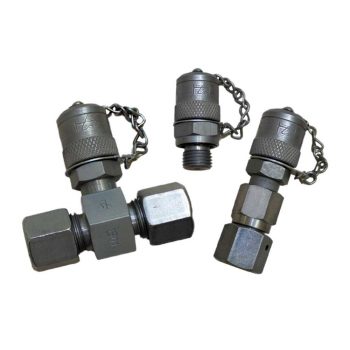
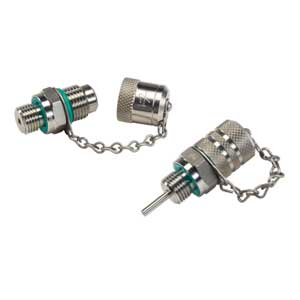
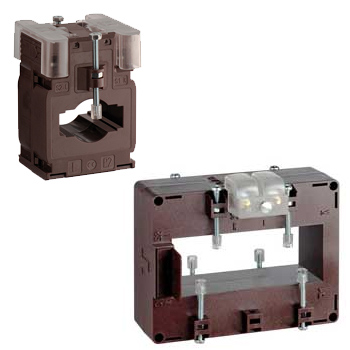
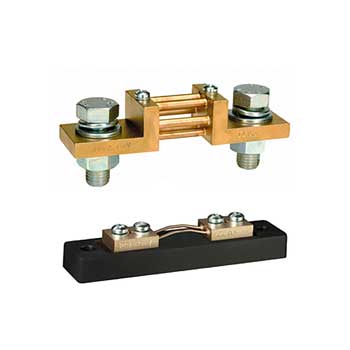
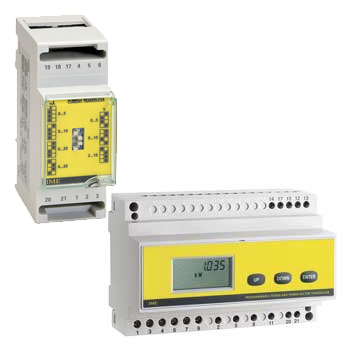
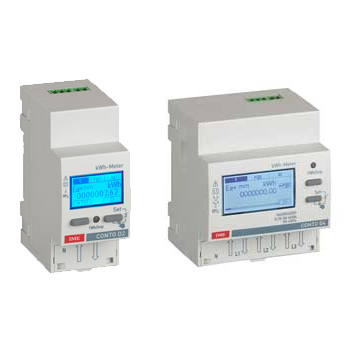
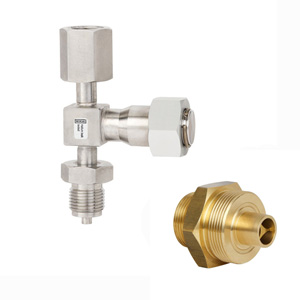

























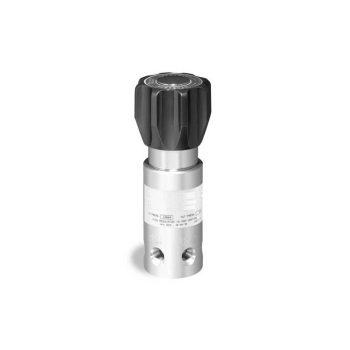
- Removable valve assembly module permits easy repair
- Excellent sensitivity through a wide range of pressure settings
- Piston style sensor offers extra safety and reliability
- Unbalanced stem assists positive shutoff
- Inlet and outlet gauge ports are standard
- Venting is standard; regulator vents to zero psig / bar in all pressure ranges
- Available in Brass or Stainless Steel
- Numerous modifications are available
 Datasheet Datasheet
|
|
User Manual
|
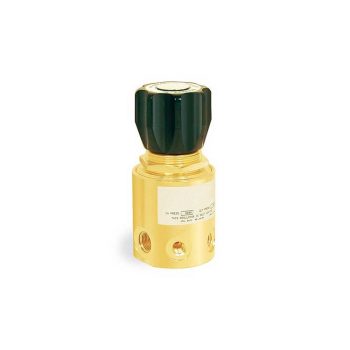
- For gaseous and liquid media
- ?Segregated and Captured? vent design is standard
- Balanced valve design ensures stable downstream pressure
- 6000 psig / 414 bar maximum inlet
- Low droop
- Large sensor for accurate pressure control
- High flow, low outlet pressures
- Compatible with TESCOM ER5000 Electropneumatic Controller
|
Datasheet
|
|
User Manual
|
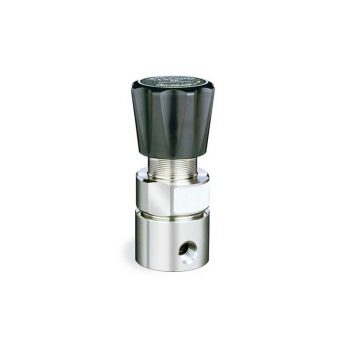
- Economical, compact design
- Piston sensed design is safe and�reliable
- Available in a Stainless Steel or Brass design
- Optional gauge ports and panel mounting
- Flow capacity Cv = 0.10
- Low handknob torque for easy operation
- Bubble-tight shutoff at all reseating pressures
|
Datasheet
|
|
User Manual
|
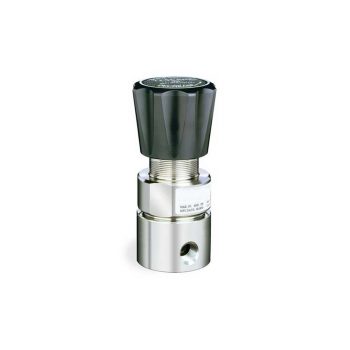
- Economical
- Compact design
- Piston sensed design is safe and reliable
- Adjustable stop limits maximum outlet pressure
- Choice of Stainless Steel or Brass construction
- Venting model is available
- Available with a variety of porting and material options
|
Datasheet
|
|
User Manual
|
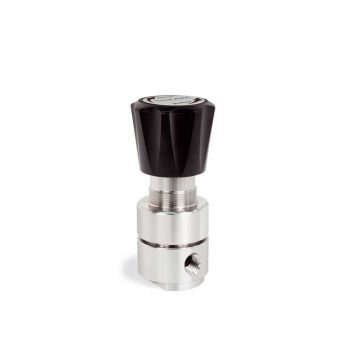
- Compact
- Designed to minimize contamination and provide accurate regulation of any corrosive, noncorrosive, or toxic gas
- Brass model provides added economy for control of non-corrosive media
- Metal-to-metal diaphragm to body seal ensures minimum inboard and outboard leakage
- Convoluted diaphragm delivers excellent accuracy and long service life
- Panel mounting is available
- 300 Series Stainless Steel or Brass bonnet
- NACE compliant designs are available
|
Datasheet
|
|
User Manual
|
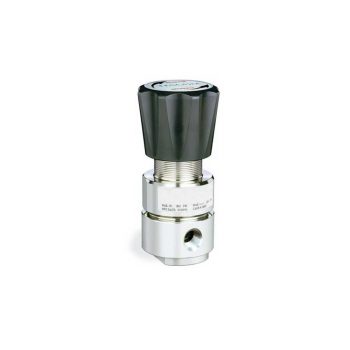
- Reduces contamination and provides accurate regulation of corrosive or non-corrosive gases
- Convoluted metal-to-metal sealed diaphragm
- Close pressure differential between crack and reseat
- Compact and economical
- Dome loading is optional
- Panel mounting is available
|
Datasheet
|
|
User Manual
|
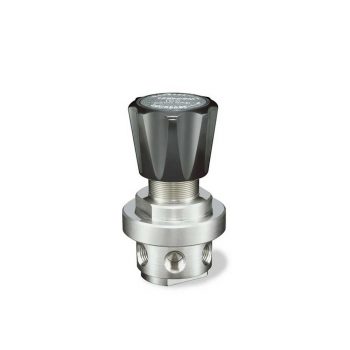
- Features a large convoluted diaphragm for extreme sensitivity with minimum droop
- Repeatability: ±0.5% of outlet pressure range
- Metal-to-metal diaphragm to body seal
- Accuracy: ±1% of outlet pressure range
- Gauge ports are standard
- Dome loaded version is available
- Cv = 0.02 and Cv = 0.24 models are available
- NACE compliant designs are available
|
Datasheet
|
|
User Manual
|
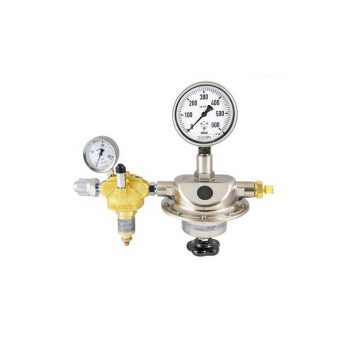
- Single-stage Labo-F includes shut-off valve for high flow capacity (up to 50 m3/h)
- Dual-stage Doppelregulus provides millibar pressure control
- Five different setpoints for outlet pressure
|
Datasheet
|
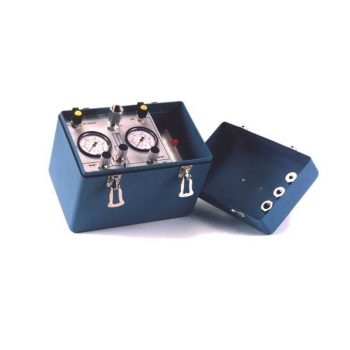
Range
- Standard Pressure range: 200 bar max.
- Higher ranges are available on request
Dimensions
- 155 x 280 x 180 mm
Weight
- Approx. 9 kg. incl. carrying case
Supply includes
- Gas Pressure control unit
- Oil/ Gas Separator Model 8335
- Two test hoses
|
Datasheet
|
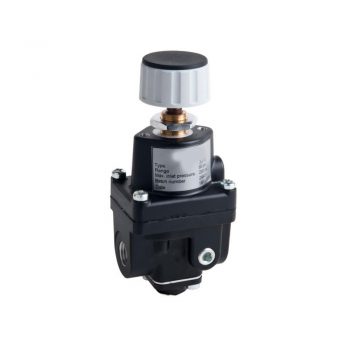
- Sensitive control over the entire range
- Stable at every pressure
- Automatic drain
- Very compact
 Datasheet Datasheet
|
- Sensitive control over the entire range
- Stable at every pressure
- Automatic drain
- Very compact
|
Datasheet
|
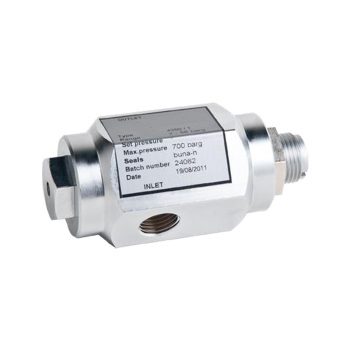
- Protect your sensitive pressure equipment against over pressure.
- High precision
- Compact size
- Easy to install
- Automatic reset
- Robust
- Excellent
- Very low pressure ranges available
- Extensive ranges
- Non-venting design
- Adjustable shut of pressure
| Datasheet |
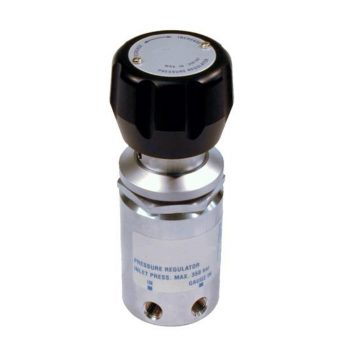
- Exceptional low torque
- Excellent accuracy
- Standard inlet, outlet and monitoring port connections
- Small dimensions
- Panel monitoring included
| Datasheet |
- Exceptional low torque
- Excellent accuracy
- Standard inlet, outlet and monitoring port connections
- Small dimensions
- Panel monitoring included
| Datasheet |
- Gas Pressure System
- Range from -1 to 1000 bar
- Setting the variable volume with hub
- Pressure Gauge (digital or analog possible)
