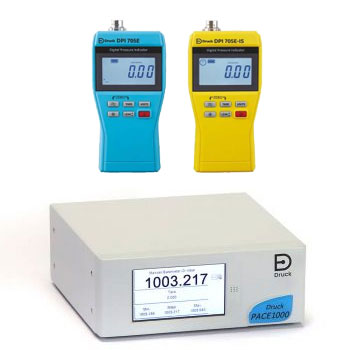
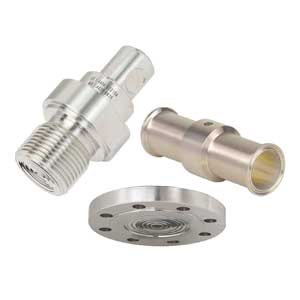
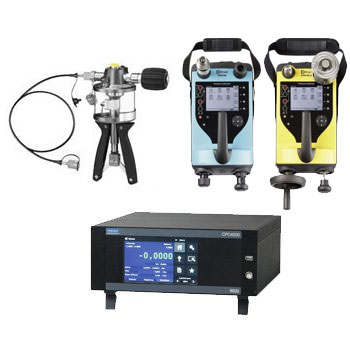
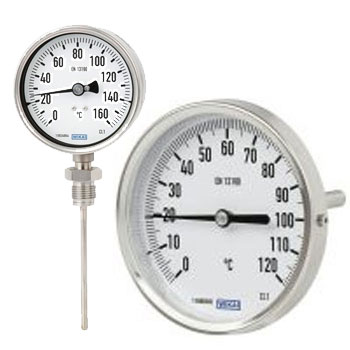
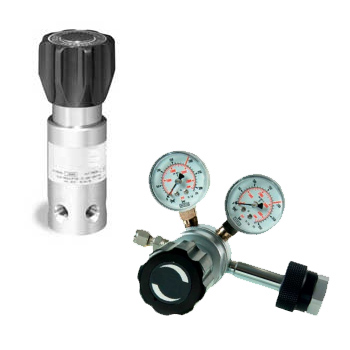
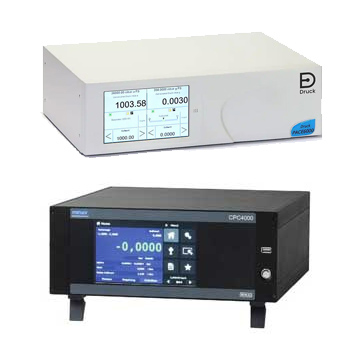
Pressure Controllers – Automated, High-Precision Pressure Calibration

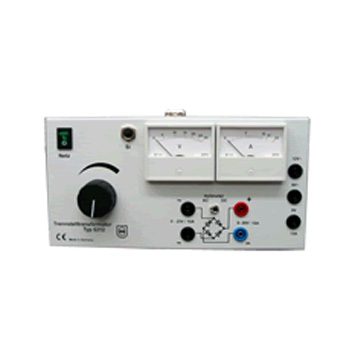
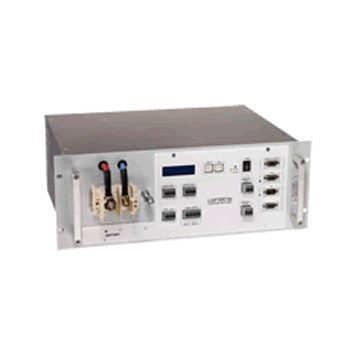
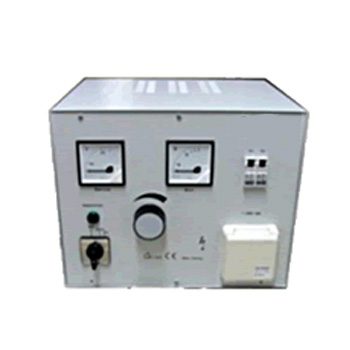
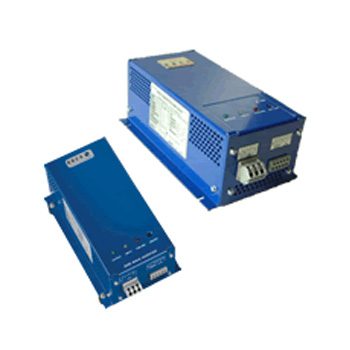
Pressure controllers generate, stabilize, and regulate pressure fully automatically—from the mbar range to 1,000+ bar, using gas or liquid media. They accelerate calibration of transmitters, pressure switches, gauges, and sensors with programmable sequences, fine control, auto-stabilization, and automatic reporting.

ICS Schneider Messtechnik supplies controllers, reference sensors, media handling, adapters, and software—including DAkkS/ISO calibration, uncertainty analysis, and integration with CAQ/CMMS/ERP.


FAQ on Pressure Controllers

Answers to common questions about selection, media, accuracy, sequences, safety, and documentation.

What are pressure controllers ideal for?
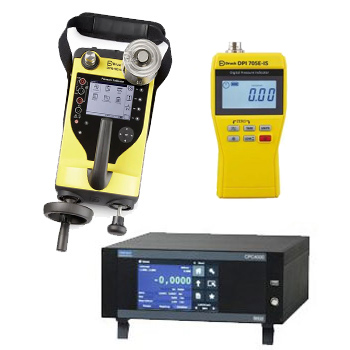
For automated calibrations with repeatable sequences, fast stabilization, low scatter, and complete traceability—in both laboratory and production.

Gas or liquid operation—what fits best?
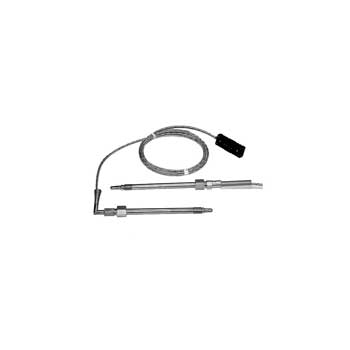
CriterionGas (air/N₂)Liquid (oil/water)
CleanlinessNo medium carryoverPossible medium contact
Pressure rangembar to mid high pressureVery high pressures achievable
DynamicsFast, more “elastic”Very stable, finely dosable
Typical useTransmitters/switches, mbar–barHigh pressure, small dead volume

How do I choose range and resolution?

Cover the DUT ranges with 20–30% headroom. Pay attention to resolution and control stability in the lowest range (mbar/Pa).

What accuracy should I target?

Rule of thumb: a 4:1 to 10:1 ratio between controller/reference accuracy and the allowed DUT tolerance. Consider the total error band incl. temperature & drift.

Which operating modes are common?

  • Setpoint (reach and hold a target pressure)
  • Step/Ramp sequences (automated point lists)
  • Sweep (continuous ramps for characterization)
  • Leak/Hold test (tightness & stability)

What does a typical calibration sequence look like?

Example: 0 → 25 → 50 → 75 → 100 → 75 → 50 → 25 → 0% of range, with auto-stabilization and multiple readings per point (up/down for hysteresis).

How do I integrate reference sensors?

Use the controller’s internal calibrated references or connect external reference modules. Close the control loop to the most precise reference.

Which interfaces are important?

USB/Ethernet, optional fieldbus (e.g., Modbus/TCP) and digital I/Os for switch tests; software API for CAQ/CMMS connectivity.

How do I document in a compliant way?

Automatic data capture, templates, e-signature, and audit trail; export PDF/CSV including environmental data, sequences, deviations, and uncertainty.

What safety aspects apply?

  • Observe medium/range limits; enable pressure limiting
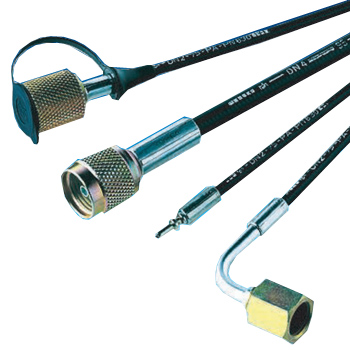
  • Use tested hoses/adapters; secure fixtures
  • Change pressure slowly; never disconnect under pressure

How do I handle very low pressures (mbar/Pa)?

Choose controllers with fine control, minimal dead volume, temperature stability, and—if needed—barometric compensation.

Can I test absolute, gauge, and differential pressure?

Yes—with suitable references/modules: gauge for most process devices, absolute for vacuum/barometry, differential for filters/flow.

Which media are compatible?

Per manufacturer approval: dry, clean gases (air/N₂) or suitable liquids (oil/water). Verify gasket/material compatibility.

How should I plan adapters & seals?

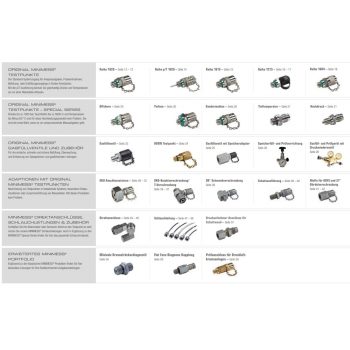
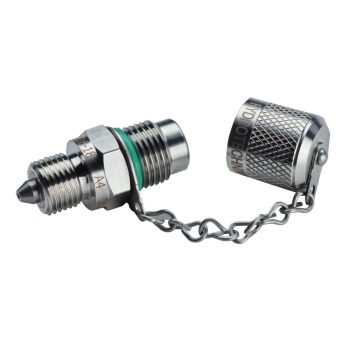
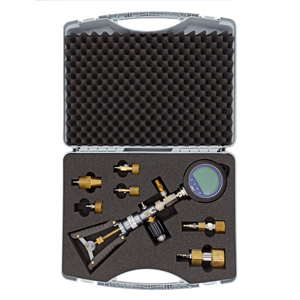
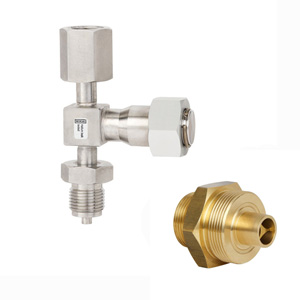
Universal kit with G/NPT, quick couplers, cone/O-ring adapters, and seal set (NBR/FKM/EPDM/PTFE). Observe torque specifications.

Maintenance & recalibration—what intervals?

Recalibrate references typically annually; perform function checks more often with heavy use. Maintain filters/media per manual.

Which software features are helpful?

  • Sequence editor (step/ramp), auto-stabilization, averaging
  • Limits/interlocks, switch test with timestamp
  • Audit trail, user/role management

How do I size a controller for multiple DUTs?

Consider flow/capacity and response speed; add a bypass/volume booster or multiple outputs if necessary.

Do you support system design & ROI analysis?

Yes. We determine throughput, target uncertainty, media and connection concept, create sequences/reports, and compare ROI vs. manual calibration.

Diese Website benutzt Cookies. Wenn du die Website weiter nutzt, gehen wir von deinem Einverständnis aus.