
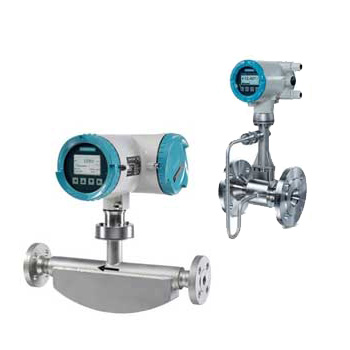
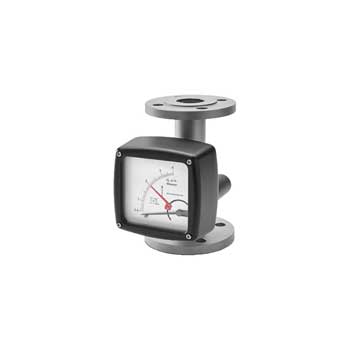
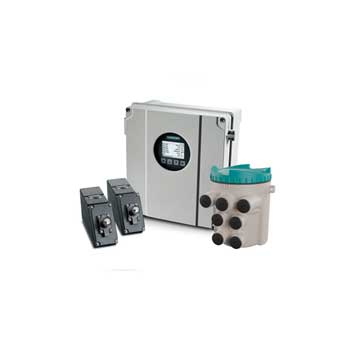
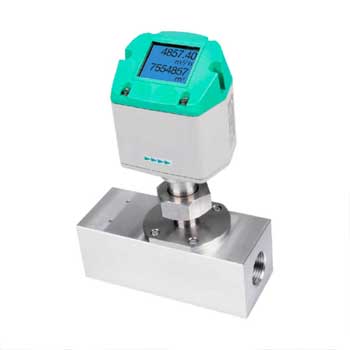
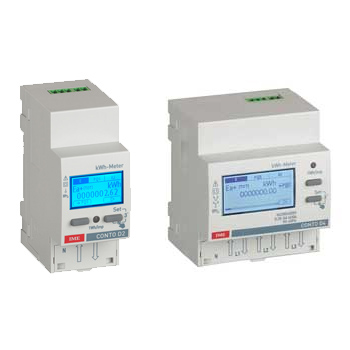






















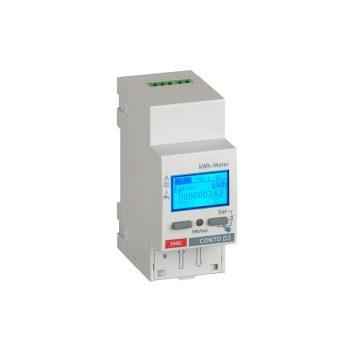
Conto D2 - Energy meter, active multifunction (cl.1) Connection: direct - Network: single-phase - Dimension: 2 DIN modules - Output: RS485, protocol ModBus RTU - Current: 63A - Voltage: 230...240V - Aux: self-supplied
CURRENT 63A
AUX Selfsupplied
VOLTAGE 230-400Vac
CLASS 1
FREQUENCY 50-60Hz
OUTPUT RS485
PROTECTION INDEX IP20
MODULES 2
Datasheet
User Manual

Conto D2 MID - Energy meter, active multifunction (cl.B) Connection: direct - Network: single-phase - Dimension: 2 DIN modules - Output: pulse - Current: 63A - Aux: self-supplied
CURRENT 63A
AUX Selfsupplied
CLASS B
FREQUENCY 50-60Hz
OUTPUT Pulse
PROTECTION INDEX IP20
MODULES 2
Datasheet
User Manual

  • Energiezähler (Kl. 1)
  • Netzart : Wechselstromnetz
  • Abmessungen : 2-Modul DIN
  • Anzeige :
    • Wirkenergie (gesamt)
  • Strom : 5(36)A - direkt
  • Spannung : 230…240V - direkt
  • Hilfsspannung : selbstversorgend
  • Ausgang : Ohne
Datasheet


DIN-Rail Energy Meter (2-Module Version)

A 2-module DIN-rail energy meter is a compact power meter designed to mount on a standard 35 mm DIN rail, occupying two adjacent module slots. It measures electrical energy and other grid parameters (current, voltage, power, energy, etc.) and is suitable for both direct connection and, when needed, via external current transformers for higher loads. The 2-module format gives additional room for electronics, display, and interfaces while remaining space-efficient inside distribution cabinets.

Questions & Answers on 2-Module DIN-Rail Energy Meters

What does “2-module” mean for a DIN-rail meter?

“2-module” indicates that the meter occupies two standard module widths on the DIN rail — offering more internal space than a single-module meter for display, terminals, communication or measurement electronics.

What are the benefits of a 2-module energy meter?

More space for a larger or clearer display, room for additional functions (e.g. pulse output, communication interfaces), easier wiring and more measurement/communication options while still fitting on a DIN rail.

Which electrical systems can be measured with such a meter?

Single-phase and three-phase AC systems. For higher currents or three-phase loads, external current transformers can be used to extend the measurable range.

What electrical parameters are typically measured and displayed?

Energy consumption (e.g. kWh), instantaneous and cumulative power, current, voltage, and often additional data like power factor, frequency, or reactive/apparent power — depending on the meter model.

How is a 2-module meter mounted and wired?

It snaps onto a standard DIN rail. Connection of supply and load wires is done via provided terminals; if required, current transformers or potential transformers are connected according to the wiring instructions.

Does a 2-module meter require significantly more space than a one-module meter?

Yes, it is wider and occupies more space on the DIN rail, but provides more functionality and convenience for wiring, measurement, and interface options.

Which additional functions does a 2-module meter often offer?

Larger display, pulse output (e.g. S0), bus or serial communication (e.g. Modbus, M-Bus), multiple measurement parameters, data logging, and sometimes configuration of tariffs or load thresholds.

When is using a 2-module DIN-rail meter recommended?

When more than basic energy measurement is needed — e.g. for energy monitoring, load management, power quality data, multiple outputs or integration into automation or building management systems — especially where space is limited but functionality remains critical.

What are possible drawbacks compared to single-module meters?

It consumes more DIN-rail width, may cost more, and can be overkill for simple, low-feature use cases.

Diese Website benutzt Cookies. Wenn du die Website weiter nutzt, gehen wir von deinem Einverständnis aus.