
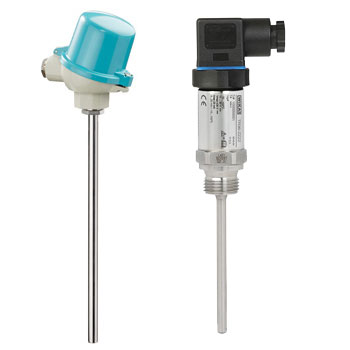
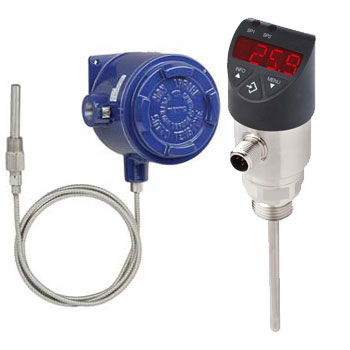
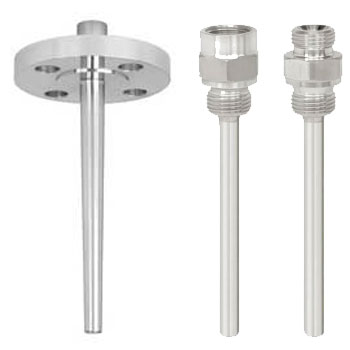
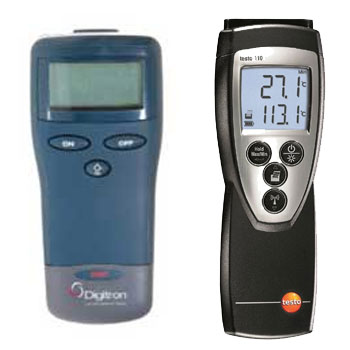
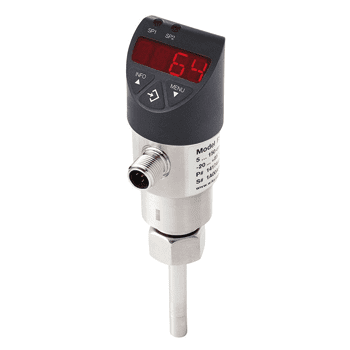
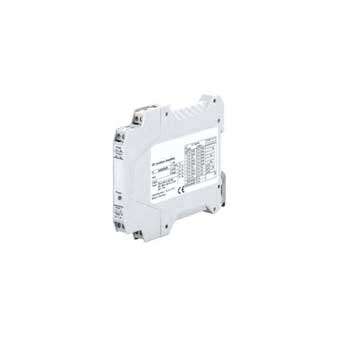
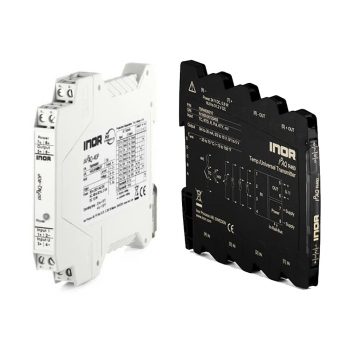
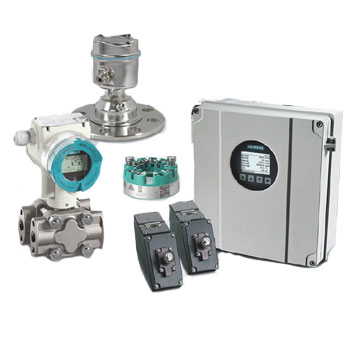
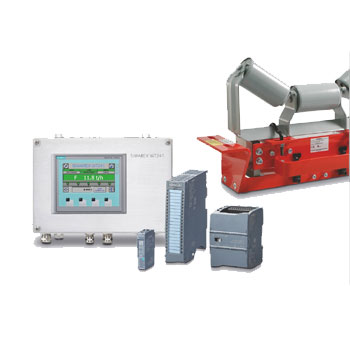

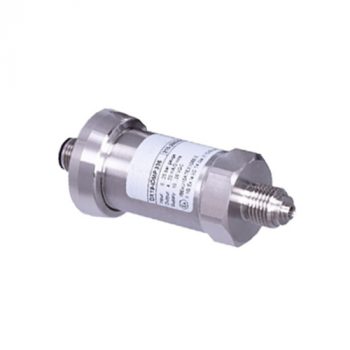
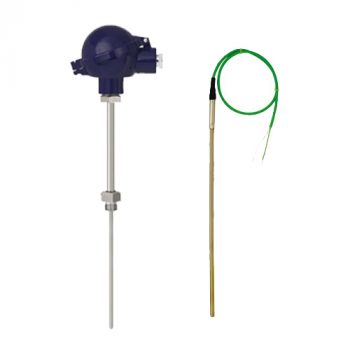




























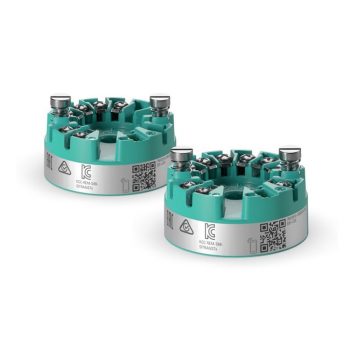
2-wire head transmitter with and without HART communications interface for mounting in the connection head of the temperature sensor.
Datasheet
|
User Manual
|
2-wire head transmitter with and without HART communications interface for mounting in the connection head of the temperature sensor.
Datasheet
|
User Manual
|
Siemens Head-Mounting Temperature Transmitters
The Siemens SITRANS-T head-mounting temperature transmitters are designed to be mounted directly in the connection head of a temperature sensor (e.g. a PT100 resistance thermometer or a thermocouple). They convert the raw sensor signal into a standardized output signal (e.g. 4–20 mA, HART, possibly fieldbus) and thus enable reliable temperature measurement integration into process control systems — even under demanding conditions, with robust housing and optional Ex or SIL certification. :contentReference[oaicite:11]{index=11}
Questions & Answers on Siemens Head-Mounting Temperature Transmitters
What is a head-mounting temperature transmitter?
A head-mounting transmitter is installed directly inside the connection head of a temperature sensor. It receives the raw sensor signal (e.g. from a PT100 or thermocouple), processes and converts it, and outputs a standardized signal for further processing or control. :contentReference[oaicite:12]{index=12}
Which sensor types can be connected?
Head-mounting transmitters support resistance thermometers (RTD like PT100), thermocouples, and also resistance or mV/voltage signal sources — making them versatile for different sensor types. :contentReference[oaicite:13]{index=13}
Which output signals and communication protocols are supported?
Depending on the variant, they provide a 4–20 mA analog output. Many versions also support digital communication such as HART. Some products offer fieldbus or other industrial communication options. :contentReference[oaicite:14]{index=14}
What are the advantages of head-mounting transmitters?
Mounting the transmitter directly in the sensor head saves space and reduces wiring effort. It is particularly advantageous where long thermowells or protective tubes should be avoided — for example in cramped installations, at high temperatures, or under vibration. :contentReference[oaicite:15]{index=15}
Which housing / protection classes are available?
The transmitters come in rugged two-chamber housings made of die-cast aluminum or stainless steel. Protection up to IP66/67/68 allows operation even under harsh industrial conditions. :contentReference[oaicite:16]{index=16}
Are there versions suitable for hazardous (explosive) areas?
Yes — some variants are designed for use in hazardous areas and comply with requirements for intrinsically safe or explosion-protected installations. This makes them suitable for use in gas or dust atmospheres. :contentReference[oaicite:17]{index=17}
How is commissioning and parameterization performed?
Parameterization can be done locally on the device or digitally via HART or suitable configuration software. Measurement range, sensor type, output scaling, alarm or diagnostic thresholds can be configured according to application needs. :contentReference[oaicite:18]{index=18}
What happens if the sensor fails (e.g. sensor break)?
Many head-mounting transmitters provide sensor break and short-circuit detection. In case of a fault, they output a defined signal (e.g. current loop threshold), enabling fault detection and alarm in the control system. :contentReference[oaicite:19]{index=19}
For which applications are head-mounting temperature transmitters particularly suitable?
They are especially useful where space is limited (pipes, vessels, tanks), where high temperatures or vibrations occur, or where long thermowells should be avoided. Also in hygienic, chemical or hazardous area applications, their compact design and suitable approvals offer advantages.
What criteria must be considered when selecting a suitable head-mounting transmitter?
Important criteria include: sensor type (PT100, thermocouple etc.), process and ambient conditions, required protection class, Ex/SIL certification, output signal and communication protocol, installation situation and temperature range. Only when these aspects match the application a reliable solution is achieved.


Datasheet