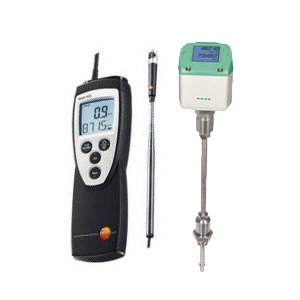
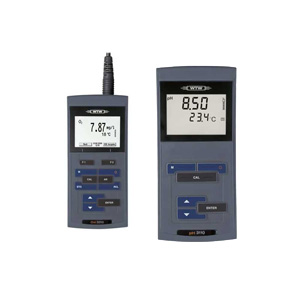
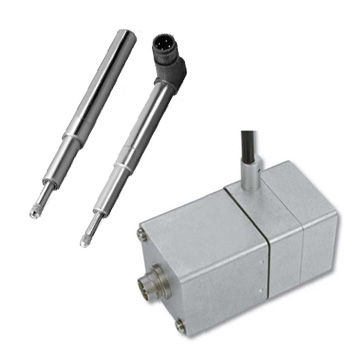
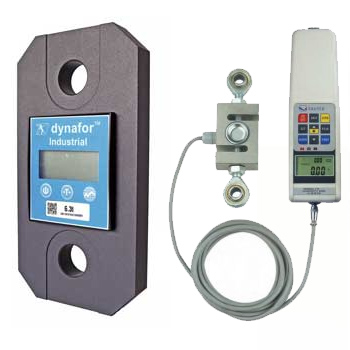
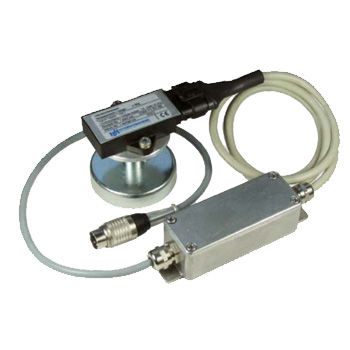
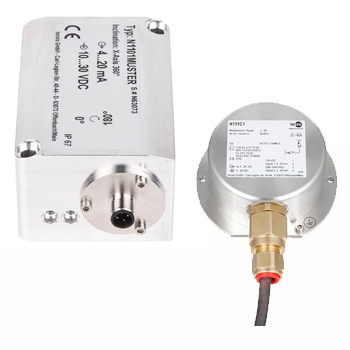
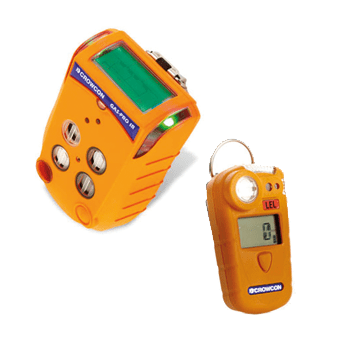
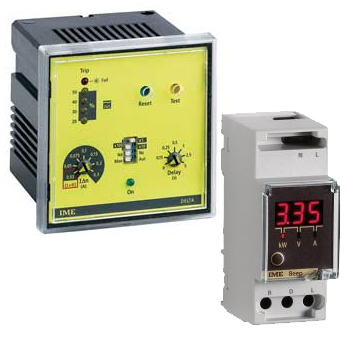
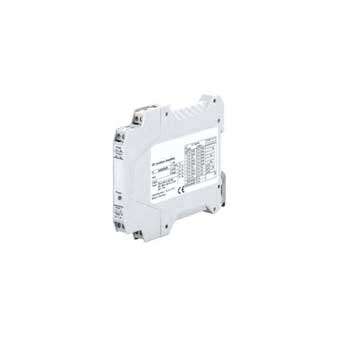
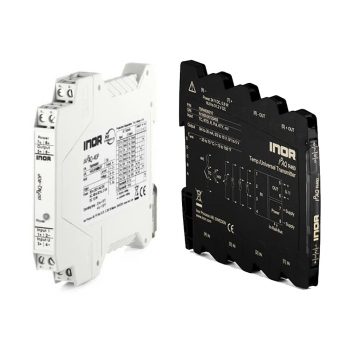
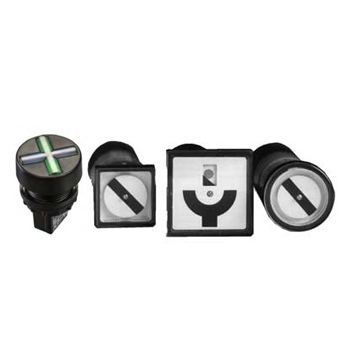
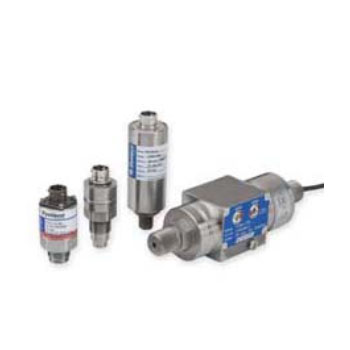

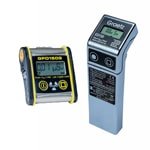
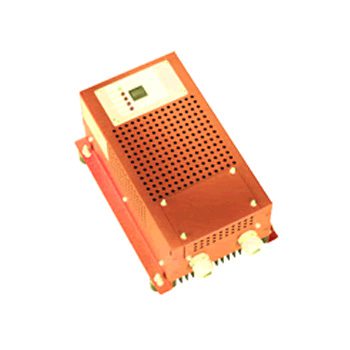



























• High accuracy
  • Input signal: strain gauge measuring bridge; Output signal: 0/4 … 20 mA or DC 0 … 10 V
  • Cable length between amplifier and read-out unit: up to 100 m are possible
  • Compact design
  • Ingress protection IP67
Datasheet
User Manual

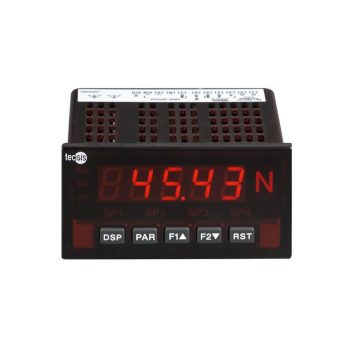
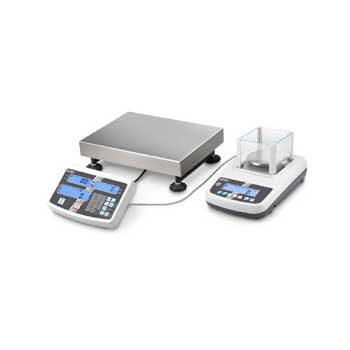
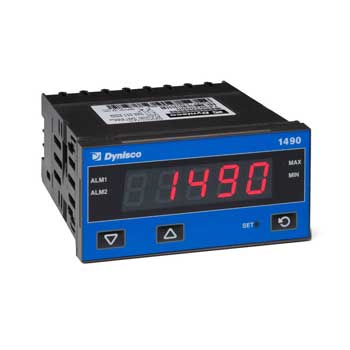
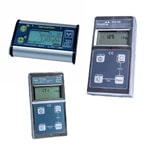
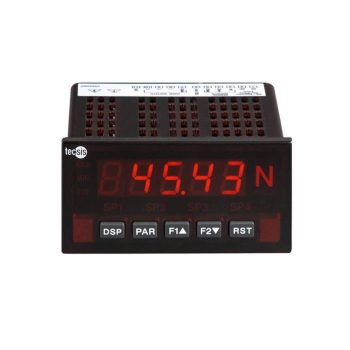
  • 5-digit digital display, easy to read up to 50 m
  • High accuracy: 0.02 % of reading +3 μV
  • Extensive functions easy to set on the instrument or via PC
  • Plug-in expansion cards, analogue output, 2 or 4 limit values, serial interface
  • Ingress protection IP65
Datasheet

  • 5-digit digital display, easy to read up to 50 m
  • High accuracy: 0.03 % of reading +2 μA or +2 mV
  • Extensive functions easy to set on the instrument or via PC
  • Plug-in expansion cards, analogue output, 2 or 4 limit values, serial interface
  • Ingress protection IP65
Datasheet

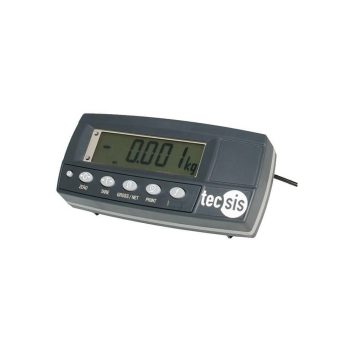
  • 6-digit liquid crystal display (LCD) with backlighting
  • Extensive functions easy to set on the instrument or via PC
  • International approval for applications requiring verified measurements OIML, NTEP
  • AC, DC (DC 7 ... 24 V) operating on (rechargeable) battery power (DC 4.8 ... 24 V) – ideal for a number of mobile applications
  • High ingress protection, IP65
Datasheet

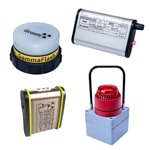
  • Limit switch for mV/V signals
  • 3 relay outputs
  • Adjustable control for switching thresholds
  • Simple operation and setting
  • Case for DIN-rail mounting
Datasheet

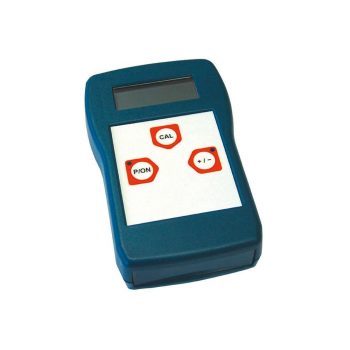
  • Analogue input 0/4 ... 20 mA 2- and 3-wire
  • Galvanic isolation, line break (LB) and short-circuit (SC) monitoring
  • Easy setting of extensive functions on the instrument or via PC software
  • Two potential-free relay contacts (change-over) with status LED and a freely-programmable analogue output (0 ... 20 mA)
Datasheet
User Manual

  • Certified safety electronics, certified in accordance with DIN EN ISO 13849-1, PLe
  • Certified system solution incl. force measurement, certified in accordance with DIN EN 13849-1 Cat. 3, PLd
  • 16 x safe inputs (8 x 4 ... 20 mA analogue inputs, 8 x digital inputs), 2 x safe relay outputs and 6 x safe solid-state outputs (positive switching)
  • Additional module with ProfiBus®, ProfiNet®, EtherCat® and CANopen®
  • Complex functionality, easy to configure via PC
Datasheet
User Manual

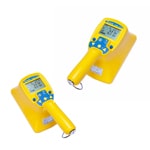
  • 24 input/output channels (of which 8 are analogue inputs, 2 CAN bus interfaces)
  • Complex functionality, easy to configure via PC
  • Including application and AMP plug connection
  • High EMC and shock/vibration resistance
  • Robust metal case, ingress protection IP67
Datenblatt


WIKA Weighing Electronics – Signal Conditioning, Processing & Display Solutions

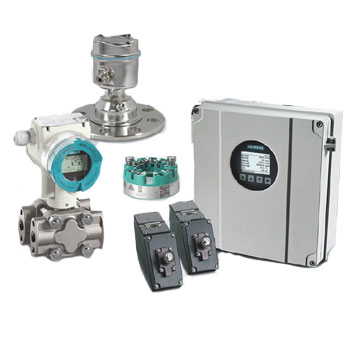
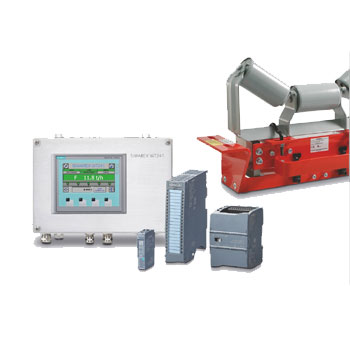
Weighing electronics from WIKA complement load cells and force transducers to build complete weighing systems. They include amplifiers, transmitters, weighing indicators, junction boxes, and digital interfaces. These devices convert raw sensor signals into usable outputs such as 4–20 mA, 0–10 V, digital bus signals or direct display values.

With the right electronics, load cells can be precisely calibrated, monitored, diagnosed and integrated into PLC, SCADA or IIoT systems — essential for both industrial and legal-for-trade weighing applications.


FAQ About WIKA Weighing Electronics

Answers regarding functionality, selection criteria, wiring, integration and typical use cases.

What components are included in weighing electronics?

Weighing electronics typically consist of:

  • Amplifiers / transmitters for load cell bridge signals
  • Weighing indicators with displays
  • Junction / summing boxes for multi-cell systems
  • Cable and signal interfaces such as 4–20 mA, 0–10 V or digital protocols

Why is the correct choice of electronics important?

The electronics determine:

  • Signal accuracy and noise immunity
  • Calibration and diagnostic capabilities
  • Integration with PLC, SCADA or IIoT
  • Legal-for-trade suitability and compliance

Without the right electronics, even a high-quality load cell cannot deliver optimal performance.

Which output signals are typical?

Common outputs include:

  • mV/V — raw bridge output from the load cell
  • 4–20 mA or 0–10 V — standardized analog outputs
  • Digital interfaces — CANopen®, Modbus, Profibus, Ethernet-IP and others

What should be considered during wiring and installation?

  • Use shielded cables and avoid introducing mechanical stress through cabling
  • Ensure proper grounding and equipotential bonding for EMC compliance
  • Use SENSE lines for long cable runs to compensate for voltage drops
  • Mount electronics in appropriate environmental conditions (humidity, dust, temperature)

How are multi-cell platforms connected?

For multi-load-cell systems, a summing/junction box combines the signals. It also allows corner adjustment to ensure equal response across the platform. The combined signal is then sent to the amplifier or indicator.

What are typical error sources in weighing electronics?

  • Incorrect signal scaling or amplifier saturation
  • Poor calibration or drift over time
  • EMC interference, lightning, grounding issues or cable losses
  • Using electronics not rated for the environmental conditions

Which applications require weighing electronics?

  • Industrial platform and floor scales
  • Tank and silo weighing with multiple load cells
  • Dosing, filling and packaging systems
  • Integration into PLC/SCADA/IIoT environments with real-time data

How can I request a quotation?

Please provide:

  • Number and type of load cells
  • Preferred output signal (analog/digital)
  • Environmental conditions (IP rating, temperature, Ex-zone)
  • Special requirements such as legal-for-trade use, diagnostics or fieldbus interfaces
Diese Website benutzt Cookies. Wenn du die Website weiter nutzt, gehen wir von deinem Einverständnis aus.