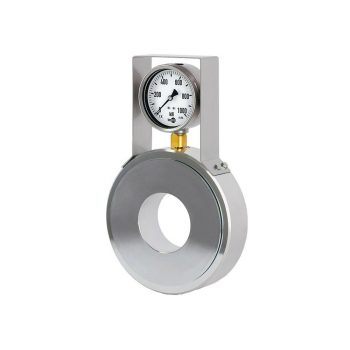
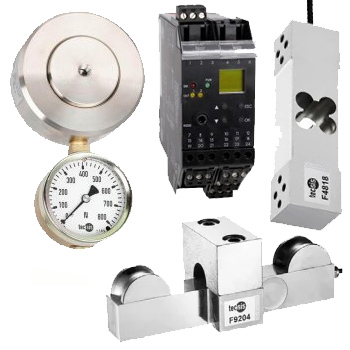
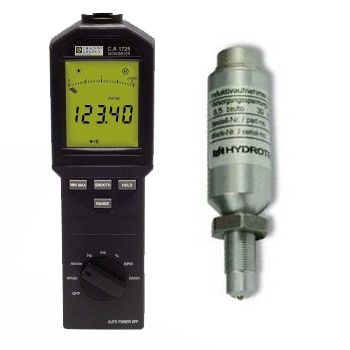
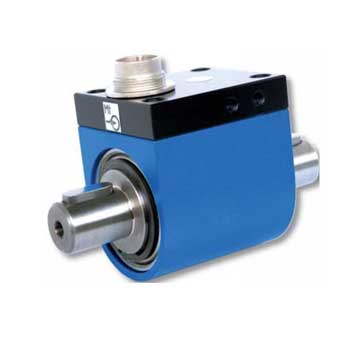
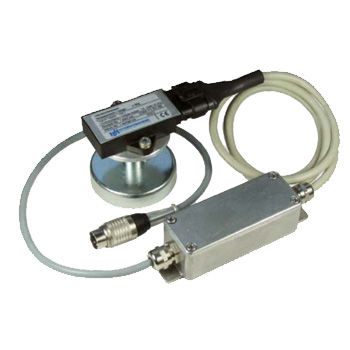


























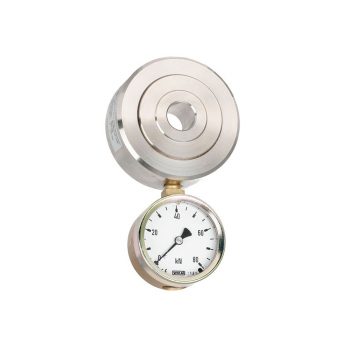
• Measuring ranges 0 ... 320 N to 0 ... 120 kN [0 ... 72 lbf bis 0 ... 26,977 lbf]
  • Relative linearity error ±1.0 ... ±1.6 % Fnom with analogue pressure gauge, ±0.5 % Fnom with digital pressure gauge or pressure sensor
  • Piston stroke ≤ 0.5 mm [≤ 0.02 in]
  • Operates without supply voltage
  • 5-year leak-tightness warranty
Datasheet

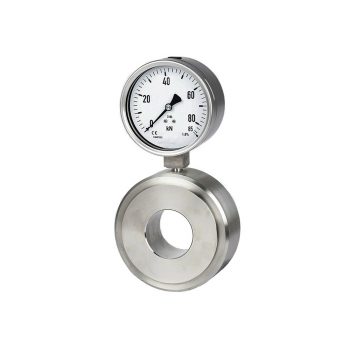
  • Measuring ranges 0 ... 80 kN to 0 ... 700 kN [0 ... 17,985 lbf to 0 ... 157,366 lbf]
  • Relative linearity error ±1.0 % Fnom with analogue pressure gauge, ±0.5 % Fnom with digital pressure gauge or pressure sensor
  • Piston stroke ≤ 0.5 mm [≤ 0.02 in]
  • Operates without supply voltage
  • Case and piston made of galvanised steel
Datasheet
User Manual

  • Measuring ranges 0 ... 150 kN to 0 ... 1,500 kN [0 ... 33,721 lbf to 0 ... 337,213 lbf]
  • Relative linearity error ±1.0 % Fnom with analogue pressure gauge, ±0.5 % Fnom with digital pressure gauge or pressure sensor
  • Piston stroke ≤ 0.5 mm [≤ 0.02 in]
  • Operates without supply voltage
  • Case and piston made of galvanised steel
Datasheet
User Manual

  • Measuring ranges 0 ... 25 kN to 0 ... 1,500 kN [5,620 lbf to 337,213 lbf]
  • Relative linearity error ±1.0 ... 1.6 % Fnom with analogue pressure gauge, ±0.5 % Fnom with digital pressure gauge or pressure sensor
  • Piston stroke ≤ 0.8 mm [≤ 0.03 in]
  • Operates without supply voltage
  • 5-year leak-tightness warranty
Datasheet

  • Measuring ranges 0 ... 400 kN to 0 ... 3,200 kN [0 ... 89,924 lbf to 0 ... 719,389 lbf]
  • Relative linearity error ±1.0 % Fnom with analogue pressure gauge, ±0.5 % Fnom with digital pressure gauge or pressure sensor
  • Piston stroke ≤ 0.5 mm [≤ 0.02 in]
  • Operates without supply voltage
  • Case and piston made of galvanised steel
Datasheet
User Manual

  • Measuring ranges 0 ... 800 kN to 0 ... 6,000 kN [179,847 lbf to 1,348,854 lbf]
  • Relative linearity error ±1.0 % Fnom with analogue pressure gauge, ±0.5 % Fnom with digital pressure gauge or pressure sensor
  • Piston stroke ≤ 0.5 mm [≤ 0.02 in]
  • Operation without supply voltage with analogue displays
  • Case and piston made of galvanised steel
Datasheet
User Manual

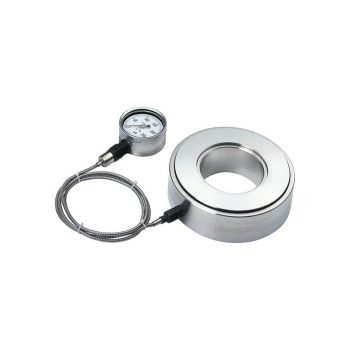
  • Measuring ranges 0 ... 550 N to 0 ... 310 kN [0 ... 123,645 lbf to 0 ... 69,691 lbf]
  • Relative linearity error: ±1.0 ... 1.6 % Fnom with analogue pressure gauge, ≤ ±0.5 % Fnom with digital pressure gauge or pressure sensor
  • Piston stroke ≤ 0.5 mm [≤ 0.02 in]
  • Operates without supply voltage
  • 5-year leak-tightness warranty
Datasheet

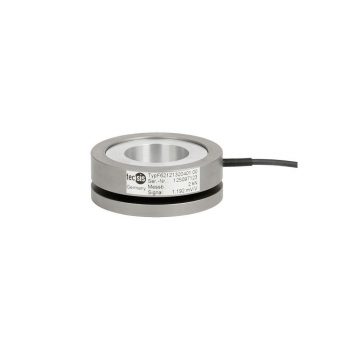
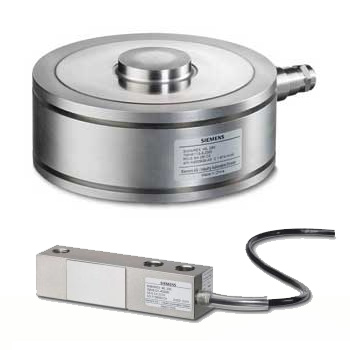
  • Measuring ranges 0 ... 2 kN up to 0 ... 100 kN
  • For compression force measurements
  • Flat dimensions
  • Stainless steel measuring body
  • Protection class IP65
Datasheet

  • Measuring ranges 0 ... 15 kN to 0 ... 1,500 kN
  • Compact design, easy installation
  • Ingress protection IP65
  • Relative linearity error 1 % Fnom
Datasheet

  • Measuring ranges 0 ... 3 kN to 0 ... 450 kN
  • Relative linearity error 2 % Fnom
  • Material: Stainless steel
  • Ingress protection IP65
Datasheet


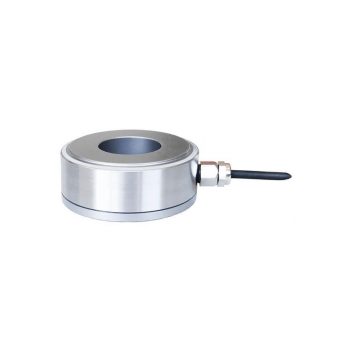
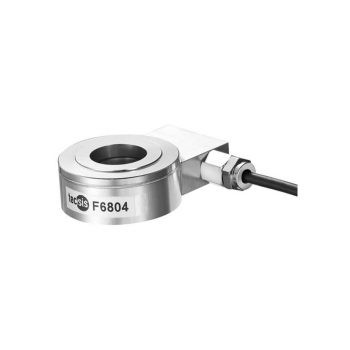
WIKA Ring / Donut Force Transducers – Compact High-Load Sensors with Through-Hole Design

Ring force transducers (also known as donut load cells or through-hole force sensors) are compact, robust sensors with a central opening. The load is applied axially through the ring, enabling the measurement of high forces in extremely space-restricted installations. Typical applications include bolt-force measurement, presses, tooling machines, geotechnical monitoring, and assembly torque verification.

WIKA offers various electric and hydraulic ring-type force transducers, with typical outer diameters from 12 mm up to 430 mm, suitable for light to extremely heavy industrial loads.


FAQ About WIKA Ring Force Transducers

Answers regarding operating principle, selection, measuring ranges, installation, and typical applications.

What is a ring force transducer and how does it work?

A ring force transducer measures axial forces transmitted through the sensor’s central opening. Strain or compression of the ring body is detected by strain gauges or thin-film sensors and converted into an electrical output signal.

Where are ring force transducers typically used?

They are used in bolt-force measurement, spindle presses, hydraulic tools, geotechnical systems, tool and mould construction, and applications requiring compact, high-strength force measurement.

What measuring ranges and sizes are available?

WIKA models cover ranges from approx. 0 … 2 kN to 0 … 100 kN for compact electrical versions (e.g. type F6212), and up to 450 kN and more for larger or heavy-duty versions (e.g. type F6804). Hydraulic versions can exceed 1,500 kN.

Which materials and protection ratings are offered?

Most models are made from stainless or CrNi steel and offer protection classes such as IP65 or higher, depending on the model. This ensures durability even in harsh industrial environments.

What must be considered during installation?

The mounting surface must be flat and rigid. The load must be applied axially through the ring, without side loads or bending influences. Rigid cables, pipes or fixtures must not transfer unintended forces to the sensor.

How is the electrical or hydraulic interface configured?

Electrical versions provide an mV/V signal or optionally integrated amplifiers, while hydraulic versions include a pressure port for reading the corresponding force value. Example: hydraulic F6154 with up to 1,500 kN range.

What are common error sources?

  • Off-axis or eccentric loading
  • Uneven or unstable mounting surfaces
  • Mechanical stress caused by pipes, cables or frame distortions
  • Temperature gradients affecting the ring body

What advantages do ring force transducers offer?

They provide: – A compact, low-profile form factor – A central opening for bolts, spindles or tie-rods – High load capacity with minimal installation space – Excellent axial force measurement with robust mechanics

Does ICS Schneider Messtechnik support selection and integration?

Yes — ICS Schneider Messtechnik assists with choosing the correct sensor, installation design, amplifier/electronics integration, calibration and documentation.

How can I request a quotation?

Please provide details such as required measuring range, required through-hole diameter, installation environment (temperature, humidity), preferred output signal (electrical or hydraulic) and mechanical mounting parameters.

Diese Website benutzt Cookies. Wenn du die Website weiter nutzt, gehen wir von deinem Einverständnis aus.