


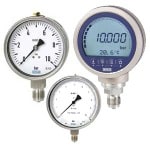
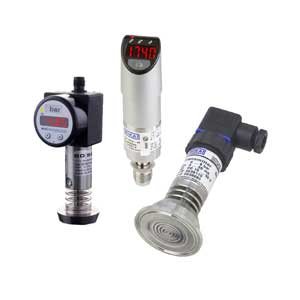
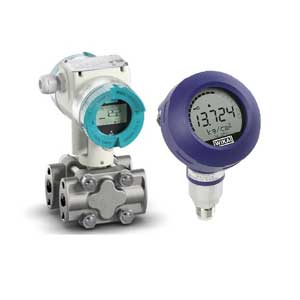
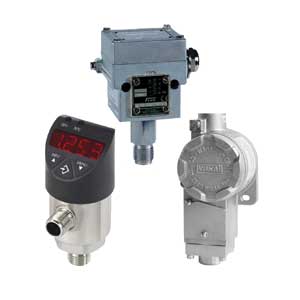

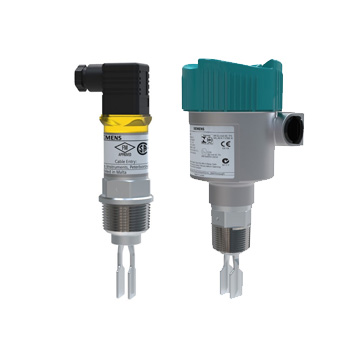
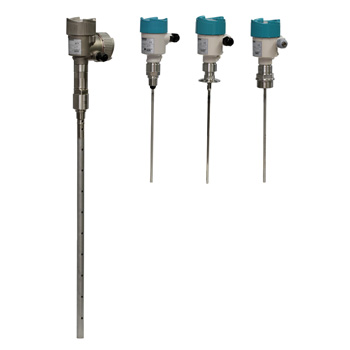
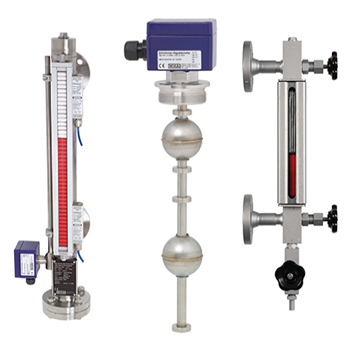





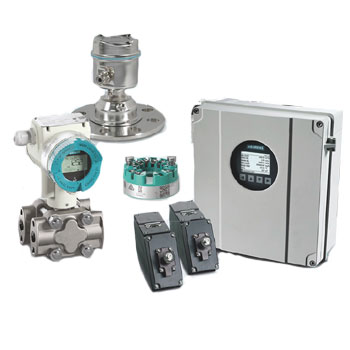
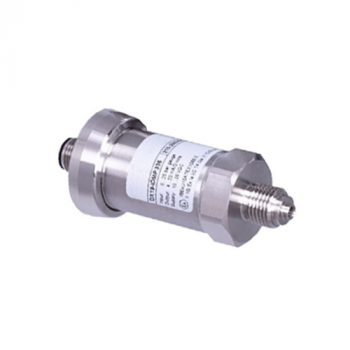
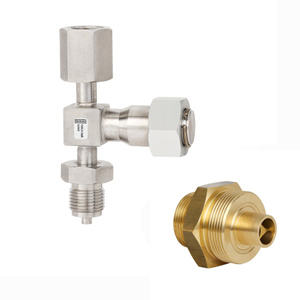


































Analog Pressure Sensors – 4–20 mA & 0–10 V for Rugged Industrial Use
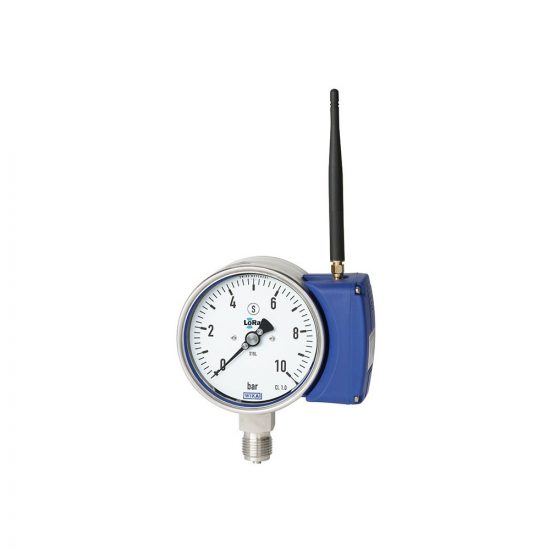
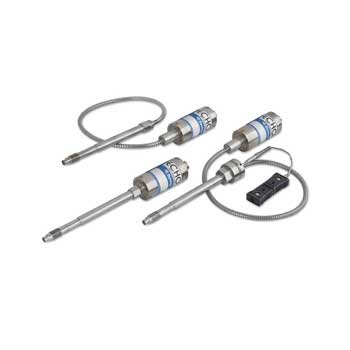
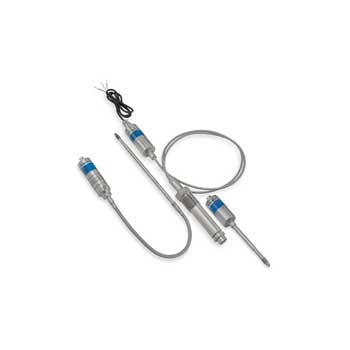
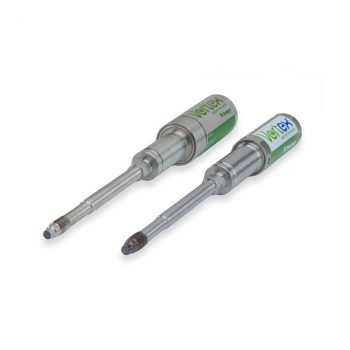
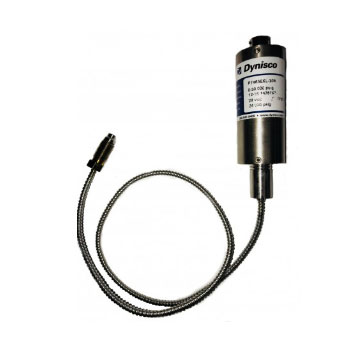
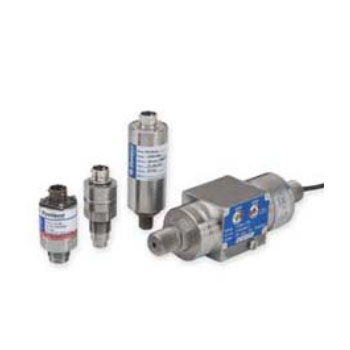
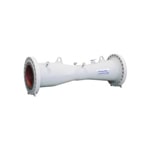
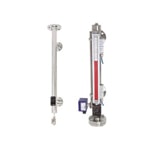
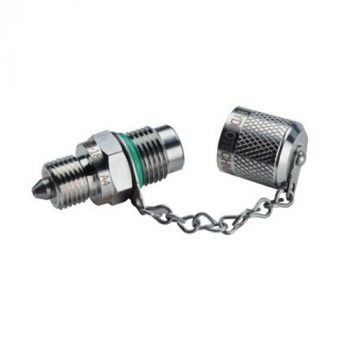
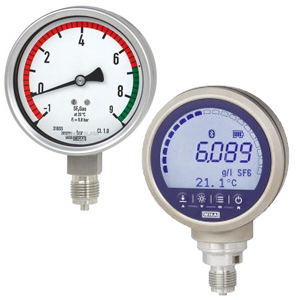
Analog pressure sensors/transmitters provide continuous readings as 4–20 mA current or 0–10 V voltage signals—immune to noise, easy to integrate and proven in the field. They cover gauge, absolute and differential ranges from vacuum to high pressure and are available for pneumatics, hydraulics, process and building automation. Sensing elements include ceramic, piezoresistive, thin-film and capacitive; housings and wetted parts suit water, air, oils and corrosive media (e.g., 316L, Hastelloy®).
ICS Schneider Messtechnik supports you in selecting measuring range, process connection, seals and chemical compatibility, adds protection/damping (snubbers, cooling elements, diaphragm seals), provides calibration and ensures smooth PLC/DCS integration. Result: stable, traceable measurements with minimal integration effort.
FAQ on Analog Pressure Sensors
Selection, signal types, accuracy, installation, media, EMC and maintenance—brief and practical.
When should I choose 4–20 mA instead of 0–10 V?
| Criterion | 4–20 mA | 0–10 V |
|---|---|---|
| Cable length/EMC | Very robust, long runs | Prefer shorter runs |
| Power/wiring | 2-/3-wire possible | 3-wire (separate ground) |
| Cable/contact losses | Uncritical (current) | Appear as voltage drop |
| Fault detection | Line break visible (<4 mA) | Harder to detect |
What accuracy is typical?
Depending on model ±0.25…1.0% FS. For QA/test, choose devices ≤ ±0.25% FS with a specified Total Error Band (TEB).
How do I size the measuring range?
Rule of thumb: working pressure × 1.5. With pulsation/spikes, select a higher range or add a snubber/orifice.
Which process connections are available?
| Connection | Standard | Typical use |
|---|---|---|
| G 1/4 / G 1/2 | ISO 228 (BSPP) | Industrial standard |
| ¼″ / ½″ NPT | ASME | Tapered, self-sealing |
| M20×1.5 | ISO metric | EU process industry |
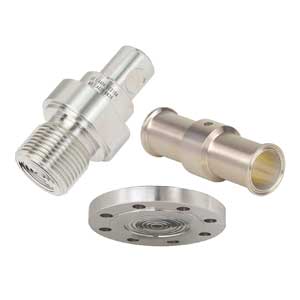
| Tri-Clamp/Varivent® | Hygienic | With/without diaphragm seal |
What about media compatibility?
316L covers many media; choose Hastelloy®/Monel® for strong corrosion; seals FKM/EPDM/PTFE/FFKM per medium and temperature.
How do I protect against pressure spikes?
Use snubbers/orifice screws, capillaries or a diaphragm seal. Also enable measurement filtering in the PLC.
What supply voltage do analog transmitters need?
Typically 12–30 V DC. Check ripple and provide enough current headroom (especially for 4–20 mA loops).
How do I wire correctly (2-/3-wire)?
- 2-wire (4–20 mA): +/− wired in series through the analog input.
- 3-wire (0–10 V/4–20 mA): +Ub, GND and Signal; avoid ground loops.
Which EMC measures help?
Use shielded, twisted-pair cable; ground the shield on one side; ensure equipotential bonding; route power and signal cables separately.
How does temperature influence the reading?
Observe the sensor’s temperature coefficient. For hot media use a cooling element/siphon or remote mount.
Can analog sensors be connected to IIoT?
Yes—via analog inputs on an edge gateway. The gateway publishes via MQTT/HTTPS to SCADA/cloud.
How often should I (re)calibrate?
Common practice is annually; in QA-critical services semi-annually/quarterly or after overload/service. Store certificates securely.
What are common error sources?
- Wrong range → saturation/overload
- Pulsation → noise/wear
- Wrong seal → leaks/chemical attack
- EMC/ground loops → offset/drift
Which ingress protection/approvals are available?
IP65–IP67; for washdown IP69K. Optional ATEX/IECEx (Ex ia/Ex d) and hygienic designs.
How do I read units correctly (bar/psi/kPa)?
| From | To | Factor |
|---|---|---|
| 1 bar | Pa | 100,000 |
| 1 bar | psi | 14.5038 |
| 1 psi | bar | 0.06895 |
| 1 mbar | Pa | 100 |
What are best practices for mechanical installation?
Mount without mechanical stress, seal threads per standard (BSPP/NPT), follow the specified orientation, and provide vents/drains where needed.
Do you support selection & documentation?
Yes—media/material check, sizing, drawings/BOMs, ISO/DAkkS calibration, test reports and—on request—commissioning with your PLC.