


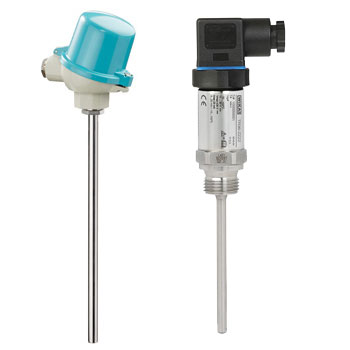
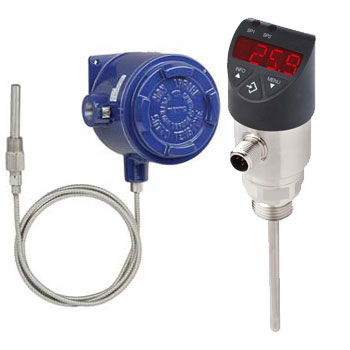
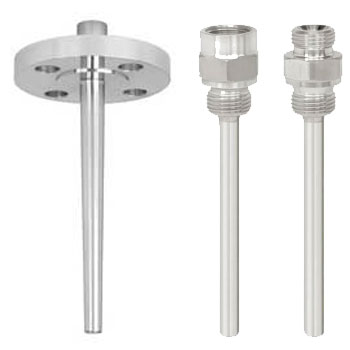
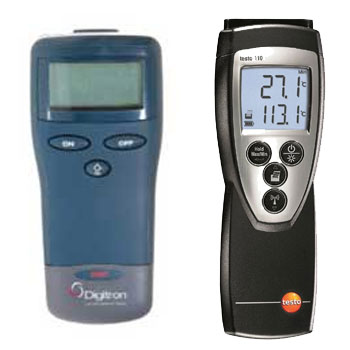
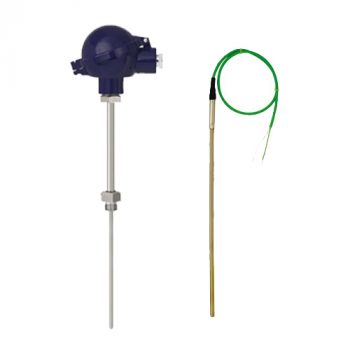
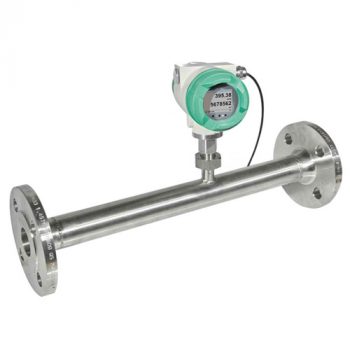























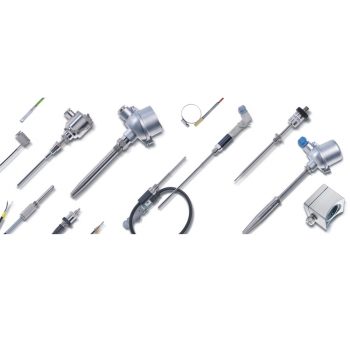
- with connection head
- Special stainless steel sheated thermocouples
- Thermocouples for shipbuilding applications (GL)
- Thermocouple with explosion proof
- Measuring inserts
- Special types
- Precision thermocouples
- Cable sensors
 Product catalog Product catalog
|
|
User Manual
|
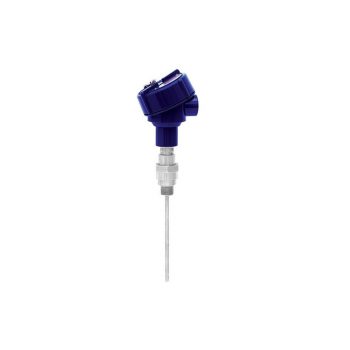
- Sensor ranges from -40 ... +1,260 °C [-40 ... +2,300 °F]
- For mounting in all standard thermowell designs
- Spring-loaded measuring insert (replaceable)
- Explosion-protected versions
- Fixed fitting (welded) measuring insert

|
Datasheet
|
|
User Manual
|
|
User Manual
|
|
User Manual
|
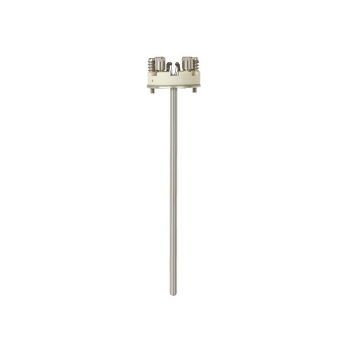
- Sensor ranges from -40 ... +1,200 °C [-40 ... +2,192 °F]
- Made of mineral-insulated sheathed measuring cable
- Functional safety (SIL) with model T32 temperature transmitter
- Spring-loaded design
- Explosion-protected versions are available for many approval types (see data sheet page 2)
|
Datasheet
|
|
User Manual
|
|
User Manual
|
|
User Manual
|
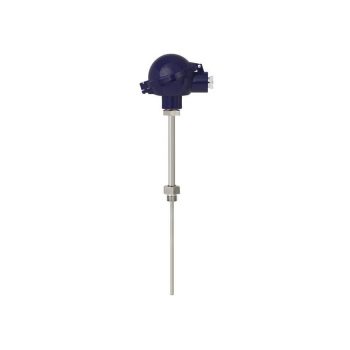
- Sensor ranges from -40 ... +1,200 °C [-40 ... +2,192 °F]
- With integrated fabricated protection tube
- Spring-loaded measuring insert (replaceable)
- Explosion-protected versions are available for many approval types (see data sheet page 2)
|
Datasheet
|
|
User Manual
|
|
User Manual
|
|
User Manual
|
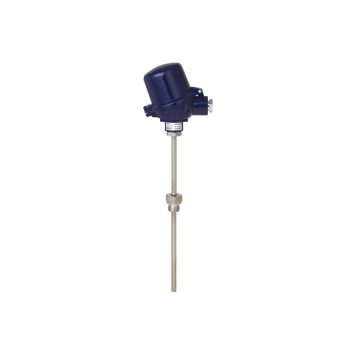
- Sensor ranges from -40 ... +1,200 °C [-40 ... +2,192 °F]
- With integrated fabricated protection tube
- Spring-loaded measuring insert (replaceable)
- Explosion-protected versions are available for many approval types (see data sheet page 2)
|
Datasheet
|
|
User Manual
|
|
User Manual
|
|
User Manual
|
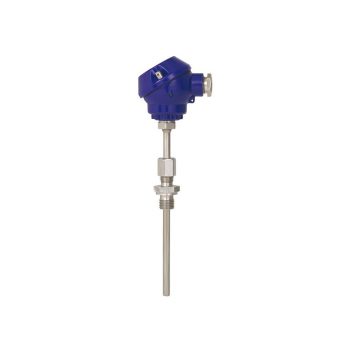
- Sensor ranges from -40 ... +600 °C [-40 ... +1,112 °F]
- Compact design
- Universal application
- Direct installation into the process
- Explosion-protected versions are available for many approval types (see data sheet page 2)
|
Datasheet
|
|
User Manual
|
|
User Manual
|
|
User Manual
|
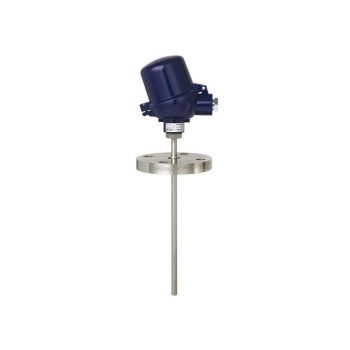
- Sensor ranges from -40 ... +1,200 °C [-40 ... +2,192 °F]
- With integrated fabricated protection tube
- Spring-loaded measuring insert (replaceable)
- Explosion-protected versions are available for many approval types (see data sheet page 2)
|
Datasheet
|
|
User Manual
|
|
User Manual
|
|
User Manual
|
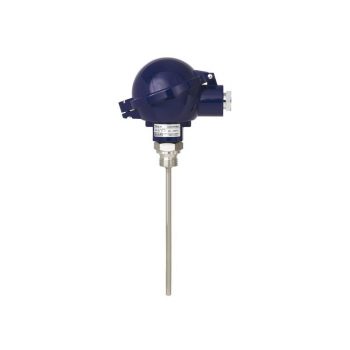
- Sensor ranges from -40 ... +1,200 °C [-40 ... + 2,192 °F]
- For insertion, screw-in with optional process connection
- Connection head form B or JS
- Explosion-protected versions are available for many approval types (see data sheet page 2)
|
Datasheet
|
|
User Manual
|
|
User Manual
|
|
User Manual
|
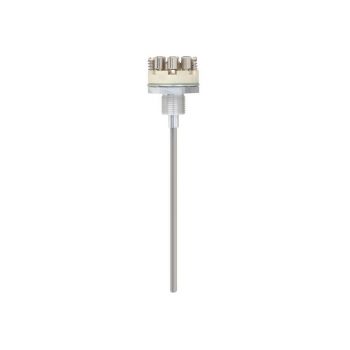
- Sensor ranges from -40 ... +1,200 °C (-40 ... +2,192 °F)
- Made of mineral-insulated sheathed measuring cable
- For all standard thermowell designs
- Spring-loaded design
- Explosion-protected versions
|
Datasheet
|
|
User Manual
|
|
User Manual
|
|
User Manual
|
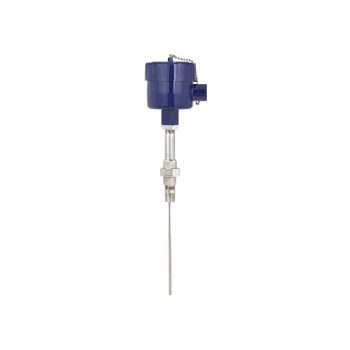
- Sensor ranges from -40 ... +1,200 °C (-40 ... +2,192 °F)
- Measuring insert replaceable
- For many thermowell designs
|
Datasheet
|
|
User Manual
|
|
User Manual
|
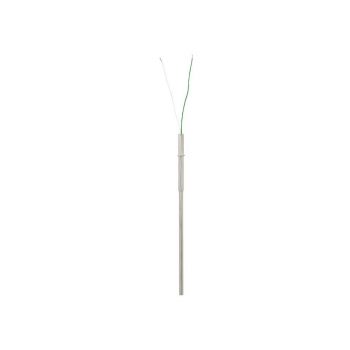
- Application ranges from 0 ... 1,200 °C (32 ... 2,192 °F)
- Made of mineral-insulated sheathed cable
- Explosion-protected versions
|
Datasheet
|
|
User Manual
|
|
User Manual
|
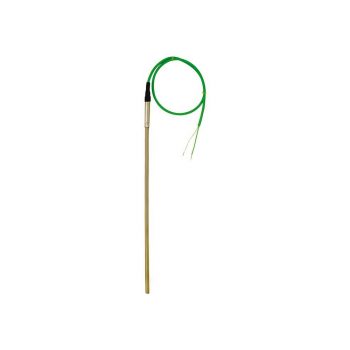
- Sensor ranges from -40 ... +1,200 °C (-40 ... 2,192 °F)
- For insertion, screw-in with optional process connection
- Cable from PVC, silicone, PTFE or glass fibre
- High mechanical strength
- Explosion-protected versions
|
Datasheet
|
|
User Manual
|
|
User Manual
|
|
User Manual
|
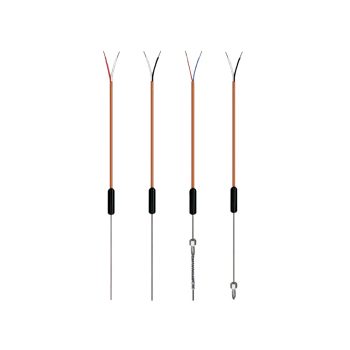
- Exclusion of potential faults during installation and operation in hot runner systems thanks to plasticencapsulated transition
- The thermocouple can be installed without any fixing through bending or forming the sheathed cable or with a rotatable (if required, spring-loaded) union screw
- Probe diameter 0.5 ... 3.0 mm [0.020 ... 0.118 in]
- Kapton®, as the industry standard insulating material for connection cables
|
Datasheet
|
|
Bedienungsanleitung
|
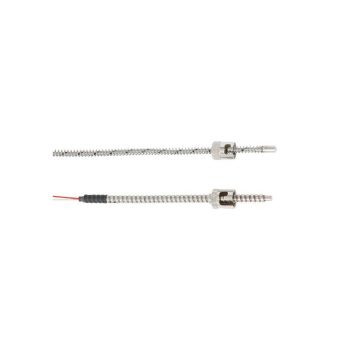
- Application range up to 400 °C [752 °F]
- Insertion length and contact pressure can be adjusted through sliding bayonet cap
- Thermocouple cable standard with glass-fibre insulation and stainless steel braid
- Thermocouple type J or K in accordance with IEC 60584 or ASTM E230
- Tip construction: Tubular design
|
Datasheet
|
|
User Manual
|
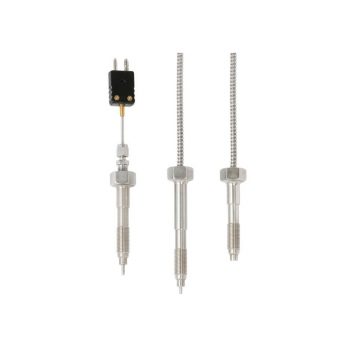
- The sensor is fixed at a pre-determined bolt length and mounted into the process
- The thermocouple sensors are available with a variety of junction configurations
- Sheath material ranges from stainless steel, corrosion resistant and high temperature oxidation resistant alloys
- Sensor diameter from 4 mm to a flat surface
- Interchangeable and easily replaceable
|
Datasheet
|
|
User Manual
|
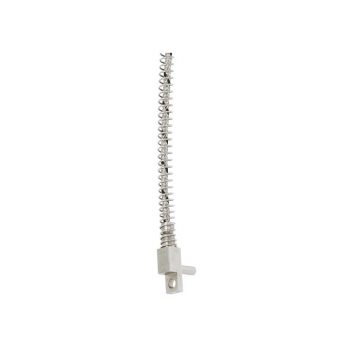
- Application range up to 400 °C [752 °F]
- Thermocouple cable standard with glass-fibre insulation and stainless steel braid
- Thermocouple type J or K in accordance with IEC 60584 or ASTM E230
- The manifold thermocouple is a low profile design
- Interchangeable and easily replaceable
|
Datasheet
|
|
User Manual
|
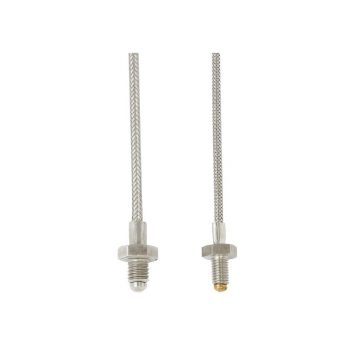
- The sensor is fixed with a pre-determined threaded bolt and mounted into the process
- The nozzle thermocouples are a low profile in design
- Extension cable is available in a variety of insulation and jacketed materials. These include fibreglass, PTFE or PVC to name a few.
- With or without stainless steel overbraid
- Interchangeable and easily replaceable
|
Datasheet
|
|
User Manual
|
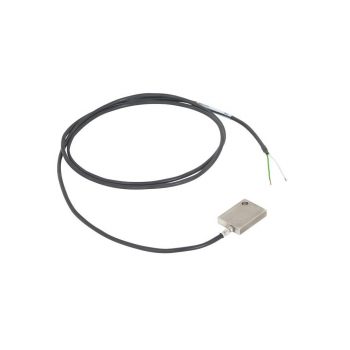
- Sensor ranges -40 ... +1,200 °C (-40 ... +2,192 °F)
- Easily exchanged, no thermowell necessary
- For screw-fitting, welding or using a tightening strap
- Cable from PVC, silicone, PTFE or glass fibre
- Explosion-protected versions
|
Datasheet
|
|
User Manual
|
|
User Manual
|
|
User Manual
|
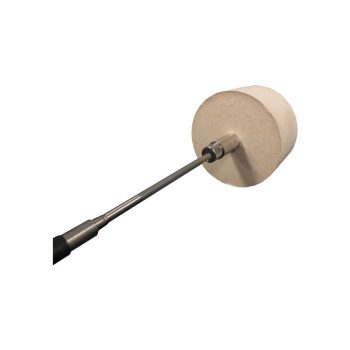
- Simplified maintenance and sensor removal without the use of specialised tools
- Maximum surface contact tip design
- High-temperature applications (up to 540 °C [1,000 °F])
|
Datasheet
|
|
User Manual
|
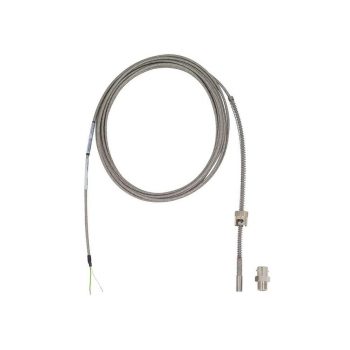
- Sensor ranges up to max. 1,200 °C (2,193 °F)
- Single and dual thermocouple
- Good heat transfer through adjustable spring-loading
- Easy installation and removal, no tools needed
- Explosion-protected versions
|
Datasheet
|
|
User Manual
|
|
User Manual
|
|
User Manual
|
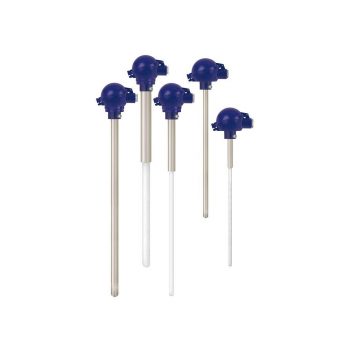
- Application ranges up to max. 1,600 °C / 2,912 °F (DIN EN 50446)
- Thermowell made of heat-resistant steel or ceramic, also with ceramic inner tube
- Support tube of carbon steel
- Gastight process connection
- Coating (optional)
|
Datasheet
|
|
User Manual
|
|
User Manual
|
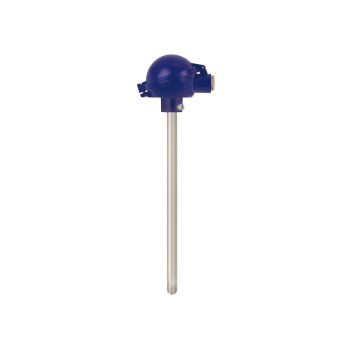
WIKA Model TC81 Thermocouple for flue gas temperature measurements – With protection tube model TW81
- Application ranges up to +1,200 °C (+2,192 °F)
- Protection tube from heat-resistant steel
- Measuring insert replaceable
- Gas-tight process connection (option)
|
Datasheet
|
|
User Manual
|
|
User Manual
|
|
User Manual
|
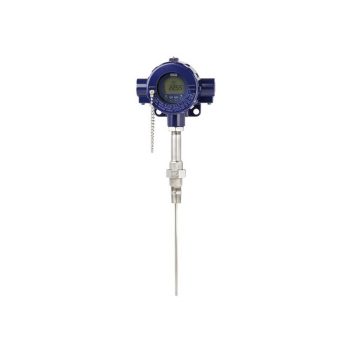
- Application ranges from -40 ... +1,200 °C (-40 ... +2,192 °F)
- For many variants of temperature transmitters including field transmitter
- For mounting in all standard thermowell designs
- Spring-loaded measuring insert (replaceable)
- Explosion-protected versions
|
Datasheet
|
|
User Manual
|
|
User Manual
|
|
User Manual
|
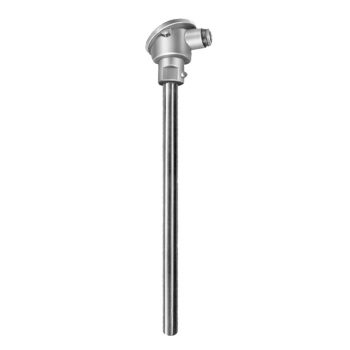
The straight thermocouple together with a metal thermowell is suitable for temperatures from 0 to 1250 °C (32 to 2282 °F) and can be supplied with a built-in temperature transmitter.
|
Datasheet
|
The flue gas resistance thermometer with connection head is suitable for the temperature range from -50 to +600 °C (-58 to +1112 °F) and can also be supplied with a built-in tem-perature transmitter.
|
Datasheet
|
