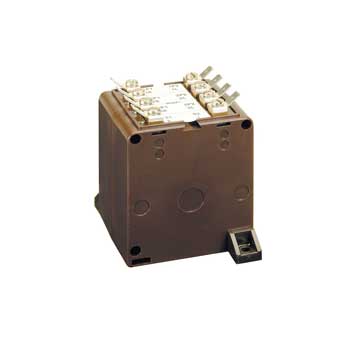
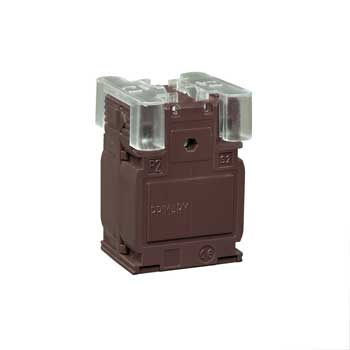
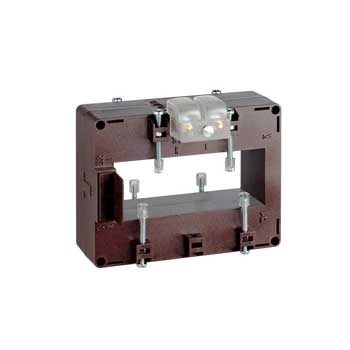
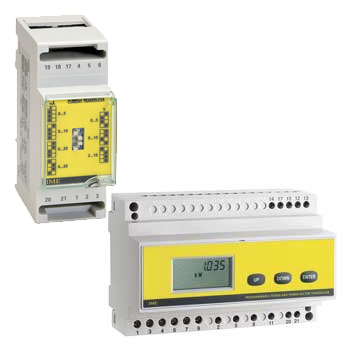
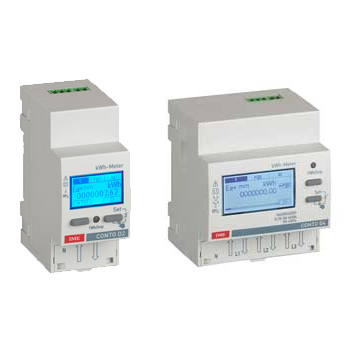
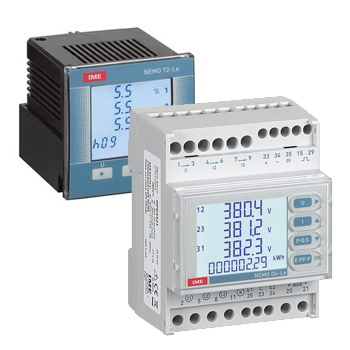
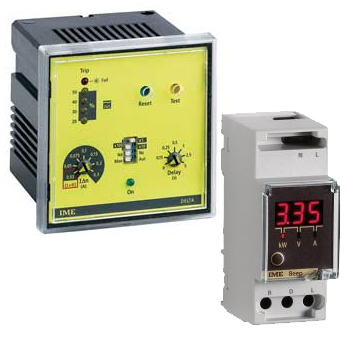
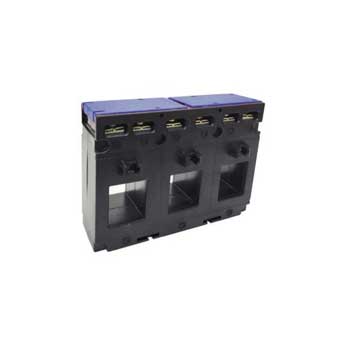
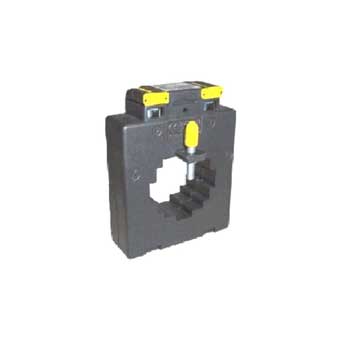
Current and Voltage Transformers for Switchgear Cabinets
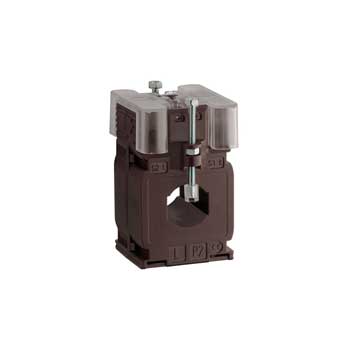
Current and voltage transformers are devices that transform electrical quantities such as current or voltage into safe, measurable levels, making them usable for meters, controllers or protection systems. They allow safe, galvanically isolated measurement of high currents or voltages and provide standard output signals. This makes them essential for energy monitoring, network supervision, measurement and protection tasks in distribution boards or industrial installations.
Questions & Answers
What is the purpose of current and voltage transformers?
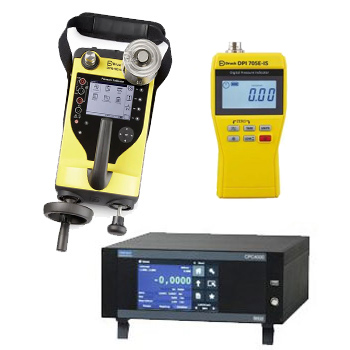
They reduce high currents or voltages from primary circuits to safe, standardized signals for measuring or control devices — for tasks like load monitoring, energy metering, consumption tracking or protective functions.
What types of transformers are available?
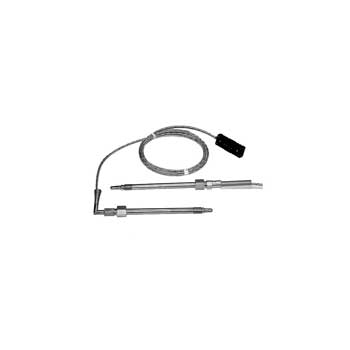
There are current transformers (for AC or DC), voltage transformers (or voltage dividers/transformers) and combinations including versions with integrated signal conditioning (transducers). Depending on the application and the type of signal, the appropriate transformer is chosen.
How does a current transformer work?
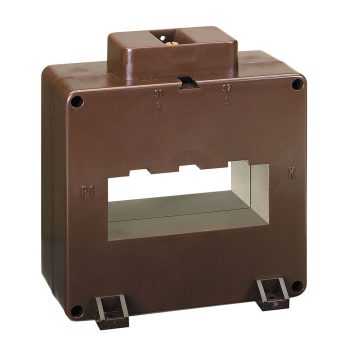
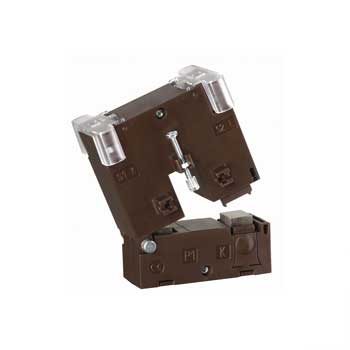
A current transformer transforms a primary current via a magnetic core into a proportional secondary current — via induction for AC, or suitable sensing for DC — thereby scaling the current down to a safe value.
How does a voltage transformer work?
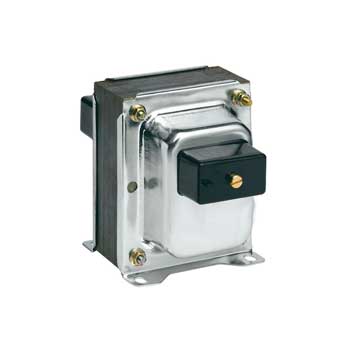
A voltage transformer reduces a high primary voltage to a lower, safe measurement-friendly value via a transformer, divider network or dedicated electronics, enabling measurement and processing by standard devices.
What advantages do transformers bring in cabinet installations?
They ensure safe connections for measurement or protection equipment, provide galvanic isolation, decrease wiring and signal processing effort, and generate standardized outputs suitable for automation systems.
What applications are they suitable for?
Transformers are used in energy and load monitoring, network and load supervision, motor and drive control, protection and safety systems, consumption measurement or general automation and control scenarios.
What must be considered when selecting and dimensioning transformers?
Primary current or voltage levels and their maxima must be known to correctly size the transformer. Secondary output type, isolation, accuracy, and compatibility with downstream electronics must be considered.
How is safety and protection ensured when using transformers?
By ensuring galvanic isolation, correct wiring, proper insulation, adherence to specified current/voltage ranges, and correct grounding or shielding, safe and reliable measurement and operation is achieved.
How are transformers integrated into measurement or control systems?
The transformer is connected in-line with the primary conductor (for current) or primary voltage. The secondary output then feeds meters, controllers or protection systems, which can then further process or display the measured value.