

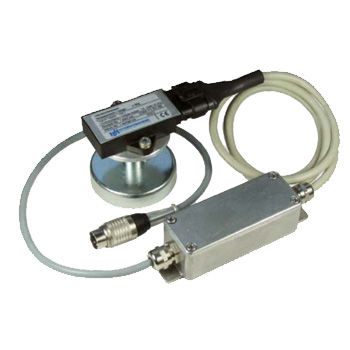
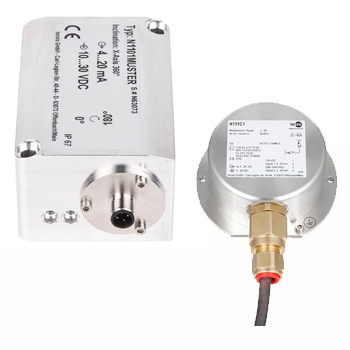
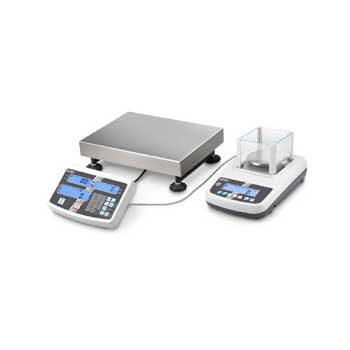
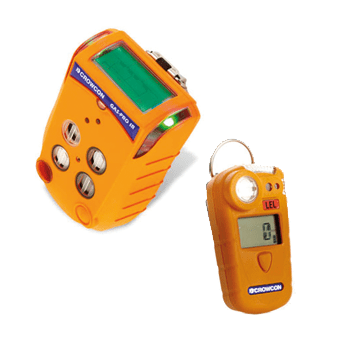
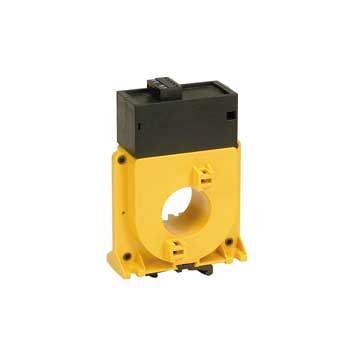
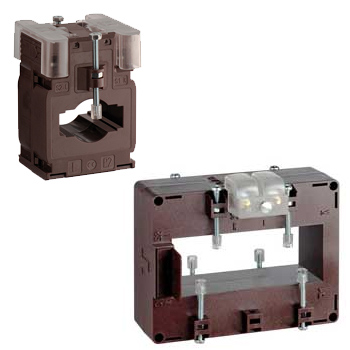
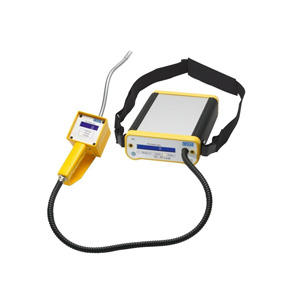
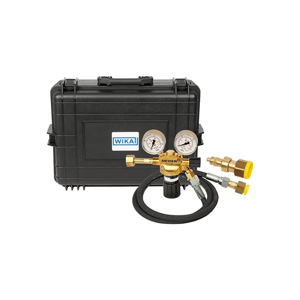
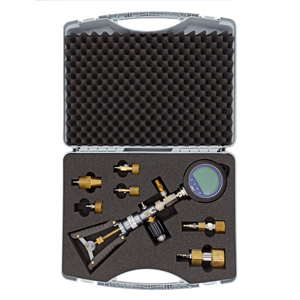
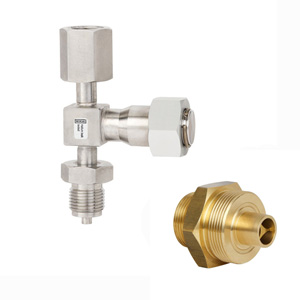
























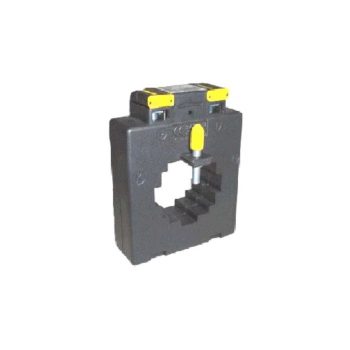
• Eichfähige Aufsteckstromwandler
  • Durchführung Ø 21
  • Frequenz : 47...63Hz - Nennspannung : 0,72kV - Prüfspannung : 4kV für 1 Minute bei 50Hz
  • Isolationsklasse : E
  • Termischer Kurzschlusstrom (th) : 60In - dynamischer Grenzstrom (Idyn) : 2,5 Ith
  • Überstrom-Begrenzungsfaktor : FS 5
  • Gehäuse : polycarbonat; selbstverlöschen; Befestigung : Steckfüße
Datasheet

  • Eichfähige Aufsteckstromwandler
  • Durchführung Ø 28
  • Frequenz : 47...63Hz - Nennspannung : 0,72kV - Prüfspannung : 4kV für 1 Minute bei 50Hz
  • Isolationsklasse : E
  • Termischer Kurzschlusstrom (th) : 60In - dynamischer Grenzstrom (Idyn) : 2,5 Ith
  • Überstrom-Begrenzungsfaktor : FS 5
  • Gehäuse : polycarbonat; selbstverlöschen; Befestigung : Steckfüße
Datasheet

  • Eichfähige Aufsteckstromwandler
  • Durchführung Ø33
  • Frequenz : 47...63Hz - Nennspannung : 0,72kV - Prüfspannung : 4kV für 1 Minute bei 50Hz
  • Isolationsklasse : E
  • Termischer Kurzschlusstrom (th) : 60In - dynamischer Grenzstrom (Idyn) : 2,5 Ith
  • Überstrom-Begrenzungsfaktor : FS 5
  • Gehäuse : polycarbonat; selbstverlöschen; Befestigung : Steckfüße
Datasheet

  • Eichfähige Aufsteckstromwandler
  • Durchführung Ø42
  • Frequenz : 47...63Hz - Nennspannung : 0,72kV - Prüfspannung : 4kV für 1 Minute bei 50Hz
  • Isolationsklasse : E
  • Termischer Kurzschlusstrom (th) : 60In - dynamischer Grenzstrom (Idyn) : 2,5 Ith
  • Überstrom-Begrenzungsfaktor : FS 5
  • Gehäuse : polycarbonat; selbstverlöschen; Befestigung : Steckfüße
Datasheet

  • Eichfähige Aufsteckstromwandler
  • Durchführung Ø53
  • Frequenz : 47...63Hz - Nennspannung : 0,72kV - Prüfspannung : 4kV für 1 Minute bei 50Hz
  • Isolationsklasse : E
  • Termischer Kurzschlusstrom (th) : 60In - dynamischer Grenzstrom (Idyn) : 2,5 Ith
  • Überstrom-Begrenzungsfaktor : FS 5
  • Gehäuse : polycarbonat; selbstverlöschen; Befestigung : Steckfüße
Datasheet


Clamp-on / Split-Core Current Transformers suitable for Legal Measurement / Calibration

Clamp-on or split-core CTs that are declared as “calibratable” (or “calibration-capable”) are designed so that they can meet regulatory or statutory requirements for measurement accuracy and traceability. They allow simple retroactive installation around existing live conductors without circuit interruption and provide a standardized secondary current (typically 1 A or 5 A), compatible with calibrated meters or billing-grade measurement systems.

Questions & Answers

What does “calibratable / calibration-capable” mean for a CT?

It means the transformer is built and specified in such a way that it can pass a calibration or conformity evaluation — i.e. its measurement characteristics (ratio, linearity, stability) are reproducible and meet defined uncertainty limits.

Why are calibration-capable CTs significant?

If measurement data are to be used for billing, official reporting, energy auditing or any legally relevant purpose, the measuring chain must meet regulatory requirements. Calibration-capable CTs ensure this is feasible.

Which forms of CTs can be calibration-capable?

Even split-core or clamp-on CTs can be calibration-capable — not only fixed or wound types. Dadurch eignen sie sich besonders gut für Retrofit oder Nachrüstung in bestehenden Anlagen, wenn dennoch Rechtssicherheit und Messgenauigkeit gefragt sind.

What secondary output do such CTs typically provide?

Usually they output a standardized secondary current (1 A or 5 A), so that calibrated meters or power analyzers can be connected directly under standardized conditions.

What must be considered during installation to preserve calibration capability?

The conductor must run centrally through the core; the CT clamp must be closed properly, and the secondary circuit must always be connected (never open). The burden and wiring must meet the specified limits for accuracy to remain valid.

For which applications are calibration-capable clamp-on CTs suited?

For energy billing, certified measurement, load monitoring, energy audits, retrofit energy metering — whenever measurement results must be legally valid, traceable or used for official evaluation.

Are there limitations compared to fixed CTs?

Yes. Clamp-on or split-core CTs can be more sensitive to installation errors (misalignment, conductor off-center, incorrect burden). For highest precision or legal measurement it must be ensured that the setup meets all calibration requirements.

What is the difference between “calibratable” and “calibrated”?

“Calibratable” (eichfähig) means the device is eligible for calibration under standards. “Calibrated” (geeicht) means it has actually undergone calibration or approval and carries the corresponding certificate or mark — and is valid for legally binding measurements.

What happens if the secondary circuit is open or burden not correct?

This leads to risk of high voltages on the CT secondary, invalid measurement values or even damage. Under calibration-relevant conditions, this makes the measurement result invalid and can violate regulations.

When is using a calibration-capable clamp-on CT particularly beneficial?

Whenever existing installations must be surveyed or retrofitted for energy monitoring, load logging or billing and a legally compliant, eichfähige Messlösung erforderlich ist — ohne große Eingriffe oder Unterbrechung der Stromversorgung.

Diese Website benutzt Cookies. Wenn du die Website weiter nutzt, gehen wir von deinem Einverständnis aus.