
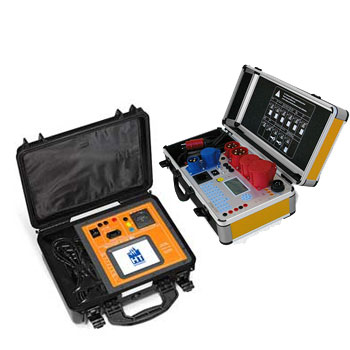
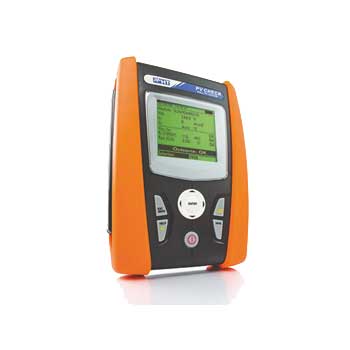
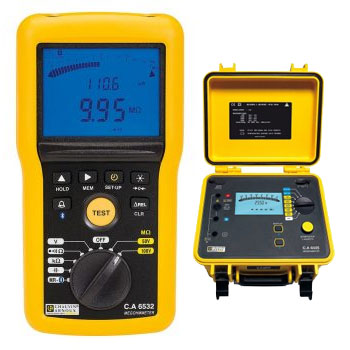
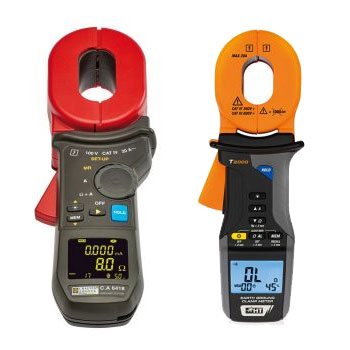
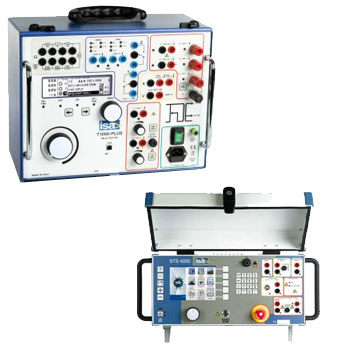
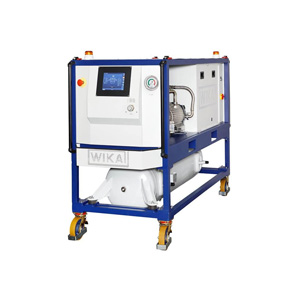
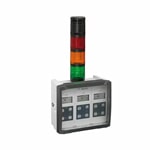
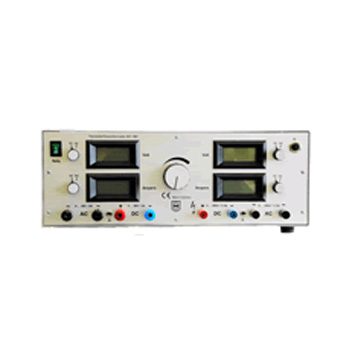
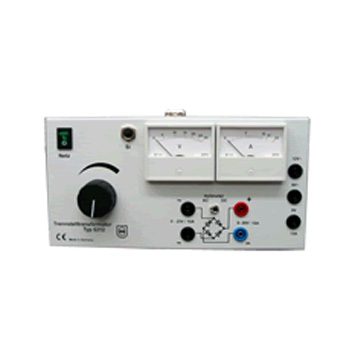
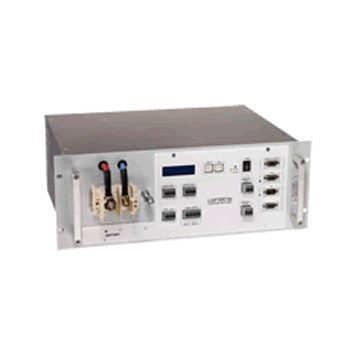
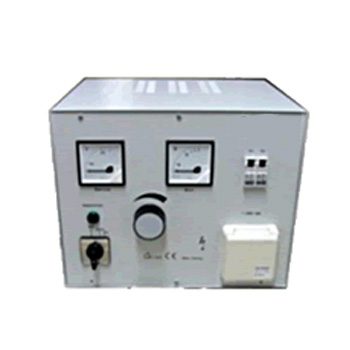
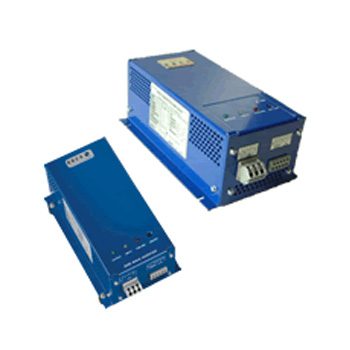
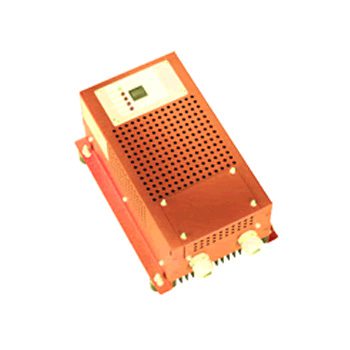




























- 5kA maximum output current (higher overload currents for 2s)
- Multi-function digital timing system
- Digital true RMS memory ammeter
- Solid state switching
- 200A, 2000A and 5000A loading units
- Three range outputs on loading units
- Rugged, compact design
- Optional trolley mounting of system
- Secondary injection up to 100A
- Auxiliary metering input
-
Direct reading CT ratio and polarity
Datasheet
|
Impedance Test System for Cables and Overhead Lines
An impedance test system for cables and overhead lines measures and analyses the electrical impedance of conductors in power and distribution networks. These systems determine line parameters (resistance, inductance, possibly capacitance), assess line condition and quality, and detect insulation faults, contact issues or cable degradation — supporting fault diagnosis, network calculations and protection coordination.
FAQ
What is an impedance test system for cables and overhead lines?
It is a test setup that measures the electrical impedance of cables or overhead lines, providing data about the real condition of the conductor and allowing evaluation of line quality and possible hidden defects.
Why is impedance measurement important for cables and lines?
Because impedance values impact current carrying capacity, voltage drop, short-circuit currents and protective device settings. Deviations may indicate damages, insufficient conductivity or insulation defects.
When should an impedance test be done?
At commissioning, after installation, after repairs or modifications, following suspected faults or aging, before heavy loading, or as part of routine maintenance inspections.
Which parameters are determined in such tests?
Ohmic resistance (R), inductive reactance (X), overall complex impedance (Z), phase angle, and, if relevant, per-length parameters or capacitive/conductive components.
How is the measurement performed?
The test system injects a defined current or voltage; by measuring voltage drop, current and phase shift, the impedance is calculated. Some systems also allow frequency-dependent measurements or load simulation.
What kind of faults can impedance testing detect?
Damaged or degraded cables, partial breaks, bad joints or contacts, insulation weaknesses, corrosion, unintended parallel paths, degradation over time or improper installation.
What advantages does impedance testing offer compared to simple continuity or insulation tests?
It provides a more realistic assessment of the conductor’s performance under load, reveals latent defects and allows evaluation of load capability and safety under electrical stress — not just basic connectivity or insulation.
Can impedance measurements be done while network is live?
Depending on the method — sometimes tests require the line to be de-energized; in other cases, small test signals may be applied under controlled conditions. Safety and network rules must be strictly followed.
Who should perform the tests?
Qualified technicians or engineers familiar with power network design, measurement equipment, safety regulations, and capable of interpreting impedance and network parameters properly.
How should test results be documented and evaluated?
With a report including conductor type, length, installation parameters, measurement conditions, impedance data, deviations from reference values, date, tester and any recommendations or interventions.
What are potential consequences of abnormal impedance values?
Higher losses, excessive heating, voltage drop, reduced short-circuit capacity, malfunction of protection systems, reduced lifespan, and increased risk of failure under load.
How often should impedance testing be carried out?
At initial commissioning, after repairs or modifications, and regularly during maintenance — depending on criticality possibly annually or at defined intervals.
Is there a standard or reference for acceptable impedance values?
Acceptable values depend on conductor type, cross-section, length, installation environment and load. Reference or design values from standards or manufacturer data should be used for comparison.


Datasheet