WIKA SF6 Gas Solutions

SF6 gas solutions encompass devices and components for handling, monitoring, analysis, filling and maintenance of sulfur hexafluoride (SF6)-filled high-voltage equipment and systems. This includes pressure and temperature transmitters, gas pressure regulators, valves, filling and evacuation units, leak and tightness tests, as well as analysis and monitoring systems. The objective is to enable safe, precise and regulation-compliant handling — considering the special properties and requirements of SF6: high insulation strength at gas pressure, environmental and safety regulations, tightness and gas recovery.

Frequently Asked Questions about SF6 Gas Solutions

What is SF6 and what is it used for?

SF6 (sulfur hexafluoride) is a colorless, odorless gas with very high dielectric strength and excellent insulation properties. Therefore, it is used in high-voltage equipment as an insulating and arc-quenching gas — for example in switchgear, transformers, circuit breakers and gas-insulated switchgear (GIS).

Why are special SF6 gas solutions required?
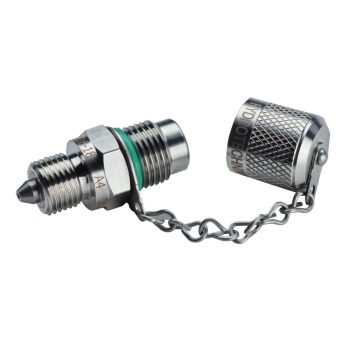
Due to the physical and chemical properties of SF6 — high pressure, strong insulation effect and environmental relevance — special components and procedures are needed: pressure-resistant connections, gas-tight sealing systems, precise pressure and temperature measurement, safe gas filling or evacuation, and monitoring. Conventional components are often insufficient.

Which devices typically belong to SF6 gas solutions?
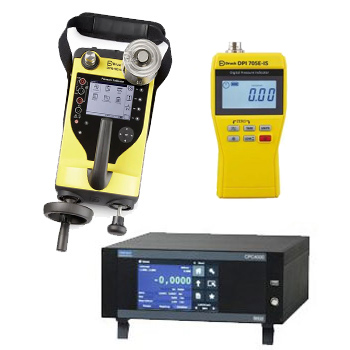
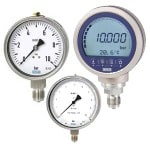
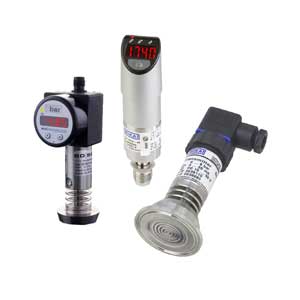
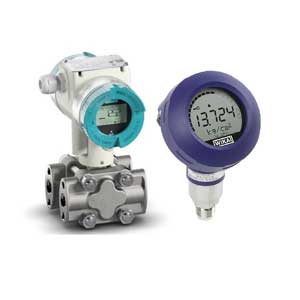
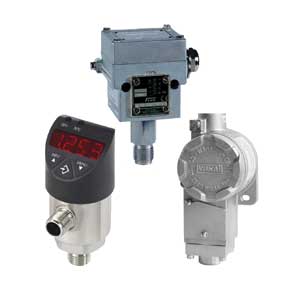
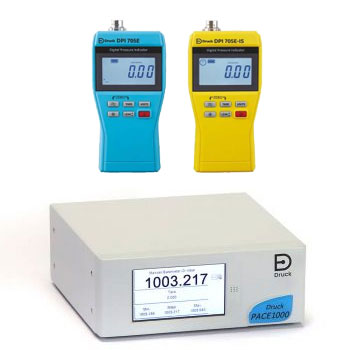
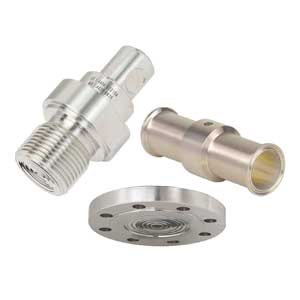
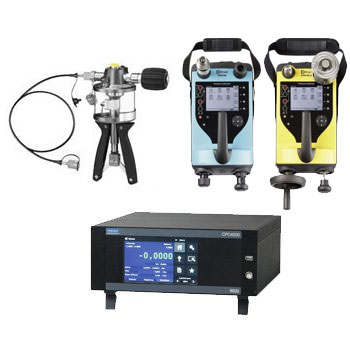
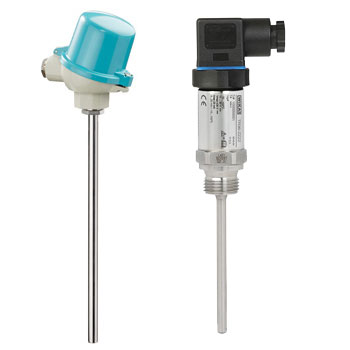
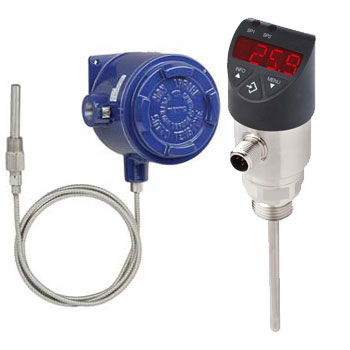
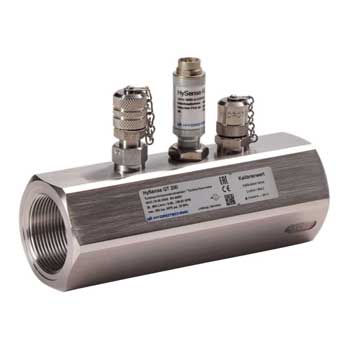
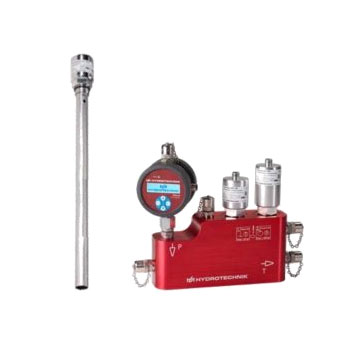
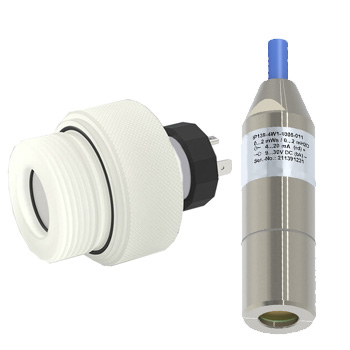
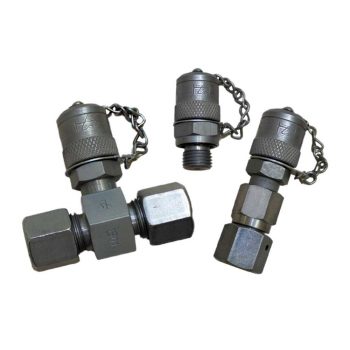
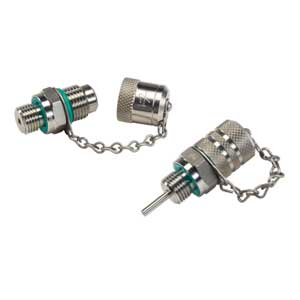
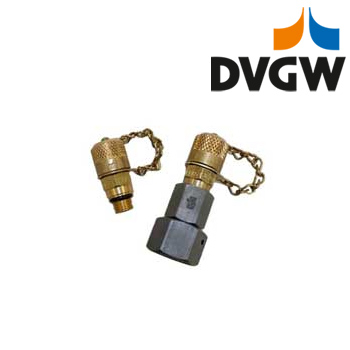
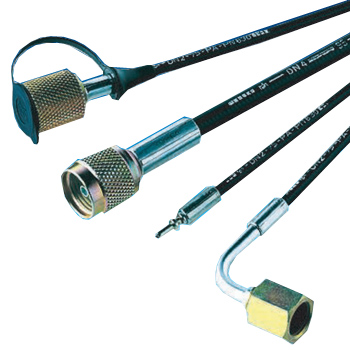
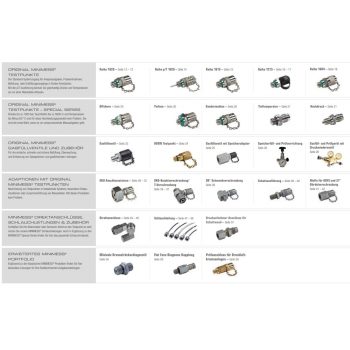
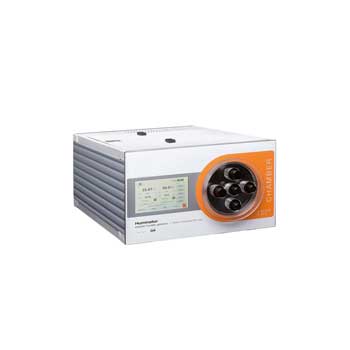
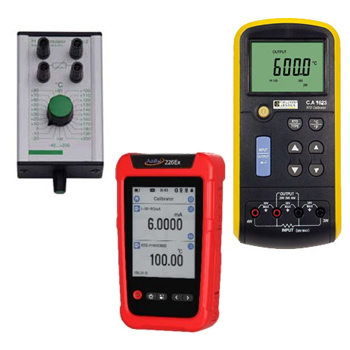
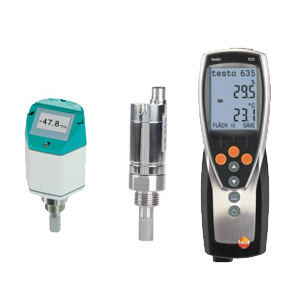
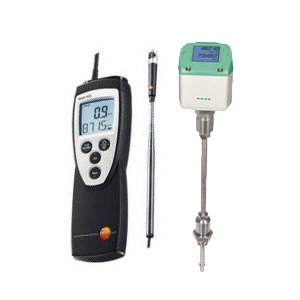
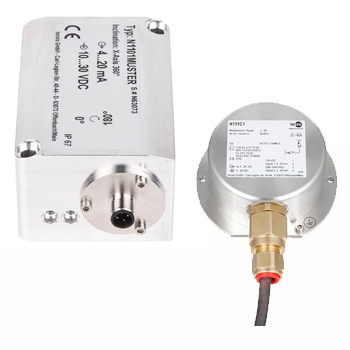
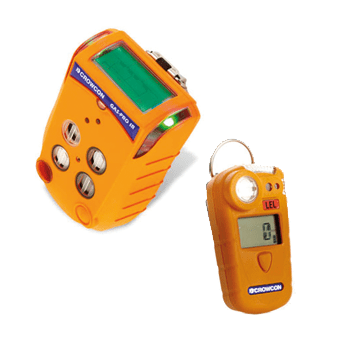
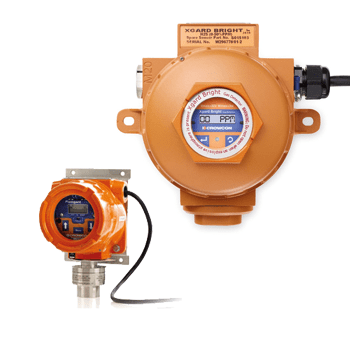
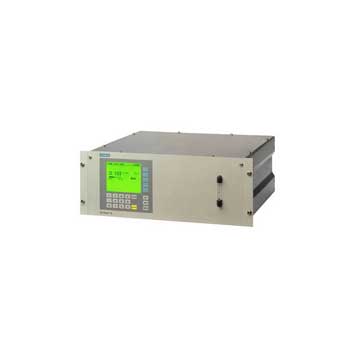
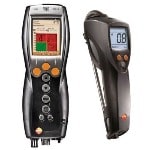
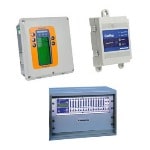
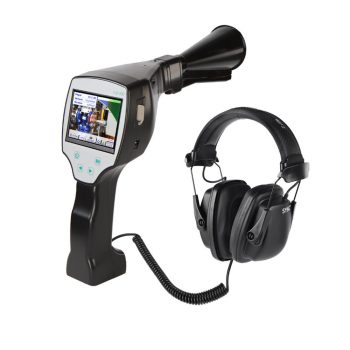
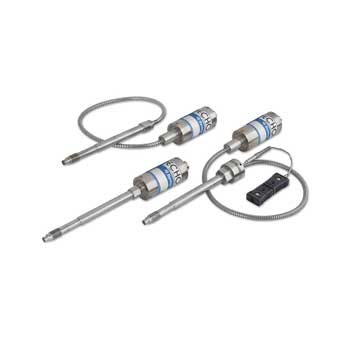
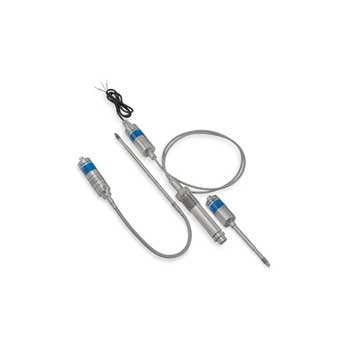
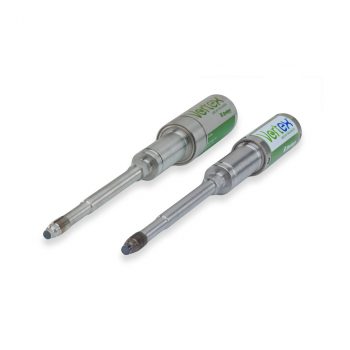
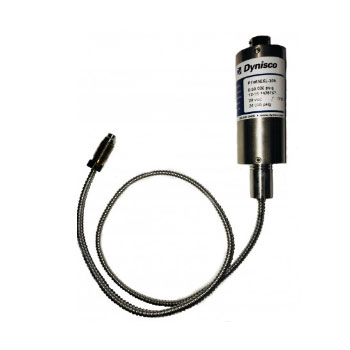
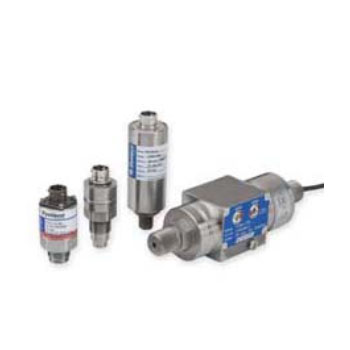
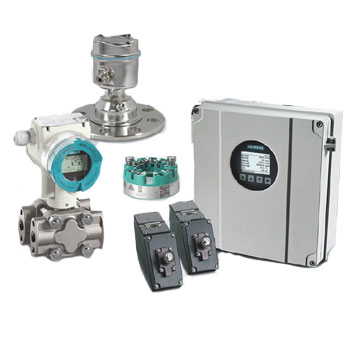
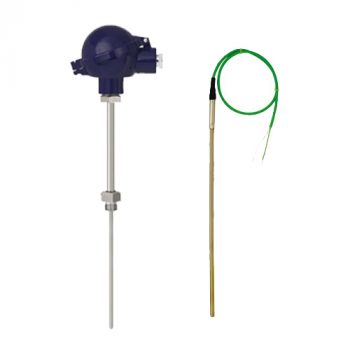
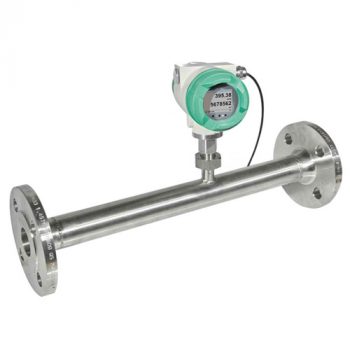
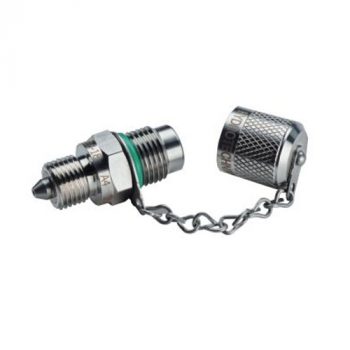
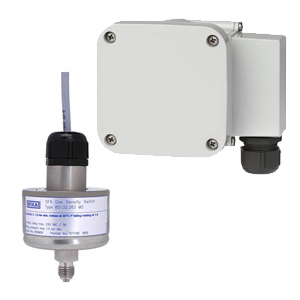
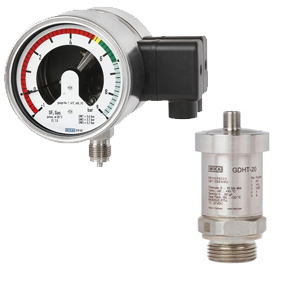
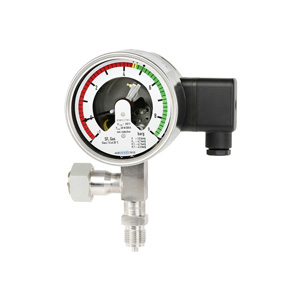
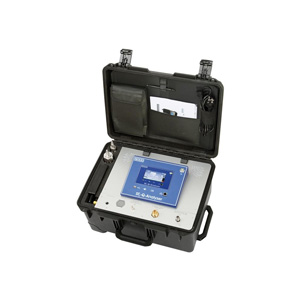
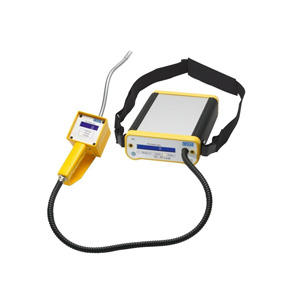
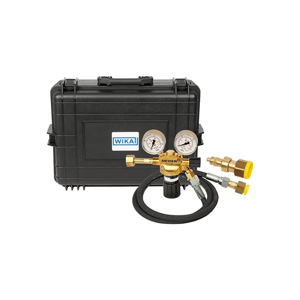
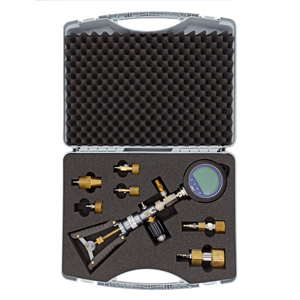
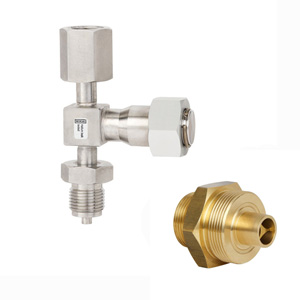
These include: pressure and temperature transmitters, filling and evacuation units, gas pressure regulators, valves and ball valves, gas analyzers, moisture and gas purity devices, leak detectors, gas recovery systems, adapters and quick couplings, hoses and safety equipment.

How are pressure and temperature monitored in SF6 systems?

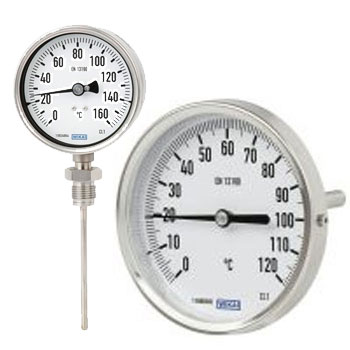
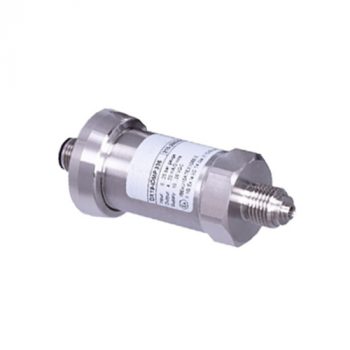
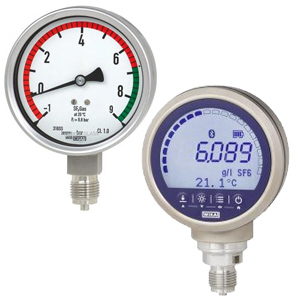
Specialized pressure and temperature transmitters continuously measure the operating pressure and temperature inside the SF6 system. This enables early detection of deviations — for instance due to temperature changes, pressure drops or leaks — and initiation of countermeasures.

How does filling and evacuation of SF6 equipment work?

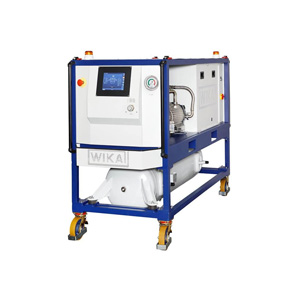
Filling and evacuation units allow controlled, clean gas intake and discharge. SF6 is transferred into or out of equipment under defined pressure, often including vacuum or condensation steps, to avoid gas loss, moisture ingress or contamination.

How is tightness and leak monitoring ensured?
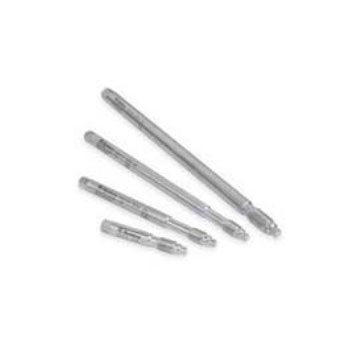
Leak detectors, pressure drop measurements and gas analyses can detect SF6 escape early. Tightness tests with overpressure and high-sensitivity leak detectors are standard. Gas-tight sealing systems and high-quality valves help maintain long-term tightness.

Which environmental and safety requirements must be observed?
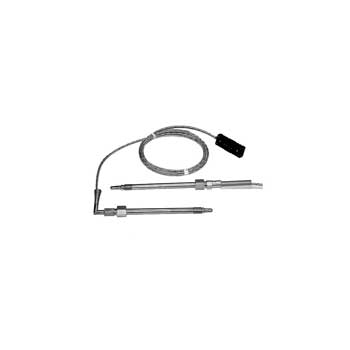
SF6 is a potent greenhouse gas with high global warming potential (GWP). Therefore, recovery, recycling, leak monitoring and documented handling are mandatory. Moreover, all SF6 work must comply with pressurised gas and safety regulations, and appropriate personal protective equipment must be used.

Can SF6 be recycled or reconditioned?

Yes — after evacuation, SF6 can be cleaned, dried and stored using specialized conditioning or recycling units. This reduces gas loss and environmental impact. Under certain conditions, re-filling is possible.

For which pressure and temperature ranges are SF6 gas solutions designed?

SF6 systems typically operate at pressures from a few bar up to around 5–7 bar for gas-insulated switchgear; certain applications may require higher pressures. Components must be rated for the specified pressure and temperature range — including safety margins for temperature fluctuations and pressure variations.

What is the role of gas analyzers and purity measurement devices?

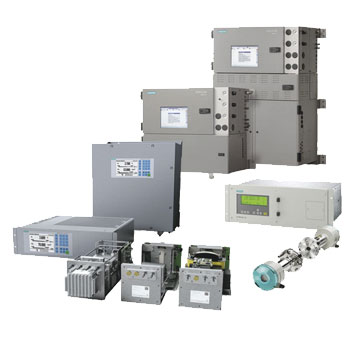
Gas analyzers and purity meters monitor the quality of SF6, residual moisture, gas ingress or contamination. Only clean, dry SF6 ensures reliable insulation and prevents corrosion or arcing issues. Changes in gas composition can indicate leaks, moisture ingress or aging.

Are SF6 gas solutions suitable for mobile or stationary applications?

Both: mobile filling, evacuation or test units enable on-site maintenance or servicing; stationary monitoring and analysis systems provide continuous control and safety in switchgear installations or substations.

How often should SF6 systems be inspected and maintained?

Regular inspections should be carried out at least annually — including tightness tests, gas purity measurement and checking of valves, seals and connections. Additional inspection is required in case of leaks, any work on the equipment or after component replacement.

Are there alternatives to SF6 gas solutions?

There are alternative gases or gas mixtures (e.g. fluorinated or gas-insulated media) under development, which may offer lower environmental impact. However, their suitability depends heavily on the application, voltage level, and applicable approvals. Currently, SF6 remains standard in many applications.

What are typical application areas for SF6 gas solutions?

Typical applications include gas-insulated switchgear (GIS), high-voltage switchgear, transformers, circuit breakers, substations, maintenance and testing, service and commissioning, recycling and gas recovery, as well as upgrade and modernization projects in energy distribution and transmission systems.

Diese Website benutzt Cookies. Wenn du die Website weiter nutzt, gehen wir von deinem Einverständnis aus.