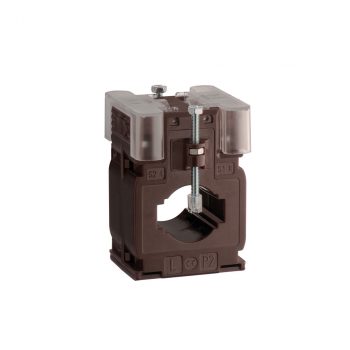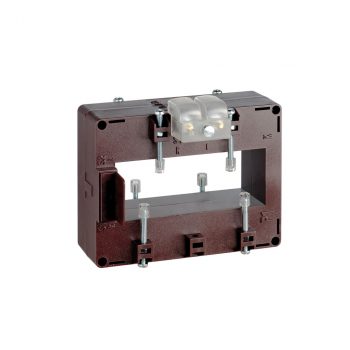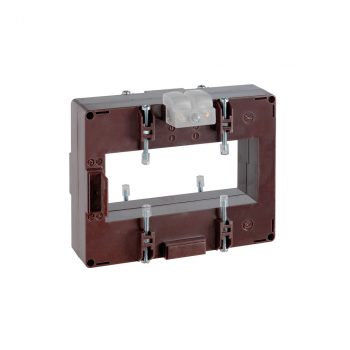

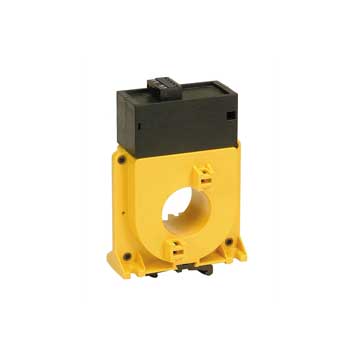
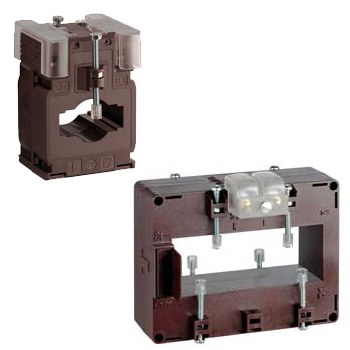
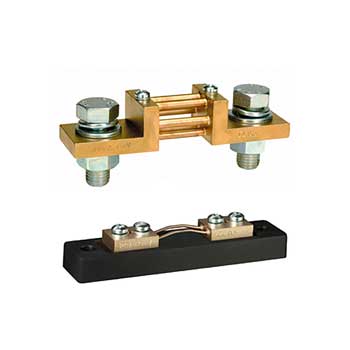
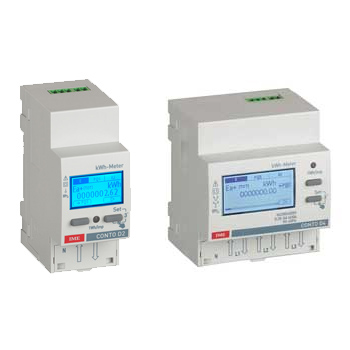































- Single-phase
- Cable/passing bar openings: 81×11 mm, 64×31 mm, 31×51 mm
- Current ratio: 1000/1A
- Accuracy class: 0.5/1
- Rated burden: 6/8 VA
Datasheet
|
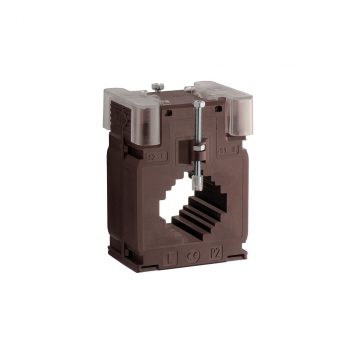
| CABLE/PASSING BUS BAR | ø 27 mm – 25,5×15,5 mm – 32,5×10,5 mm |
|---|---|
| TYPE | Single-phase current transformer - precision |
| RATIO | 400/5 A |
| PERFORMANCE | 5/4/8 VA |
Datasheet |
| CABLE/PASSING BUS BAR | ø 32 mm – 25,5×25,5 mm -32,5×20,5 mm -40,5×10,5 mm |
|---|---|
| TYPE | Single-phase current transformer - precision |
| RATIO | 600/5 A |
| PERFORMANCE | 6/3/7 VA |
Datasheet |
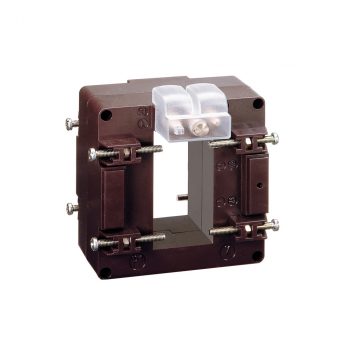
| CABLE/PASSING BUS BAR | 32×65 mm |
|---|---|
| TYPE | Single-phase current transformer - precision |
| RATIO | 1600/5 A |
| PERFORMANCE | 30/25/25 VA |
Datasheet |
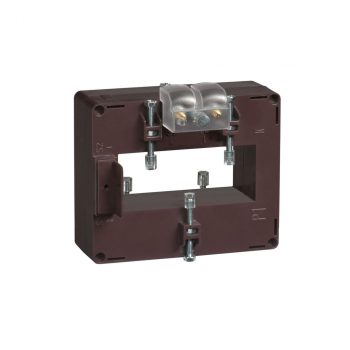
| CABLE/PASSING BUS BAR | 84×34 mm |
|---|---|
| TYPE | Single-phase current transformer - measurement |
| RATIO | 400/1 A |
| PERFORMANCE | 3/5/8 VA |
Datasheet |
| CABLE/PASSING BUS BAR | 102×38 mm |
|---|---|
| TYPE | Single-phase current transformer - precision |
| RATIO | 2500/5 A |
| PERFORMANCE | 20/15/25 VA |
Datasheet |
| CABLE/PASSING BUS BAR | 38×127 mm |
|---|---|
| TYPE | Single-phase current transformer - measurement |
| RATIO | 400/1 A |
| PERFORMANCE | 3 VA |
Datasheet |
| CABLE/PASSING BUS BAR | 54×127 mm |
|---|---|
| TYPE | Single-phase current transformer - measurement |
| RATIO | 1000/1 A |
| PERFORMANCE | 12/20 VA |
Datasheet |
| CABLE/PASSING BUS BAR | primary winding |
|---|---|
| TYPE | Single-phase current transformer - precision |
| RATIO | 150/1 A |
| PERFORMANCE | 5/10 VA |
Datasheet |
Accuracy Current Transformers (Accuracy Classes)
Accuracy current transformers are CTs classified by specific accuracy classes — for example 0.1, 0.2, 0.5, 1 or 3. These classes indicate how precisely the transformer reproduces the primary current as a proportional secondary current. A lower class number means higher accuracy. In addition to ratio error, phase displacement and the permissible burden also determine whether a CT is suitable for metering, monitoring or analysis tasks.
Questions & Answers
What does an accuracy class indicate?
It specifies the maximum permissible error when converting primary current into secondary current. For example, class 0.5 allows a maximum deviation of ±0.5 % under defined operating conditions.
Which accuracy classes are common?
Typical classes for measurement are 0.1, 0.2, 0.5, 1 and 3. They differ in allowed deviations and are selected based on the required precision level.
When should a higher-accuracy CT be selected?
Whenever precise measurements are needed — such as for energy billing, load analysis, energy monitoring or low-current measurement. In these cases, classes 0.5, 0.2 or 0.1 are recommended.
Why does accuracy decrease at very low or very high currents?
Accuracy is defined at nominal operating points. At low currents, magnetization is insufficient for ideal transformation; at high currents, core saturation may occur. Both effects increase measurement error.
What is the difference between metering CTs and protection CTs?
Metering CTs provide high accuracy under normal conditions. Protection CTs are optimized for fault currents and stability during overload situations, which makes their accuracy under normal load less critical.
Why is phase displacement relevant?
Accurate power and energy measurements require correct synchronization between current and voltage. A small phase error ensures correct calculation of real and reactive power.
Why is the burden (secondary load) important?
The secondary load must match the CT specification. Incorrect burden affects voltage drop and may lead to increased ratio or phase errors. Proper burden ensures the CT operates within its rated accuracy.
What do designations like 0.5S or 0.2S mean?
These are “special” accuracy classes with tighter tolerances, especially at low currents. They are used when measurement precision is required across a wide dynamic range.
When is class 1 sufficient?
For general industrial monitoring, trend observation or non-billing measurement tasks, class 1 typically provides enough accuracy at a reasonable cost.
What happens if the secondary circuit is left open?
An open secondary circuit can lead to dangerously high voltages and severe measurement errors. The CT must always operate with a properly connected load to ensure safety and accuracy.


Datasheet
Datasheet