


























Showing all 10 results

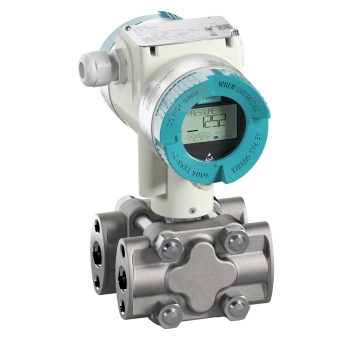
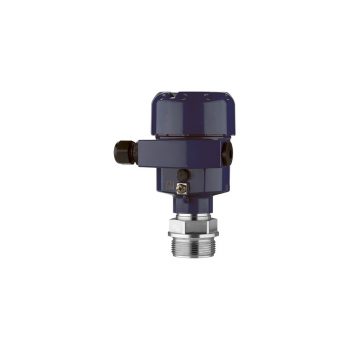
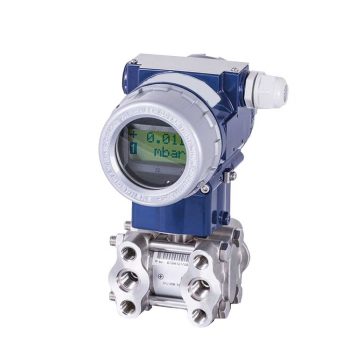
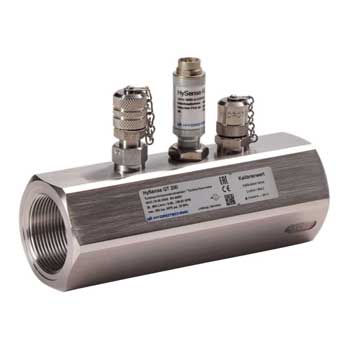
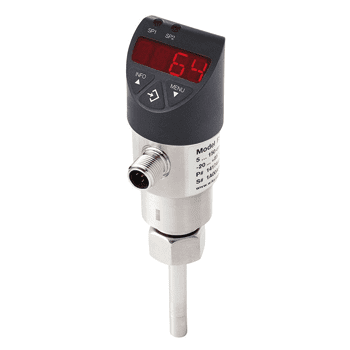
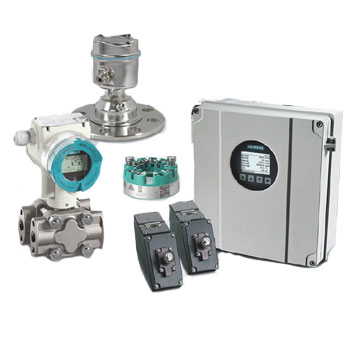
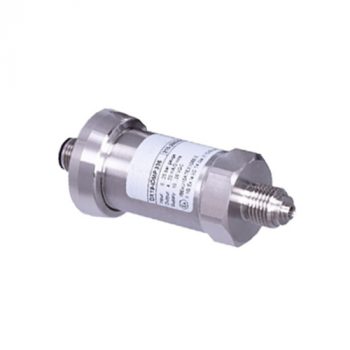
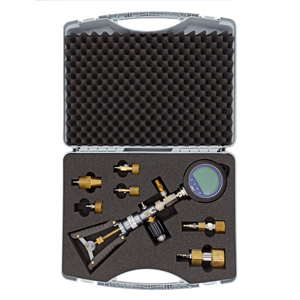
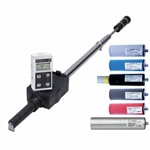
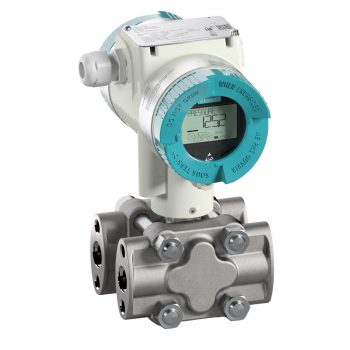
The differential pressure transmitter IDPT 100 has been especially designed for fast test processes in leakage and flow measurement, where a fast response time and high sampling rate are necessary.

Datasheet
User Manual

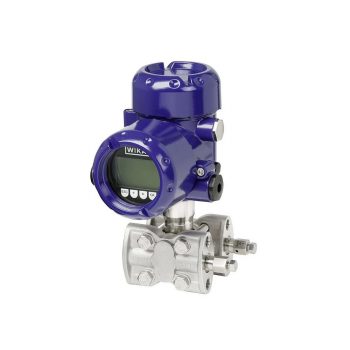
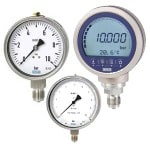
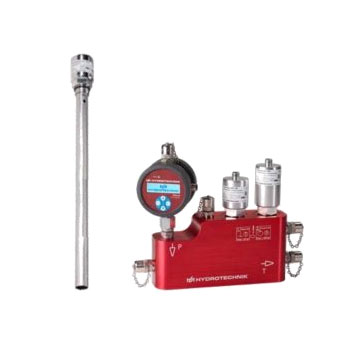
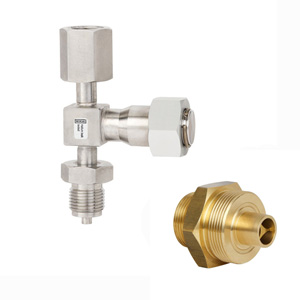
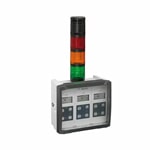
The digital "high performance" pressure transmitter which features remote safety handling and is ready for digitalization - developed according to IEC61508 standards for SIL2/3. Accuracy: 0,04 %


Datasheet
User Manual

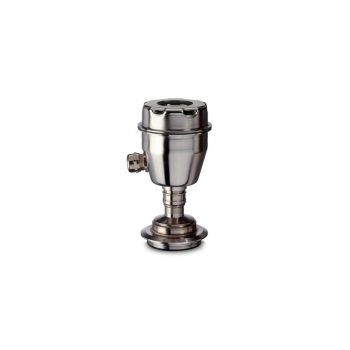
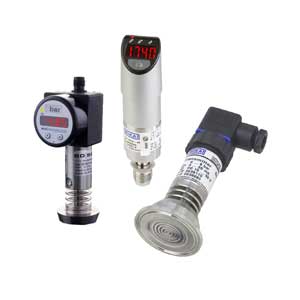
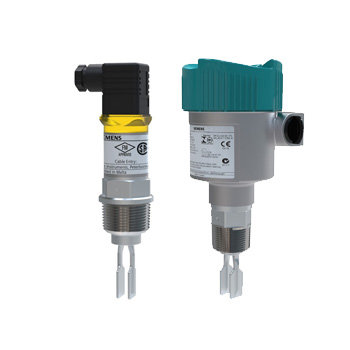
  • Digital pressure transmitter for hygienic applications in food, pharmaceutical and biotechnology processes
  • Siemens SITRANS P300 for relative and absolute pressure measurement
  • Flush-mounted process connections available for hygienic integration
  • Suitable for aggressive, non-aggressive and hazardous gases, vapours and liquids
  • Communication via HART, PROFIBUS PA or FOUNDATION Fieldbus possible
  • Convenient local operation via three push buttons
  • Measuring ranges from 0.008 bar to 400 bar depending on version
  • High measuring accuracy, low long-term drift and minimum characteristic deviation
  • Wetted parts made of high-quality materials such as stainless steel or Hastelloy
  • Optionally suitable for intrinsic safety applications in Zone 1 and Zone 0
Datasheet
User Manual

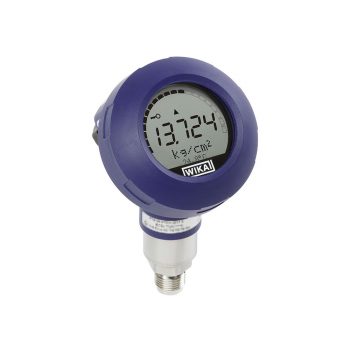
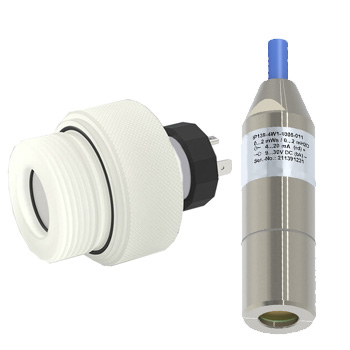
  • Multi-functional display
  • Simple menu navigation
  • Conductive plastic case
  • Large LC display, rotatable
  • Approvals for hazardous areas


Datasheet
User Manual

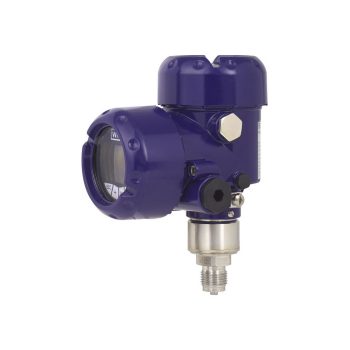
  • High measurement accuracy
  • Freely scalable measuring ranges
  • Developed in accordance with the SIL 2 requirements
  • Seven different case variants
  • Configuration via DTM (Device Type Manager) in accordance with the FDT (Field Device Tool) concept (e.g. PACTware™)


Datasheet
User Manual

Process engineering | Chemical industry | Petrochemical industry


Datasheet
User Manual

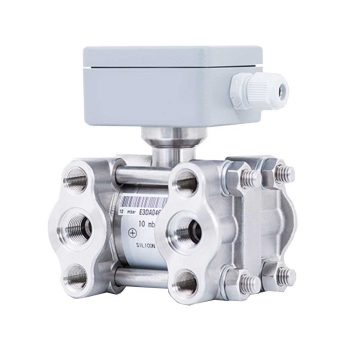
especially designed for the process industry, can be used for level measurement of closed, pressurized tanks, pump or filter controlling, etc.

Datasheet
User Manual

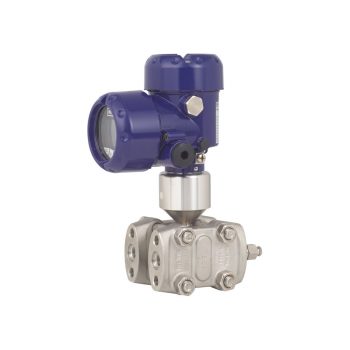
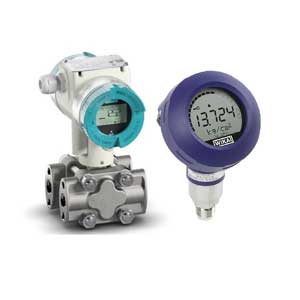
  • Digital pressure transmitter for demanding applications
  • Siemens SITRANS P320/P420 with comprehensive diagnostics according to NAMUR NE107
  • Suitable for relative pressure, absolute pressure, differential pressure, level, volume flow and mass flow
  • Robust design for extreme chemical and mechanical loads
  • High measuring accuracy, long-term stability and low characteristic deviation
  • HART communication and convenient parameterization via 4 push buttons
  • SIL devices developed according to IEC 61508 with validation on the device or remotely via SIMATIC PDM
  • Wetted parts made of high-quality materials such as stainless steel, Alloy, gold, Monel or tantalum
  • Explosion protection approvals available for Zone 1 and Zone 0
  • Optional remote seal versions for highly viscous media and special process conditions


Datasheet
User Manual


Process Transmitters – Precise Signal Conversion for Pressure, Δp, Level & Temperature

Process transmitters convert physical variables such as pressure, differential pressure, level and temperature into standardized signals (4–20 mA, HART, Profibus PA, Foundation Fieldbus, Modbus/RS-485 or Ethernet). They offer high accuracy, long-term stability, diagnostics (NE107) and options such as SIL, ATEX/IECEx, local display, diaphragm/remote seals and valve manifolds.

ICS Schneider Messtechnik supports you with selection, material & membrane choice, rangeability/turndown, installation & impulse lines, calibration, and—on request—IIoT integration via edge gateways into SCADA/cloud (MQTT/HTTPS).


FAQ on Process Transmitters

Answers to common questions on signals, accuracy, turndown, installation, sealing/materials, Δp applications, safety, calibration and digitization.

Which output signals are typically available?

SignalAdvantagesNotes
4–20 mA (2-wire)Robust, process industry standardConsider line drop; loop supply required
HARTParametrization/diagnostics superimposed on 4–20 mARequires HART modem/handheld
Profibus PA / FFFull fieldbus integrationPlan segment power/topology
Modbus RTU (RS-485)Many variables, cost-effectiveEnsure biasing/termination
Ethernet (Modbus TCP/HTTP)Fast IT/edge integrationMind cybersecurity/segmentation

How do I calculate the allowable loop load for 4–20 mA?

Maximum load Rmax depends on supply U and transmitter headroom Umin: R_max = (U - U_min) / 0.02 A. Example: 24 V with 12 V headroom → Rmax = 600 Ω (include cable resistance and HART resistor).

What is turndown/rangeability?

Turndown is the ratio of nominal span to configured span (e.g., 100:1). Large turndown increases flexibility but can shift the relative error band—check the datasheet.

How is overall accuracy defined?

ComponentContribution
Base accuracy±x % of reading/span
Temp. effect (TEB)±x % over specified temperature
Long-term drift±x % per year
Static pressure effectRelevant for Δp/remote seals

What are key installation tips for pressure transmitters?

  • Low-vibration mounting; provide vents/drains
  • With steam: use siphon/cooling element
  • Snubber/restrictor against pressure spikes
  • Mount the display for optimal orientation

When do I need a diaphragm seal or remote seals?

For hot, viscous, crystallizing, sticky or corrosive media, and in hygienic applications (flush, CIP/SIP). Remote seals with capillaries allow offset mounting and thermal decoupling.

What matters for differential pressure (Δp) transmitters?

  • Equal-length impulse lines; vent/drain correctly
  • Use 2/3/5-valve manifolds for safe commissioning/zeroing
  • Minimize static pressure effects and temperature gradients

How do I choose membrane/fill fluid (remote seals)?

By medium/temperature: 316L, Hastelloy®, Tantalum; fill fluids e.g., silicone oil, Halocarbon (oxygen), food-grade oils. Consider viscosity/temperature range and response time.

What IP ratings and materials are common?

Housings IP65–IP68/69K, stainless steel 316L or die-cast aluminum; process connections G/NPT/flange; hygienic (Tri-Clamp/Varivent®) with diaphragm seals.

How do I parameterize transmitters efficiently?

Via HART handheld/USB modem, fieldbus engineering tools, or local display. Typical items: range/unit, damping, linearization, alarm behavior (NAMUR), diagnostic flags.

Why use damping (filter)?

Analog/digital damping smooths pulsations and stabilizes indicators/loops. Too much damping slows response—tune to the process.

How to calibrate and document properly?

Zero/span with a precision pressure source and traceable reference; log points (as-found/as-left). Store certificates to ISO/DAkkS; for Δp, pressurize both sides appropriately.

SIL, PL & functional safety—what to consider?

Select transmitters qualified for SIL2/SIL3 per IEC 61508/61511, include SFF/PFD in SIF calculations, plan/document proof-test intervals.

What Ex approvals exist?

ATEX/IECEx (e.g., Ex ia/ib, Ex d), possibly cCSAus/UKEX. Choose by zone/gas group/temp class; consider barriers/isolators and grounding.

How do I bring transmitters into the IIoT?

4–20 mA/HART or RS-485 → edge gateway (Modbus/HART-IP → MQTT/HTTPS) → dashboards/alarms/historian. Publish retained metadata (unit, range, calibration date).

Which diagnostic functions are useful?

NE107 messages (Maintenance Required, Out of Spec, Failure), sensor/electronics temperature, limit/sensor break detection, plugging/leak indicators (Δp trend).

How to minimize EMC effects?

Shielded, twisted pairs; correct shield termination; equipotential bonding; separate power/signal routing; surge protection (lightning/surge).

What does commissioning typically cost?

ScopeServicesTypical Effort
Single measuring pointMounting, setup, zero/span0.5–1 person-days
Δp with manifoldLines, venting, balancing1–2 person-days
Remote sealsFill/mounting, functional test1–2 person-days

Common pitfalls to avoid?

  • Wrong span/turndown → verify error band, size correctly
  • Air/condensate in impulse lines → vent/drain thoroughly
  • Thermal gradients with Δp/seals → route capillaries symmetrically
  • No damping → unstable control loops

Are local displays and keys available?

Yes—rotatable graphic displays with backlight, keys/touch, multi-language menus and quick setup options.

What data belongs in the historian/report?

PV, loop current/status, temperature, diagnostics/NE107, alarm events, calibration/service timestamps; ensure time sync (NTP/UTC).

Do you support sizing & commissioning?

Yes—from media review, material/membrane selection, manifold/impulse design, setup/calibration through to IIoT integration—including ISO 9001:2015 compliant documentation.

Diese Website benutzt Cookies. Wenn du die Website weiter nutzt, gehen wir von deinem Einverständnis aus.