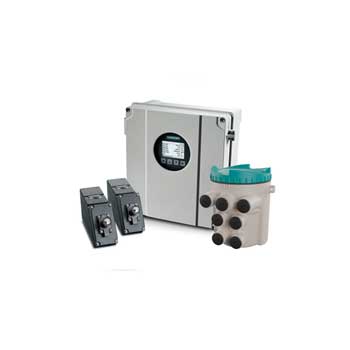
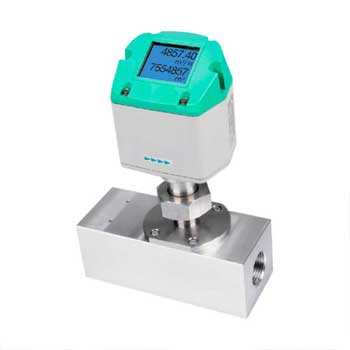
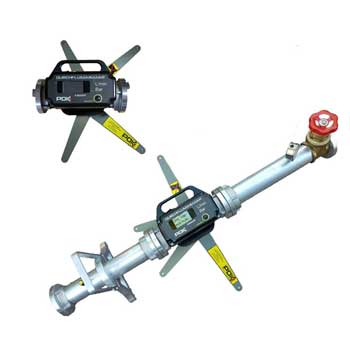
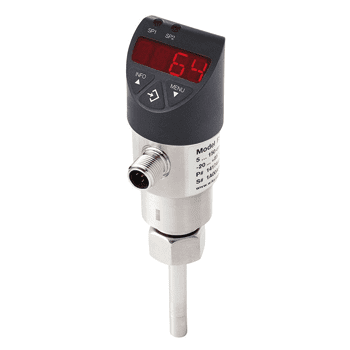
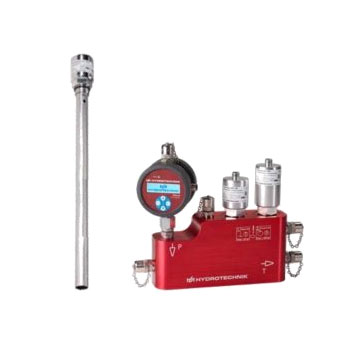
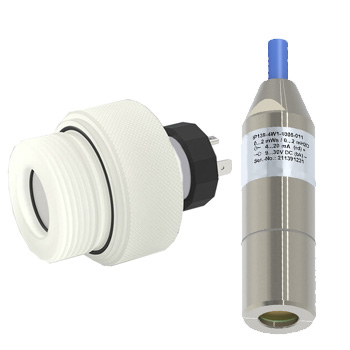
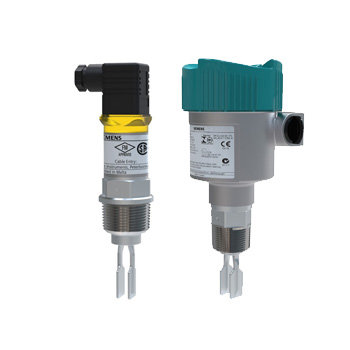
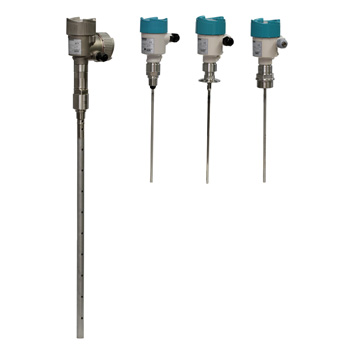
Siemens Process Instrumentation and Field Devices

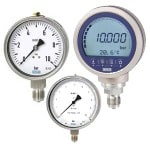
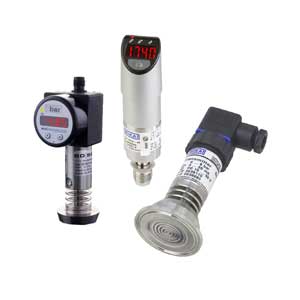
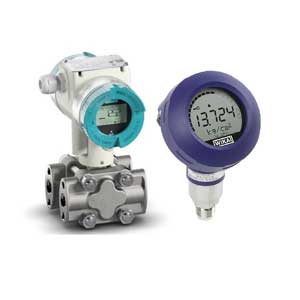
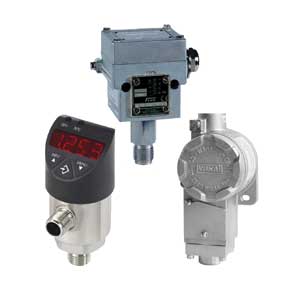
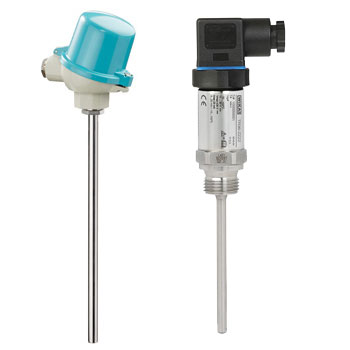
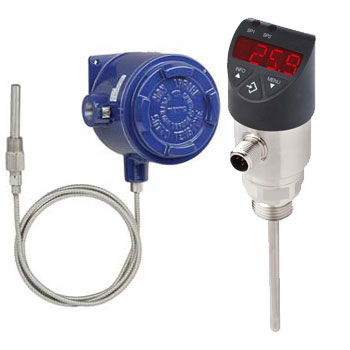
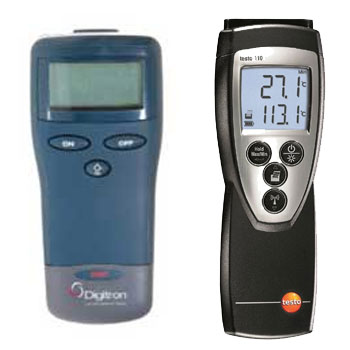
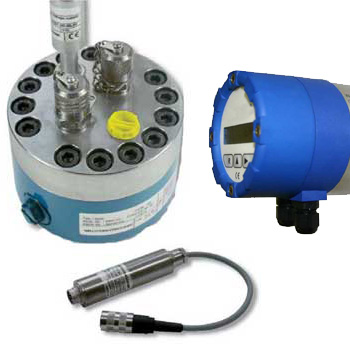
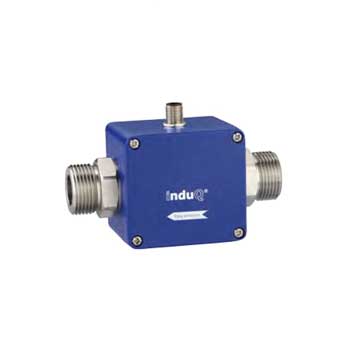
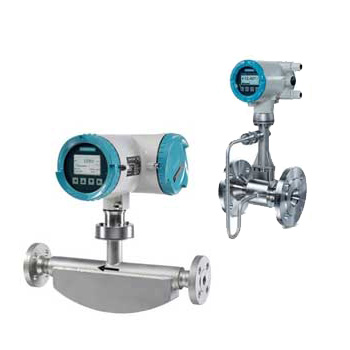
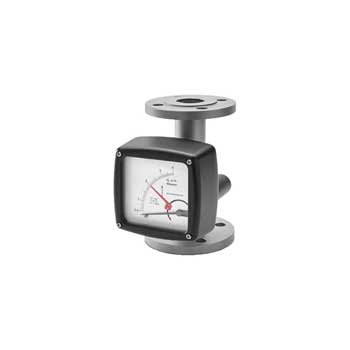
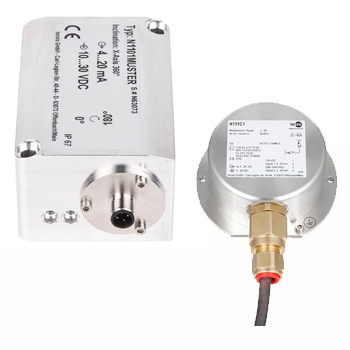
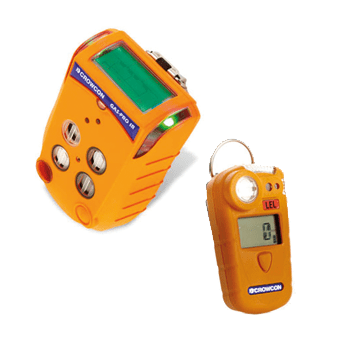
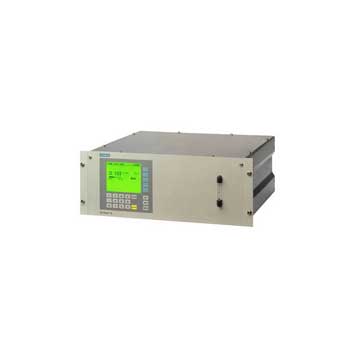
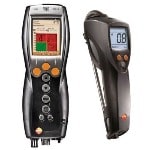
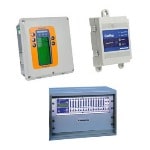
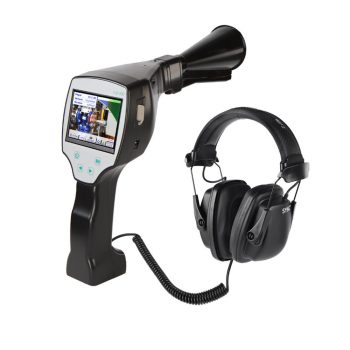
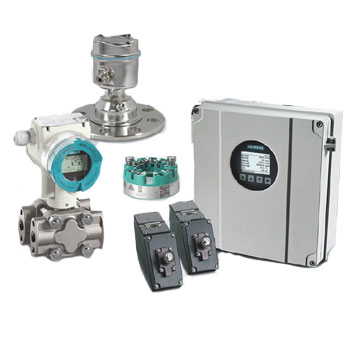
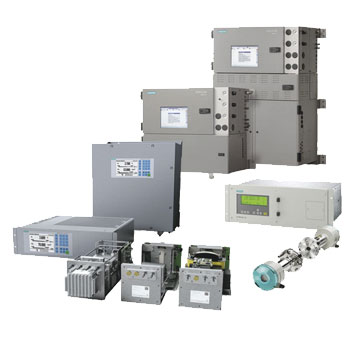
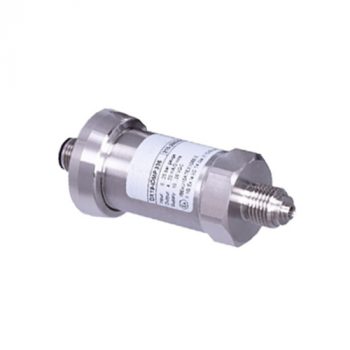
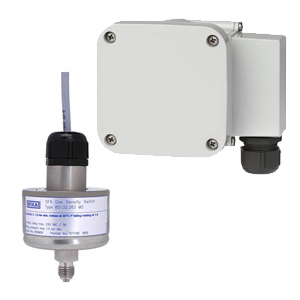
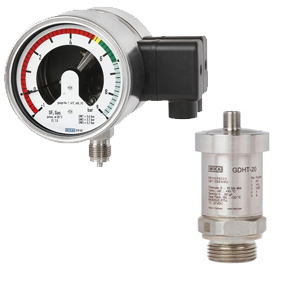
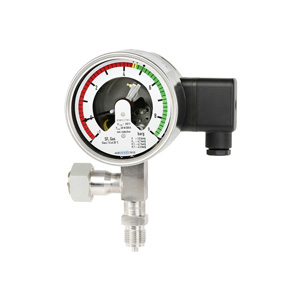
Siemens process instrumentation provides a wide range of field devices for measuring pressure, flow, level, temperature, weight and analytical process variables. Sensors, transmitters and electronic controllers are designed for demanding industrial environments and support modern communication protocols as well as functional safety. Integrated diagnostics, high measurement accuracy and robust mechanical designs enable reliable acquisition, monitoring and control of critical process parameters.

Questions & Answers on Siemens Process Instrumentation

Which process variables are typically measured with Siemens process instrumentation?

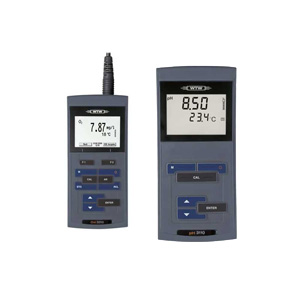
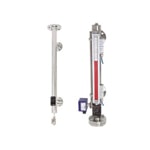
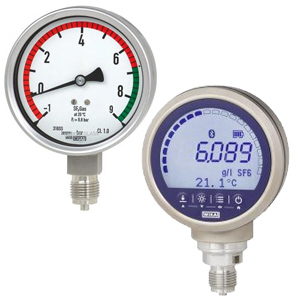
Siemens field devices typically measure pressure, differential pressure, level, flow (volume and mass), temperature, weight and analytical variables such as pH, conductivity, dissolved oxygen, turbidity or gas compositions.

Which measurement principles are used in Siemens flowmeters?

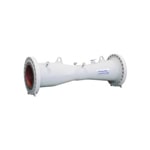
Depending on the medium and application, Siemens flowmeters use electromagnetic, ultrasonic, Coriolis or differential pressure principles as well as vortex and pitot-based methods to determine volume or mass flow either inline or contactless.

Which communication interfaces are supported by Siemens field devices?

Depending on the device type, analogue 4–20 mA signals, HART, Profibus PA/DP, Profinet, Modbus, Foundation Fieldbus and various Ethernet-based protocols are supported for integration into control systems and automation networks.

How is functional safety (SIL) implemented in Siemens measuring devices?

Many Siemens measuring and analytical devices provide SIL-certified hardware and firmware architectures, documented failure rates and dedicated safety manuals, allowing their use in safety instrumented systems in accordance with IEC 61508/IEC 61511.

What is the role of integrated diagnostics in Siemens field devices?

Integrated diagnostics continuously monitor sensor condition, electronics, signal quality and process conditions. They detect drift, blockage, empty pipes, cavitation, contamination or limit violations and support condition-based maintenance and reduced downtime.

How are Siemens measuring devices configured and parametrized?
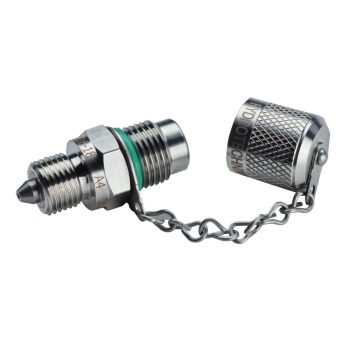
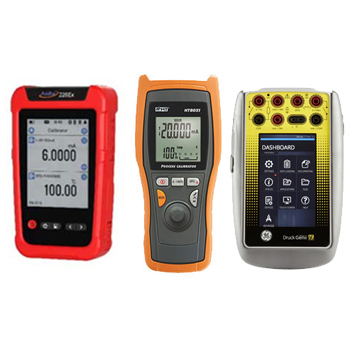
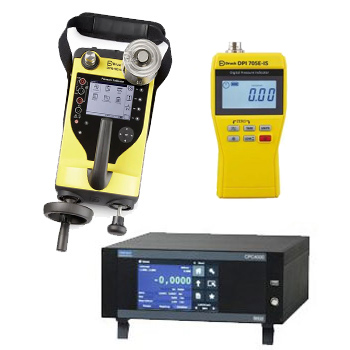
Configuration can be performed via local keypads or displays, handheld configurators with HART/fieldbus support as well as engineering tools and asset management systems. Parameters such as measuring range, damping, output scaling, diagnostic thresholds and communication addresses can be managed centrally.

Which installation and mounting requirements have to be considered?
For optimum measurement performance, mounting position, required inlet and outlet runs, flow profiles, venting and draining, thermal coupling and mechanical decoupling must be considered according to the device specification, especially for flow, level and temperature measurements.

How is the accuracy of Siemens measuring devices ensured?
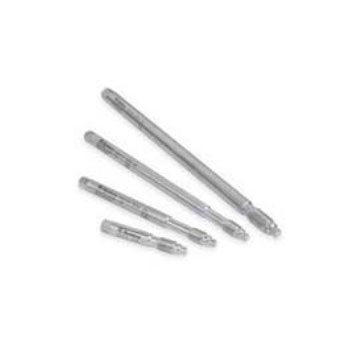
Accuracy is ensured by factory-calibrated sensors, stable references, linearized electronics and specified temperature and long-term drift. Optional factory or ISO calibration certificates and extended calibrations are available for traceable documentation.

In which environmental conditions can Siemens field devices be used?
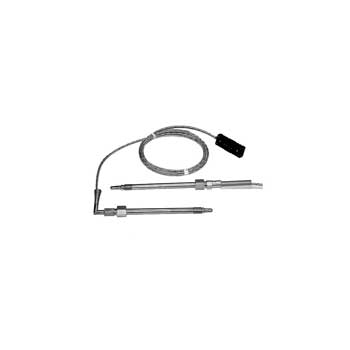
Depending on the version, devices are designed for wide ambient temperature ranges, high degrees of protection (e.g. IP65, IP67, IP68), vibration, humidity, aggressive media and hazardous areas such as Zone 1 or Zone 2. Materials and sealings are selected according to medium and environment.

Does Siemens offer solutions for hygienic and food applications?

For hygienic processes, Siemens offers smooth, crevice-free sensors with stainless steel housings, electropolished surfaces, CIP/SIP resistance and common process connections in accordance with EHEDG or 3-A guidelines.

How are Siemens weighing components integrated into process applications?

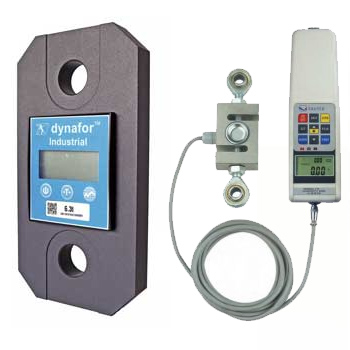
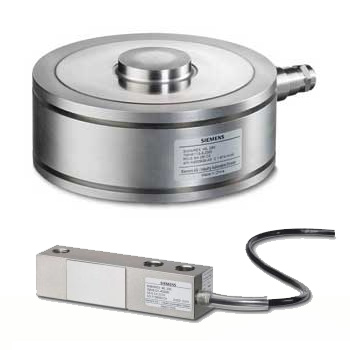
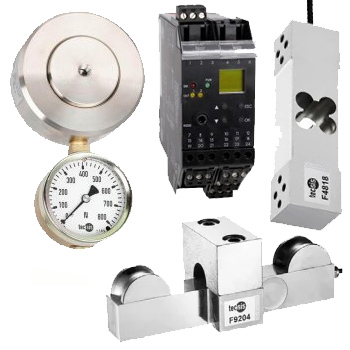
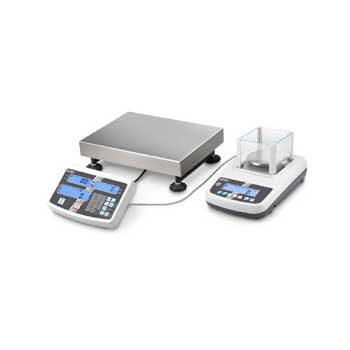
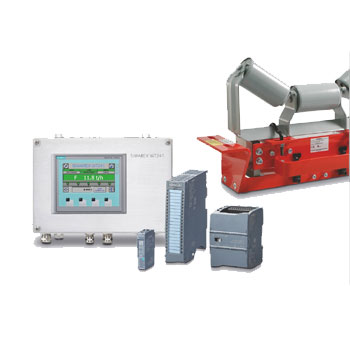
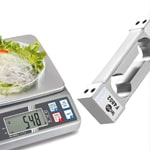
Load cells and weighing modules are installed under vessels, silos, platforms or belt sections and connected to weighing controllers or transmitters. These handle linearization, filtering, tare functions, batching logic and interfaces to PLC or DCS systems.

What has to be considered for explosion-proof versions?

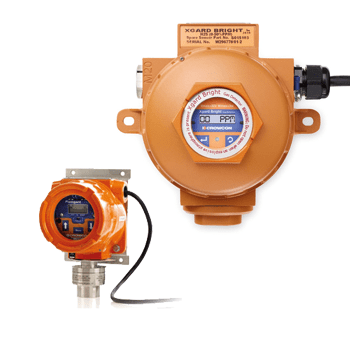
For Ex-protected versions, the permitted types of protection, equipment categories, maximum connection values and temperature classes must be observed. Suitable cabling, terminals and barriers have to be selected according to the certificates and installation standards.

How do Siemens field devices support digitalization of process plants?

Via digital communication protocols, integrated condition monitoring, advanced diagnostics and connectivity to higher-level systems, field devices provide process and device data for asset management, condition monitoring and predictive maintenance concepts.

How often do Siemens measuring devices need to be calibrated?

Calibration intervals depend on accuracy requirements, process conditions, safety requirements and internal policies. Typical intervals range from one to three years and are defined based on risk analysis and operational experience.

What information is required to select a suitable Siemens measuring device?

For proper device selection, process data such as medium, temperature, pressure, density, conductivity, viscosity, pipe sizes, installation conditions, accuracy requirements as well as relevant standards and approvals must be considered to identify the appropriate measuring principle and device specification.

Diese Website benutzt Cookies. Wenn du die Website weiter nutzt, gehen wir von deinem Einverständnis aus.