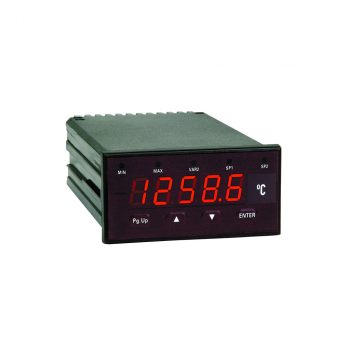
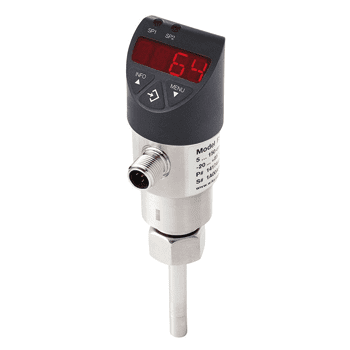
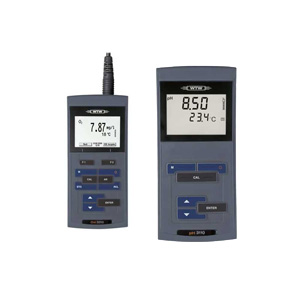
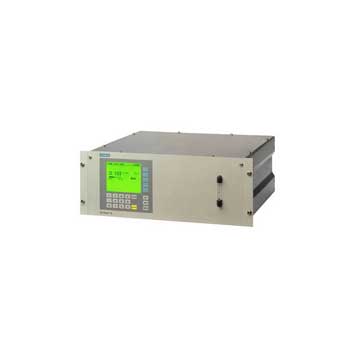
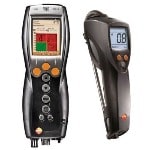
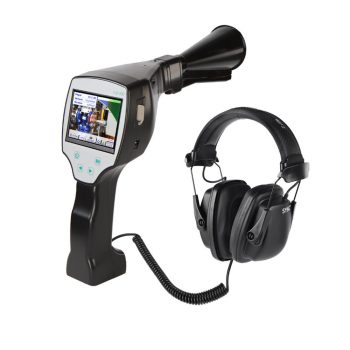
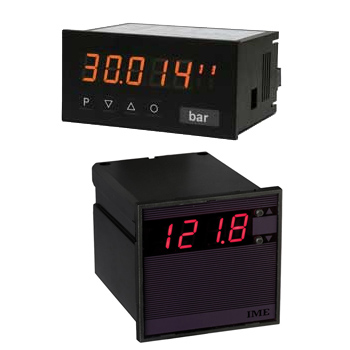
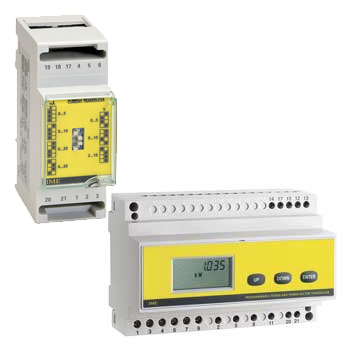
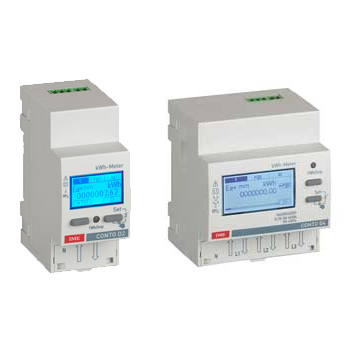
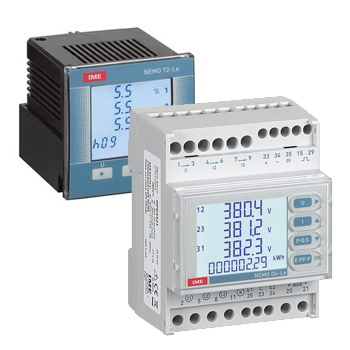
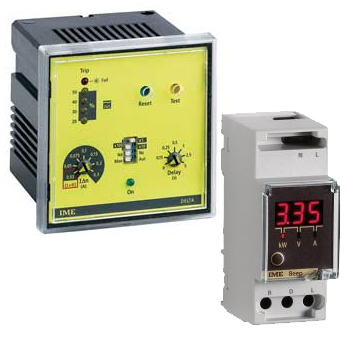
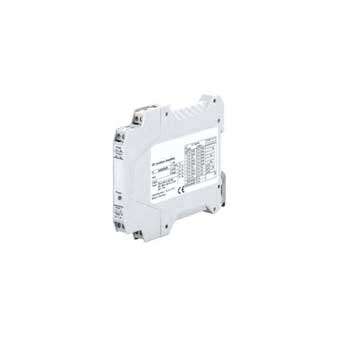
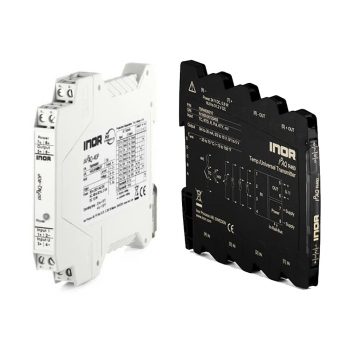
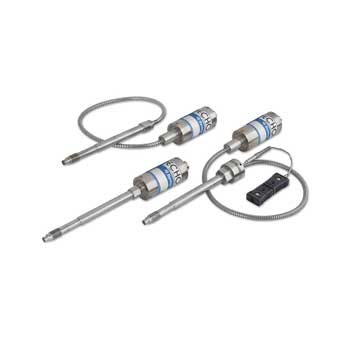
























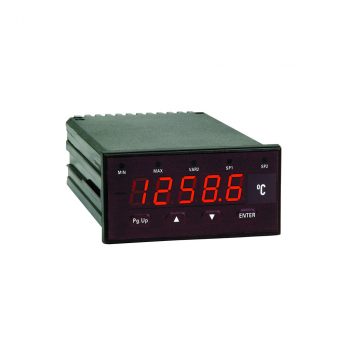
- Digital display for temperature
- Dimensions: front frame 96x48mm
- Without border contacts
- Input: Pt100 2 resistance thermometer or wire connection
- Auxiliary voltage: 24Vac or 115 and 230Vac or 240Vac or 20 ... 150Vdc / 48Vac
- Display: -50.0 ... 400 ° C or -50.0 ... 199.9 ° C or -50.0 ... 199.9 ° C; 3 1/2 digits, max.display: -1999 ... 1999
Datasheet |
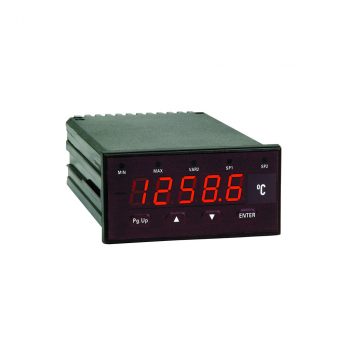
- Digital display for temperature (measurement and display)
- Dimensions: front frame 96x48mm
- Without border contacts
- Entrance: J / K / T / S
- Auxiliary voltage: 24Vac or 115 or 230Vac or 240Vac or 20 ... 150Vdc / 48Vac
- Display: ° C or ° F; 3 1/2 digits, max.display: -1999 ... 1999
Datasheet |
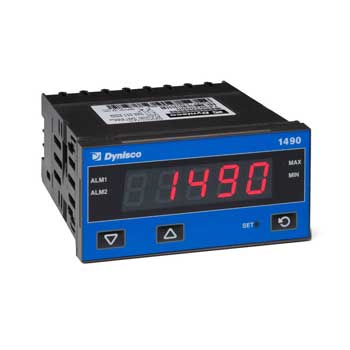
- Digital display for temperature (measurement and display) - 100,000 points
- Dimensions: front frame 96x48mm
- With or without 2 programmable limit contacts, MIN and / or MAX contact
- Input: Pt 100 / Ni100 - J / K / T / R / S
- Output: without or 0 ... 20mA or 20 ... 0 ... 20mA or 4 ... 20mA or 0 ... 10V or 10 ... 0 ... 10V or similar 1 ... 5V or communication RS485, JBUS / MODBUS
- Auxiliary voltage: 24Vac or 115 or 230Vac or 240Vac or 20 ... 150Vdc / 48Vac or 150 ... 250Vdc
- Display: ° C; 5 digits, max.display: -99999 ... 99999
Datasheet |
Digital Temperature Panel Meters
Digital temperature panel meters are electronic instruments used to measure and display temperature values using connected sensors such as thermocouples, RTDs or thermistors. They convert the analog sensor signal into a digital value using an ADC and present accurate, stable readings on LED or LCD displays. Many models offer additional functions such as limit monitoring, alarm outputs, min/max memory, signal scaling or communication interfaces for automation and monitoring systems.
F&A
What is a digital temperature panel meter?
A digital temperature panel meter measures temperature via a connected sensor and displays the value numerically. It is designed for installation in control cabinets, operator panels and industrial monitoring systems.
Which sensor types can be used?
Common sensors include RTDs (e.g. Pt100), thermocouples and thermistors. Some devices also accept standard process signals such as 4–20 mA or voltage inputs, depending on the model.
How does temperature measurement work?
The sensor signal — resistance, thermoelectric voltage or current — is conditioned, digitized through an ADC and processed electronically. The resulting temperature value is then shown on the display.
What are the advantages of digital temperature meters?
They offer high accuracy, clear numeric displays, no reading errors, and additional capabilities such as alarm thresholds, min/max tracking, configurable decimal places and optional communication interfaces.
Where are digital temperature meters used?
Typical applications include industrial control systems, automation panels, process monitoring, HVAC systems, laboratory equipment, battery or UPS systems and any installation where temperature must be monitored reliably.
Which display and output options are available?
Most devices feature LED or LCD displays with multiple digits. Many models support decimal point adjustment, min/max memory, alarm relays, analog outputs or digital communication (e.g. RS-232 or RS-485).
What should be considered when selecting a device?
Important factors include sensor compatibility (RTD, thermocouple, thermistor), temperature range, resolution, accuracy, supply voltage, installation dimensions, protection class and optional features such as alarms or communication ports.
Can a digital temperature panel meter replace analog instruments?
Yes — digital meters can replace analog thermometers, pointer indicators or analog panel instruments while offering higher accuracy, clearer readability and additional functionality.
Are there limitations?
Digital temperature meters require a supply voltage for electronics and the display. Strong electrical noise, unsuitable sensors or very rapid temperature changes may affect accuracy unless the device is designed for such conditions.


Datasheet