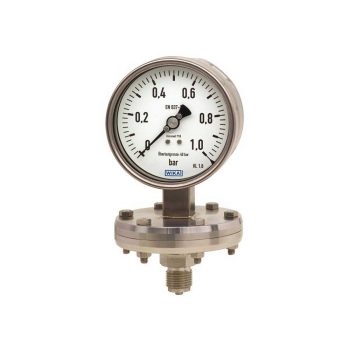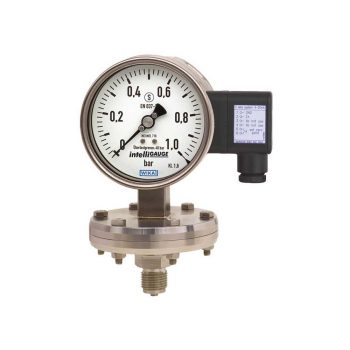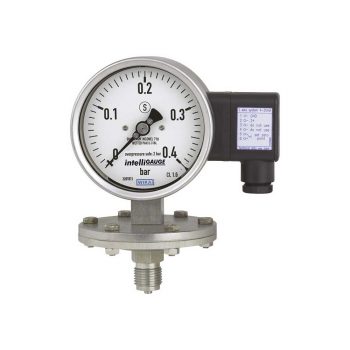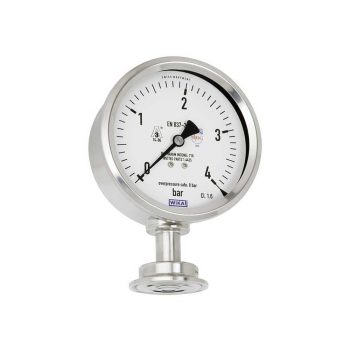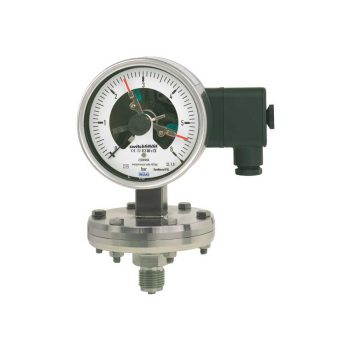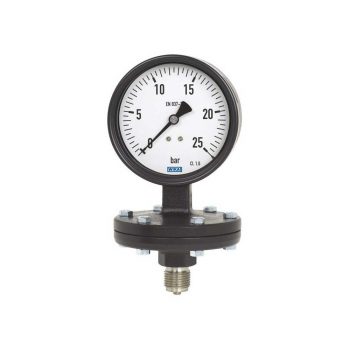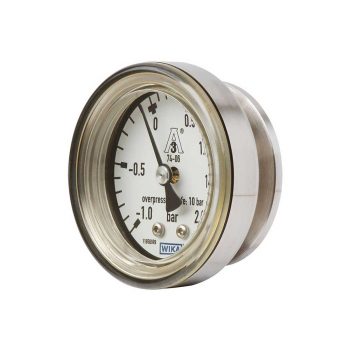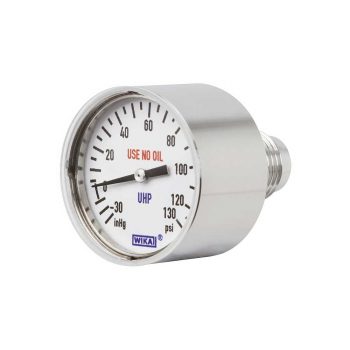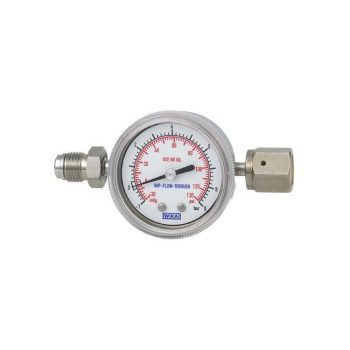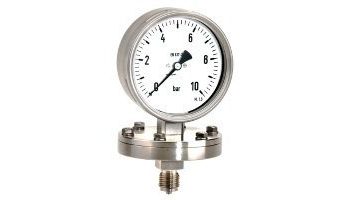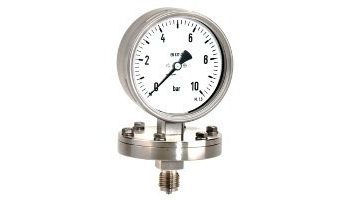
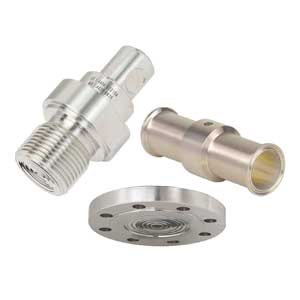
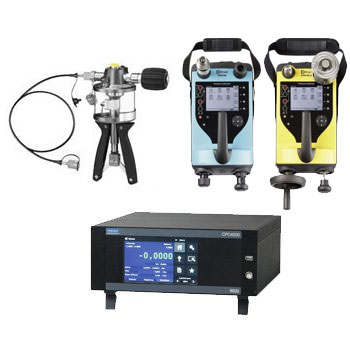
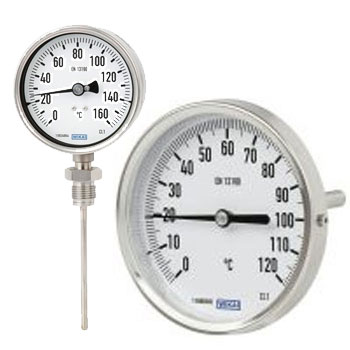
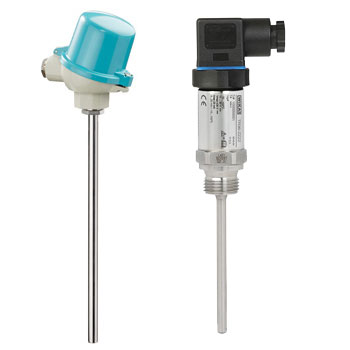
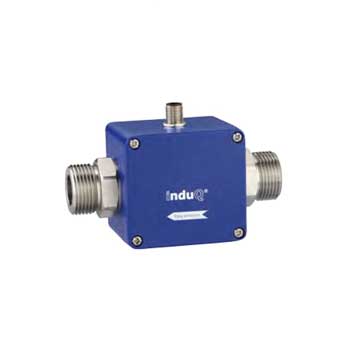
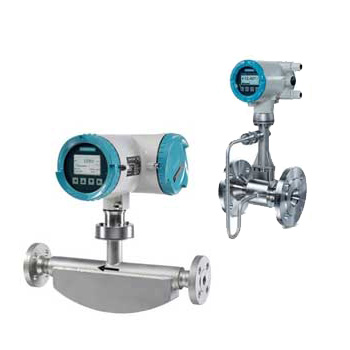
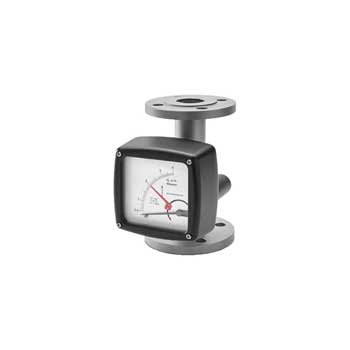
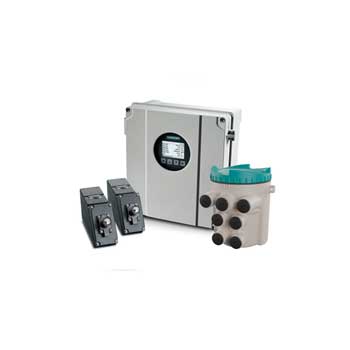
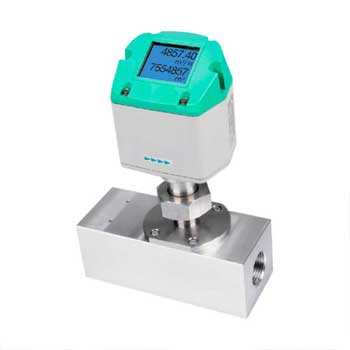
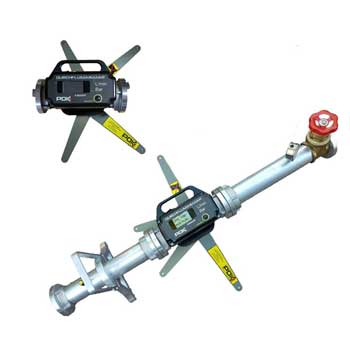
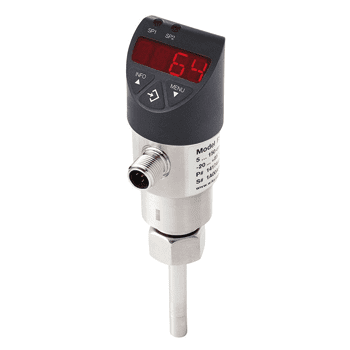
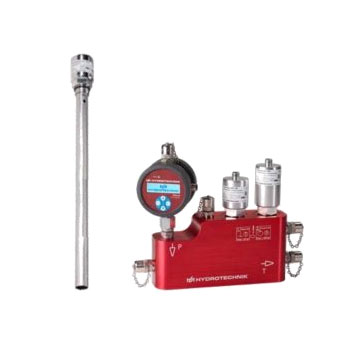
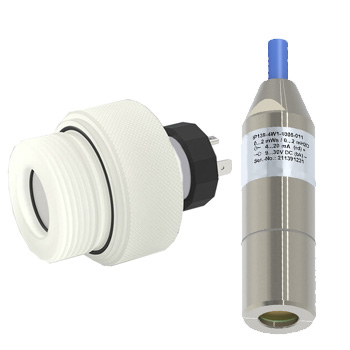
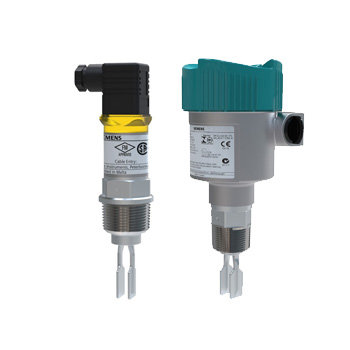
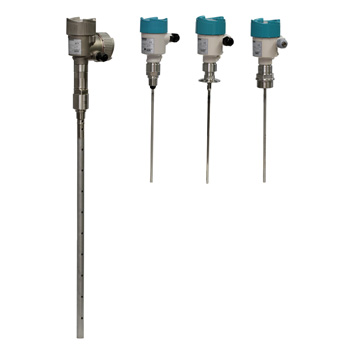
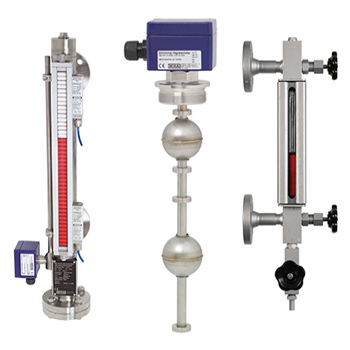
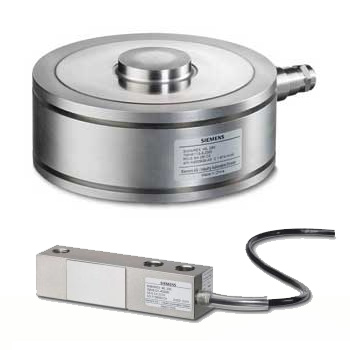
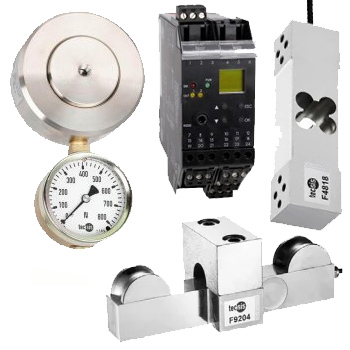
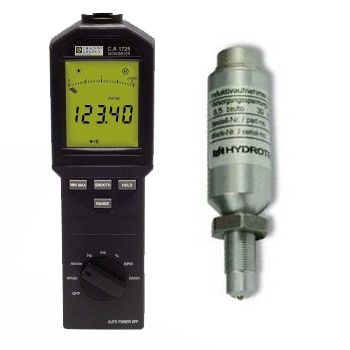
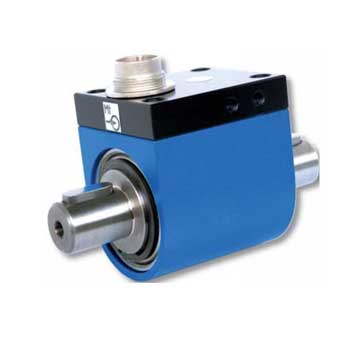
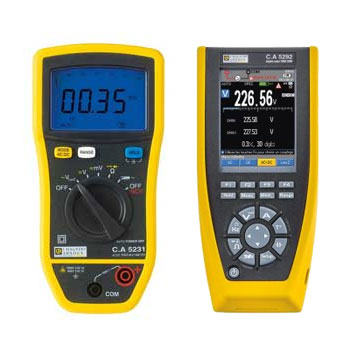
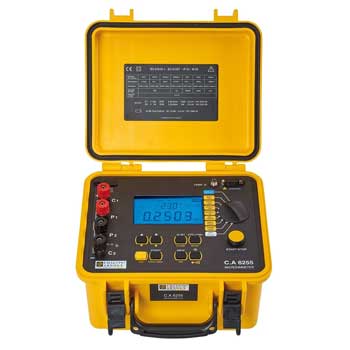
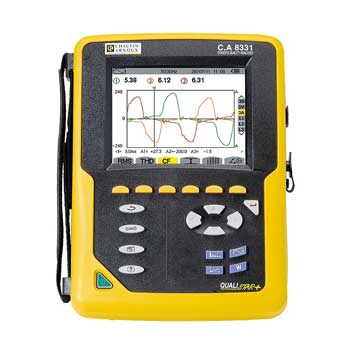
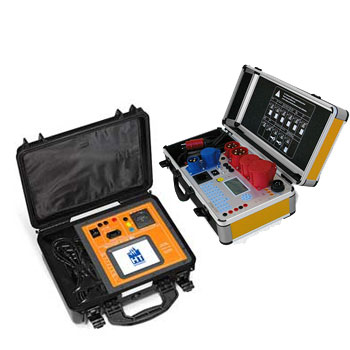
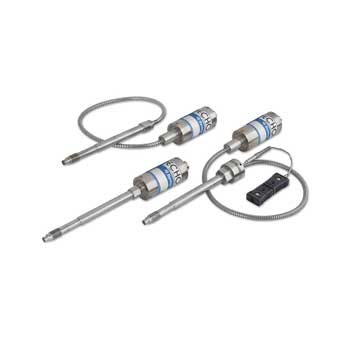
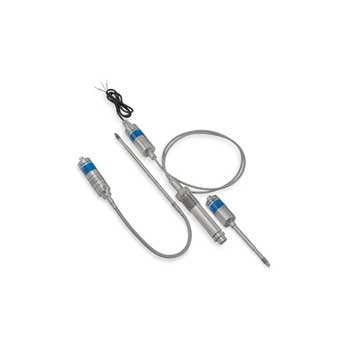
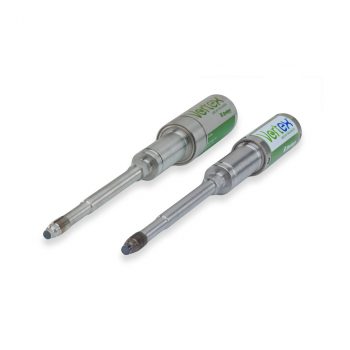
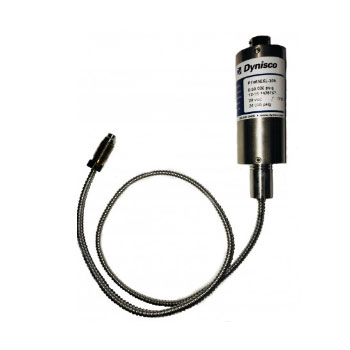
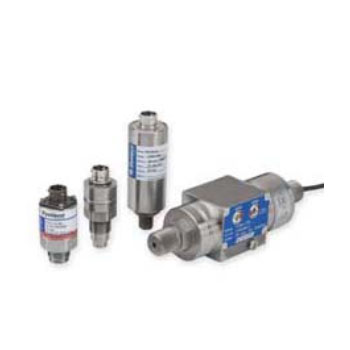
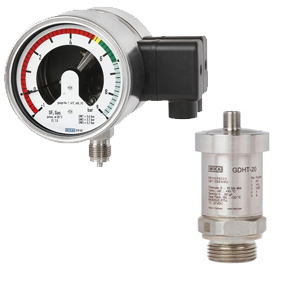
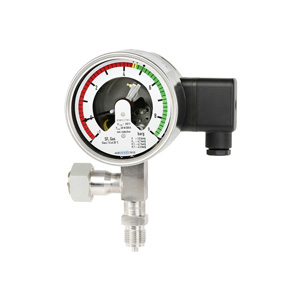
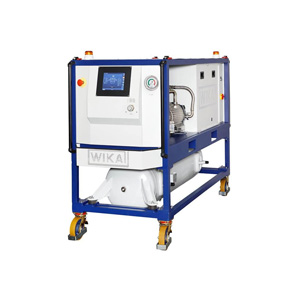
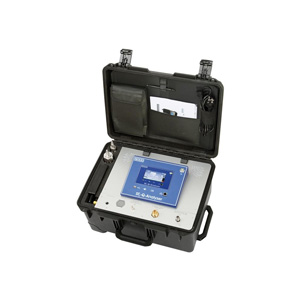


























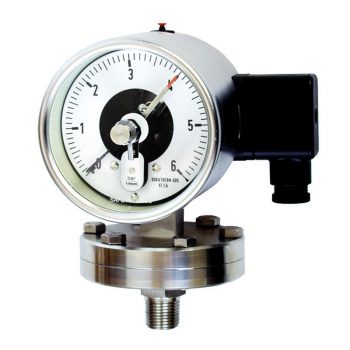
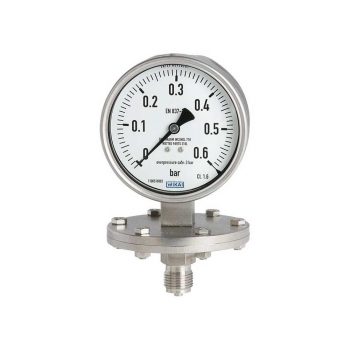
- Case and wetted parts from stainless steel
- Wide choice of special materials
- High overload safety up to the 10-fold full scale value
- Process connection thread or open flange
- Scale ranges from 0 … 16 mbar
Datasheet |
User Manual |
- High overload safety, optionally 40, 100 or 400 bar due to the metallic pressure element limit stop, without liquid-filled measuring cell
- Wide choice of special materials
- Compatible with switch contacts
- Case and wetted parts from stainless steel
- Scale ranges from 0 … 16 mbar
Datasheet |
User Manual |
- No configuration necessary due to "plug-and-play"
- Signal transmission per NAMUR
- Scale ranges from 0 ... 16 mbar
- Easy-to-read analogue display with nominal size 100 or 160
- Safety version "S3" per EN 837
Datasheet |
User Manual |
- Safety via mechanical pressure transmission
- Case and wetted parts in hygienic design
- Suitable for SIP and CIP, autoclavable version available
- Easy zero point setting
- High overpressure safety
Datasheet |
User Manual |
- Integrated diaphragm element monitoring with status display (patent, property right: e.g. DE102016005568)
- Two barriers for secure separation of the process from the atmosphere
- Mechanical pressure transmission without transmission fluid
- Completely autoclavable, suitable for CIP and SIP
Datasheet |
User Manual |
- High overload safety, optionally up to 40, 100 or 400 bar, due to the metallic pressure element limit stop, without liquid-filled measuring cell
- Wide choice of special materials
- Also available with liquid-filled case for high dynamic pressure loads or vibrations
- Instruments with inductive contacts for use in hazardous areas
- Instruments with switch contact for PLC applications
Datasheet |
User Manual |
- Compatible with switch contacts
- Threaded or open flange process connection
- Scale ranges from 0 … 16 mbar
Datasheet |
User Manual |
- Compact, robust, easily cleanable design (patent, property right: DE102008042455)
- Dry measuring cell, no transmission fluid
- Flush, welded diaphragm
- Suitable for SIP and CIP, autoclavable version available
- Large selection of process connections
Datasheet |
User Manual |
User Manual |
- Mechanical pressure gauge with diaphragm element
- Compact design for minimal dead volume and reduced particle generation and entrapment
- Helium leak tested, leak rate ≤ 10-9 mbar · l/s
- Electropolished wetted parts, surfaces with Ra < 0.25 μm (Ra < 10 μin) for diaphragm element and measuring chamber
- Process connector components from electropolished 316L with metal sealing disc, orbital welded to measuring chamber
Datasheet |
- Dead space free media chamber
- Excellent rinsing behaviour
- Helium leak tested, leak rate ≤ 10-9mbar · l/s
- Case and media chamber electropolished, surface roughness Ra ≤ 0.25 μm
- All ultra high purity gas fittings available
Datasheet |
User Manual |
High resistance to overpressure Robust stainless steel case Higly suitable for extremly viscous or crystallizing media
Datasheet
|
Capsule & Diaphragm Pressure Gauges – sensitive, media-resistant, hygiene-ready
Capsule pressure gauges (capsule/bellows elements) are the first choice for low and very low pressures — e.g., room pressure, filter monitoring, lab work. Diaphragm pressure gauges are ideal for viscous, crystallizing, or aggressive media and for hygienic processes; they pair perfectly with diaphragm seals. Both designs provide a clear, robust local indication from vacuum to overpressure.
ICS Schneider Messtechnik supports you with selection (range, accuracy, materials), process connection (thread, flange, hygienic), damping, and media compatibility — on request with a calibration certificate and IIoT integration via parallel-mounted transmitters.
FAQ on Capsule & Diaphragm Gauges
Answers on use cases, selection, media, installation, hygiene, protection, and calibration.
How do capsule and diaphragm gauges differ?
| Feature | Capsule gauge | Diaphragm gauge |
|---|---|---|
| Typical range | Very low pressures (mbar range) | Low to medium pressures |
| Media contact | Dry, clean gases | Liquids, pasty/contaminated media |
| Hygiene/EHEDG | rare | yes (with hygienic diaphragm seal) |
| Overpressure capability | limited | very good depending on diaphragm/connection |
What are capsule gauges ideal for?
Room/differential pressure in HVAC, laminar flow, filter monitoring, light pneumatics, and lab/test setups with very small measuring ranges.
When should I use a diaphragm gauge?
With contaminated, viscous, crystallizing, or aggressive media, in hygienic processes (food/pharma), and whenever dead space must be avoided.
What accuracy classes are typical?
| Instrument | Class (typ.) | Note |
|---|---|---|
| Capsule | 1.6 – 2.5 | Fine ranges in mbar |
| Diaphragm | 1.6 – 1.0 | Process indication with higher demands |
Which process connections are available?
| Connection | Standard | Use |
|---|---|---|
| G 1/4 / G 1/2 | ISO 228 | Industry standard |
| ¼" NPT / ½" NPT | ASME | US/Oil & Gas |
| Flange (DN/ANSI) | EN/ASME | Higher pressures/special media |
| Hygienic (Tri-Clamp, Varivent®) | EHEDG | Food/pharma (with diaphragm seal) |
Which materials do you recommend?
Stainless steel 316L for many media; Hastelloy®, Monel®, Tantalum for highly corrosive applications (usually via diaphragm seals). Choose seals per medium (FKM/EPDM/PTFE/FFKM).
How do I select the correct measuring range?
Choose span as working pressure × 1.3–2.0. For pulsating signals, provide damping (snubber/restrictor). Use dedicated scales for vacuum/Δp.
Can I measure differential pressure with capsule/diaphragm designs?
Yes, there are differential-pressure variants (capsule/diaphragm). For higher accuracy/pressure ratings, DP transmitters with indication are recommended.
How do I implement hygienic applications?
With hygienic diaphragm seals, polished surfaces, CIP/SIP-resistant fill fluids, and dead-leg-free connections (Tri-Clamp/Varivent®).
When is a diaphragm seal useful?
For hot, viscous, abrasive, or toxic media and in hygienic processes. Select diaphragm material, fill fluid, capillary length, and process connection appropriately.
How do I protect the measuring system?
- Restrictor/snubber against pulsation/shock
- Siphon/cooling element for steam/high temperatures
- Do not size the measuring range too tightly
What protection classes are common?
Typically IP54–IP65; higher IP depending on design. In washdown/cleaning areas, check front sealing and housing design.
What is the effect of temperature and mounting position?
Temperature drift can shift zero, especially with fine ranges. Mount with low vibration, keep a consistent mounting position, and perform zero adjustment if needed.
Which scales/units are available?
Scales in mbar/bar/kPa/psi or dual; custom scales (e.g., % indication) on request. Use one unit consistently in operation.
How often should I calibrate?
Rule of thumb: annually; for QA/safety loops semi-annually/quarterly or after events (overload). Store certificates (DAkkS/ISO) securely.
What temperature limits apply?
| Component | Range (typ.) | Note |
|---|---|---|
| Ambient | −20…+60 °C | Dial/mechanics |
| Medium | up to ~100 °C directly | Higher: use siphon/cooling section |
| Fill fluid (diaphragm seal) | depends on type | FDA/EU conformity for hygiene |
What is important during installation?
- Install with minimal dead space (esp. hygiene/Δp)
- Avoid lever forces on the process connection
- Position the dial for good readability
Are safety versions available?
Yes — depending on design: blow-out back, safety glass, and splash protection. Select per medium and risk assessment.
Typical faults & remedies?
- Zero drift: temperature/vibration → check mounting, calibrate
- Pointer flutter: pulsation → add restrictor/snubber
- Sluggish indication: damping too strong → adjust settings/hardware
- Contamination: use diaphragm seal/flush ports
How do I connect to control systems/IIoT?
Via a dual measuring point (gauge + transmitter 4–20 mA/HART/RS-485). An edge gateway publishes values securely via MQTT/HTTPS to your dashboard.
Do you offer selection and calibration services?
Yes. We review medium/temperature, size range/damping, select connection/materials, provide DAkkS/ISO calibrations, and complete documentation — with mounting accessories on request.


Datasheet