







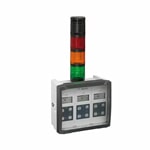
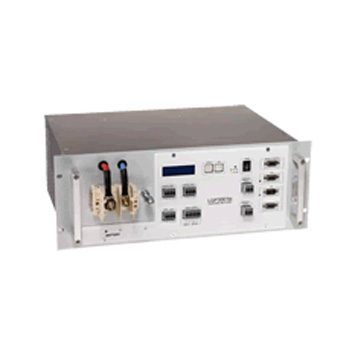
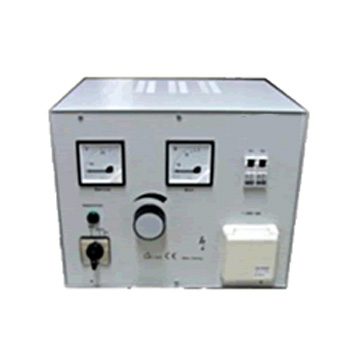






























- 20kVA output capability
- 0-3kV to 0-15kV options available
- Accurate digital metering
- Key operated supply switch
- Dual overload protection
- Variable electronic trip 10-110% of rated output
- Voltage and current metering
- Optional 5s - 5min test timer
- External 24V interlock and zero-volt interlock
- Emergency stop switch
 Datasheet Datasheet |

- 0-30kV (KV30-100 mk3) or 0-50kV (KV50-100 mk3) output voltage
- 3kVA (KV30-100 mk3) or 5kVA (KV50-100 mk3) output capability
- Key operated supply switch to prevent unauthorised operation
- Dual overload protection
- Variable electronic trip - 10-110% of rated output
- Voltage and current metering
- External interlock circuit
- Zero-volt interlock
- Visual indication of test piece failure
|
Datasheet
|

- 0-30kV output voltage
- Automatic mains voltage selection
- Key operated supply switch to prevent unauthorised operation
- Dual overload protection
- Variable electronic trip - 10-110% of rated output
- Voltage and current digital metering
- Zero-volt interlock
- External 24VDC interlock circuit
- Optional test timer
- Emergency stop
- Visual indication of test piece failure
| Datasheet |

- Continuously variable output voltage 0-5kV AC
- Variable trip circuit 2-12mA and 20-120mA
- Output voltage and current metering
- Visual and audible indication of test piece failure
- Compact lightweight instrument
- Burn feature giving 100mA maximum current on short circuit
- Key operated switch preventing unauthorized operation
- Complies with the testing requirements of BS1363
| Datasheet |

- 0-100kV (KV100-100 mk3) or 0-50kV (KV50-200 mk3) output
- 10kVA output capability
- Key operated supply switch to prevent unauthorised operation
- Dual overload protection
- Variable electronic trip 10-110% of rated output
- Voltage and current metering
- External interlock circuit
- Zero-volt interlock
- Visual indication of test piece failure
| Datasheet |

- 0-50kV output voltage
- 20mA maximum output current
- Auto-selecting 115/230V supply voltage
- Key operated supply switch to prevent unauthorised operation
- Dual overload protection
- Variable electronic trip
- Voltage and current metering
- External interlock circuit
- Zero-volt interlock
- Visual indication of test piece failure
- Cast resin HV transformer
| Datasheet |

- 0-24kV output voltage
- 24mA maximum output current
- Automatic mains voltage selection
- Key operated supply switch to prevent unauthorised operation
- Dual overload protection
- Variable electronic trip - 16, 20, 24mA
- Voltage and current metering
- Zero-volt interlock
- Emergency stop
- Visual indication of test piece failure
| Datasheet |
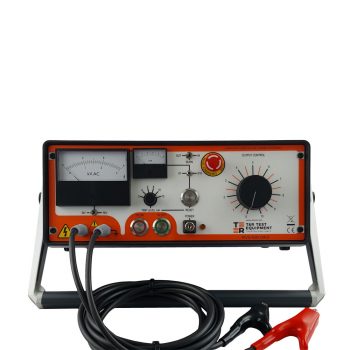
- Continuously variable output voltage 0-5kVAC
- Variable trip circuit
- 12mA and 20-120mA
- Output voltage and current metering
- Visual and audible indication of test piece failure
- Compact lightweight instrument
- Burn feature giving 100mA maximum current on short circuit
- Key operated switch preventing unauthorised operation
- Complies with the testing requirements of BS1363
|
Datasheet
|

- The output voltage and current are metered by large, accurate true RMS digital meters
- 0-30kV output voltage
- 1.2kVA output capability
- Key operated supply switch to prevent unauthorised operation
- Dual overload protection
- Variable electronic trip – 10-110% of rated output
- Test timer
- Voltage and current metering
- Zero-volt interlock
- External 24Vdc interlock circuit
- Visual indication of test piece failure
|
Datasheet
|

- 0-24kV output voltage
- 24mA maximum output current
- Automatic mains voltage selection
- Key operated supply switch to prevent unauthorised operation
- Dual overload protection
- Variable electronic trip – 16, 20 & 24mA
- Voltage and current metering
- Zero-volt interlock
- Emergency stop
- Visual indicator of test piece failure
|
Datasheet
|
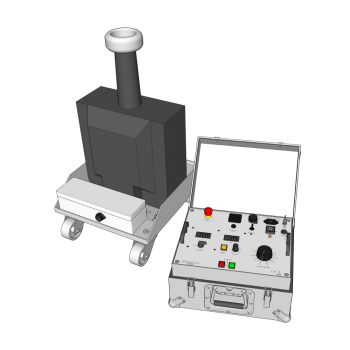
- 0-50kV output voltage
- 20mA maximum output current
- Auto-selecting 115/230V supply voltage
- Key operated supply switch to prevent unauthorised operation
- Dual overload protection
- Variable electronic trip
- Voltage and current metering
- External interlock circuit
- Zero-volt interlock
- Visual indication of test piece failure
- Cast resin HV transformer
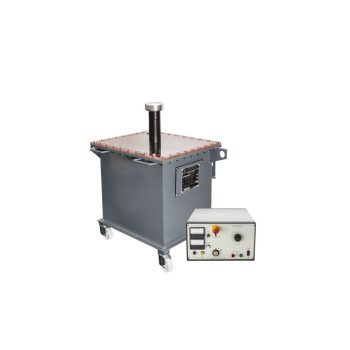
- 0-30kV output voltage
- 3kVA output capability
- Key operated supply switch to prevent unauthorised operation
- Dual overload protection
- Variable electronic trip – 10-110% of rated output
- Voltage and current metering
- External interlock circuit
- Zero-volt interlock
- Visual indication of test piece failure
|
Datasheet
|
- 0-50kV output voltage
- 5kVA output capability
- Key operated supply switch to prevent unauthorised operation
- Dual overload protection
- Variable electronic trip – 10-110% of rated output
- Voltage and current metering
- External interlock circuit
- Zero-volt interlock
- Visual indication of test piece failure
|
Datasheet
|
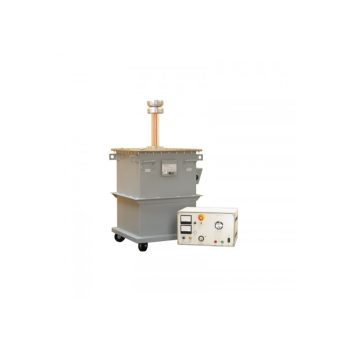
- 0-50kV output voltage
- 5kVA output capability
- Key operated supply switch to prevent unauthorised operation
- Dual overload protection
- Variable electronic trip – 10-110% of rated output
- Voltage and current metering
- External interlock circuit
- Zero-volt interlock
- Visual indication of test piece failure
|
Datasheet
|
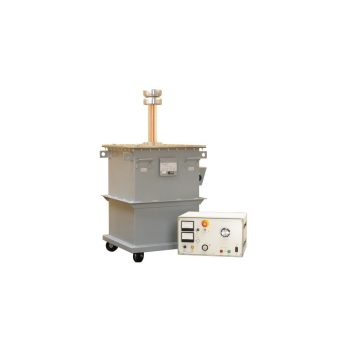
- 0-100kV output voltage
- 10kVA output capability
- Key operated supply switch to prevent unauthorised operation
- Dual overload protection
- Variable electronic trip ~10-100% of rated output
- Voltage and current metering
- External 24Vac interlock circuit
- Zero-volt interlock
- Visual indication of test piece failure
|
Datasheet
|
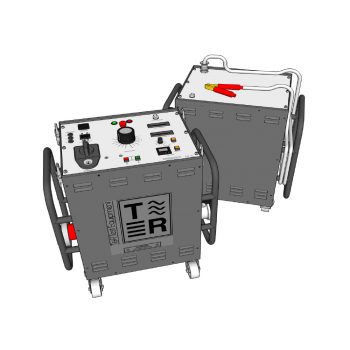
- 20kVA output capability
- 0-3kV to 0-15kV options available
- Accurate digital metering
- Key operated supply switch
- Dual overload protection
- Variable electronic trip 10-110% of rated output
- Voltage and current metering
- Optional 5s - 5min test timer
- External 24V interlock and zero-volt interlock
- Emergency stop switch
|
Datenblatt
|
