Skip to content
0
items
Products search
Blog
German
English
E-Mail
+49 (0) 3303 5040-66
MENU
MENU
Home
Products
Pressure
Temperature
Flow
Level
Minimess Couplings and Hoses
Calibration Technology
Humidity
Distance, Force, Rotational speed, Torque, Inclination and Vibration sensors
Gas Detectors
Leak Detection
Data Logger / Universal measuring devices
Electrical measuring and testing equipment
Measuring devices for switch cabinet construction
Dynisco
Siemens
H² Hydrogen Solutions
SF₆ gas solutions
Radiation measurement technology
Network equipment
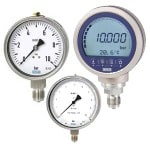
Pressure gauge / Digital pressure gauge
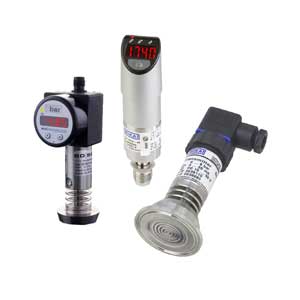
Pressure sensors / Differential pressure sensors
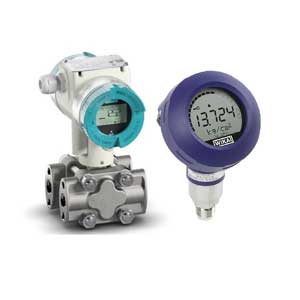
Process Transmitters
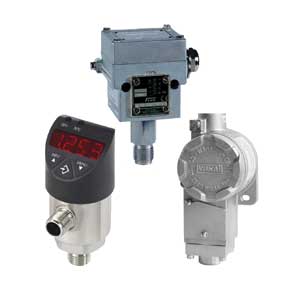
Pressure Switch / Differential pressure switch
Pressure Switch / Differential pressure switch
Diaphragm Seals
Pressure Calibration Technique
Pointer Thermometer
Temperature Sensors
Temperature Switch / Thermostats
Protective Pipes
Handheld Devices
Temperature Calibrators
Infrared Thermometers
Thermal Imaging Cameras
Measuring Turbines
Gear Sensors / Oval gear meter
Magnetic Inductive Flowmeter
Coriolis / Vortex
Levitation Body
Ultrasonic Flowmeter
Consumption Meter for Gases and Compressed Air
Hydrant Testing Devices
Flow switch
Oil condition sensors
Level sensors
Level Detection
Continuous Level Detection
WIKA KSR Kübler Level measurement
Minimess screw series 1215
Minimess screw series 1620
Minimess screw series 1615
Minimess Screw Series 1604
Minimess DVGW Screw series 1215
Minimess hoses
Minimess by Hydrotechnik
Minimess Xtreme Pressure
Pressure Calibration Technique
Temperature Calibrators
Process Calibrators / Electrical calibrators
Humidity Calibrators
Simulators
Moisture Meters / Humidity Sensors
Flow meters / Flow sensors
PH / Conductivity / Oxygen / Measuring device
Distance sensor
Force sensor
Siemens Load Cells
WIKA Load Cells / Force Transducer
Rotational speed sensor
Torque sensor
Vibration sensor
Inclination sensors
Industrial Scales
Portable Gas Detectors
Gas Detectors
Flue Gas Analyzers
Exhaust gas measuring device
Gas warning system
Leak Detection
Data Logger Pressure
Data Logger Humidity
Data Logger Multimeters
Data Logger Temperature
Data Logger Accessoires
Voltage Tester
Current Clamps / Flexible Current Transformers
Multimeter
Resistance Meters / Micro Ohmmeters
Power and Energy Analyzers
VDE Testers
Photovoltaic Devices / PV Measuring Devices
Insulation Testing Devices
Earth and soil resistivity meter
Battery testers / battery testers / density meters
Oszilloscope
Laser Range Finders / Cable Locators / Cable Altimeters
Test Equipment for the Power Supply
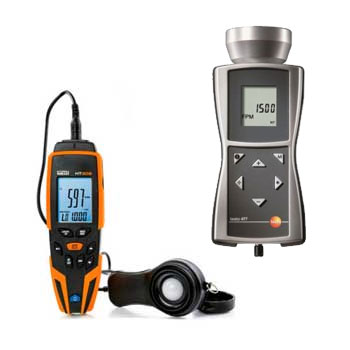
llumination meters / Thickness meters / Wall thickness / Rotation speed meters / Soundlevel / Field intensity
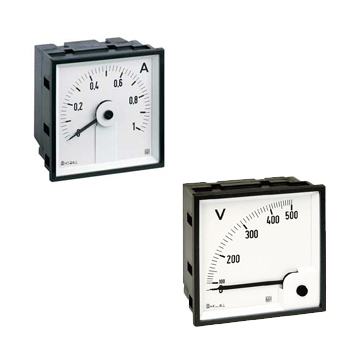
Analog Panel Meters
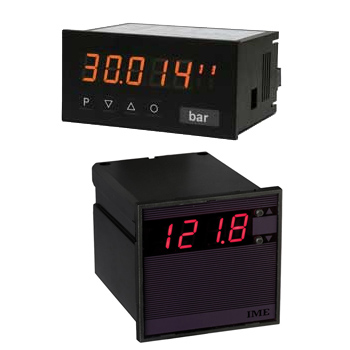
Digital Panel Meters
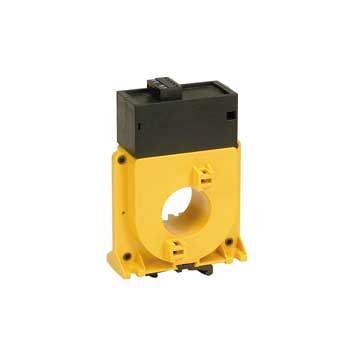
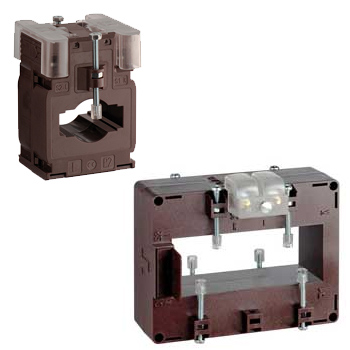
Current Transformer with transducer
Current and Voltage Transformers
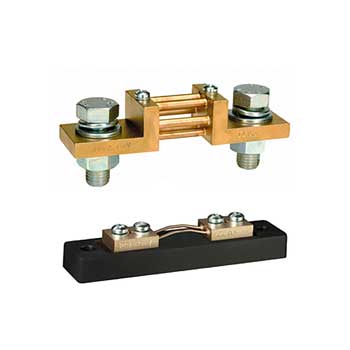
Shunt (plant construction)
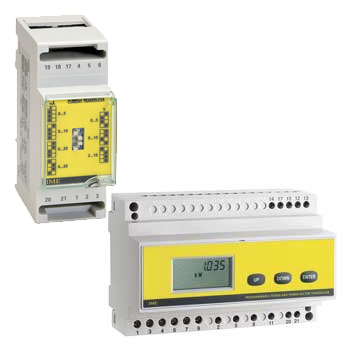
Transducers
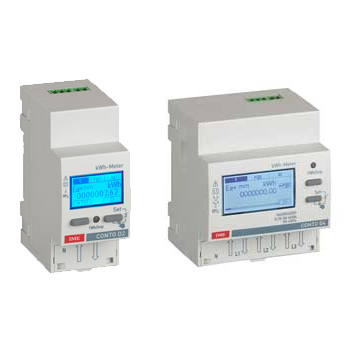
Energy Meters
Energymanagement
Limit Signal Transmitter
Isolation Amplifiers
Inor Isolation Amplifier
Switch position indicators
Melt Pressure Transducers
Melt Pressure Transmitter
Mercury Free Sensors
Injection Molding Sensors
Industrial Sensors
Rupture Disks | Gauges
Melt Temperature
Display and Control Devices
Melt Index Testing Equipment
Capillary Rheometers
Sensor Accessories
Field devices for process automation
Weighing Technology
Process Analytical Instruments
H² Pressure Sensors
H² Temperature Sensors
H² Thermocouples
H² Mass Flow Sensors
H² Flow Measurement
Venturi tube
H² Level
H² Minimess Couplings
Gas density indicators
Gas density switches
Gas density sensors
Gas density monitor
Service equipment
Analytic instruments
Detection instruments
Hoses and gas refill sets
Calibration systems
Valves and couplings
Radionuclide identifier (RID)
Dose meters
Dose Rate Meters
Dose rate warning devices
Contamination detection equipment
Probes
Telescopes
Room monitoring monitors
Laboratory power supply
Universal power supply
Charger
Isolating and regulating transformers
Inverter
DC/DC Transducer
Industries
Industry / Manufacturing
Mechanical Engineering
Process Industry
Infrastructure, Transport, and Logistics
Civil and Disaster Protection
Rail and Transportation Engineering
Aerospace
Hydrogen
Ship and Boat Building
Automotive industry and vehicle construction
Fire brigade and THW (Technical Relief Organization)
Petrochemistry
Food and Beverages
Measurement Technologies in the Pharmaceutical Industry
Nuclear Power Plants and Radiation Technology
Water and Wastewater
Oil and Gas
Iron and Steel
Renewable Energies
Recycling
Building materials and cement
Cranes and Hoisting Equipment
Granule processing
Plastic Machines
Filter Systems
Tank level measurement
Weighing technology
Wind Turbines
Mobile work machines
Heating, Ventilation, and Air Conditioning (HVAC)
Refrigeration technology
Industrial gases
Semiconductor industry
Energy Transmission and Distribution (SF
6
)
Service
News
Company
Downloads
Contact
0
items
Products search
Home
/
Siemens
/
Field devices for process automation
/
Temperature measurement
Filter
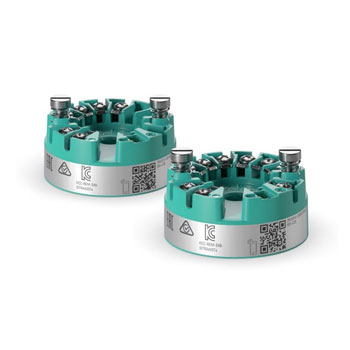
Transmitter for head mounting
2 Products
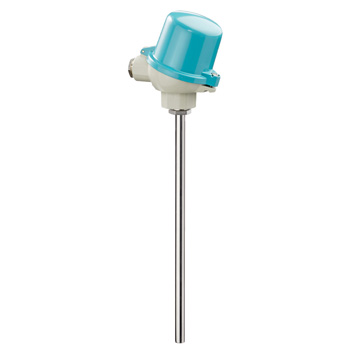
Resistance Thermometer
12 Products
0
items
MENU
MENU
Home
Products
Industries
Service
News
Company
Downloads
Contact
E-Mail
+49 (0) 3303 5040-66
German
English
Login
Username or email address
*
Password
*
Remember me
Log in
Lost your password?
Diese Website benutzt Cookies. Wenn du die Website weiter nutzt, gehen wir von deinem Einverständnis aus.
More info
Accept