


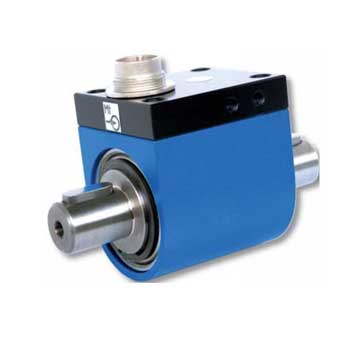
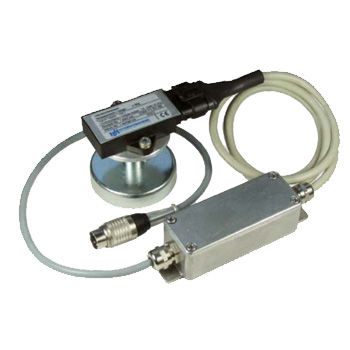
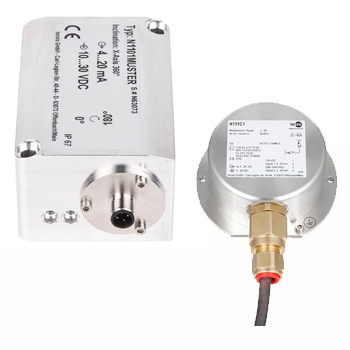
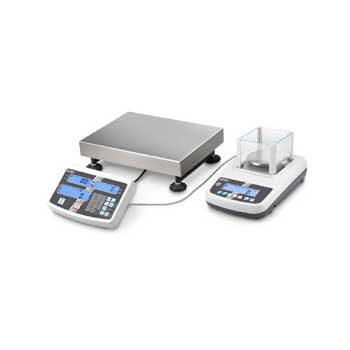
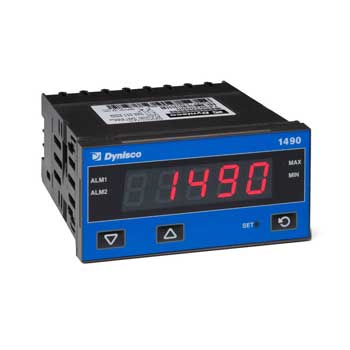
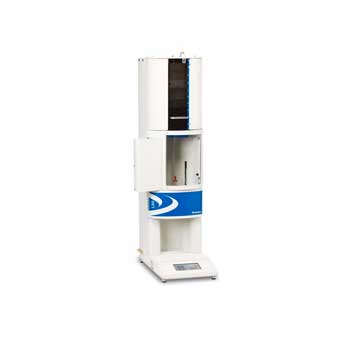
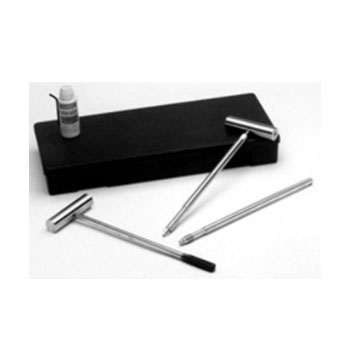
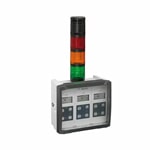


























| Housing | 96 x 48 mm |
| Display | TFT display 4-digit Digit height 15 mm Multicolour backlight Metering point & signal identification up to max. 15 characters |
| Range displayed | -1999 to 9999 |
| Operation | front panel keyboard protection class IP65 |
| Input | Voltage 0-10 VDC Current 0/4-20 mA Shunt Pt100 2-/3-wire Pt1000 2-wire Thermocouple type L, J, K, B, S, N, E, R, T Impulse input Frequency Counter Rotation speed |
| Power supply | 100-240 VAC 50/60 Hz / DC +/- 10% 230 VAC 24 VDC +/-10% galvanic isolated |
| Software properties |
|
 Datasheet Datasheet |
| User Manual |

| Housing | 96 x 48 mm |
| Display | 4-digit 14 mm digit height Colour: red, green, orange or blue display |
| Range displayed | -1999 to 9999 |
| Operation | front panel keyboard protection class IP65 |
| Input | Voltage 0-10 VDC Current 0/4-20 mA Pt100 2-/3-wire Pt1000 2-wire Thermocouple type L, J, K, B, S, N, E, R, T Frequency Rotation speed Counter Pulse input: TTL, HTL/PNP, NPN, Namur |
| Analogue Output | – |
| Switch point | – |
| Interface | – |
| Power supply | 230 VAC 100-240 VAC 50/60 Hz / DC +/- 10% 24 VDC +/-10% galvanic isolated |
| Sensor supply | – |
| Software properties |
|
| Datasheet |
| User Manual |
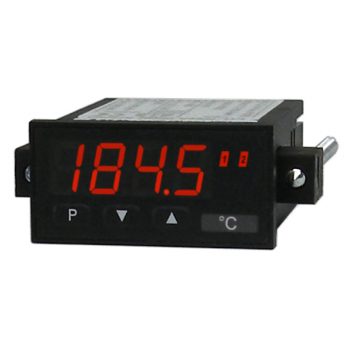
| Housing | 48 x 24 mm |
| Display | 4-digit 10 mm digit height Colour: red |
| Range displayed | -1999 to 9999 |
| Operation | front panel keyboard protection class IP65 |
| Input | Voltage 0-10VDC Current 0/4-20mA Pt100 2-/3-wire Pt1000 2-wire Thermocouple type L, J, K, B, S, N, E, R, T Frequency Rotation speed Counter Pulse input: TTL, HTL/PNP, NPN, Namur |
| Analogue Output | – |
| Switch point | 2 semiconductor switchpoint |
| Interface | – |
| Power supply | 9-28 VDC galv. not isolated |
| Sensor supply | – |
| Software properties |
|
|
Datasheet
|
|
User Manual
|
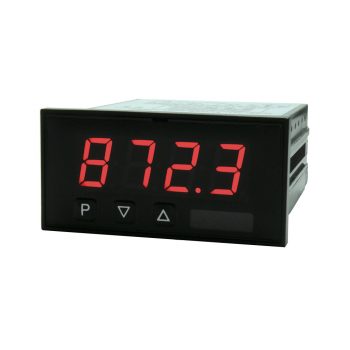
| Housing | 72 x 36 mm |
| Display | 4-digit 14 mm digit height Colour: red |
| Range displayed | -1999 to 9999 |
| Operation | front panel keyboard protection class IP65 |
| Input | Voltage 0-10 VDC Current 0/4-20 mA Pt100 2-/3-wire Pt1000 2-wire Thermocouple type L, J, K, B, S, N, E, R, T Frequency Rotation speed Counter Pulse input: TTL, HTL/PNP, NPN, Namur |
| Analogue Output | – |
| Switch point | 2 semiconductor switchpoint |
| Interface | – |
| Power supply | 230 VAC 50/60 Hz, ≤ 3 VA 24 VDC ± 10% galvanic isolated, ≤ 1 VA |
| Sensor supply | – |
| Software properties |
|
|
Datenblatt
|
|
Bedienungsanleitung
|
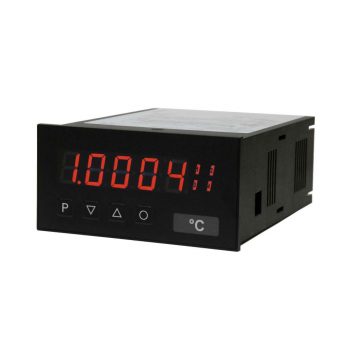
The IPU5.000X.1W70 is a 5-digit meter for direct connection of different sensors. The configuration takes place via 4 front keys or the optional PC software PM-TOOL. To monitor limit values, up to 4 changeover relays, a transmitter supply, the interfaces RS232/RS485 for data transfers from/to the device and analog outputs 0-10 VDC, 4-20 mA or 0-20 mA are optionally available for further evaluation. A HOLD/TARA function via keyboard, many selectable software functions and a 24-bit resolution characterize a proven device for industrial use.
 Datasheet Datasheet |
| User Manual |
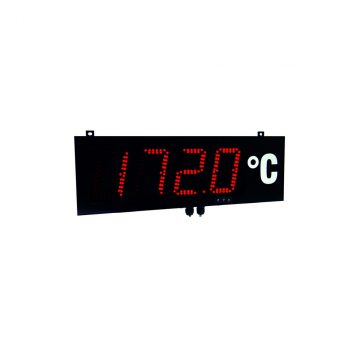
| Housing | 100 mm |
| Display | 4-8-digit 7-segment-display 100 mm digit height as built-on or panel meter housing Colour: red, green, orange or blue display |
| Range displayed | -1999 to 9999 |
| Operation | front panel keyboard protection class IP65 |
| Input | 0…10 V 0…50 mV 0/4…20 mA Pt100-3-wire Pt1000 2-wire Thermocouple type L, J, K, B, S, N, E, T, R Frequency 0…10 kHz, NPN 0…3 kHz, PNP 0…1 kHz Rotation speed 0…9999 1/min Counter 0…9999 (prescaler to 1000) |
| Analogue Output | 0/4-20 mA / 0-10 VDC / 16 Bit |
| Switch point | 2 normally open contacts 30 VDC / 2A, resistive burden |
| Interface | RS232 (Modbus protocol) RS485 (Modbus protocol) Bluetooth module 4.0 |
| Power supply | 100-240 VAC 50/60 Hz / DC +/- 10% 18-36 VDC DC-isolated |
| Sensor supply | 10 VDC / 20 mA, incl. digital input 24 VDC / 50 mA, incl. digital input |
| Software properties |
|
|
Datasheet
|
|
User Manual
|
| Housing | 200 mm |
| Display | 4-8-digit 7-segment-display 200 mm digit height as built-on or panel meter housing Colour: red, green, orange or blue display |
| Range displayed | -1999 to 9999 |
| Operation | front panel keyboard protection class IP65 |
| Input | 0…10 V 0…50 mV 0/4…20 mA Pt100-3-wire Pt1000 2-wire Thermocouple type L, J, K, B, S, N, E, T, R Frequency 0…10 kHz, NPN 0…3 kHz, PNP 0…1 kHz Rotation speed 0…9999 1/min Counter 0…9999 (prescaler to 1000) |
| Analogue Output | 0/4-20 mA / 0-10 VDC / 16 Bit |
| Switch point | 2 normally open contacts 30 VDC / 2A, resistive burden |
| Interface | RS232 (Modbus protocol) RS485 (Modbus protocol) Bluetooth module 4.0 |
| Power supply | 100-240 VAC 50/60 Hz / DC +/- 10% 18-36 VDC DC-isolated |
| Sensor supply | 10 VDC / 20 mA, incl. digital input 24 VDC / 50 mA, incl. digital input |
| Software properties |
|
|
Datasheet
|
|
User Manual
|
| Housing | 57 mm |
| Display | 4-8-digit 7-segment-display 57 mm digit height as built-on or panel meter housing Colour: red, green, orange or blue display |
| Range displayed | -1999 to 9999 |
| Operation | front panel keyboard protection class IP65 |
| Input | 0…10 V 0…50 mV 0/4…20 mA Pt100-3-wire Pt1000 2-wire Thermocouple type L, J, K, B, S, N, E, T, R Frequency 0…10 kHz, NPN 0…3 kHz, PNP 0…1 kHz Rotation speed 0…9999 1/min Counter 0…9999 (prescaler to 1000) |
| Analogue Output | 0/4-20 mA / 0-10 VDC / 16 Bit |
| Switch point | 2 normally open contacts 30 VDC / 2A, resistive burden |
| Interface | RS232 (Modbus protocol) RS485 (Modbus protocol) Bluetooth module 4.0 |
| Power supply | 100-240 VAC 50/60 Hz / DC +/- 10% 18-36 VDC DC-isolated |
| Sensor supply | 10 VDC / 20 mA, incl. digital input 24 VDC / 50 mA, incl. digital input |
| Software properties |
|
|
Datasheet
|
|
User Manual
|
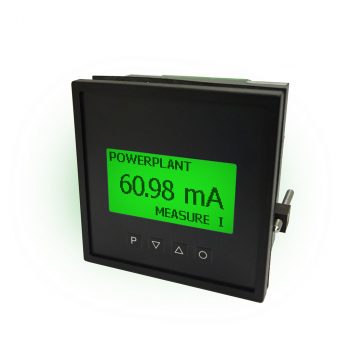
| Housing | 96 x 96 mm |
| Display | LCD Display 4-digit Multicolour backlight Metering point & signal identification up to max. 15 characters |
| Range displayed | -1999 to 9999 |
| Operation | front panel keyboard protection class IP65 |
| Input | Voltage 0-10 VDC Current 0/4-20 mA Shunt Pt100 2-/3-wire Pt1000 2-wire Thermocouple type L, J, K, B, S, N, E, R, T Impulse input Frequency Counter Rotation speed |
| Power supply | 100-240 VAC 50/60 Hz / DC +/- 10% 10-40 VDC / 18-30 VAC 50/60 Hz |
| Software properties |
|
|
Datasheet
|
|
User Manual
|
