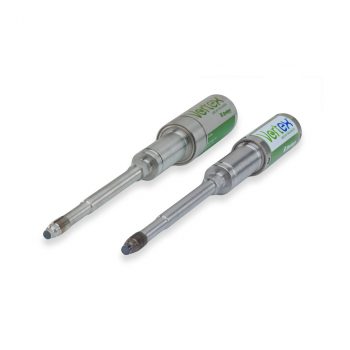
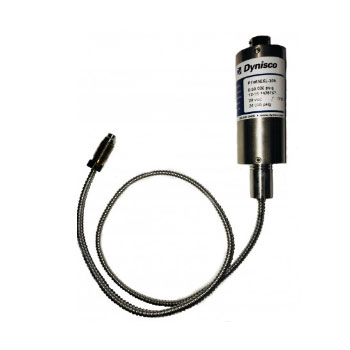
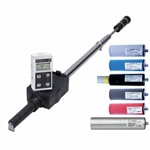
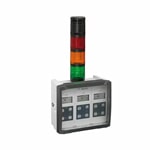
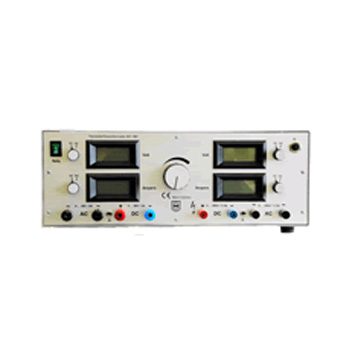
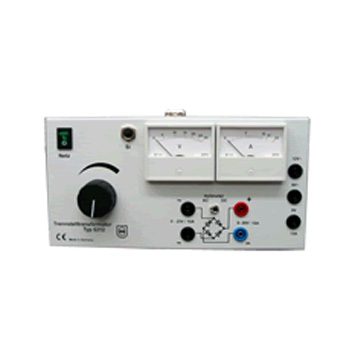



























• High accuracy
  • High turndown ratio: 100–10% of capacity
  • Corrosion-resistant components
  • Fast and easy belt removal for replacement or cleaning
  • Simple installation, easy to clean and maintain
Datasheet

  • High accuracy
  • Ideal for low- to medium-capacity loads
  • Fast installation, easy to clean and maintain
  • Flexible, rugged design allows configurations to suit many applications
  • Quick delivery of custom units
Datasheet


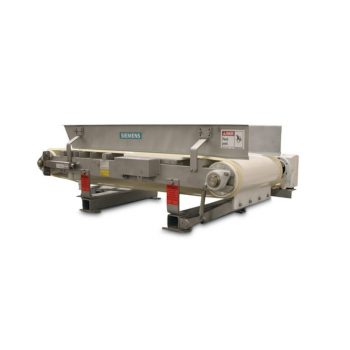
Dosing Belt Scales – Continuous Gravimetric Feeding for Bulk Materials

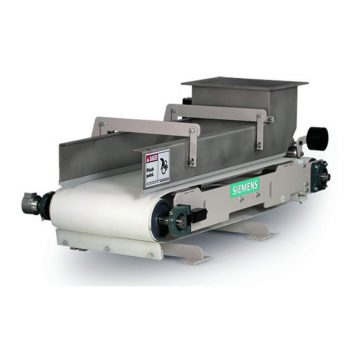
Dosing belt scales (Dosierbandwaagen) are used for continuous weighing and dosing of bulk materials on belt conveyors. They combine a weighing section with a belt feeder or conveyor and regulate material throughput by adjusting belt speed based on weight measurement. :contentReference[oaicite:0]{index=0}

These systems are commonly used in industries such as aggregates, mining, cement, chemical processing, recycling and food production. Key features include robust construction, belt widths and lengths adapted to the material, high throughput, and accurate gravimetric measurement even under heavy industrial conditions. :contentReference[oaicite:1]{index=1}


FAQ About Dosing Belt Scales

Answers regarding principle of operation, applications, selection criteria, installation, and typical error sources.

How does a dosing belt scale work?

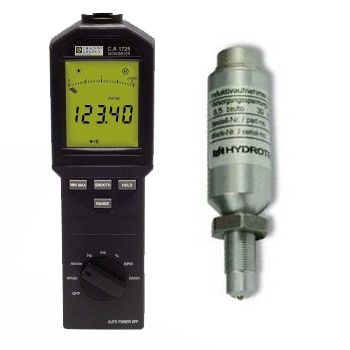
A dosing belt scale integrates a belt conveyor with weighing stations and a speed measurement system (e.g., tachometer). The weight of material on the belt and the belt speed are measured; the system computes the throughput (kg/h or t/h) and adjusts the belt speed to maintain a target mass flow. :contentReference[oaicite:2]{index=2}

Where are dosing belt scales typically used?

They are used in bulk material processing such as cement, aggregates, mining, recycling, feed/food, chemical industries — wherever continuous gravimetric dosing of powders or bulk solids is required. :contentReference[oaicite:3]{index=3}

What criteria should be considered when selecting one?

Important selection parameters include:

  • Belt width and belt length suited to material and footprint
  • Belt speed range and maximum throughput (kg/h or t/h)
  • Accuracy/tolerance of dosage (e.g., ±0.5 % or better) :contentReference[oaicite:4]{index=4}
  • Material properties (free-flowing, abrasive, sticky, temperature, bulk density)
  • Construction (open, closed, dust-proof, hygienic design for food) :contentReference[oaicite:5]{index=5}
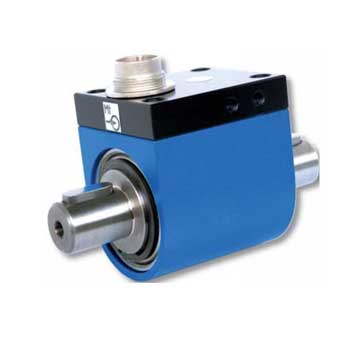
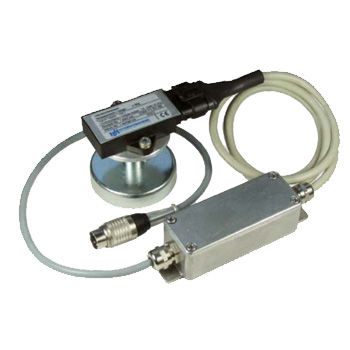
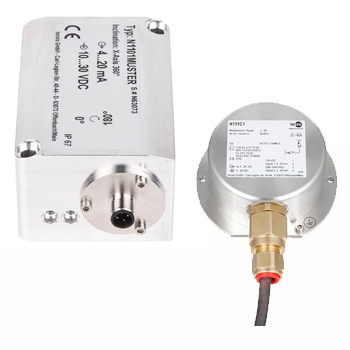
  • Instrumentation and interfaces (belt speed sensor, load cells, data outputs) :contentReference[oaicite:6]{index=6}
  • Maintenance and cleaning accessibility

What installation or operational issues should be considered?

Ensure correct belt tension, stable mounting for the weighing section, accurate calibration of load cells and speed sensor. The belt must be evenly loaded, skews or misalignment of belt should be avoided. Dust, vibration and temperature fluctuations can affect accuracy. :contentReference[oaicite:7]{index=7}

What are common error sources?

  • Uneven belt loading or material not distributed evenly
  • Belt speed variations or mis-calibrated tachometer
  • Belt deflection or sag in weighing zone
  • Build-up of material beneath the weighing frame
  • Temperature drifts, vibrations, dust ingress

What accuracy can be achieved?

With optimal setup and conditions, dosing belt scales can achieve accuracy within ±0.25% to ±1% of setpoint. :contentReference[oaicite:8]{index=8}

Are there hygienic versions for food industry?

Yes — certain models of dosing belt scales are specifically designed for the food sector with stainless steel construction, easy-clean surfaces and hygienic design for processing bulk food ingredients. :contentReference[oaicite:9]{index=9}

How can I request a quotation?

Please provide ICS Schneider Messtechnik with the following information: required throughput (kg/h or t/h), belt width and available footprint, material properties (bulk density, abrasiveness, stickiness), desired accuracy, installation environment (indoor/outdoor, dust, temperature), and required interfaces. You will receive a tailored solution.

Diese Website benutzt Cookies. Wenn du die Website weiter nutzt, gehen wir von deinem Einverständnis aus.