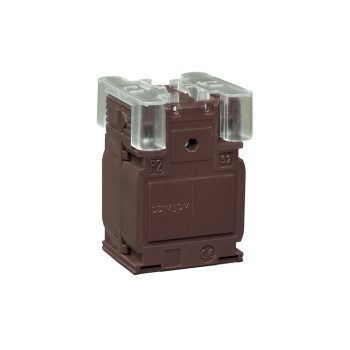


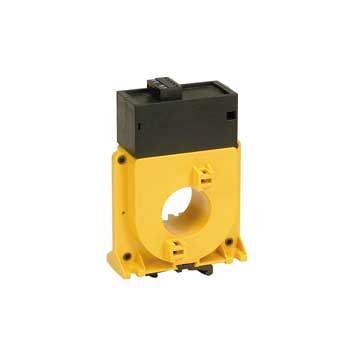
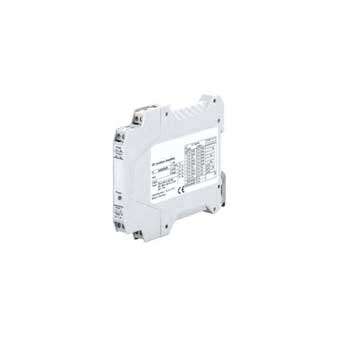
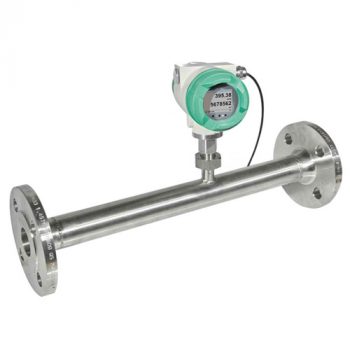
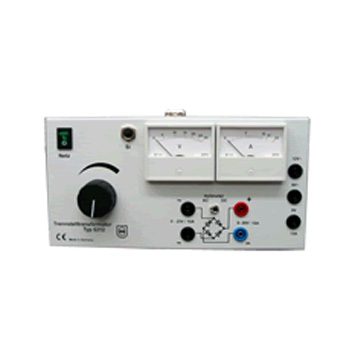




























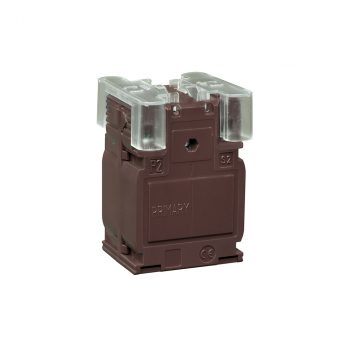
- Single-phase current transformer
- Wound primary
- Primary current 5...40A
- Secondary current 1 - 5A
- Accuracy class: cl.0,5 - 1
- Rated burden:
- 2VA (cl.0,5)
- 4VA (cl.1)
Datasheet
|
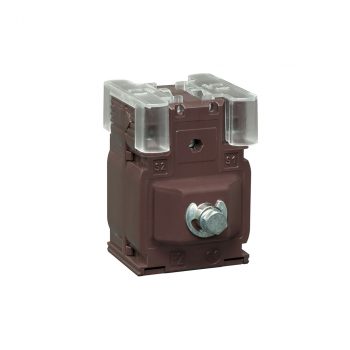
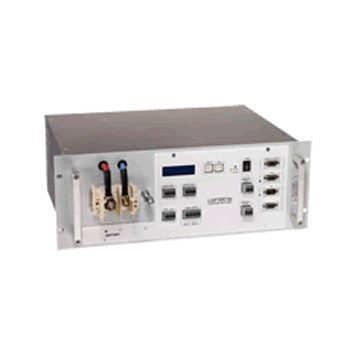
- Single-phase current transformer
- Wound primary
- Primary current 50...100A
- Secondary current 1 - 5A
- Accuracy class: cl.0,5 - 1
- Rated burden:
- 2VA (cl.0,5)
- 4VA (cl.1)
Datasheet
|
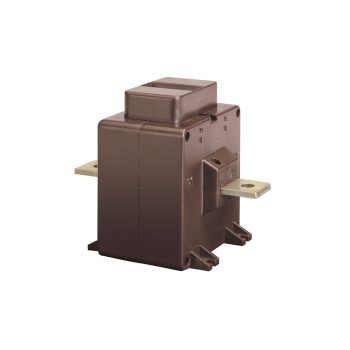
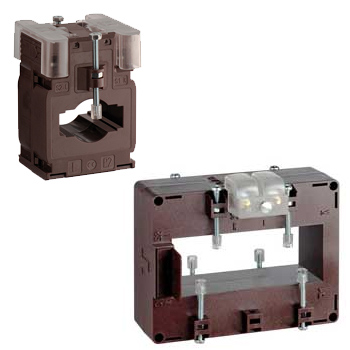
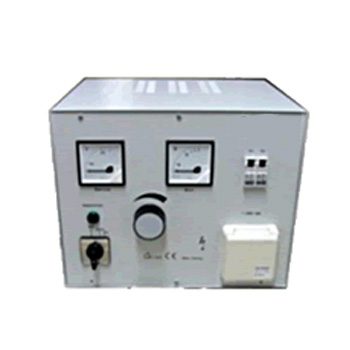
- Single-phase current transformer
- Wound primary
- Primary current 5...40A
- Secondary current 1 - 5A
- Accuracy class: cl.0,5 - 1
- Rated burden:
- 6VA (cl.0,5)
- 7,5VA (cl.1)
Datasheet
|
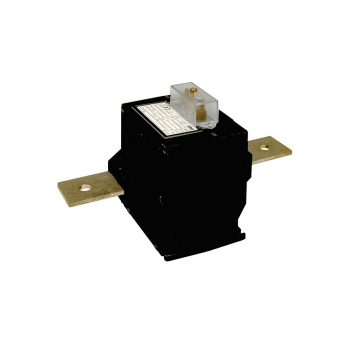
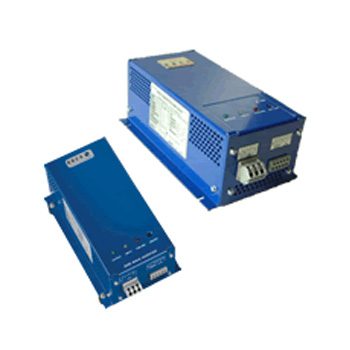
- Single-phase current transformer
- Wound primary
- Primary current 50...100A
- Secondary current 1 - 5A
- Accuracy class: cl.0,5 - 1
- Rated burden:
- 2VA (cl.0,5)
- 4VA (cl.1)
Datasheet
|
Wound Current Transformers (Wickel-CT)
A wound current transformer uses a dedicated primary winding instead of a through-conductor. The primary circuit must be opened, and a specially wound primary coil inside the transformer takes over carrying the measured current. This type is often chosen when currents are relatively low to medium (e.g. 1 A up to ~150 A) and installing a through-conductor CT would require an impractically large core.
Questions & Answers
What distinguishes a wound CT from through-window or clamp-on CTs?
In a wound CT, the primary winding is part of the transformer and the circuit must be interrupted; the measured current flows through this winding. In contrast, through-window or clamp-on CTs pass an existing conductor through the CT core without interrupting the circuit.
For which current ranges and applications is a wound CT suitable?
Wound CTs are suitable for lower to moderate currents (typically 1–150 A). They are used when a new measurement line is acceptable, or where existing conductors cannot be routed through a standard CT core.
How does a wound CT perform the current transformation?
The primary winding, secondary winding and magnetic core form a transformer. The current in the primary winding creates a magnetic flux in the core, which induces a proportional current in the secondary winding — suitable for measurement or protection devices.
Why use a wound CT for small currents?
Because for low primary currents, a through-window CT would require a very large core to maintain accuracy. A wound winding amplifies the magnetic flux via multiple turns, allowing a compact design while preserving measurement precision.
What are typical secondary outputs?
Typical secondary currents are standardized values such as 5 A or 1 A. These can then feed meters, relays or monitoring systems.
What must be considered during installation?
The primary circuit must be opened safely and correctly connected. The secondary circuit must never remain open under load — it must always be connected to a suitable burden (meter or load) to prevent dangerously high voltages and ensure accurate operation.
When is a wound CT a good choice?
When measuring lower currents, when the existing wiring cannot be routed through a CT core, or when a compact, reliable transformer is required — for example in new installations or retrofit solutions where space constraints or conductor layout make standard CTs impractical.
What accuracy classes and form factors are common?
Wound CTs are available in accuracy classes such as 0.2, 0.5 or 1, depending on the intended use (metering, monitoring, control). Their compact design makes them suitable even where space is limited.
What are the advantages and drawbacks compared to other CT types?
Advantages: compact size, suitability for small/medium currents, stable performance. Drawbacks: requires opening the primary circuit, less convenient for retrofitting existing conductors, and secondary winding must never be left open under load.


Datasheet