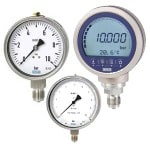
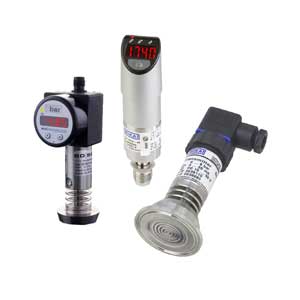
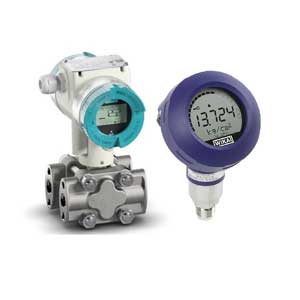
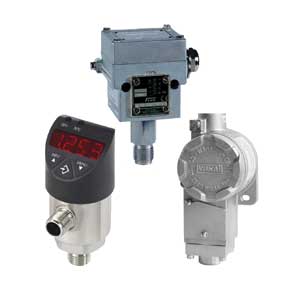

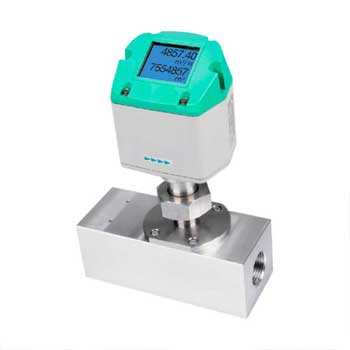
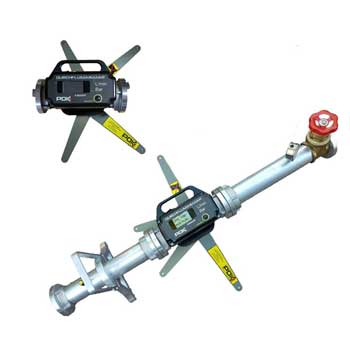
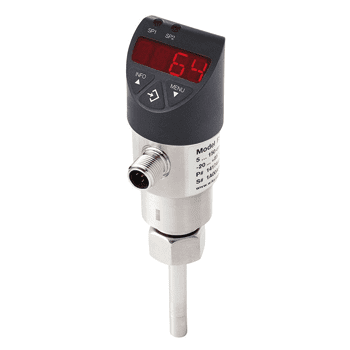
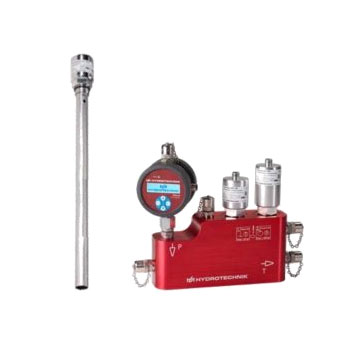
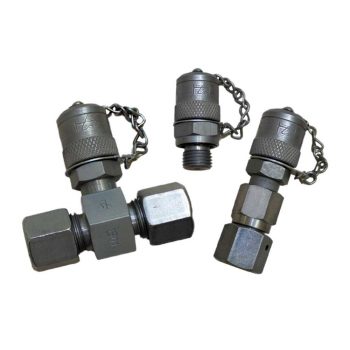
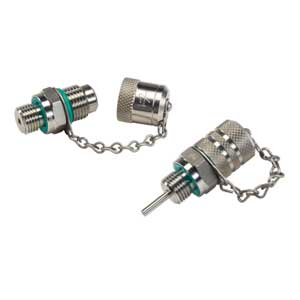
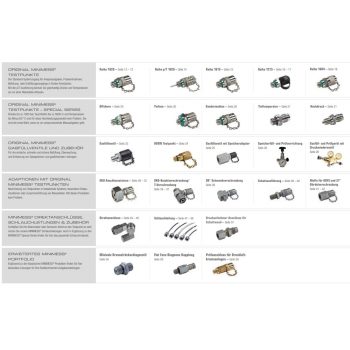
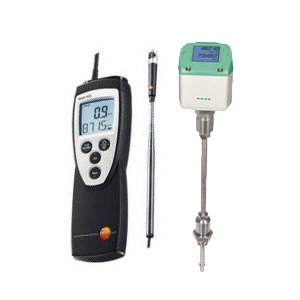
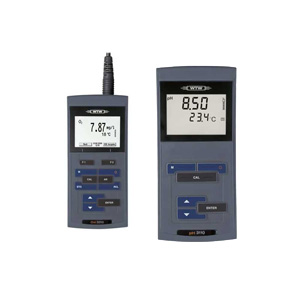
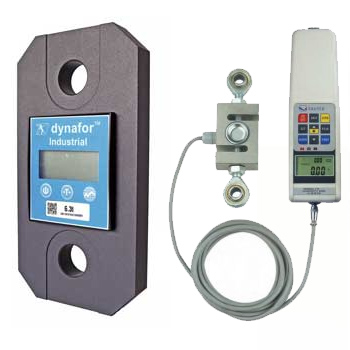
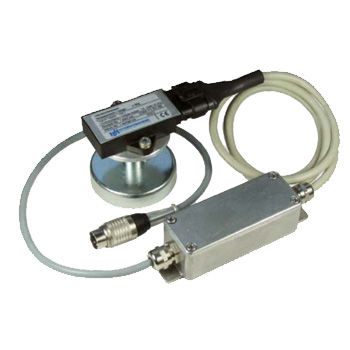
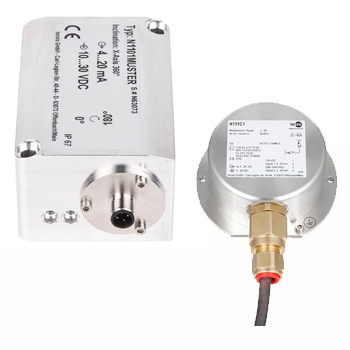
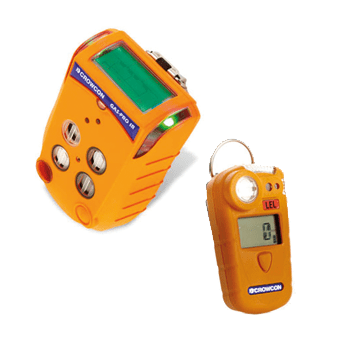

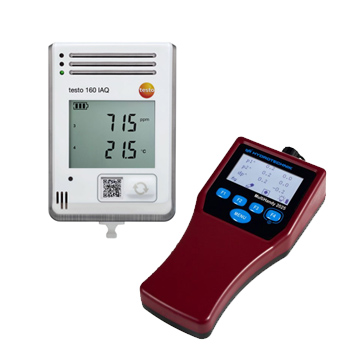
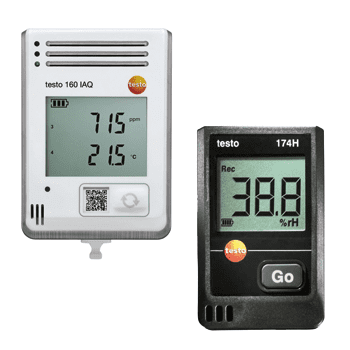
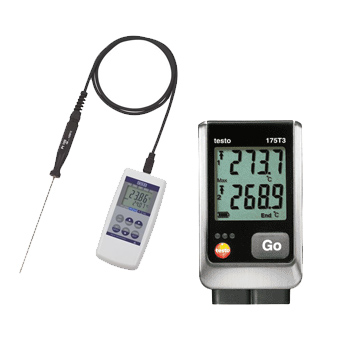
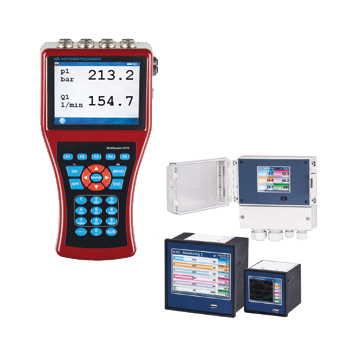





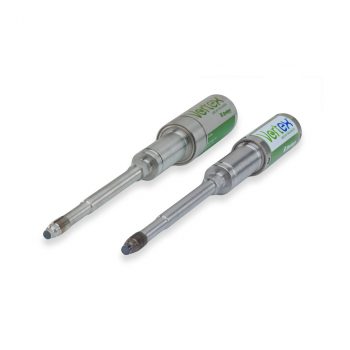
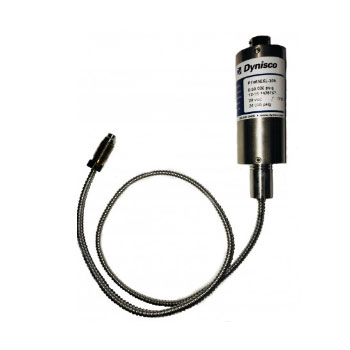
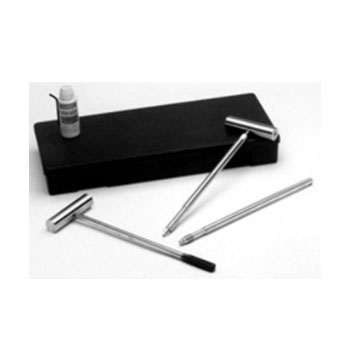
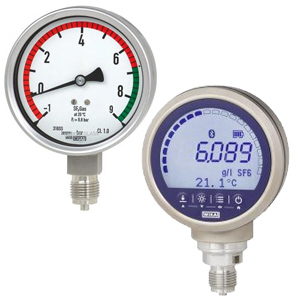
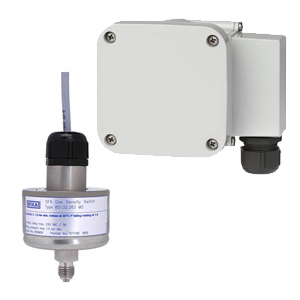
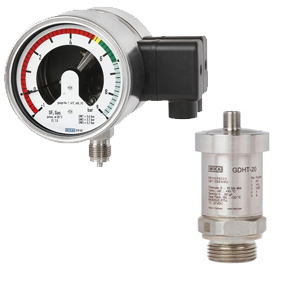
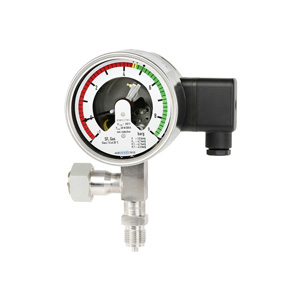
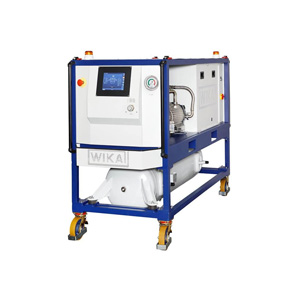
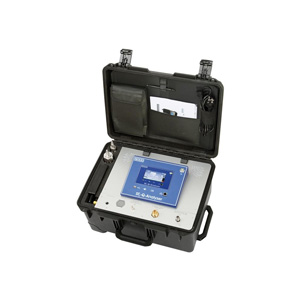
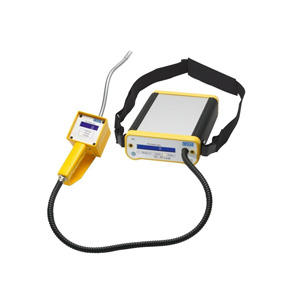
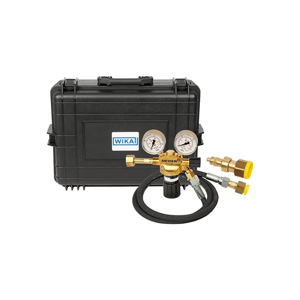
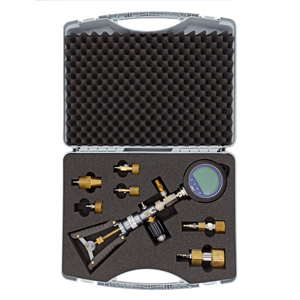
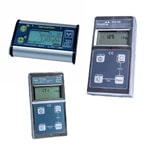
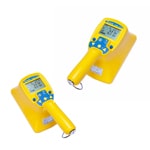
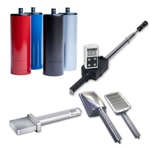
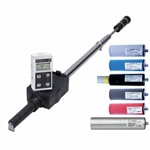
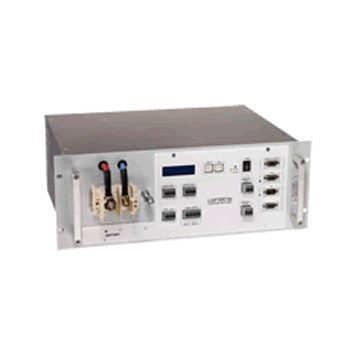
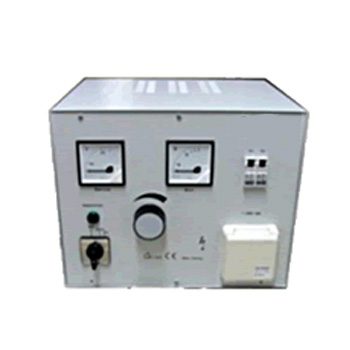



























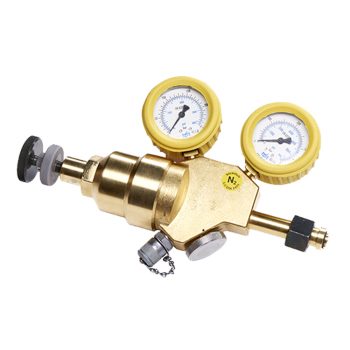
Premium Quality: Our gas charging and testing devices with pressure reducer for charging, adjusting and monitoring gas pressure in nitrogen hydraulic accumulators.

Datasheet

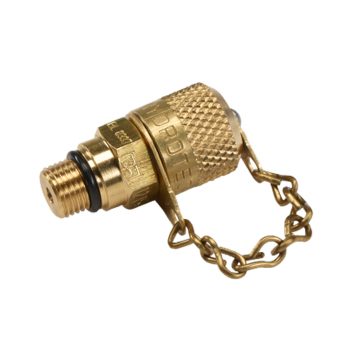
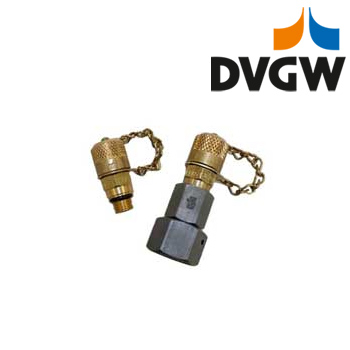
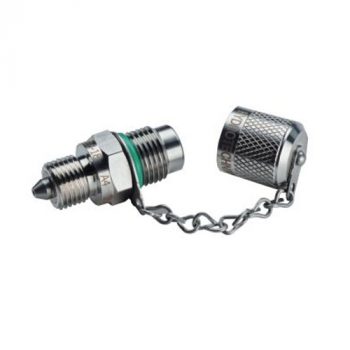
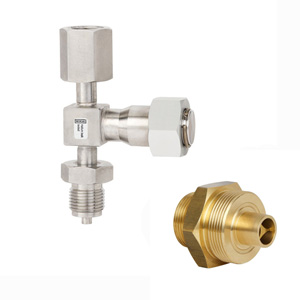
The MINIMESS® 1215 DVGW gas charging valve serves as system access for gas pressure systems and provides a connector for control measuring devices according to DVGW worksheet G491 for pressure measurement and gas sampling. Further advantages are its small coupling thread and compact design. Suitable for operating pressures up to 250 bar.

Datasheet
Datasheet Gaseous Hydrogen

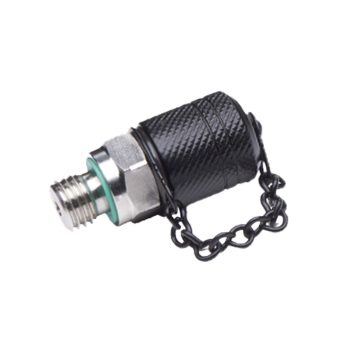
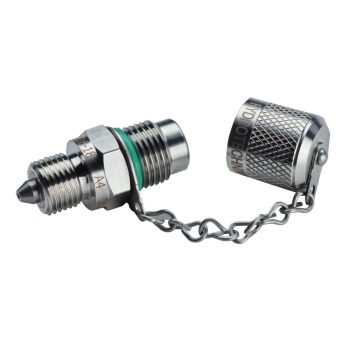
Safe, durable, versatile: The original MINIMESS® gas charging valve boasts a high gas tightness of 2x10⁻⁵ mbar and is specially designed for use with inert gases. Suitable for operating pressures up to 630 bar, it is available with a wide range of screw-in threads.

Datasheet

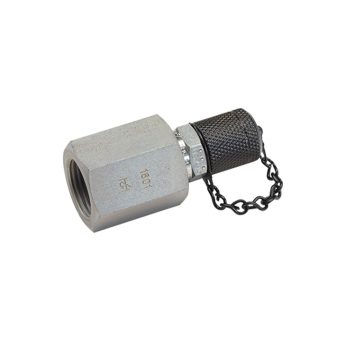
Fitted in no time at all: the MINIMESS® 1615 gas charging valve with accumulator adapter can be mounted on all conventional bladder accumulators and is suitable for operating pressures up to 400 bar. For safe filling and emptying of accumulators with minimum leakage.

Datasheet

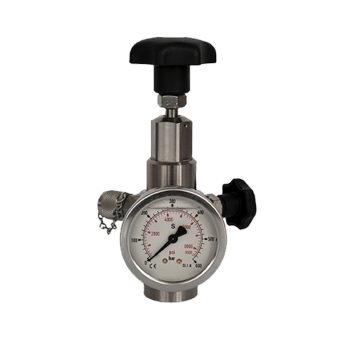
Clever, time and cost saving: Our MINIMESS® accumulator charging and testing device allows multiple accumulators to be charged or tested without the need to close the pressure source, such as a nitrogen cylinder. By opening the relief valve after closing the nitrogen cylinder, the filling and testing device is relieved.    


Minimess® Gas Filling Valves & Accessories – safe filling, testing & venting of gas systems

Minimess® gas filling valves provide low-emission, under-pressure connectable access points for filling, pressure testing and venting of gases—e.g., N₂ (accumulators/vibration dampers), instrument air, CO₂ and technical gases. Matching fill hoses, pressure regulators, gauges/loggers, adapters, dust caps and safety accessories complete the range.

Options (model-dependent): threads M12×1.5 / M16×1.5 / M16×2 / G 1/4 / 7/16″-20 UNF / NPT, bodies in nickel-plated brass or 316/316L stainless steel, seals HNBR/NBR/FKM/PTFE, integrated check/shut-off, dry-break variants for minimal emissions, pressure classes from low to high pressure (see datasheet).

ICS Schneider Messtechnik supports selection, configuration, calibration and documentation—from mobile filling cases to fixed filling stations.


FAQ on Minimess® Gas Filling Valves & Accessories

Answers on media, seals, regulators, hoses, adapters, installation, leak testing, safety and best practices.

What are gas filling valves used for?

For N₂ precharge of accumulators/dampers, pressure adjustment in pneumatics, functional/leak tests with air/nitrogen, CO₂ circuits and more.

Which gases are typical?

Nitrogen (N₂), instrument air, CO₂, argon, helium (test gas). Oxygen only with O₂-suitable materials/greases; work oil-free.

Which sealing materials fit which gas?

SealPropertiesTypical gases
HNBRExcellent gas/fuel resistanceN₂, air, CO₂, LPG
NBRProven, economicalN₂, air (standard)
FKMHigher temperature/chemicalsProcess/specialty gases
PTFEVery broad chemical resistance, low diffusionAggressive/high-purity gases

Which threads/interfaces are available?

Metric (M12×1.5 / M16×1.5 / M16×2), G 1/4 (BSPP), NPT and 7/16″-20 UNF for microbore hoses; adapters to common gauge/regulator threads are available.

How do I choose the right pressure regulator?

TypeStagesUse
Laboratory/fineSingle/dual stageStable, finely adjustable outlet
IndustrialSingle stageRugged; on-site filling/service
High pressureReinforced designN₂ cylinders up to 300 bar (model-specific)

Which hoses are suitable?

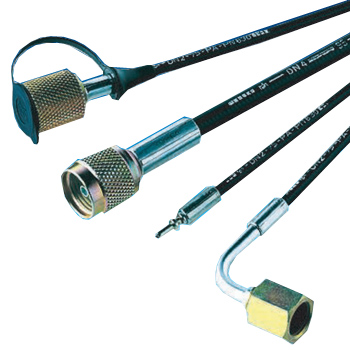
Microbore DN2/DN4 for service/testing (low volume, fast response), PTFE-braided for chemical/temperature demands; optional anti-static and dust caps.

Is under-pressure coupling possible?

Yes—many versions are under-pressure connectable and feature dry-break technology. Keep Δp low, align axially, and engage until the audible/tactile click.

How do I install correctly?

  • Keep sealing/cone faces clean; use the correct O-ring/face seal.
  • Start threads by hand, tighten to the specified torque.
  • Use only gas-approved sealants; for O-ring/face seals, no tape on sealing faces.

How do I perform the leak test after installation?

Use leak detection spray or a gauge/pressure hold test; record procedure (pressure, hold time, temperature) and document results.

How can I minimize gas emissions?

Use dry-break couplings with double shut-off, protect ends with caps, keep interfaces clean, and fill/vent slowly.

What safety aspects matter?

  • PPE (goggles/gloves), good ventilation.
  • Secure cylinders, provide hose strain relief (whip checks).
  • Operate only with approved media and within specified p/T.

Can I use helium for leak detection?

Yes—helium sniff testing detects micro-leakage; alternatively use pressure-decay or bubble testing as required.

How do I vent in a controlled way?

Via integrated needle/drain valves or regulator bleed—depressurize slowly, direct flow to a shielded area, avoid ignition sources.

Which gauges/loggers do you recommend?

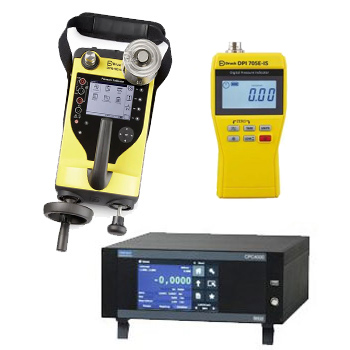
Glycerin-filled or dry gauges 0–16/0–400 bar depending on task, digital pressure loggers for traceable test records; connect via G 1/4 / 7/16″-20 UNF adapters.

What is the service life of seals/hoses?

Driven by cycles, temperature and medium. Inspect for cracks/set; replace periodically. Protect ends with dust caps.

Any specifics for O₂ or H₂?

O₂: oil-free handling, O₂-compatible materials/greases only. H₂: consider permeation and material choice (stainless/PTFE); use only approved components.

What typical issues occur—and fixes?

  • Micro-leakage → clean seat, replace O-ring, verify torque.
  • Stiff coupling → check alignment/Δp, clean sealing cone.
  • Pressure drop → leak-check hose/adapter, inspect check valve.

Do you offer kits & documents?

Yes—filling cases with regulator, hoses, adapters; EN 10204 material certs, test/calibration certificates and commissioning checklists.

Do you support selection & commissioning?

Yes—we specify seals/materials, choose regulators/gauges, configure hoses/adapters and can supply a complete filling solution including documentation.

Diese Website benutzt Cookies. Wenn du die Website weiter nutzt, gehen wir von deinem Einverständnis aus.