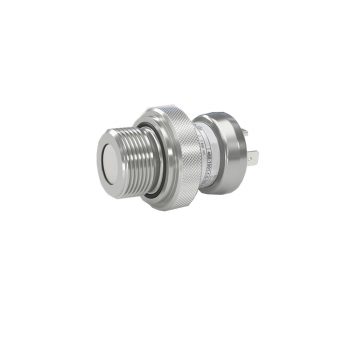
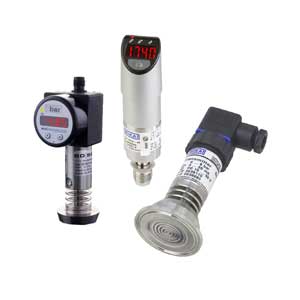
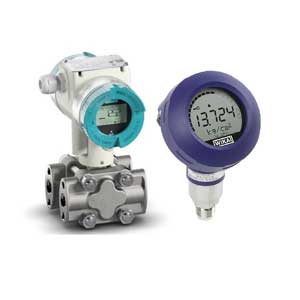
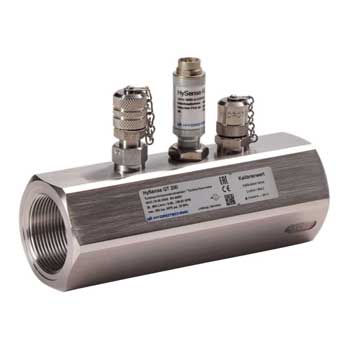
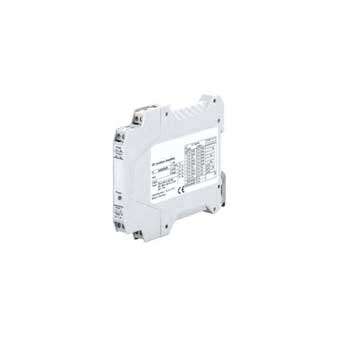
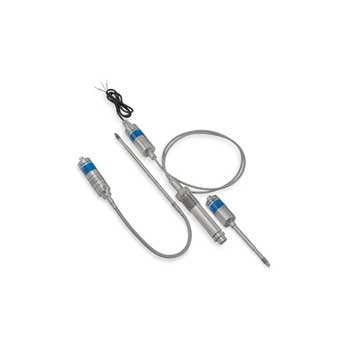
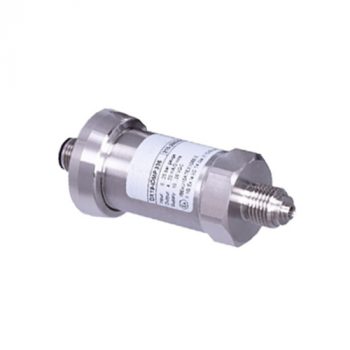
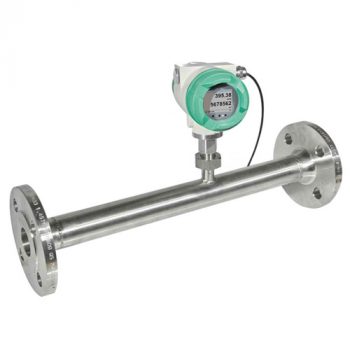
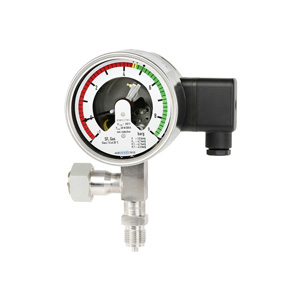
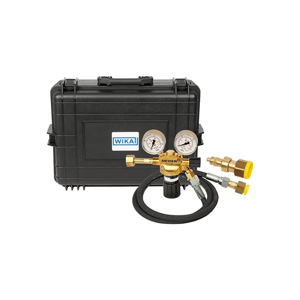
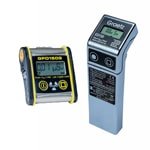
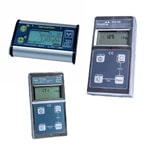
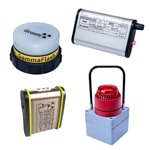
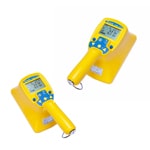


























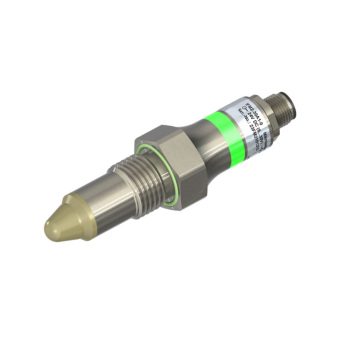
• nominal pressure: 0 ... 40 mbar up to 0 ... 20 bar
  • accuracy: 0.35 % (opt. 0.25 %) FSO
  • pressure port G 1 1/2" for pasty and polluted media
Datasheet

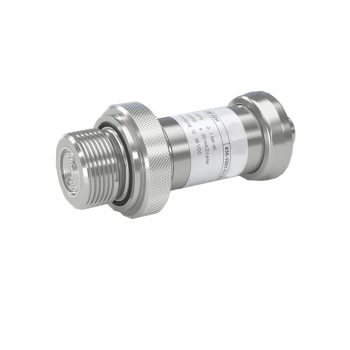
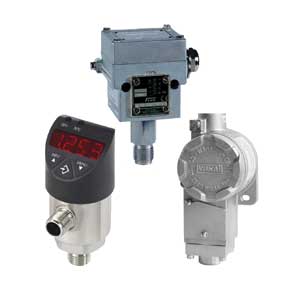
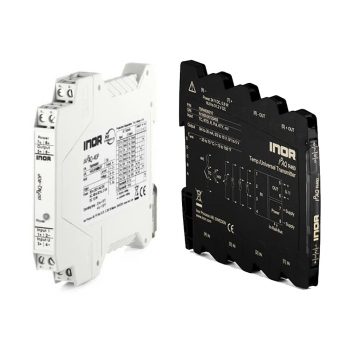
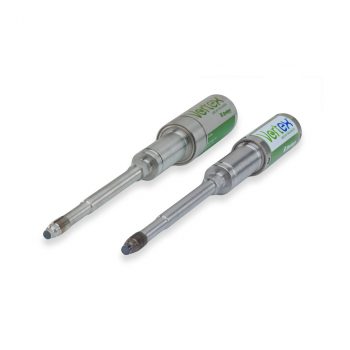
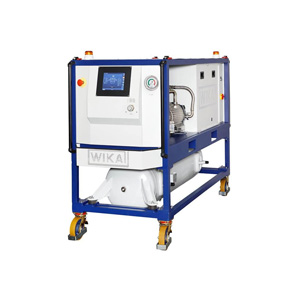
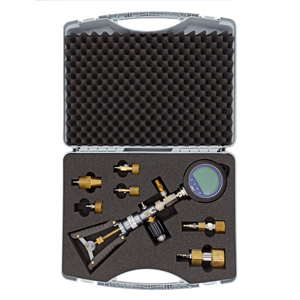
  • nominal pressure: 0 ... 100 mbar up to 0 ... 40 bar
  • accuracy: 0.35 % (opt. 0.25% / 0.1 %) FSO
  • small thermal effect
  • excellent long term stability
  • pressure port G 3/4" flush
Datasheet

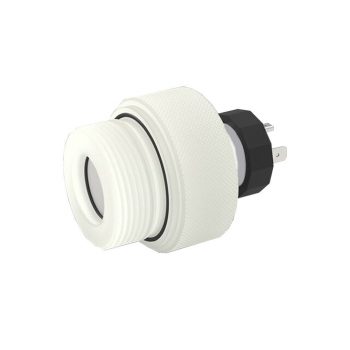
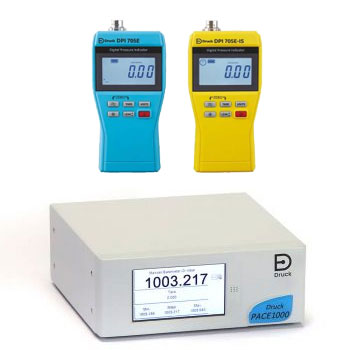
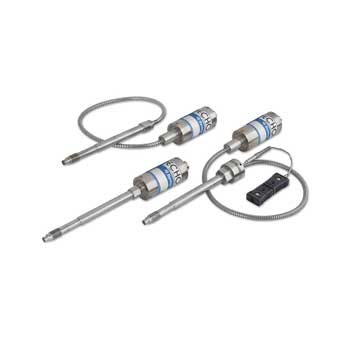
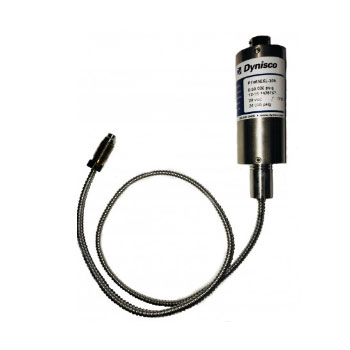
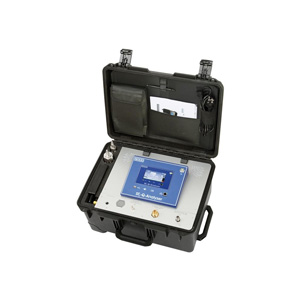
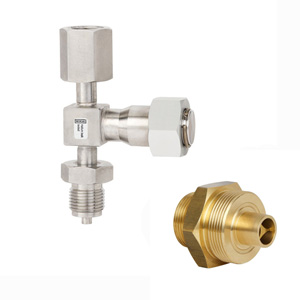
  • nominal pressure: 0 ... 400 mbar up to 0 ... 40 bar
  • accuracy: 0.1 % FSO
  • thermal error in compensated range -20 … 80 °C: 0.2 % FSO TC 0.02 % FSO / 10 K
  • turn-down 1:10
  • communication interface for adjusting of offset, span and damping
Datasheet

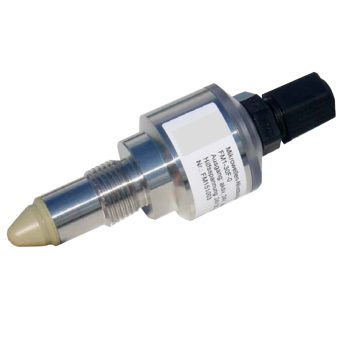
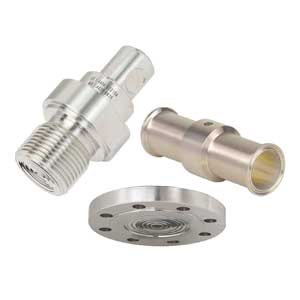
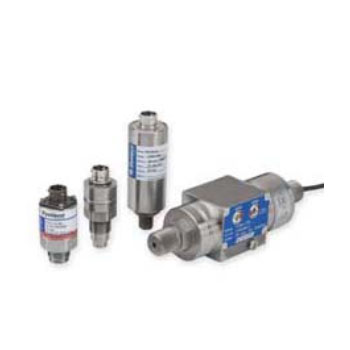
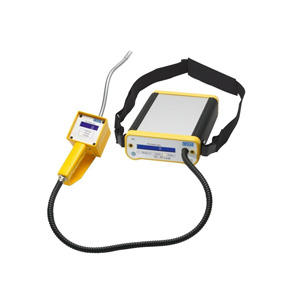
  • nominal pressure: 0 ... 400 mbar up to 0 ... 60 bar
  • accuracy: 0.5 % FSO
  • pressure port G 3/4" flush
Datasheet

No longer available.

  • Microwave level switch for media with more than 20% water content
  • Insensitive to foam and build-up
  • Hygienic installation according to EHEDG standards
  • All parts in contact with the product are FDA-compliant
  • Electronics fully encapsulated
  • Vibration-resistant
  • Compact design
  • LED status indicator
Datasheet

  • Microwave level switch for media with >20% water content
  • Not influenced by foam or adhesions
  • Hygienic installation in accordance with EHEDG
  • Wetted parts compatible with FDA requirements
  • Vibration resistant
  • LED indicator
Datasheet

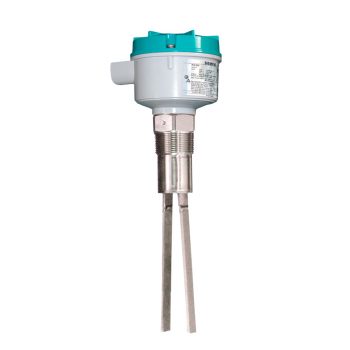
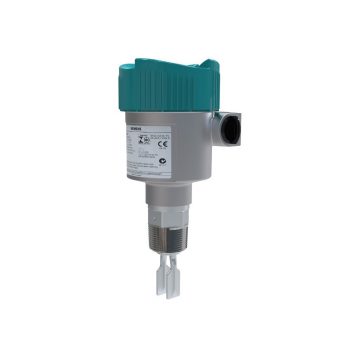
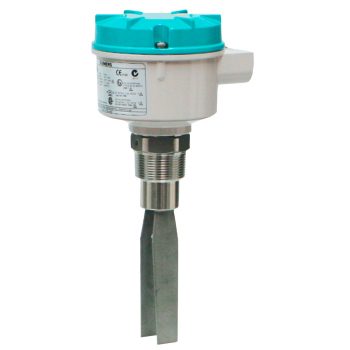
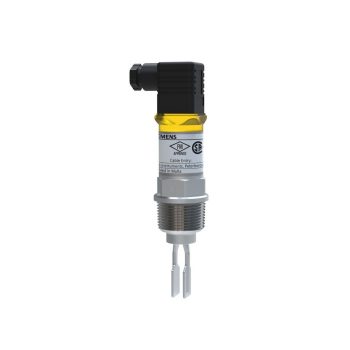
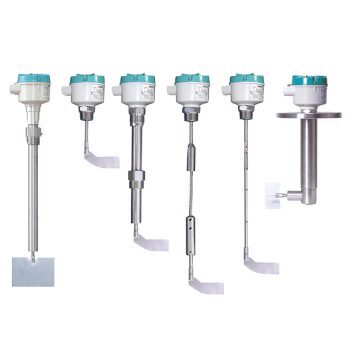
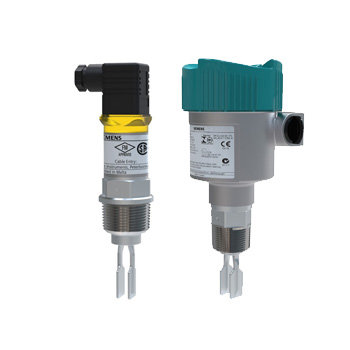
SITRANS LVL100 is a compact vibrating level switch for liquid and slurry applications such as overflow, high, and low level detection. Also ideal for pump protection, safety backup and confined spaces.

Datasheet
User Manual

  • Testfunktion einschließlich Remoteoptionen
  • Fehlerüberwachung auf Korrosion, Ausfall der Schwingung oder Leitungsbruch zum Piezoantrieb
  • Kompakte Bauweise
  • Geringe Eintauchtiefe ab 40 mm (1.57")
  • Optionen für extreme Drücke und Temperaturen


Datasheet

  • Ease of setup with no calibration and rotatable enclosure
  • Suitable for low bulk density materials starting at  30 g/l (1.9 lb/ft³)
  • Adjustable sensitivity for varied applications


Datasheet
User Manual

  • High resistance to mechanical forces
  • Strong vibration resistance to high bulk material loads
  • Rotatable enclosure
  • Suitable for low density material: standard version, 20 g/l (1.3 lb/ft³); liquid/solid interface version, 50 g/l (3 lb/ft³), and low density option min. 5 g/l (0.3 lb/ft³)
  • Customer desired extensions up to 20 000 mm (787”)
  • Optional detection of solids within liquid
  • Durable short fork option with 165 mm (6.5 inch) insertion length
Datasheet
User Manual

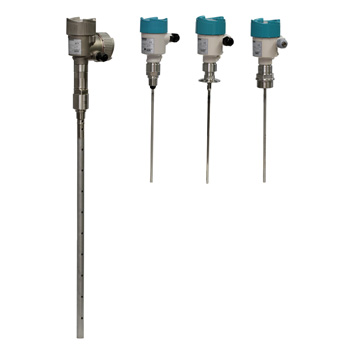
SITRANS LPS200 is a rotary paddle switch for point level detection in bulk solids. Ideal for point level or safety backup applications with SIL 2 and motor failsafe detection.


Datasheet
User Manual


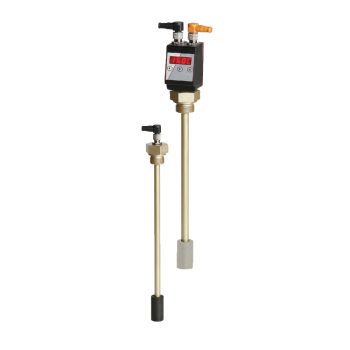
Screw-in Level Probes – Hydrostatic Level via Process Connection

Screw-in level probes measure level through the hydrostatic pressure at the vessel wall or at a stilling/standpipe, using standard process connections such as G ¼ / G ½, NPT, or hygienic fittings (Tri-Clamp/Varivent®). They are ideal for tanks, vessels and pipes where a fixed, sealed installation is preferred over submersible probes. Outputs include 4–20 mA, 0–10 V, and digital IO-Link, RS-485/Modbus RTU or HART; options: ATEX/IECEx, IP67/IP69K, hygienic design, high-temperature versions and corrosion-resistant wetted parts.

ICS Schneider Messtechnik supports selection & sizing (range/density), process connection & sealing, accessories (snubbers, siphons, diaphragm seals), calibration and IIoT integration into SCADA/cloud via edge gateways (MQTT/HTTPS).


FAQ on Screw-in Level Probes

Answers on installation, accuracy, materials, density/temperature compensation, hygienic/Ex options and digital connectivity.

How do screw-in level probes measure level?

They measure hydrostatic pressure at a defined tapping point (vessel wall, standpipe). Level is derived as h ≈ p / (ρ·g). For non-vented or closed tanks, combine with differential pressure or compensate headspace pressure.

When should I choose screw-in probes instead of submersible probes?

When a fixed, cleanable, sealed connection is required, when cable immersion is undesirable, or in hygienic and high-temperature applications with appropriate fittings and siphons/coolers.

Which outputs/interfaces are available?

InterfaceBenefitUse Case
4–20 mARobust, 2-wire, long runsProcess/retrofit
0–10 VHigh local resolutionShort wiring, panels
IO-LinkFast setup, diagnosticsMachinery/OEM
RS-485/ModbusMulti-drop, long cablesDistributed/IIoT
HARTAnalog + digital accessInstalled base

What process connections and seals are typical?

ConnectionStandardNotes
G ¼ / G ½ISO 228Industrial standard, use flat/gasket seals
¼" / ½" NPTASMETapered thread, use compatible sealant
Tri-Clamp / Varivent®HygienicWith diaphragm seal for food/pharma
FlangeEN/ASMEFor higher pressures/viscous media

Which wetted materials and membranes suit my medium?

Stainless steel 316L for water and many chemicals; Hastelloy®, Monel®, Tantalum for aggressive media; elastomers/seals per medium/temperature (FKM, EPDM, PTFE, FFKM). For sticky/hot media use flush diaphragm or diaphragm seals.

How do I handle density and temperature effects?

Store density as a parameter or measure it; convert p→h dynamically in the PLC/edge. Add a temperature input for better compensation where ρ(T) varies.

What mounting tips improve stability and accuracy?

  • Place tapping in a calm zone (use a stilling/standpipe if needed).
  • Use snubbers/dampers to protect against pulsation.
  • For steam/hot media: siphon/cooling element, mind orientation and fill.
  • Keep impulse path short and free of trapped gas/liquid depending on application.

Are hygienic or Ex versions available?

Yes—EHEDG/IP69K-capable hygienic versions and ATEX/IECEx for hazardous areas. Use approved process connections and seals.

How often should I sample/publish level values?

ApplicationIntervalHint
Storage tank (calm)10–60 sOn-change (Δ≥0.5%) reduces traffic
Process tank2–10 sUse hysteresis/filters
Overflow monitoring1–5 sFast alarms/events

Which IP ratings and temperatures are typical?

Commonly IP65–IP69K housings; medium temperature per data sheet. For high temperatures use siphons/coolers or remote diaphragm seals.

Can screw-in probes be integrated into IIoT?

Yes—via PLC or edge gateway (Analog/HART/Modbus/IO-Link → MQTT/HTTPS) for dashboards, alarms and historian. Secure with TLS/VPN, device certificates, roles/scopes and audit logs.

Common issues & remedies

  • Oscillation/noise: add snubber, increase filter time, use stilling tube.
  • Offset/drift: temperature or trapped gas → bleed/vent, verify compensation.
  • Clogging: use flush diaphragm or diaphragm seal; plan cleaning.
  • Overrange: choose larger span or add overpressure protection.

Do you provide selection and commissioning support?

Yes—media/material check, sizing, process connection selection, accessories, calibration and commissioning with documentation/test reports.

Diese Website benutzt Cookies. Wenn du die Website weiter nutzt, gehen wir von deinem Einverständnis aus.