


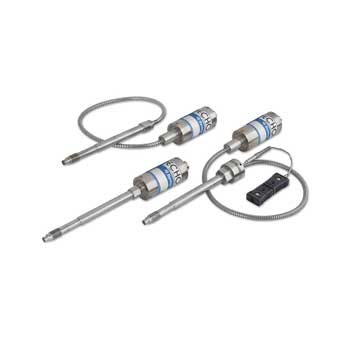
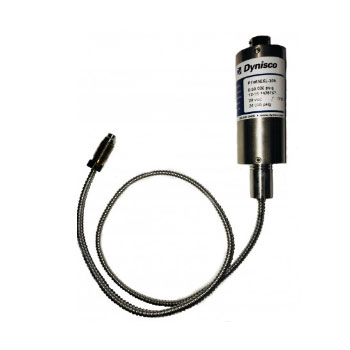
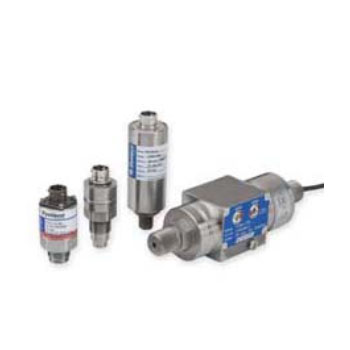
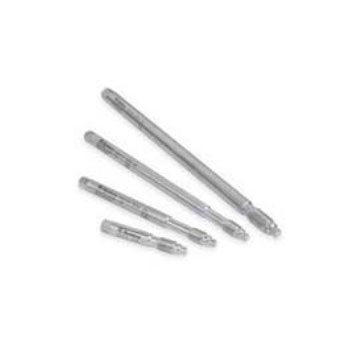
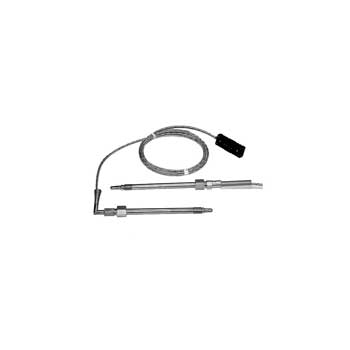
























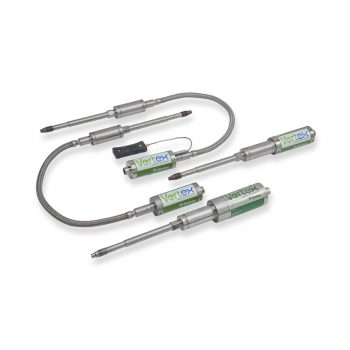
- No fill material
- RoHS compliant for sustainability programs
- Robust, thicker Inconel diaphragm is coated with DyMax®
- Optional Type J or K thermocouple is available to provide a melt temperature signal as well as a 4-20 mA temperature output
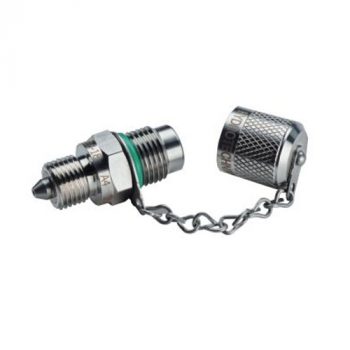
- Equipped with a 1/2-20 UNF for installation in standard transducer mounting holes
- Also available to install 1/2-20 UNF units into a Button Seal application
- Diaphragm composition of Inconel 718 coated with the abrasion resistant properties of DyMax®
- Sealed, welded shell and electrical connection available if washdown capability is needed for food or mechanical applications (not available if thermocouple option TCx is selected)
- Available with thermocouple temperature output
- 250-10,000 PSI pressure range capability
- HART digital communication available
- Direct measurement tip is a simple and elegant design with a more robust diaphragm
- Direct measurement of process reduces errors transferred by complicated internal support structures, transmission fill materials, or moving push rods
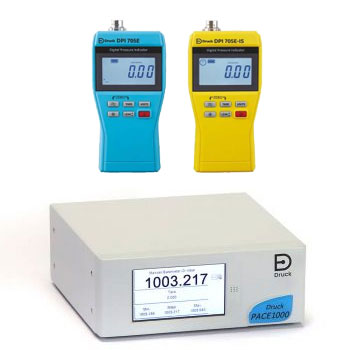
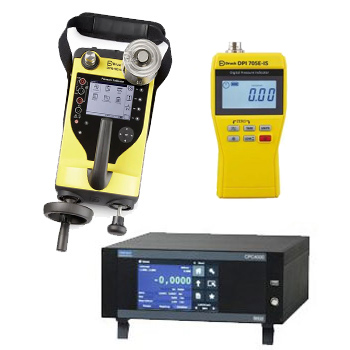
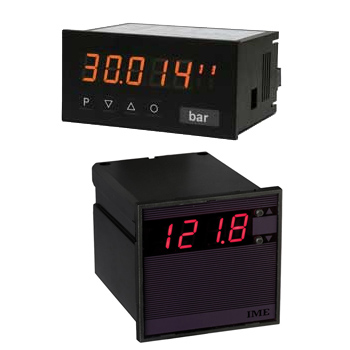
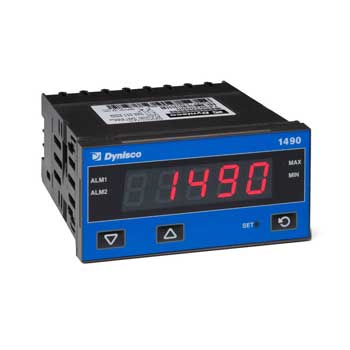
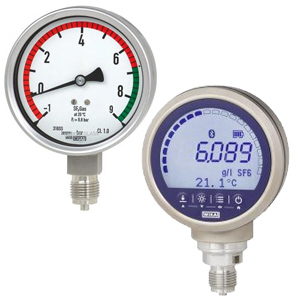
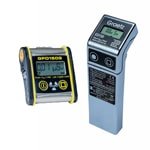
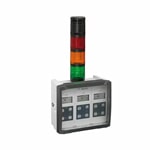
- Designed to work with universal pressure indicators
 Datasheet Datasheet
|
| User Manual |
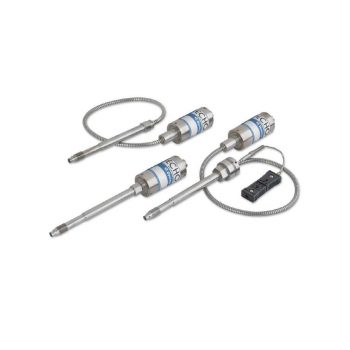
- Alternative fill model available
- Accuracy better than ±0.5%
- TiAlN diaphragm coating is standard
- mV/V, 0-10VDC, or mA outputs available
- Integral temperature sensor option
- Available in configurations that fit most extruder applications
- 1.5M, 3M, 5M, 7.5M & 10M psi pressure range capability
| Datasheet |
| User Manual |
- Better than ±0.5% accuracy
- Push - rod design
- Measures up to 750°F (400°C)
- All stainless steel, wetted parts
- Internal 80% shunt calibration
| Datasheet |
| User Manual |
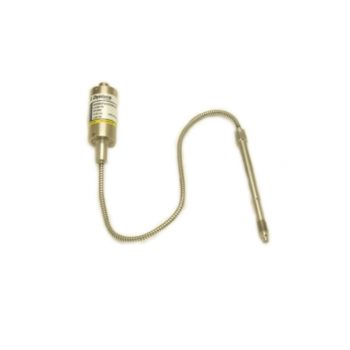
- Adjustable zero and span
- Push-rod technology, non-liquid filled system
- Accuracy better than +/- 0.5%
- DyMax® coated convoluted SST wetted parts
- 4 - 20 mA output
- Internal 80% shunt calibration
| User Manual |
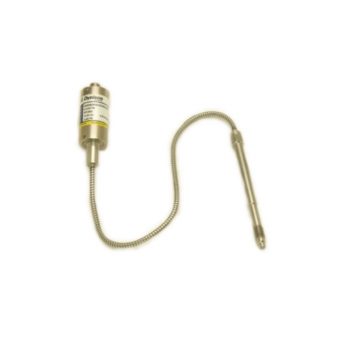
- 3.33 mV/V full scale output
- Accuracy of better than ±0.5%
- Pressure ranges from 0 - 35 BAR to 0 - 700 BAR
- Temperature up to 538°C
- All welded stainless steel with washdown capability
- Available with hermetic connector or conduit fitting
- Internal 80% shunt calibration
- CE approved
| Datasheet |
| User Manual |
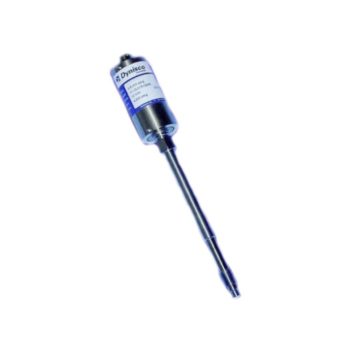
- 3.33 mV/V full scale output
- Accuracy of better than ±0.25%
- Pressure ranges from 0 - 35 BAR to 0 - 700 BAR
- Handles temperatures up to 1000°F
- Superior thermal compensation
- Inconel diaphragm
- Internal 80% shunt calibration
- CE Approved
| Datasheet |
| User Manual |
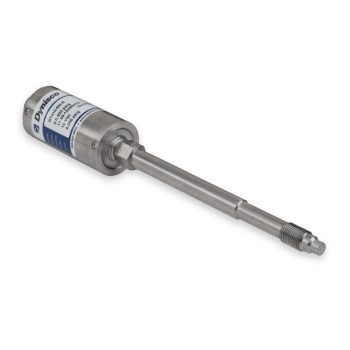
- Accuracy better than ±0.25%
- Measures up to 1000°F (538°C)
- NaK fill meets FDA and USDA requirements
- Inconel diaphragm
- 0 - 500 to 0 -10,000 psi
- 3.33 mV/V FSO
| Datasheet |
| User Manual |
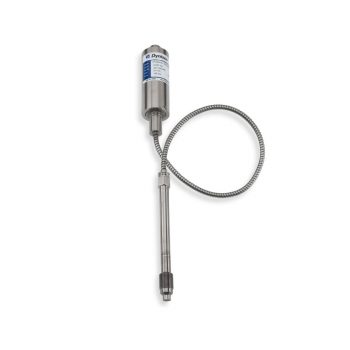
- Auto-Zero functionality
- Oil fill meets FDA requirements
- Accuracy better than ±0.5%
- DyMax® coated convoluted SST wetted parts
- 4 - 20 mA output
- No span or zero pots
| Datasheet |
- Adjustable zero and span
- Oil fill meets FDA requirements
- Accuracy better than +/- 0.5%
- DyMaxTM coated convoluted SST wetted parts
- 0 - 5 Vdc output
- Internal 80% shunt calibration
- Easily adapt transmitter to process conditions
- Ideal for medical and food extrusion
- Repeatable, reliable pressure measurements
- Superior abrasion resistance
- Direct input to supervisory control systems
- Easy to set up
| Datasheet |
- Adjustable zero and span
- Oil fill meets FDA dn USDA requirements
- Accuracy better than ±0.5%
- DyMax® coated convoluted SST wetted parts
- 0 - 10 Vdc output
- Internal 80% shunt calibration
| Datasheet |
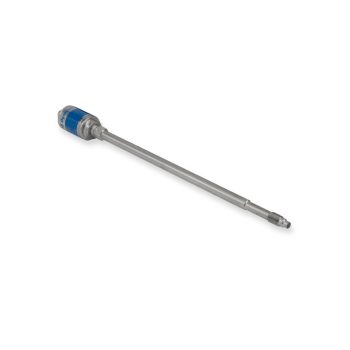
- 3.33 mV/V full scale output
- Accuracy of better than ±0.5%
- Pressure ranges from 0 - 500 psi to 0 - 10,000 psi
- All welded stainless steel with washdown capability
- FDA recognized safe (GRAS) for food and medical applications
- Available with hermetic connector or conduit fitting
- Internal 80% shunt calibration
- CE approved
| Datasheet |
| User Manual |
- Better than ±0.5% accuracy
- Special fill material
- 0 - 1000 to 0 - 10,000 psi
- 3.33 mV/V FSO
- Fill material meets FDA and USDA requirements
| Datasheet |
| User Manual |
