


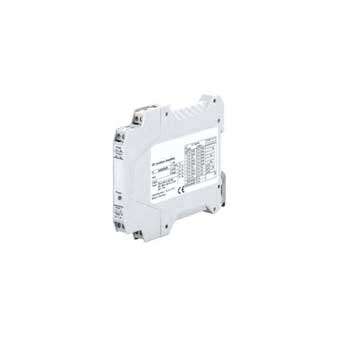





























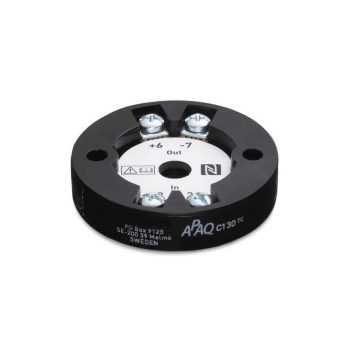
Digital 2-wire transmitter for thermocouple with wireless communication
- Type: Digital
- Input: TC
- Output: 4-20 mA
- Isolation: Unisolated
- Measuring channels: 1 channel
 Datasheet Datasheet |
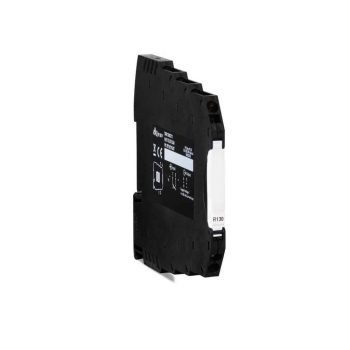
Digital 2-wire transmitter for thermocouple with wireless communication
- Type: Digital
- Input: TC
- Output: 4-20 mA
- Isolation: Unisolated
- Measuring channels: 1 channel
| Datasheet |
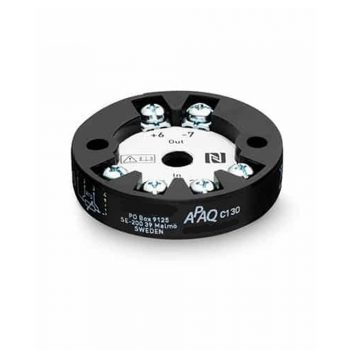
Digital 2-wire transmitter for Pt100 and Pt1000 with wireless communication
- Type: Digital
- Input: RTD
- Output: 4-20 mA
- Isolation: Unisolated
- Measuring channels: 1 channel
| Datasheet |
Digital 2-wire transmitter for Pt100 and Pt1000 with wireless communication
- Type: Digital
- Input: RTD
- Output: 4-20 mA
- Isolation: Unisolated
- Measuring channels: 1 channel
| Datasheet |
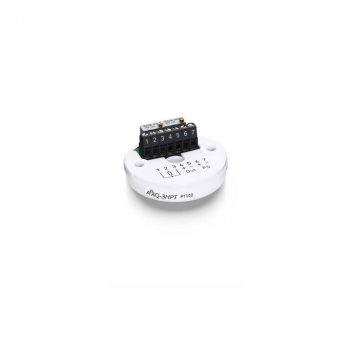
- Type: Analog
- Input: RTD
- Utgång: 0-10 V
- Isolation: Unisolated
- Measuring channels: 1 channel
|
Datasheet
|
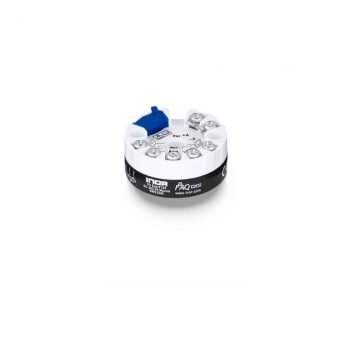
| Type | Head mounted |
| Input | RTD |
| Input RTD | Pt100 |
| Type of transmitter | Digital |
| Output | 4-20 mA |
| Isolation | Unisolated |
| Measuring channels | 1 channel |
| Sensor connection | 3-wire connection |
| Power Supply | Standard version: 6 to 32 VDC Ex version: 8 to 30 VDC |
| Typical accuracy | Max. ±0.1K or ±0,1 % of span |
| Approvals (IPAQ-C202X) | ATEX: II 1G Ex ia IIC T6…T4 Ga IECEx: Ex ia IIC T6…T4 Ga |

| Datasheet |
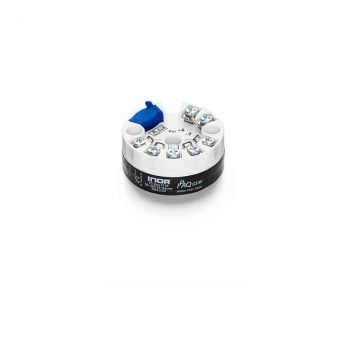
- Type: Digital
- Input: RTD, thermocouple, Universal
- Output: 4-20 mA
- Isolation: Isolated
- Measuring channels: 1 channel
| Datasheet |
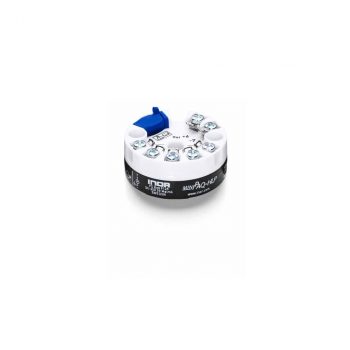
Basic Programmable 2-wire Transmitter
- Type: Digital
- Input: RTD thermocouple
- Output: 4-20 mA
- Isolation: Unisolated
- Measuring channels: 1 channel
|
Datasheet
|
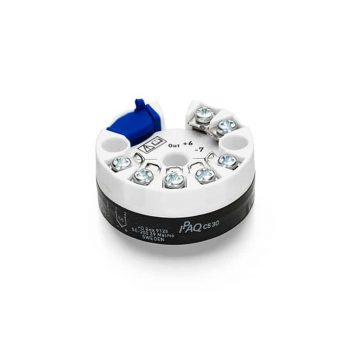
Universal HART-compatible 2-wire transmitter with NFC
- Type: Digital
- Input: RTD, thermocouple, Universal
- Output: 4-20 mA, HART-protocol
- Isolation: Isolated
- Measuring channels: 1 channel
| Datasheet |
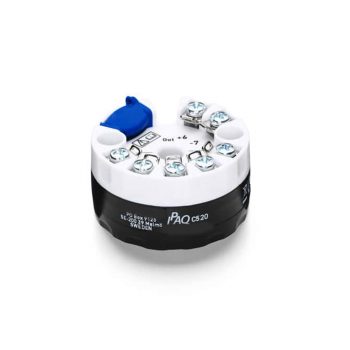
HART Compatible Universal Dual-input 2-wire Transmitters
- Type: Digital
- Input: RTD, thermocouple, Universal
- Output: 4-20 mA, HART®
- Isolation: Isolated
- Measuring channels: 2 channels


| Datasheet |
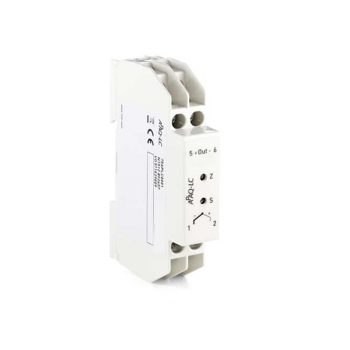
Analog Adjustable 2-wire Transmitters
- Type: Analog
- Input: RTD, thermocouple
- Output: 4-20 mA
- Isolation: Unisolated
- Measuring channels: 1 channel
|
Datasheet
|
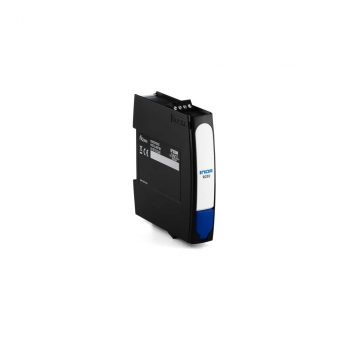
- Type: Digital
- Input: RTD
- Output: 4-20 mA
- Isolation: Unisolated
- Measuring channels: 1 channel
| Datasheet |
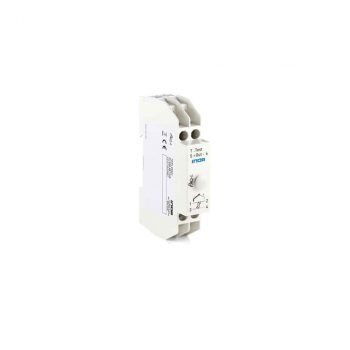
Basic Programmable 2-wire Transmitter
- Type: Digital
- Input: RTD, thermocouple
- Output: 4-20 mA
- Isolation: Unisolated
- Measuring channels: 1 channel
|
Datasheet
|
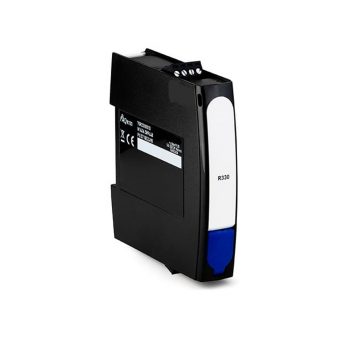
- Type: Digital
- Input: RTD, thermocouple, Universal
- Output: 4-20 mA
- Isolation: Isolated
- Measuring channels: 1 channel
| Datasheet |
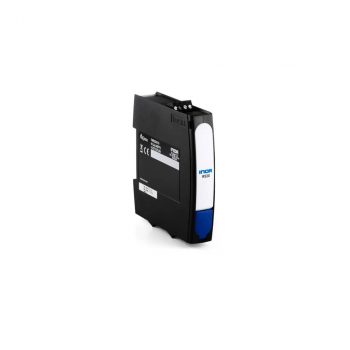
- Type: Digital
- Input: RTD, thermocouple, Universal
- Output: 4-20 mA, HART®
- Isolation: Isolated
- Measuring channels: 2 channels
| Datasheet |
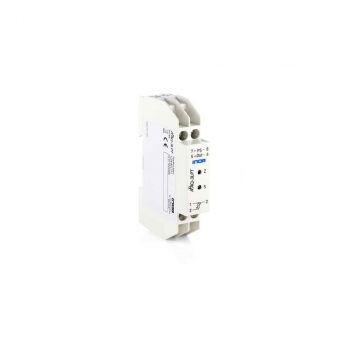
- Type: Analog
- Input: RTD
- Output: 0-10 V
- Isolation: Unisolated
- Measuring channels: 1 channel
|
Datasheet
|
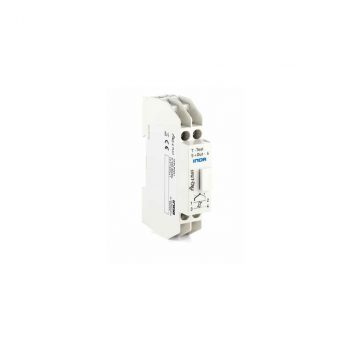
- Typ: Digital
- Eingang: RTD, Thermoelement, Universal
- Ausgang: 4-20 mA
- Galvanische Trennung: Ja
- Messkanäle: 1 Kanal
|
Datasheet
|
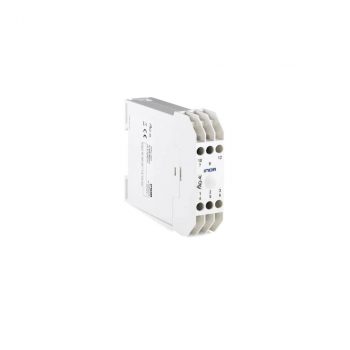
- Type: Digital
- Input: RTD, thermocouple, Universal
- Output: 4-20 mA, 0-10 V
- Isolation: Isolated
- Measuring channels: 1 channel
|
Datasheet
|
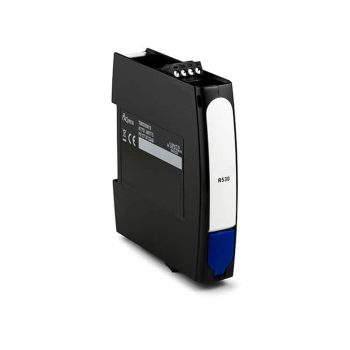
- Type: Digital
- Input: RTD, thermocouple, Universal
- Output: 4-20 mA, HART-protocol
- Isolation: Isolated
- Measuring channels: 1 channel
| Datasheet |
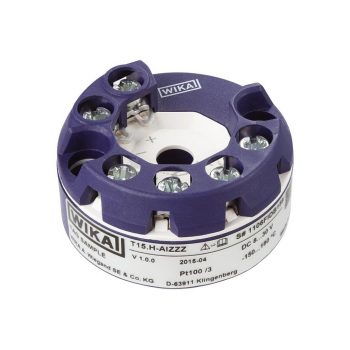
- For the connection of Pt100 and Pt1000 sensors in a 2-, 3- or 4-wire connection
- For the connection of reed chains in a potentiometer circuit
- Parameterisation with the WIKAsoft-TT configuration software and electrical connection via quick connector magWIK
- Connection terminals also accessible from the outside
- Accuracy < 0.2 K (< 0,36 °F) / 0.1 %
|
Datasheet
|
|
User Manual
|
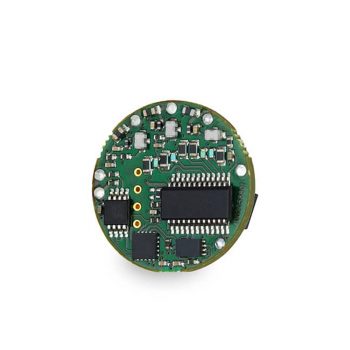
Digital transmitter to be built into own equipment
- Type: Digital
- Input: RTD
- Output: 4-20 mA
- Isolation: Unisolated
- Measuring channels: 1 channel
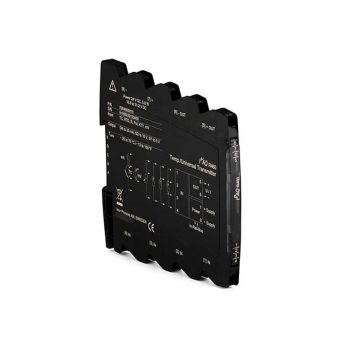
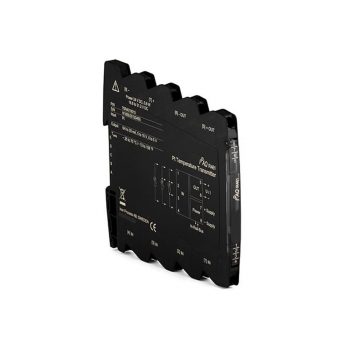
- Easy configuration via DIP switch or via INOR-Set
- Switchable service functions for easy commissioning
- 3-port isolation Protection against measurement errors due to earthing problems and interference voltage carry-over
- Extremely slim design 6.2 mm narrow bayed housing for simple and space-saving top-hat rail mounting
- Optional in-rail bus mounting rail connector allows fast and cost-effective installation
- Safe isolation according to EN 61140 Protection of maintenance personnel and downstream equipment from impermissibly high voltage
 Datasheet Datasheet |
| Flyer |
| User Manual |
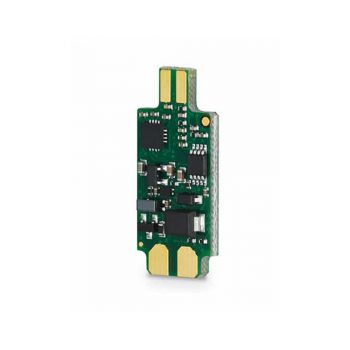
Digital transmitter to be built into own equipment
- Type: Digital
- Input: RTD
- Output: 4-20 mA
- Isolation: Unisolated
- Measuring channels: 1 channel
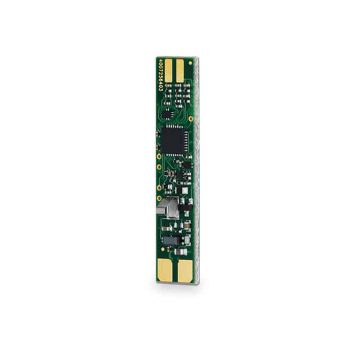
Digital transmitter to be built into own equipment
- Type: Digital
- Input: RTD
- Output: 4-20 mA
- Isolation: Unisolated
- Measuring channels: 1 channel
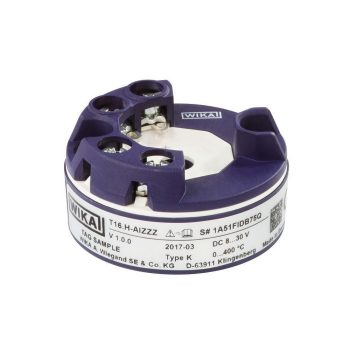
- For the connection of all standard thermocouples
- High accuracy
- Parameterisation with the WIKAsoft-TT configuration software and electrical connection via quick connector magWIK
- Connection terminals also accessible from the outside
- EMC stability in compliance with the latest standard (EN 61326-2-3:2013)
|
Datasheet
|
|
User Manual
|
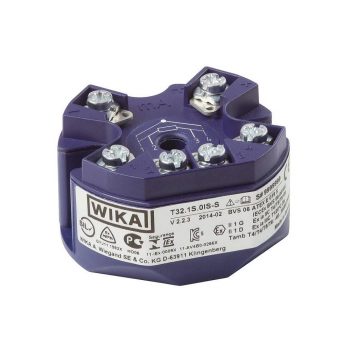
- TÜV certified SIL version for protection systems developed per IEC 61508 (option)
- Operation in safety applications to SIL 2 (single instrument) and SIL 3 (redundant configuration)
- Configurable with almost all soft- and hardware tools
- Universal for the connection of 1 or 2 sensors
- Resistance thermometer, resistance sensor
- Thermocouple, mV sensor
- Potentiometer - Signalling in accordance with NAMUR NE43, sensorbreak detection in accordance with NE89, EMC in accordance with NE21
|
Datasheet
|
|
User Manual
|
|
User Manual
|
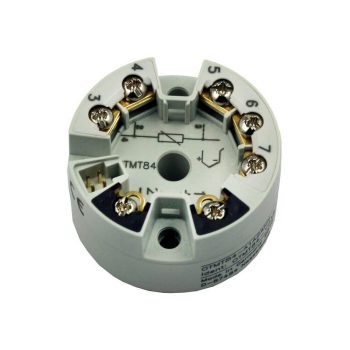
- Model OTMT84: PROFIBUS® PA profile 3.02
- Model OTMT85: FOUNDATION™ Fieldbus H1
- Explosion-protected version Ex ia (intrinsically safe/FISCO) and Ex ec available
|
Datasheet
|
|
User Manual
|
|
User Manual
|
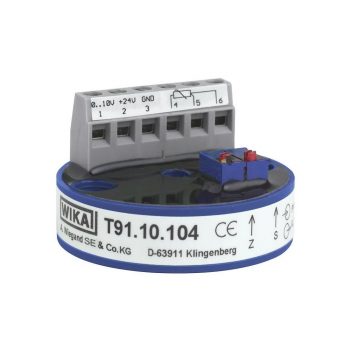
- Versions for Pt100 / Pt1000 or thermocouples
- Output 0 ... 10 V, 3-wire (T91.10) or 4 ... 20 mA, 2-wire (T91.20)
- Error signalling in the event of sensor break
- High accuracy
- Compact and value for money
|
Datasheet
|
|
User Manual
|
|
Datasheet
|
|
User Manual
|
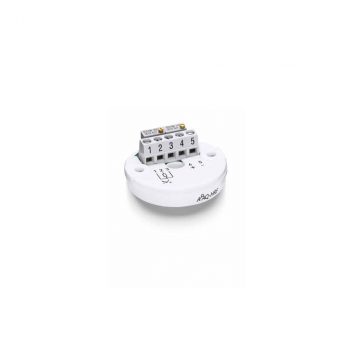
- Type: Analog
- Input: RTD, thermocouple
- Output: 4-20 mA
- Isolation: Unisolated
- Measuring channels: 1 channel
| Datasheet |
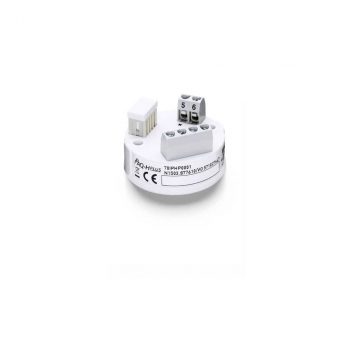
- Type: Digital
- Input: RTD, thermocouple, Universal
- Output: 4-20 mA
- Isolation: Isolated
- Measuring channels: 1 channel
|
Datasheet
|
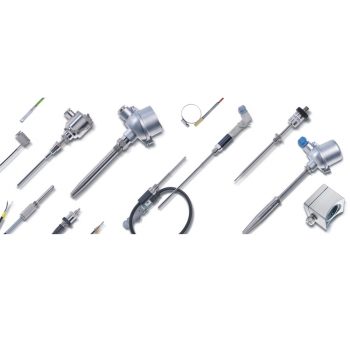
- Connection heads
- Thermo junction
- Connector
- Fixing materials
- Extension protecting tubes
- Calibration block
- Miniature fixed-point cell
- Reference junction
- Transmitter
- Digital thermometer
|
Product catalog
|
