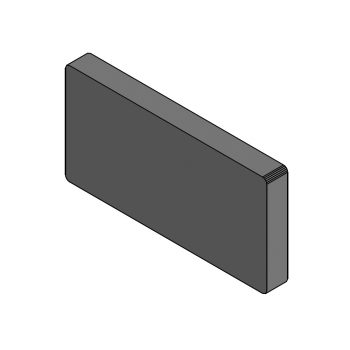
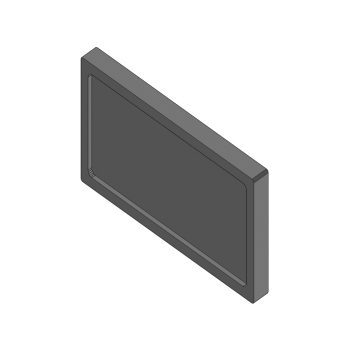
• blind covers, incl. fixing
  • for panel cut-outs in 48×24 mm (BxH)
Datasheet

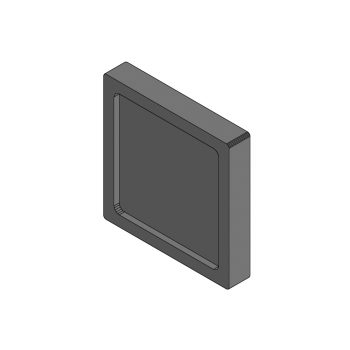
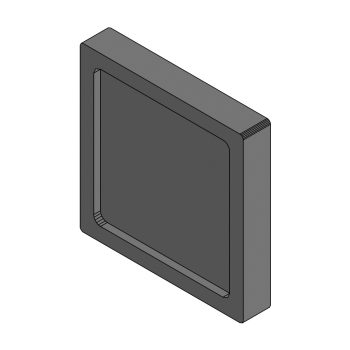
  • blind covers, incl. fixing
  • for panel cut-outs in 48×48 mm (HxB)
Datasheet

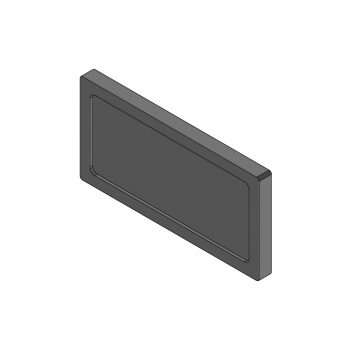
  • blind covers, incl. fixing
  • for panel cut-outs in 72×36 mm (BxH)
Datasheet

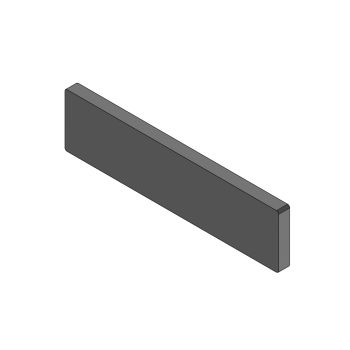
  • blind covers, incl. fixing
  • for panel cut-outs in 96×24 mm (BxH)
Datasheet

  • blind covers, incl. fixing
  • for panel cut-outs in 96×48 mm (BxH)
Datasheet

  • blind covers, incl. fixing
  • for panel cut-outs in 96×96 mm (HxB)
Datasheet


Blanking Plates for Digital Panel Meters

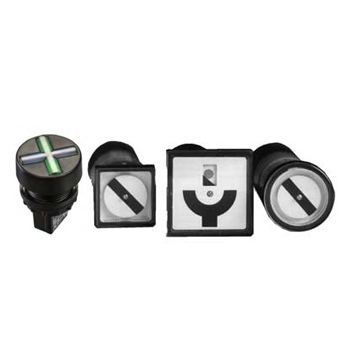
Blanking plates are covers used to close unused panel or control-cabinet cutouts. They maintain the enclosure's protection rating and prevent dust, dirt or moisture ingress. Blanking plates help maintain safety and tidiness in panels that have been partially populated or reconfigured.

Questions & Answers

What is the purpose of a blanking plate?

A blanking plate seals unused cutouts in cabinets or panels to prevent dust, moisture or foreign objects from entering — thereby preserving the enclosure’s protection rating.

When is it advisable to use a blanking plate?

Whenever parts of a panel are unpopulated — for example after removing a meter, during expansions or modifications, or when preparing an enclosure for future equipment — using a blanking plate is recommended.

What kind of protection does a blanking plate provide?

Blanking plates are designed to protect against dust and splashing water — often using rubber seals or tight-fitting closures. This ensures the internal cabinet remains sealed and protected.

How is a blanking plate mounted?
The plate is inserted into the empty cutout and typically snapped or screwed into place, depending on its design. Installation is usually simple and requires no special tools.

Are different sizes and shapes available?
Yes — blanking plates come in various sizes matching standard cutout dimensions (e.g. 48×24 mm, 72×36 mm, 96×48 mm or custom panel sizes). The correct size must correspond to the existing cutout.

Does using a blanking plate affect ventilation or maintenance?

No — ventilation through other openings remains unaffected. The plate can be removed if future retrofitting or maintenance is needed.

Can a blanking plate be reused?
Yes — blanking plates can be removed and reinstalled later, making them suitable for retrofit or modular panel designs.

Is it necessary to use a blanking plate to ensure safety and enclosure integrity?
Yes — unfilled cutouts can compromise the enclosure’s protection and safety. A blanking plate restores proper sealing and prevents unintended access or ingress of dust or moisture.

Diese Website benutzt Cookies. Wenn du die Website weiter nutzt, gehen wir von deinem Einverständnis aus.