



























- Total measurement uncertainty starting from 0.015 ... 0.006 % of reading
- Four different piston-cylinder systems available for ranges ±1 bar, 0.1 ... 7 bar, 0.2 ... 25 bar, 1 ... 70 bar and 1 ... 120 bar, or also for ranges in lb/in² and kPa
- Stable aluminium base with a strong impact-resistant ABS cover for heavy industrial use combined with compact dimensions and light weight
- Interchangeable pistons and mass sets for each model, mass sets manufactured from stainless steel
- Factory calibration includes traceability to national standards, as standard; with UKAS calibration possible as an option
 Datasheet Datasheet
|
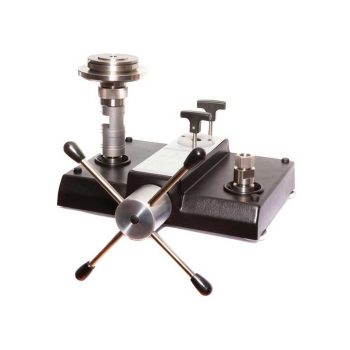
- Total measurement uncertainty up to 0.025 % of reading
- Upgradeable using CPS5800/CPM5800 to provide increased accuracy to 0.006 %
- Direct replacement of original DH-Budenberg 580 series
- Factory calibration included as standard, traceable to national standards, with UKAS calibration possible as an option
- Masses manufactured from stainless steel, can be adjusted to local gravity
|
Datasheet
|
|
User Manual
|
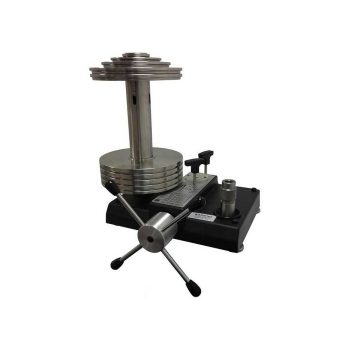
- Total measurement uncertainty up to 0.01 % of reading
- Dual-range piston-cylinder system 2,600 bar (40,000 lb/in²) with fully automated changing between ranges
- Factory calibration includes traceability to national standards, as standard, with UKAS calibration possible as an option
- Masses manufactured from stainless steel, can be adjusted to local gravity
|
Datasheet
|
|
User Manual
|
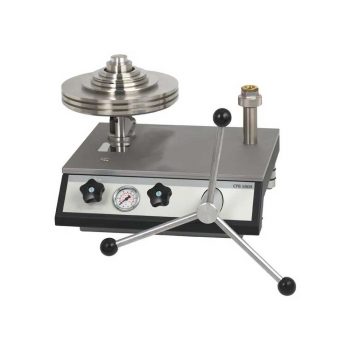
- Total measurement uncertainty to 0.008 % of reading
- Factory calibration included as standard, traceable to national standards; with DKD/DAkkS calibration possible as an option
- High long-term stability with recommended recalibration interval every five years
- Masses manufactured from stainless steel and aluminium, can be adjusted to local gravity
- Quick and safe replacement of the piston-cylinder system for measuring range changes via patented ConTect quickrelease system as an option
|
Datasheet
|
|
Bedienungsanleitung
|
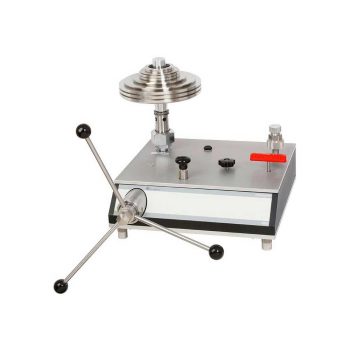
- Total measurement uncertainty to 0.02 % of reading
- Factory calibration includes traceability to national standards, as standard; with DKD/DAkkS calibration possible as an option
- High long-term stability with recommended recalibration cycle every five years
- Masses manufactured from stainless steel and aluminium, can be adjusted to local gravity
|
Datasheet
|
|
User Manual
|
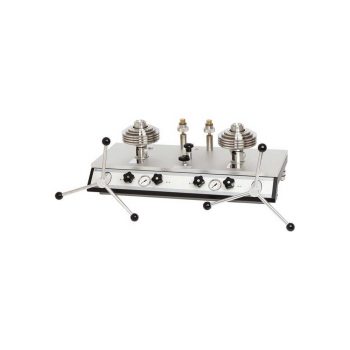
- Measuring ranges (= static pressure + differential pressure) up to 400 bar (5,000 psi) pneumatic, up to 1,600 bar (23,200 psi) hydraulic
- Total measurement uncertainty to 0.008 % of differential pressure plus 0.0001 % (1 ppm) of static pressure
- Factory calibration included as standard, traceable to national standards; with DKD/DAkkS calibration possible as an option
- High long-term stability with recommended recalibration interval every five years
- Masses manufactured from stainless steel and aluminium, can be adjusted to local gravity
|
Datasheet
|
Special Features
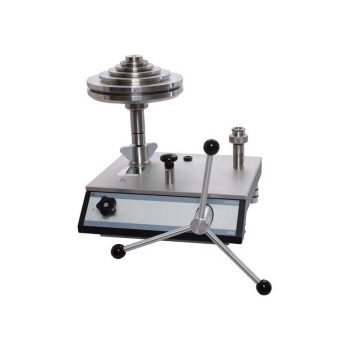
- Total measurement uncertainty to 0.006 % of reading
- Extremely flexible instrument with a wide range of single and dual-range piston-cylinder systems
- Dual-range piston-cylinder systems with fully automated changing between ranges
- Factory calibration includes traceability to national standards, as standard, with UKAS calibration possible as an option
- Fast and safe replacement of the piston-cylinder system via patented ConTect quick-release system as an option
|
Datasheet
|
|
User Manual
|
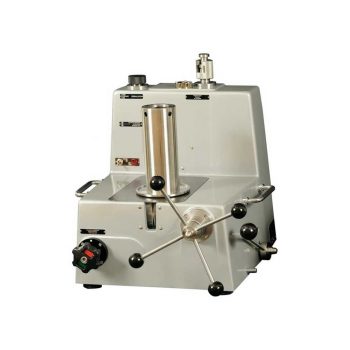
- Total measurement uncertainty to 0.002 % of reading, depending on model
- COFRAC calibration certificate included as standard
- Available up to 1,000 bar (14,500 psi) pneumatic and 5,000 bar (72,500 psi) hydraulic
- 15 different piston-cylinder sizes available
|
Datasheet
|
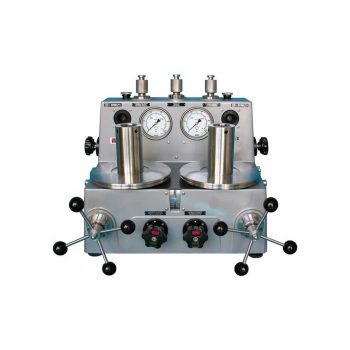
- Measuring range (= static pressure + differential pressure) up to 800 bar / 11,600 psi pneumatic
- Total measurement uncertainty to 0.008 % of differential pressure plus 0.0001 % (1 ppm) of static pressure
- COFRAC calibration certificate included as standard
- High long-term stability with recommended recalibration cycle every five years
- DP from 10 Pa up to 800 bar / 0.04 inH2O up to 11,600 psi with static pressure effects down to 1 ppm
| Datasheet |
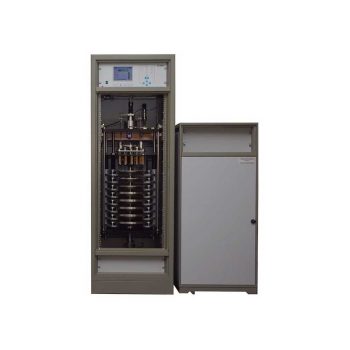
- Total measurement uncertainty down to 20 ppm of reading
- Available up to 1,000 bar / 14,500 psi pneumatic and 5,000 bar / 72,500 psi hydraulic
- Automatic mass loading system with a resolution down to 0.1 g
- Automatic pressure generation
|
Datasheet
|
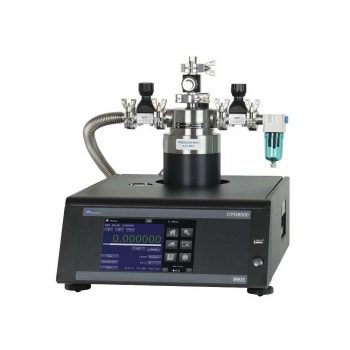
- Measuring range up to 500 bar (7,250 psi)
- Accuracy to 35 ppm of reading
- Absolute and gauge pressure measurement
- No loading of masses required
- Intuitive touchscreen based user interface
- Two year warranty
|
Datasheet
|
 User Manual User Manual
|
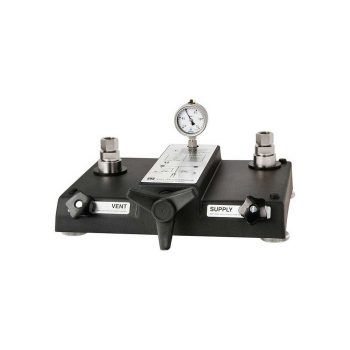
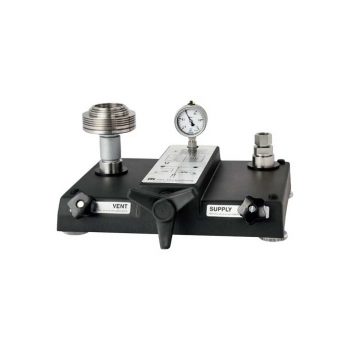
- Two fine metering valves for pressure inlet and pressure outlet or vacuum
- Precisely adjustable volume adjuster for fine adjustment of pressure
- Proven technology of the dead-weight tester CPB3500
- Connection for external pressure or vacuum source
- Pressure gauge for indicating the approximate pressure
|
Datasheet
|
|
User Manual
|
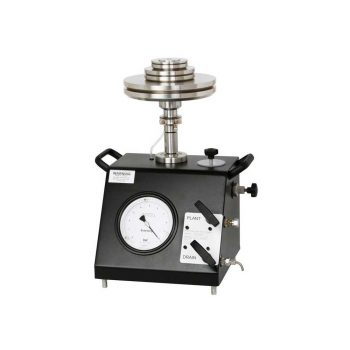
- Ranges: from 30 ... 600 bar / 500 ... 8,000 psi (model 80) and from 7 ... 120 bar / 100 ... 1,600 psi (model 80L)
- Accuracy: 0.03 % + 0.05 bar (model 80) and 0.04 % + 0.015 bar (model 80L)
- Ergonomic layout ideal for field use
- All instruments supplied with certification traceable to national standards
- UKAS certificate is available through our pressure standards laboratory as an optional extra
|
Datasheet
|
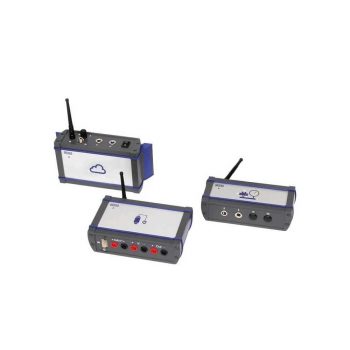
- Patent applied for, among others DE Patent No. 102013215351
- New calibration concept simplifies certificate generation
- Easy operation and set up
- Acquisition and automatic correction of all critical influencing factors, to increase the accuracy of the measurement
- Can also be used with other calibration instruments and WIKA-Cal software
|
Datasheet
|
|
User Manual
|
