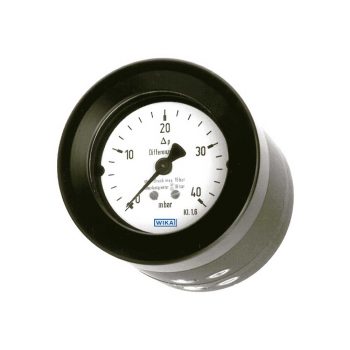


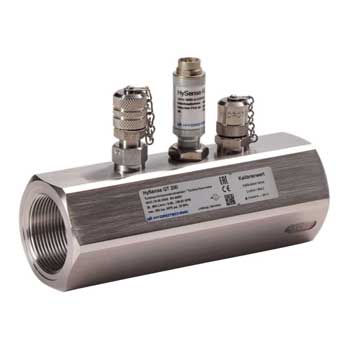
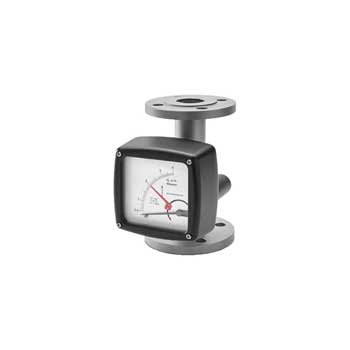
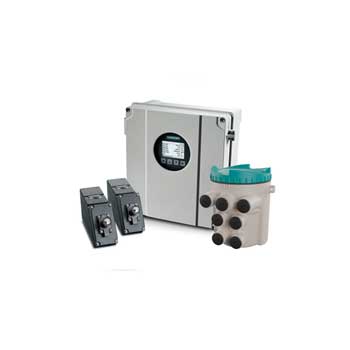
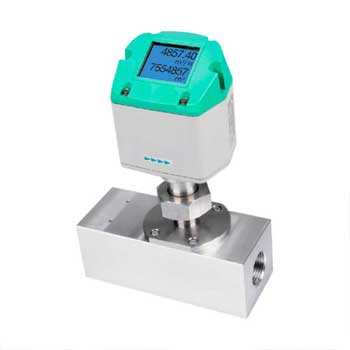
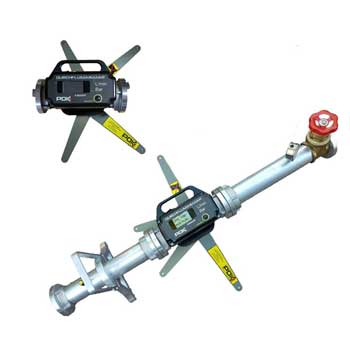
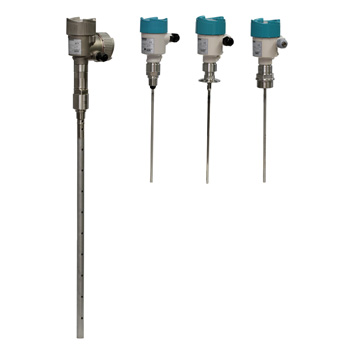
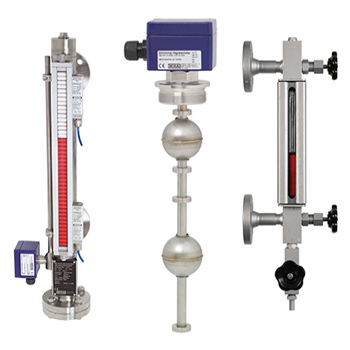
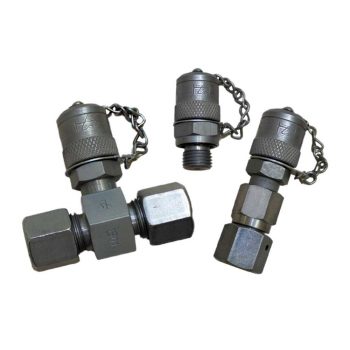
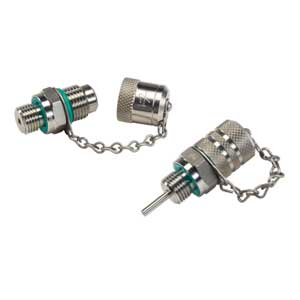
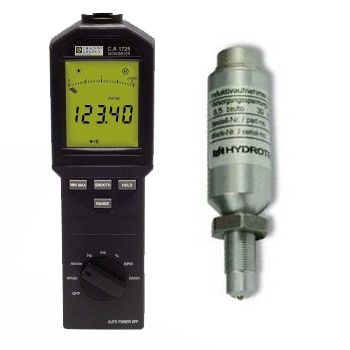
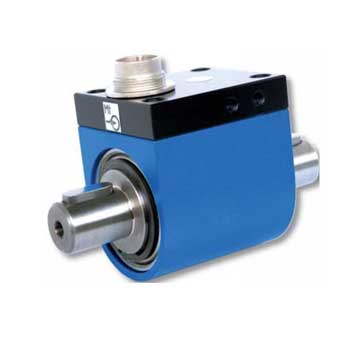
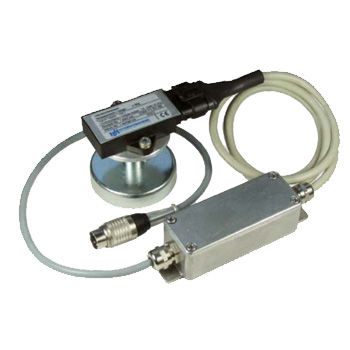
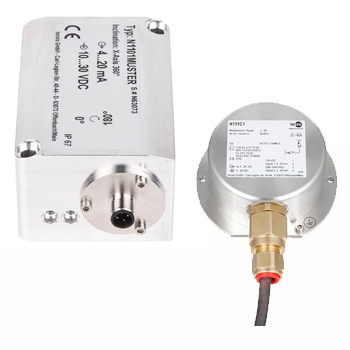
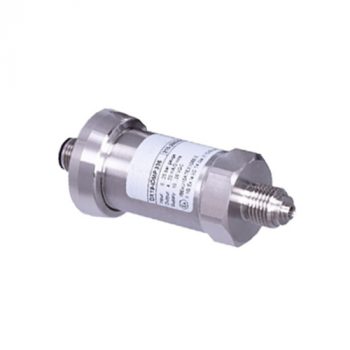
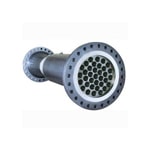
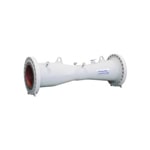
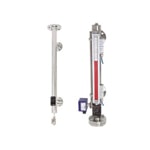
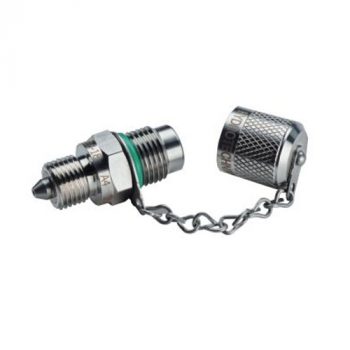
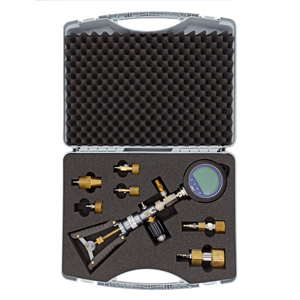
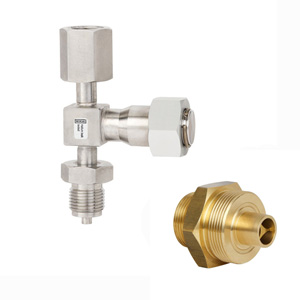
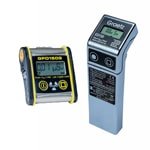




















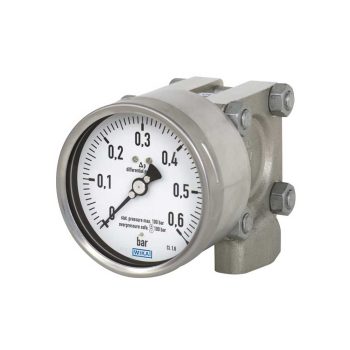
- Differential pressure measuring ranges from -1 … +30 bar [-14.5 ... 435 psi] to 0 ... 40 bar [0 ... 580 psi]
- High working pressure (static pressure) and high overload safety, selectable 40 bar [580 psi], 100 bar [1,450 psi], 250 bar [3,625 psi], 400 bar [5,800 psi] and 650 bar [9,425 psi]
- The transmission fluid in the measuring chamber dampens the indicator in case of high changes of the rate of pressure
- Model 73x.14: Stainless steel version
- Model 76x.14: Version with special materials

 Datasheet Datasheet |
| User Manual |
| User Manual |
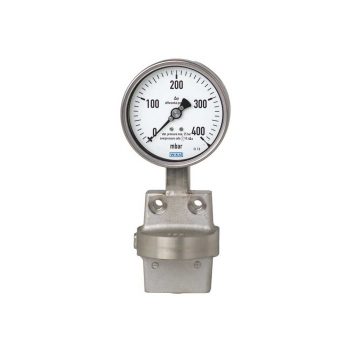
- Differential pressure measuring ranges from 0 ... 16 mbar to 0 ... 40 bar or 0 ...10 inH2O to 0 ... 600 psi
- High operating pressure (static pressure) up to 40 bar [600 psi]
- High overload safety up to 40 bar [600 psi]
- Models 732.31 and 733.31: Case with safety level “S3” per EN 837
- All-welded media chamber
| Datasheet |
| User Manual |
| User Manual |
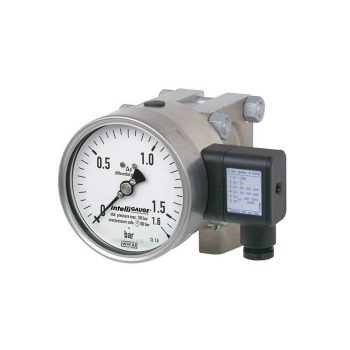
- High working pressure (static pressure) and high overload safety, selectable up to 40, 100, 250 or 400 bar
- Measuring cell liquid dampening against rapid pressure changes
- No configuration necessary due to "plug-and-play"
- Differential pressure measuring ranges from 0 … 60 mbar
- Individual, non-linear characteristic curves (e.g. x2 or √x for flow measurement)
| Datasheet |
| User Manual |
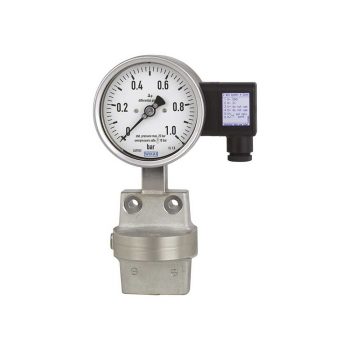
- No configuration necessary due to “plug-and-play”
- Signal transmission per NAMUR
- Differential pressure measuring ranges from 0 … 16 mbar
- Easy-to-read analogue display with nominal sizes 100 and 160
- Individual, non-linear characteristic curves (e. g. x2 or √x for flow measurement)
| Datasheet |
| User Manual |
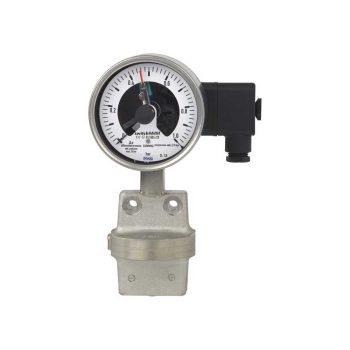
- Differential pressure measuring ranges from 0 … 16 mbar
- High working pressure (static pressure) and high overload safety up to 40 bar
- Also available with liquid-filled case for high dynamic pressure loads or vibrations
- Instruments with inductive contacts for use in hazardous areas
- Instruments with switch contact for PLC applications
|
Datasheet |
| User Manual |
| User Manual |
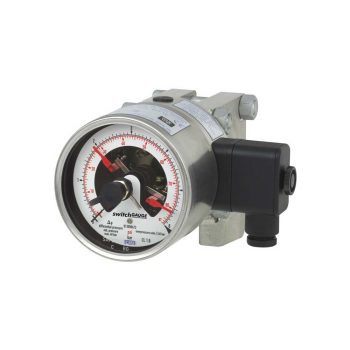
- Differential pressure measuring ranges from 0 … 60 mbar
- High working pressure (static pressure) and high overload safety, selectable up to 40, 100, 250 or 400 bar
- Measuring cell liquid dampening against rapid pressure changes
- Instruments with inductive contacts for use in hazardous areas
- Instruments with switch contact for PLC applications
|
Datasheet |
| User Manual |
| User Manual |
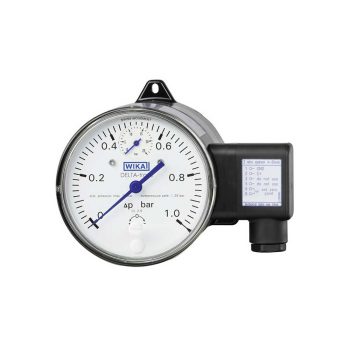
- Transmission of process values to the control room (e.g. 4 ... 20 mA)
- Shatterproof window and robust aluminium or stainless steel measuring chamber for increased requirements
- Optionally with approvals for hazardous areas
- High ingress protection, IP65, for outdoor use and processes with high condensation
- Low measuring range from 0 ... 160 mbar
| Datasheet |
| User Manual |
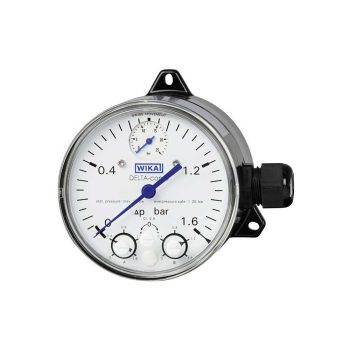
- With one or two adjustable microswitches
- Shatterproof window and robust aluminium or stainless steel measuring chamber for increased requirements
- Optionally with approvals for hazardous areas
- High ingress protection, IP65, for outdoor use and processes with high condensation
- Low measuring range from 0 ... 250 mbar
| Datasheet |
| User Manual |
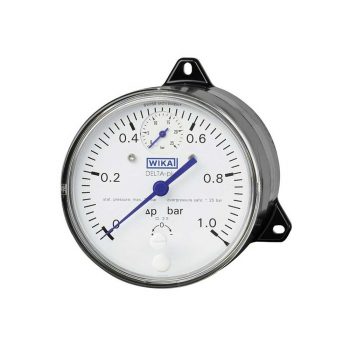
- Shatterproof window and robust aluminium or stainless steel measuring chamber for increased requirements
- Low scale ranges from 0 ... 160 mbar
- High accuracy down to 1.6 %
- Optionally with approvals for hazardous areas
- Helium leak tested
| Datasheet |
| User Manual |
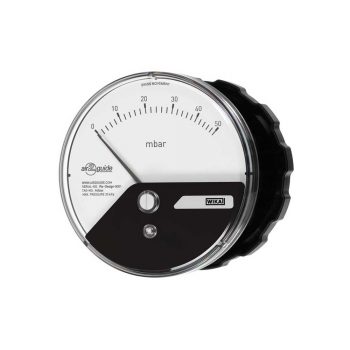
- Fast, tool-free mounting via threaded bezel
- Separated construction of pressure measurement chamber and display area
- Integrated sealing element for direct installation in a ventilation duct or instrument panel
- Available as a built-in or add-on version
- Individual design of dial and scale possible
| Datasheet |
| User Manual |
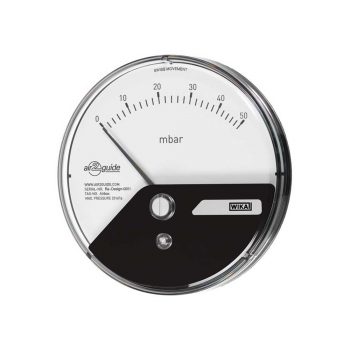
- Very small insertion depth
- Simple and fast mounting via threaded bezel
- Separated construction of measuring chamber and display area
- Integrated sealing element for direct mounting in a ventilation duct
- Individual design of dial and scale possible
| Datasheet |
| User Manual |
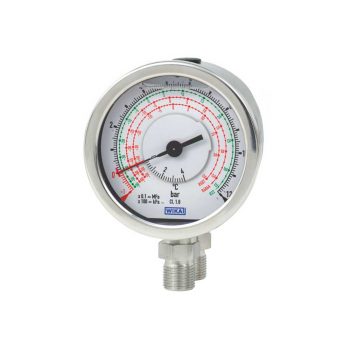
- Differetial pressure with moving dial
- Design optionally with duplex scale
- With liquid-filled case for damping in applications with high dynamic pressure pulsations or vibrations and for avoiding condensation water Model 733.18
- Combined pressure and temperature scales as duplex, triples or quadruplex scales for all common refrigerants
|
Datasheet |
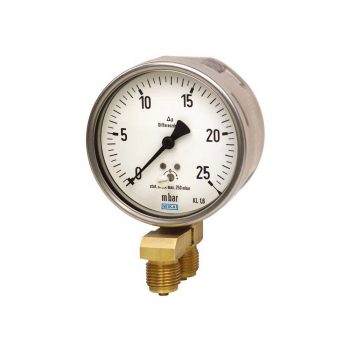
- Differential pressure measuring ranges from 0 … 2.5 mbar
- As a standard zero adjustment in front
- Ingress protection IP66
- Case from stainless steel
| Datasheet |
| User Manual |
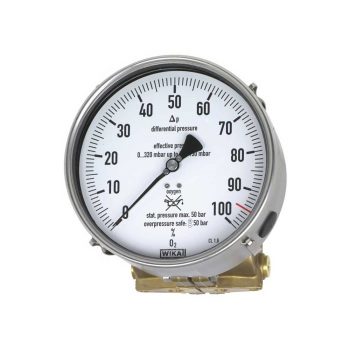
- Differential pressure measuring ranges from 0 … 40 mbar to 0 ... 4,000 mbar
- High working pressure (static pressure) of 50 bar
- Overpressure safety either side up to 50 bar
- Scalable measuring ranges (maximum turndown of 1 : 3.5)
- Compact valve manifold with working pressure indication (optional)
| Datasheet |
| User Manual |
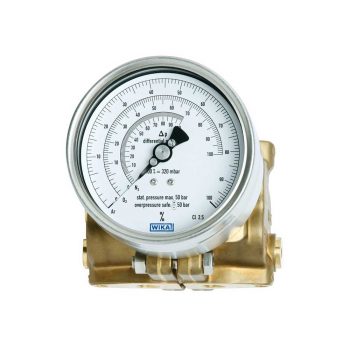
- Differential pressure measuring ranges from 0 … 40 mbar to 0 ... 4,000 mbar
- High working pressure (static pressure) of 50 bar
- Overpressure safety either side up to 50 bar
- Scalable measuring ranges (maximum turndown of 1 : 3.5)
- Compact valve manifold with working pressure indication (optional)
| Datasheet |
| User Manual |
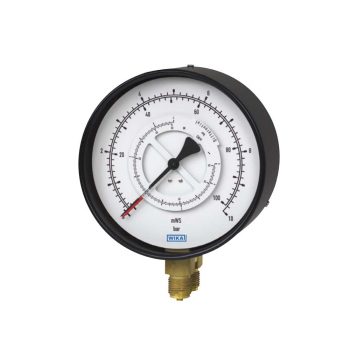
- Scale ranges from 0 ... 0.6 bar to 0 … 1,000 bar
- Two process connections and two independent pointers
- Differential pressure display with moving dial
- Cost-effective and reliable
| Datasheet |
| User Manual |
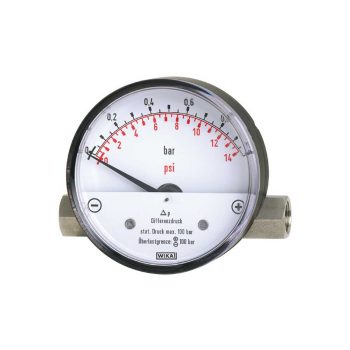
- Differential pressure measuring ranges Model 700.01: from 0 ... 400 mbar to 0 ... 10 bar Model 700.02: from 0 ... 160 mbar to 0 ... 2.5 bar
- Compact system case from stainless steel, suitable for high working pressures (static pressures) selectable, 100, 250 or 400 bar (model 700.02 up to a max. 100 bar)
- Overpressure safe either side to maximum working pressure
- System and/or case of indication may be changed locally
- Up to 2 reed contacts may also be adjusted and retrofitted locally
| Datasheet |
| User Manual |