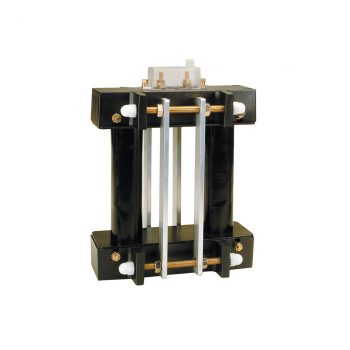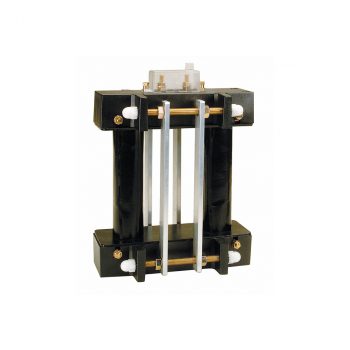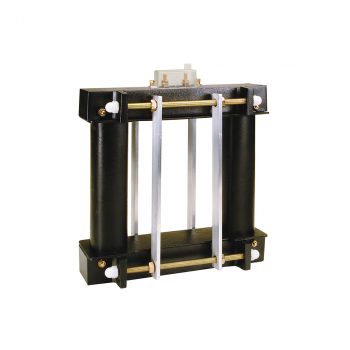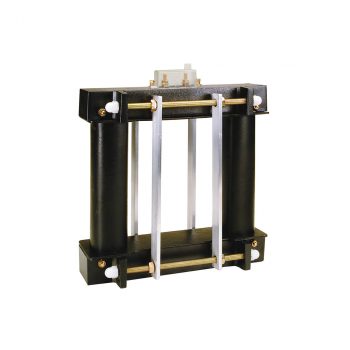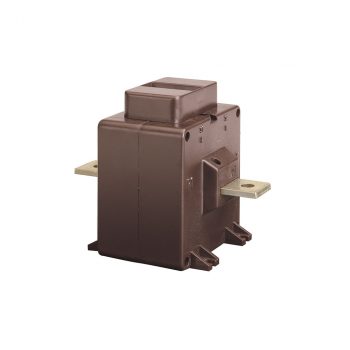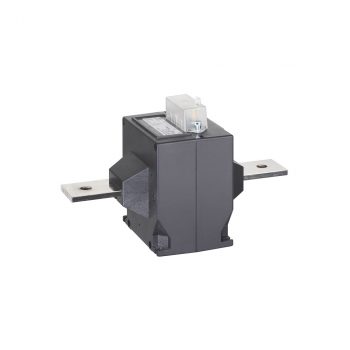





























| CABLE/PASSING BUS BAR |
64×19 mm – 51×20 mm |
| TYPE |
Single-phase current transformer - protection |
| RATIO |
750/5 A |
| PERFORMANCE |
7/2 VA |
Product is in quote request list
| CABLE/PASSING BUS BAR |
82×32 mm |
| TYPE |
Single-phase current transformer - measurement |
| RATIO |
1500/1 A |
| PERFORMANCE |
40/80/25/5 VA |
Product is in quote request list
| CABLE/PASSING BUS BAR |
82×32 mm |
| TYPE |
Single-phase current transformer - protection |
| RATIO |
750/5 A |
| PERFORMANCE |
20/9/5/3 VA |
Product is in quote request list
TAS102BP
Single-phase current transformer - protection
Product is in quote request list
Single-phase current transformer - measurement
| CABLE/PASSING BUS BAR |
127×54 mm |
| TYPE |
Single-phase current transformer - measurement |
| RATIO |
1250/1 A |
| PERFORMANCE |
25/50/20/5 VA |
Product is in quote request list
Single-phase current transformer - protection
| CABLE/PASSING BUS BAR |
127×54 mm |
| TYPE |
Single-phase current transformer - protection |
| RATIO |
1200/5 A |
| PERFORMANCE |
35/15/8/6 VA |
Product is in quote request list
Single-phase current transformer - protection
| CABLE/PASSING BUS BAR |
55×125 mm |
| TYPE |
Single-phase current transformer - protection |
| RATIO |
2500/1 A |
| PERFORMANCE |
80/25/10/1,5 VA |
Product is in quote request list
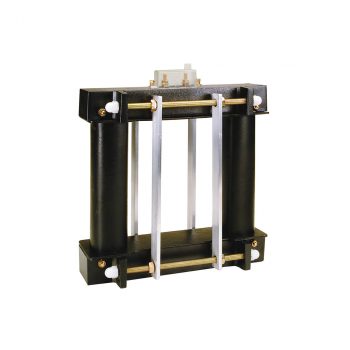
Single-phase current transformer - protection
| CABLE/PASSING BUS BAR |
55×165 mm |
| TYPE |
Single-phase current transformer - protection |
| RATIO |
2500/1 A |
| PERFORMANCE |
80/25/10/3 VA |
Datasheet
Product is in quote request list
Single-phase current transformer - protection
| CABLE/PASSING BUS BAR |
120×125 mm |
| TYPE |
Single-phase current transformer - protection |
| RATIO |
1500/5 A |
| PERFORMANCE |
50/15/6/1,5 VA |
Product is in quote request list
Single-phase current transformer - protection
| CABLE/PASSING BUS BAR |
120×165 mm |
| TYPE |
Single-phase current transformer - protection |
| RATIO |
2500/1 A |
| PERFORMANCE |
80/25/10/3 VA |
Product is in quote request list
Single-phase current transformer - protection
| CABLE/PASSING BUS BAR |
55×225 mm |
| TYPE |
Single-phase current transformer - protection |
| RATIO |
6000/5 A |
| PERFORMANCE |
60/50/30/12,5 VA |
Product is in quote request list
Single-phase current transformer - protection
| CABLE/PASSING BUS BAR |
120×225 mm |
| TYPE |
Single-phase current transformer - protection |
| RATIO |
8000/5 A |
| PERFORMANCE |
70/70/40/15 VA |
Product is in quote request list
Single-phase current transformer - protection
| CABLE/PASSING BUS BAR |
primary winding |
| TYPE |
Single-phase current transformer - protection |
| RATIO |
10/1 A |
| PERFORMANCE |
4/2 VA |
Product is in quote request list
Single-phase current transformer - protection
| CABLE/PASSING BUS BAR |
primary winding |
| TYPE |
Single-phase current transformer - protection |
| RATIO |
30/1 A |
| PERFORMANCE |
8/4 VA |
Product is in quote request list
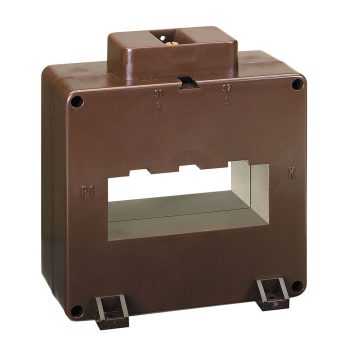
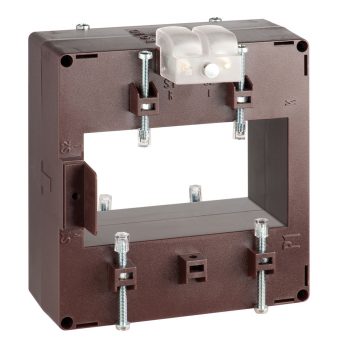
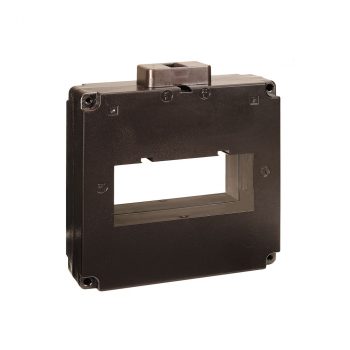
Protective Current Transformers (Protection CTs)
Protective current transformers are specialized CTs designed for protection and overcurrent applications. Unlike metering CTs – which emphasize measurement accuracy – protection CTs prioritize reliability, robustness and the ability to handle high fault currents. They are built with larger cores and increased saturation margins so that even under heavy overload or short-circuit conditions they still provide correct signals to protection relays or breakers.
Questions & Answers
What differentiates a protection CT from a metering CT?
Metering CTs are optimized for accurate current measurement under normal conditions. Protection CTs instead are designed to reliably detect high fault currents and trigger protective devices — accuracy under normal load is secondary to correct fault detection performance.
Where are protection CTs used?
They are used in protection and overcurrent systems — for instance for fault current detection, triggering breakers or relays, protecting circuits, machines or power lines from overload or short circuit, and in power distribution protection systems.
How does a protection CT respond to fault currents?
Under fault conditions, the primary conductor produces a high magnetic flux inside the CT core. The CT converts this into a proportional secondary current, which protection relays or breakers detect. Special design ensures the CT remains linear and avoids saturation during such high currents to guarantee proper tripping.
What are the requirements for a protection CT?
It must withstand high fault currents, have sufficient core saturation margin, maintain performance under overload, and always operate with the secondary circuit closed. The secondary winding must never be left open, even under fault — otherwise safety and correct function are compromised.
What happens if the CT core saturates during fault current?
If saturation occurs prematurely, the CT output will be inaccurate — protection relays may not trip correctly or timely, compromising safety. That is why protection CTs are built to avoid saturation even under high overload.
Is measurement accuracy important for protection CTs?
Not primarily. The main goal is reliable fault detection and protection activation. Precise current measurement under normal load is of secondary importance.
How is a protection CT installed?
The primary conductor must pass through the CT correctly. The secondary circuit must remain closed and connected to protection relays or devices. Proper wiring and secure connections are essential.
In which applications are protection CTs particularly useful?
They are ideal for switchgear panels, distribution boards, motor protection, transformer protection, short-circuit detection, industrial installations — anywhere reliable overcurrent or fault protection is required.