
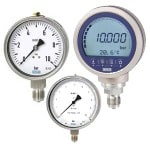
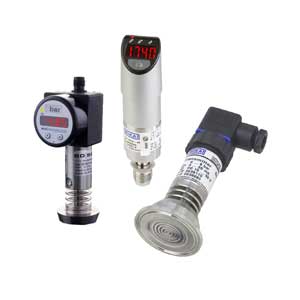
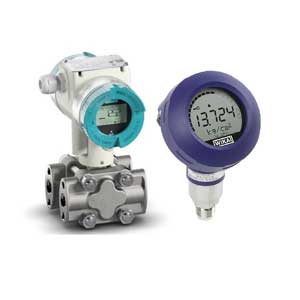
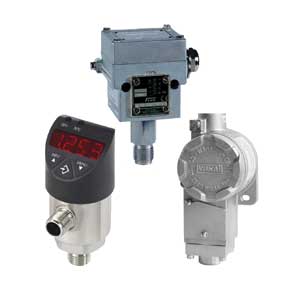
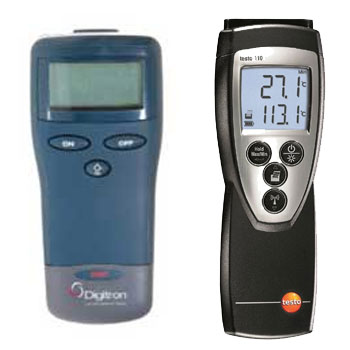
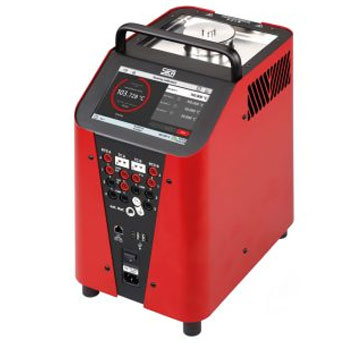
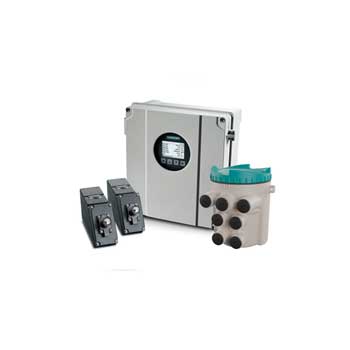
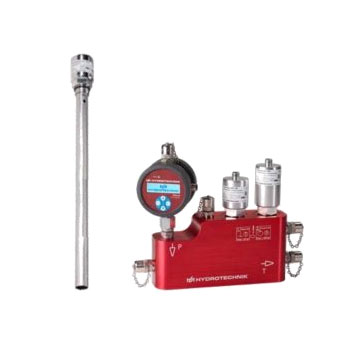
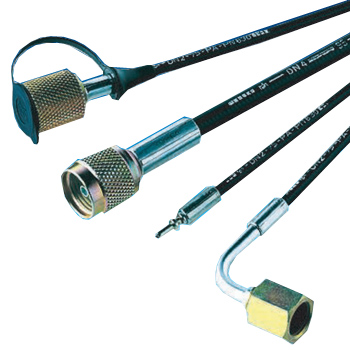
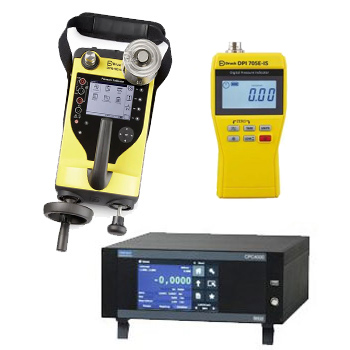
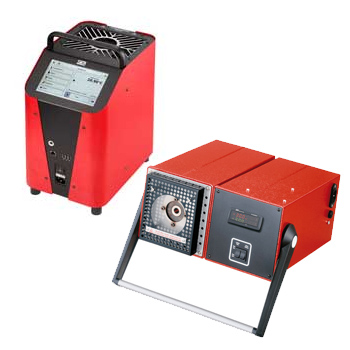
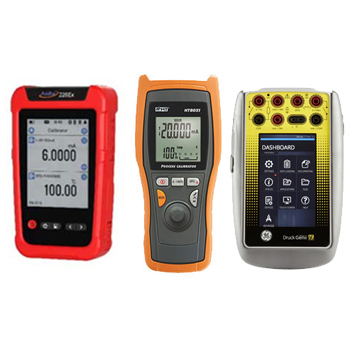
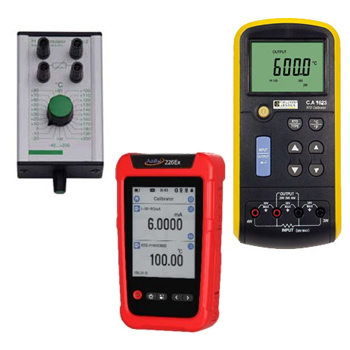
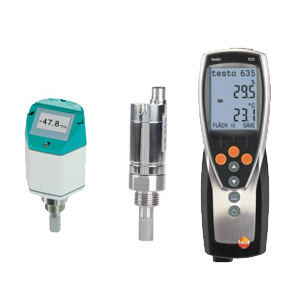
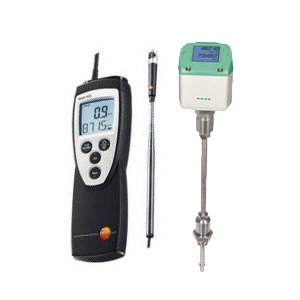
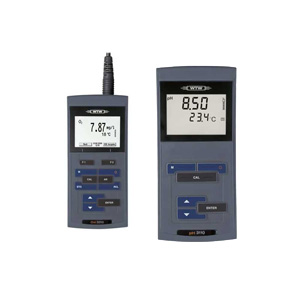
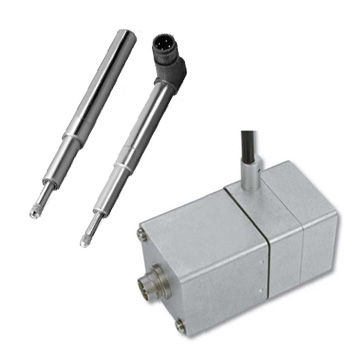
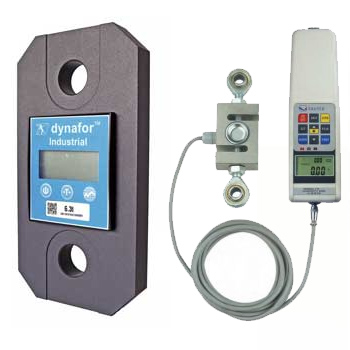
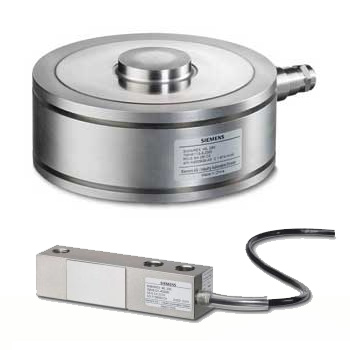
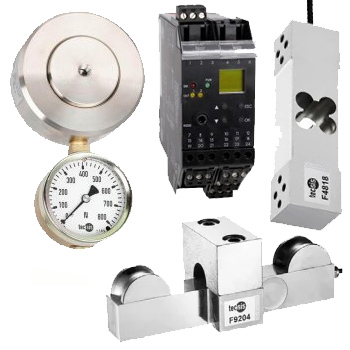
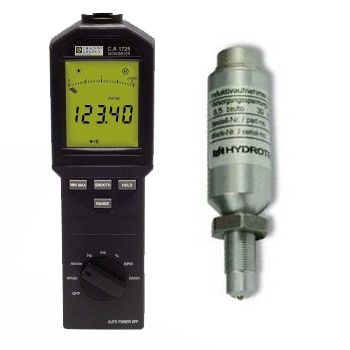
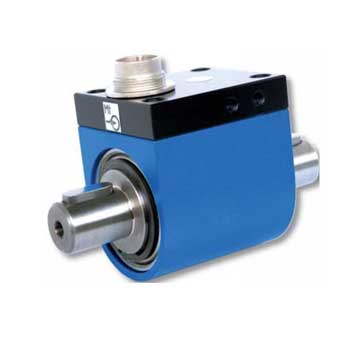
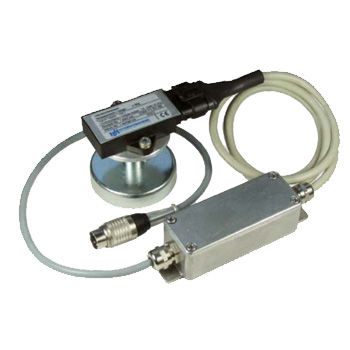
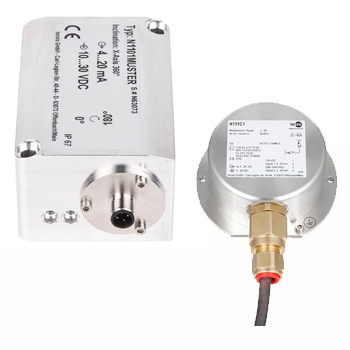
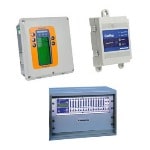
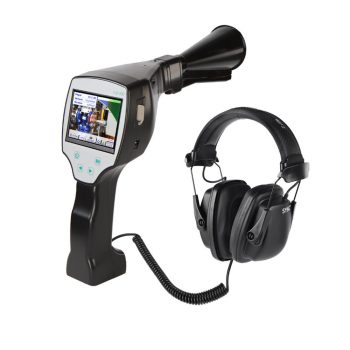
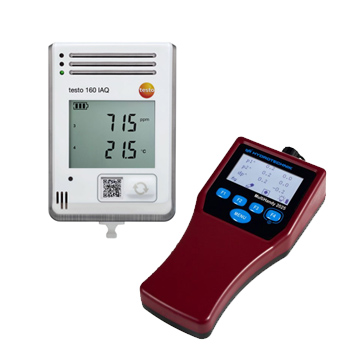
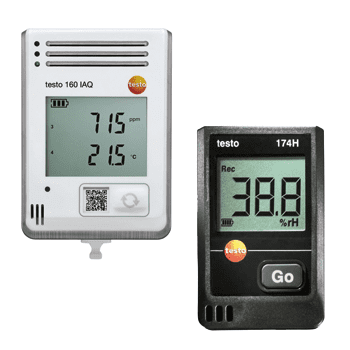
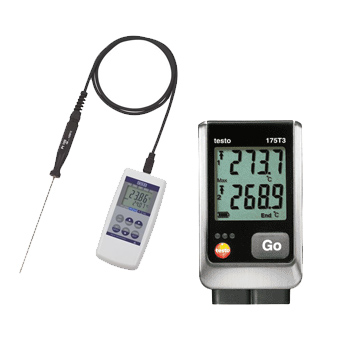
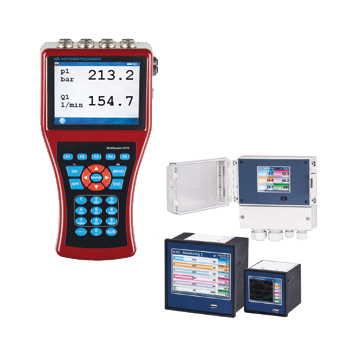
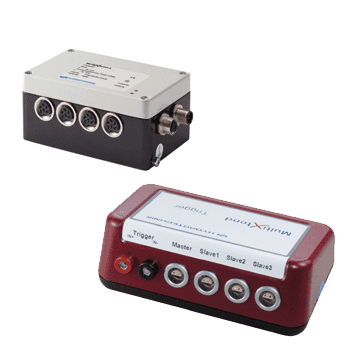
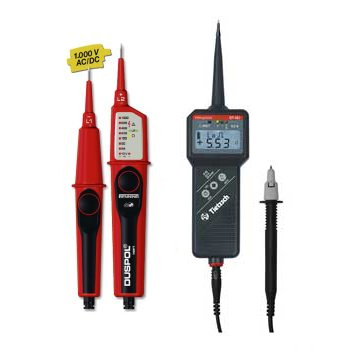
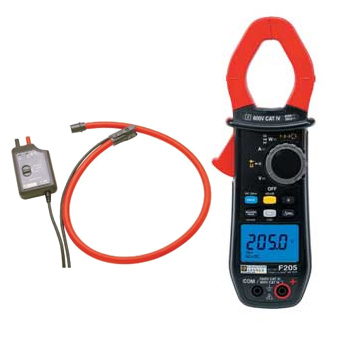
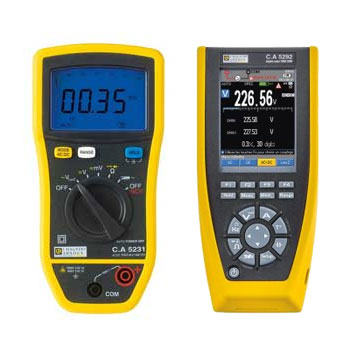
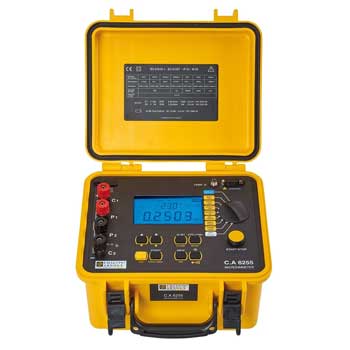
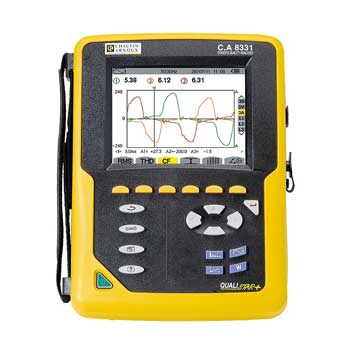
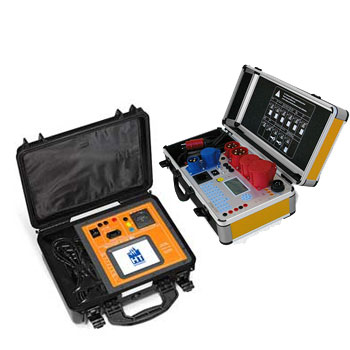
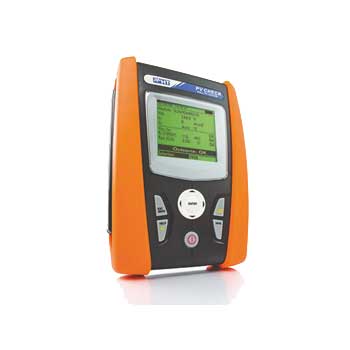
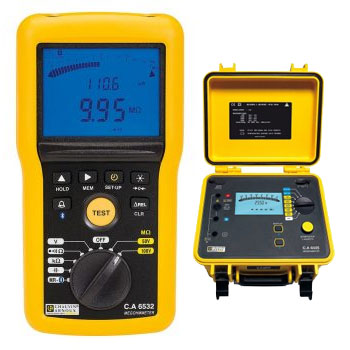
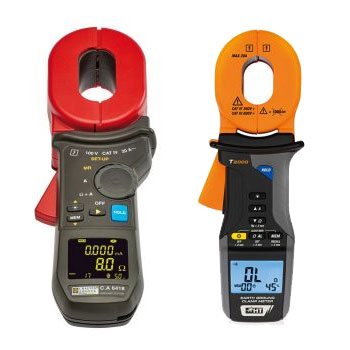
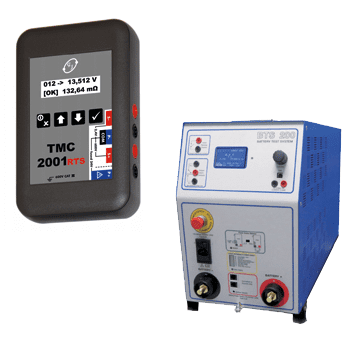
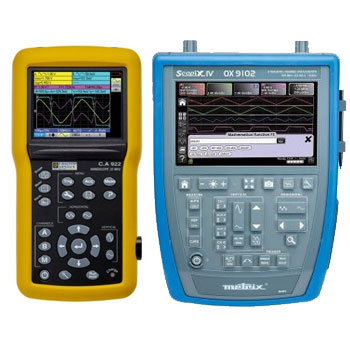
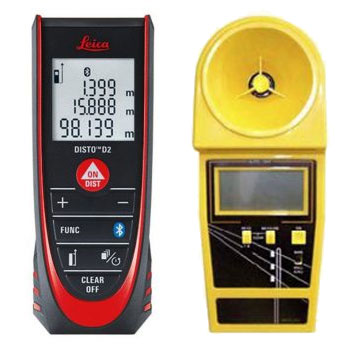
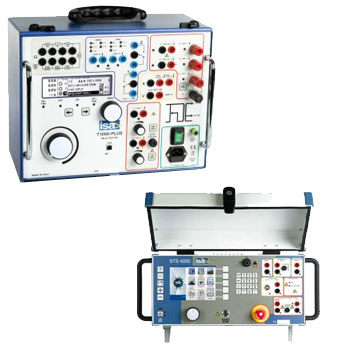
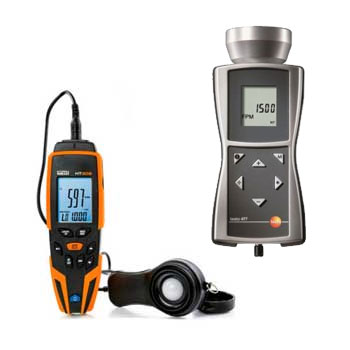
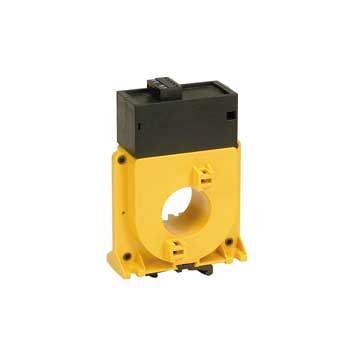
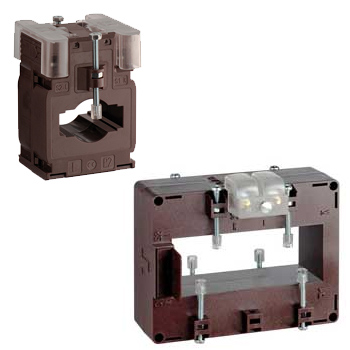
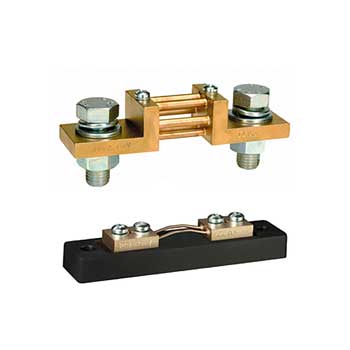
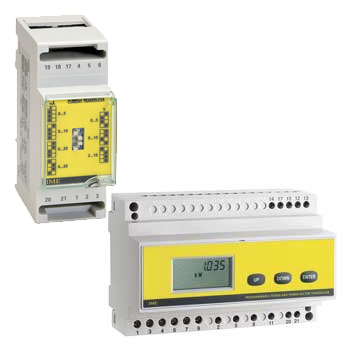
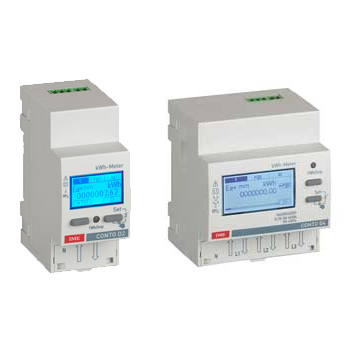
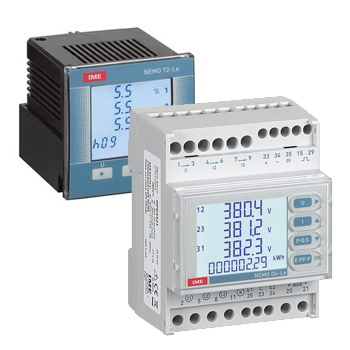
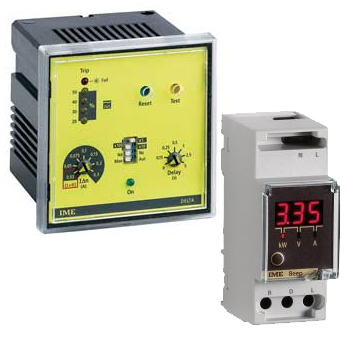
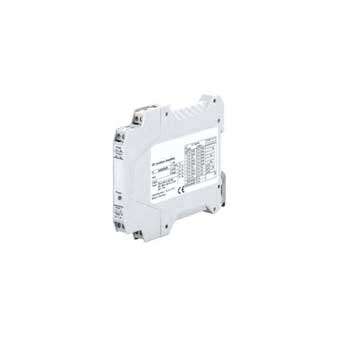
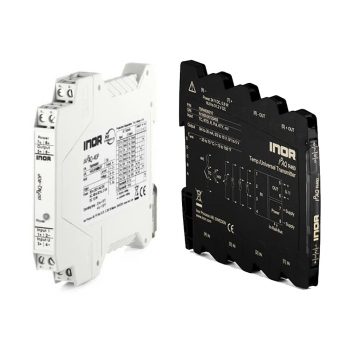
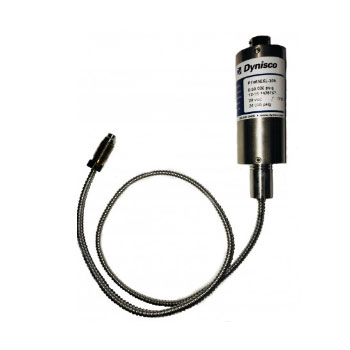
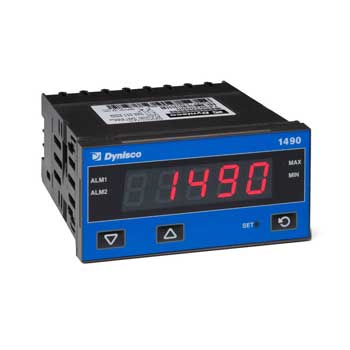
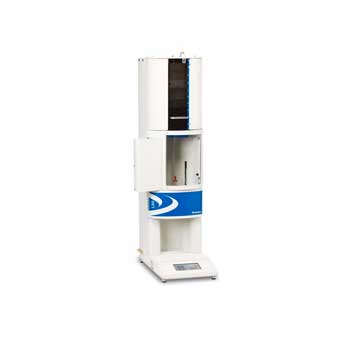
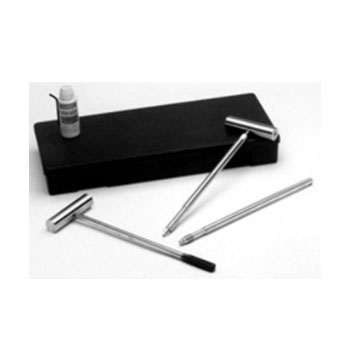
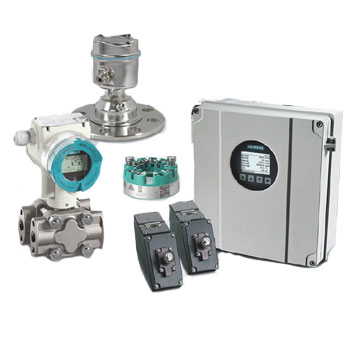
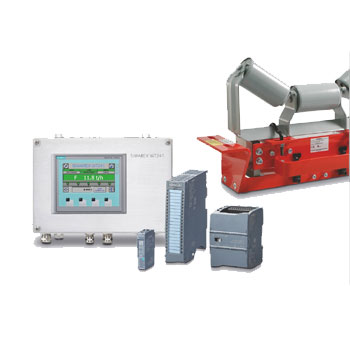
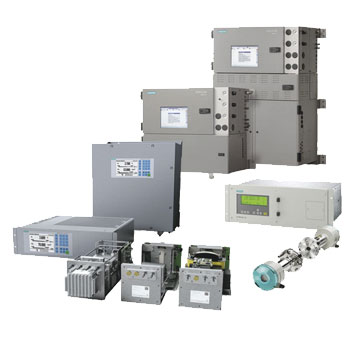
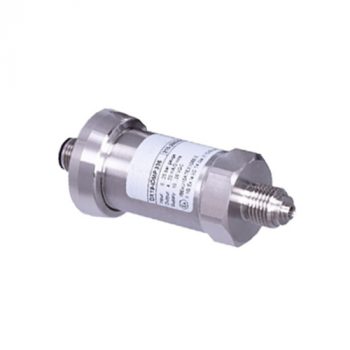
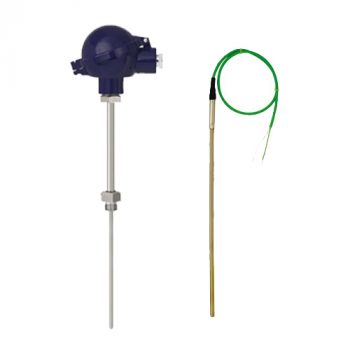
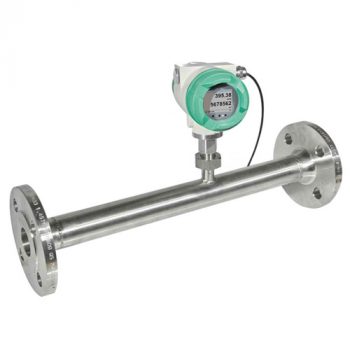
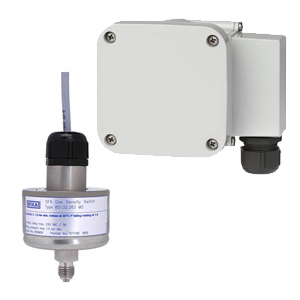
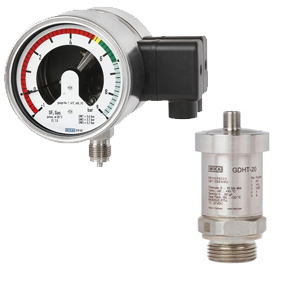
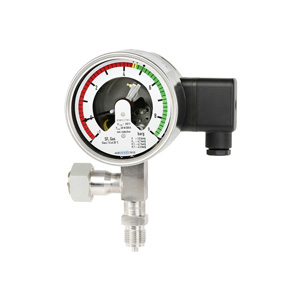
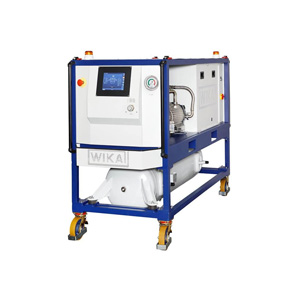
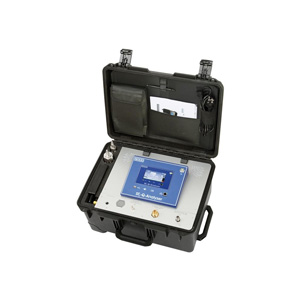
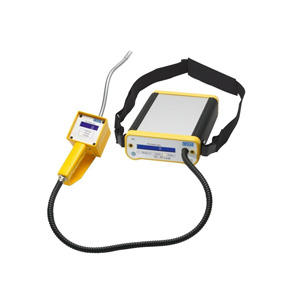
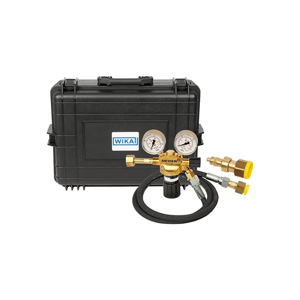
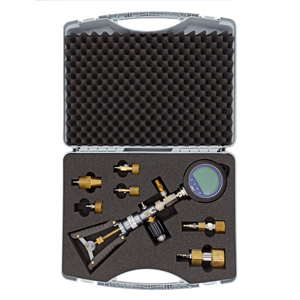
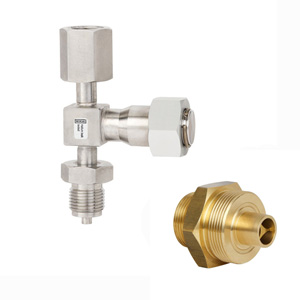
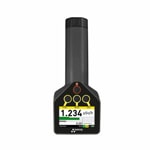
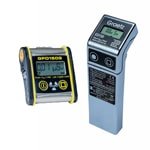
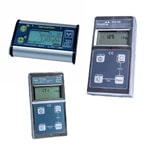
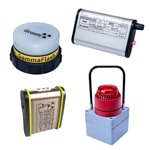
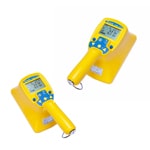
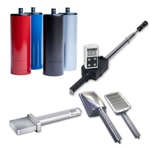
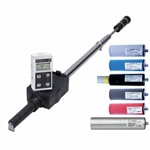
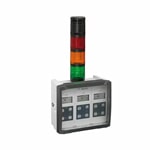
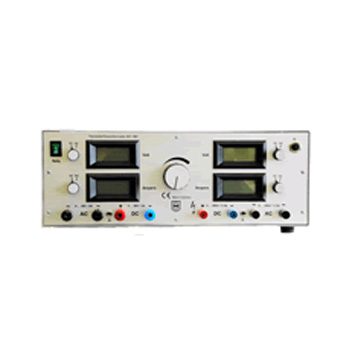
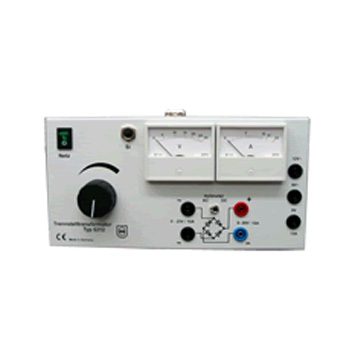
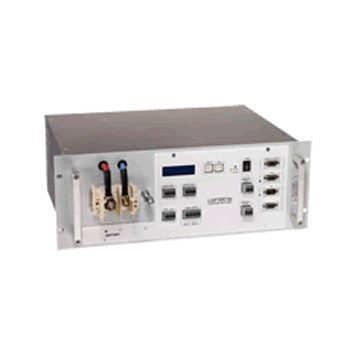
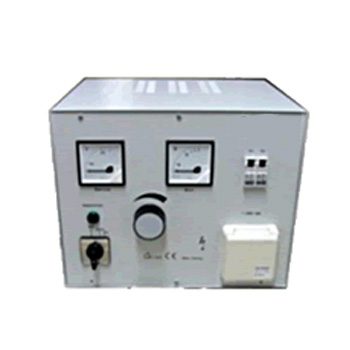
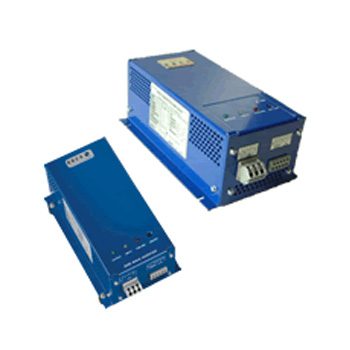
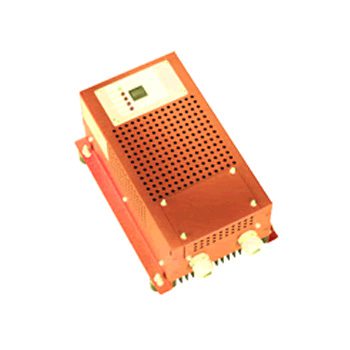
























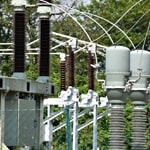
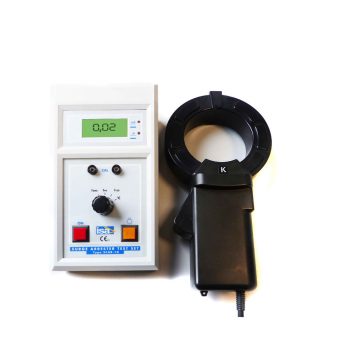
This MOV- Metal Oxide Varistor test system is the perfect device to perform analysis and diagnostics on metal oxide arrestors. It is supplied with a special current clip-on transformer designed for the measurement of current leakage.
Datasheet |
Surge Arrester Testing
Surge arrester testing covers diagnostic and verification procedures for surge arresters, in particular metal oxide surge arresters (MOV type) used in power transmission, distribution and industrial systems. The focus lies on evaluating leakage current, assessing electrical performance and ageing, and confirming that arresters provide reliable protection against overvoltages from switching operations and lightning events.
FAQ
What is a surge arrester?
A surge arrester is a protective device that limits overvoltages and diverts surge energy to earth. Metal oxide surge arresters are widely used in medium- and high-voltage systems to protect equipment from transient overvoltage stresses.
Why should surge arresters be tested regularly?
Surge arresters are exposed to electrical and thermal stress. Repeated surge events and continuous operating voltage can cause ageing, leading to increased leakage current or changes in residual voltage. Regular testing detects degraded arresters before failures occur.
Which quantities are typically measured during surge arrester testing?
Typical quantities include total leakage current, resistive and capacitive components, harmonic content (often third harmonic), voltage across the arrester, operating voltage, and temperature influence, compared with reference or initial values.
What is leakage current measurement?
Leakage current measurement determines the current flowing through the arrester under normal operating voltage. Changes in magnitude and harmonic content indicate ageing, moisture ingress or degradation of the metal oxide blocks.
Why is the third harmonic component of leakage current important?
The third harmonic component is very sensitive to non-linear changes in the MOV characteristic. An increase in this component is a useful indicator for deterioration or overload of the arrester and is therefore often used as a diagnostic parameter.
What is the difference between online and offline testing?
Online testing is carried out with the arrester in service and energized, usually by measuring leakage current at the earth lead. Offline tests are performed with the installation de-energized or the arrester removed, allowing additional insulation and withstand tests.
What are the advantages of online condition monitoring?
Online monitoring does not require outage and enables continuous or periodic trending. Changes in leakage current over time allow early detection of deterioration and support condition-based maintenance strategies.
How are currents practically measured?
Special clip-on current transformers or current probes designed for small leakage currents in strong electric and magnetic fields are used. They are typically mounted around the earth conductor of the arrester.
Which typical fault patterns can occur in surge arresters?
Typical faults include increased leakage current, local overheating of individual MOV blocks, non-uniform current distribution, cracks or moisture ingress in the housing, and in severe cases partial or total short-circuit due to breakdown.
When should a surge arrester be replaced?
Replacement is recommended if leakage current exceeds defined limits, if significant thermal or mechanical damage is detected, if test results fall outside acceptable tolerances, or after severe surge events according to internal guidelines or manufacturer recommendations.
How does operating voltage influence test results?
Leakage current depends on the applied voltage. For meaningful comparison of measurements, operating voltage, phase configuration and environmental conditions must be recorded and taken into account during evaluation.
What preparatory safety measures are required before testing?
Standard safety procedures for high- and medium-voltage installations apply: correct isolation or defined operating conditions, earthing and short-circuiting where required, clear demarcation of the work area, suitable test instruments and appropriate personal protective equipment.
How often should surge arrester tests be carried out?
The frequency depends on system voltage level, environmental conditions, lightning activity, system importance and internal maintenance policies. Periodic tests in multi-year intervals and additional checks after major events are common.
Why is systematic documentation of test results important?
Documented results allow trend analysis, comparison with previous tests, optimized replacement planning and provide evidence for inspections and audits.
Can portable test systems be used on multiple arresters?
Yes, portable test equipment is designed to be used sequentially on multiple arresters within a substation or along a line, enabling comparative evaluation and identification of outliers.
Which additional environmental data support interpretation?
Ambient temperature, humidity, pollution levels, operating hours and number or severity of known surge events help to interpret measurement results and estimate the remaining useful life of surge arresters.


Datasheet