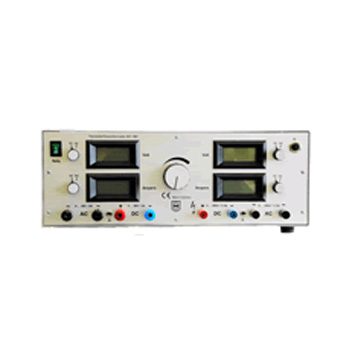
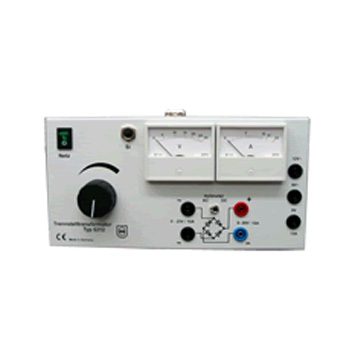
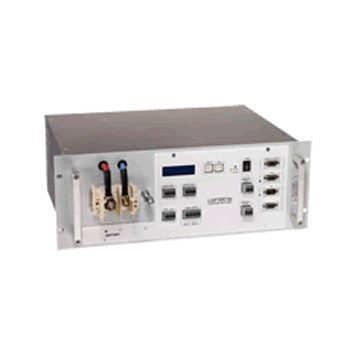
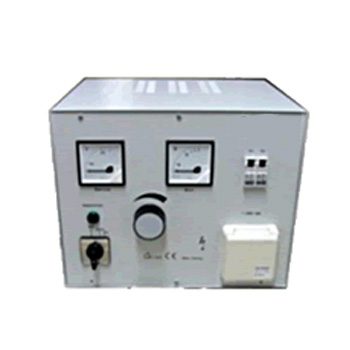
Gas meters and gas detectors


Gas Detection and Warning Devices

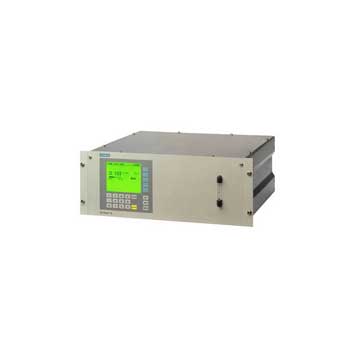
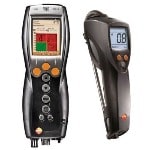
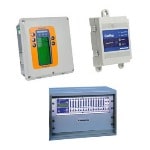
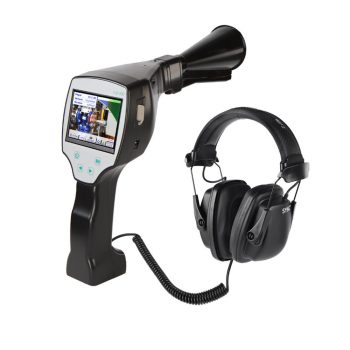
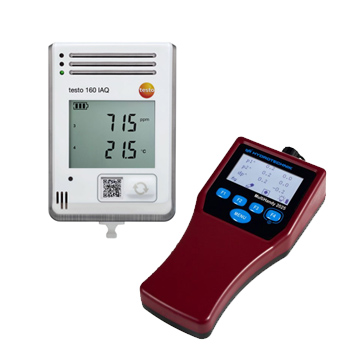
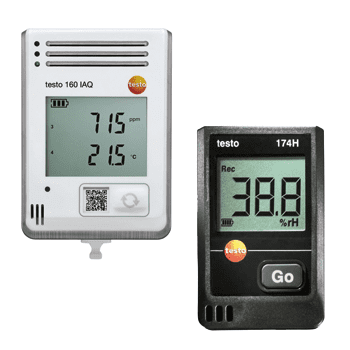
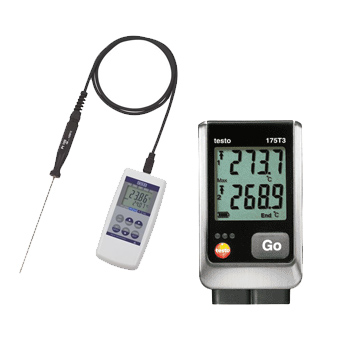
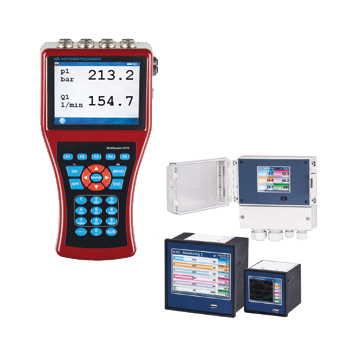
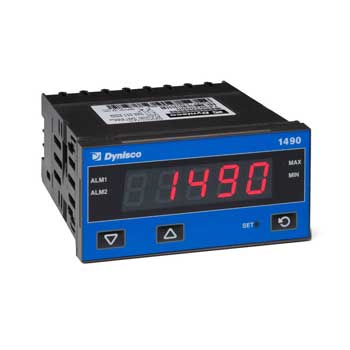
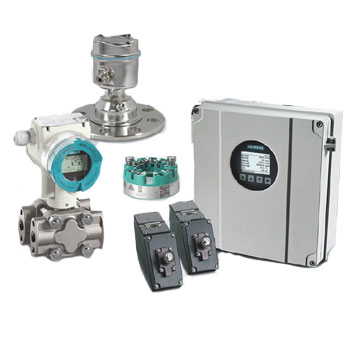
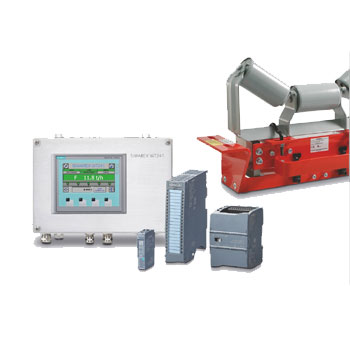
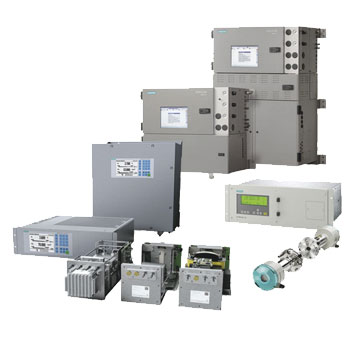
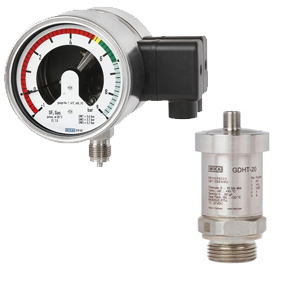
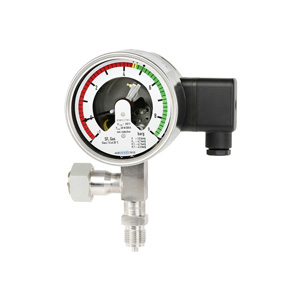
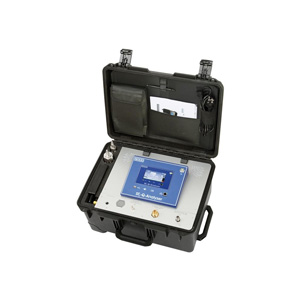
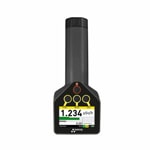
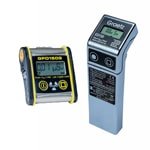
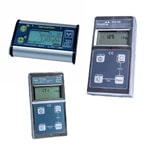
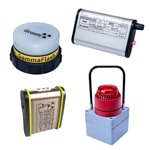
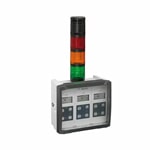
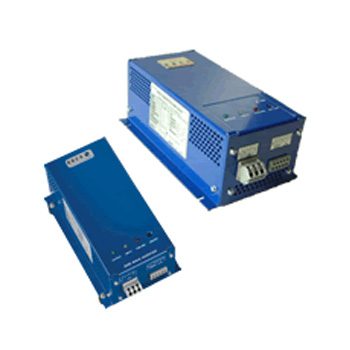
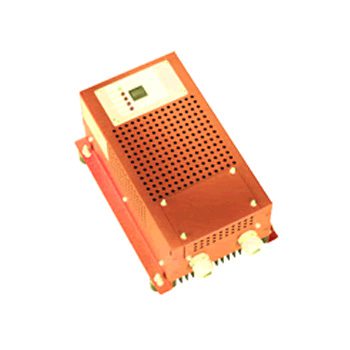
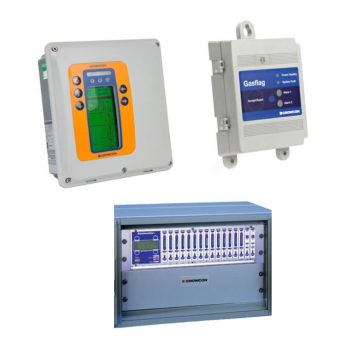
Gas detection and warning devices are used for continuous or spot monitoring of flammable, toxic, or oxygen-altering gases in technical installations and work environments. Depending on the design, stationary systems, portable detectors, or multi-channel gas control panels are used. Typical components include gas-specific sensors, evaluation units, optical and acoustic alarm indicators as well as interfaces to control or safety systems. The purpose is the early detection of critical gas concentrations to initiate technical and organizational protective measures.

FAQ

Which sensor types are used in gas detection and warning devices?

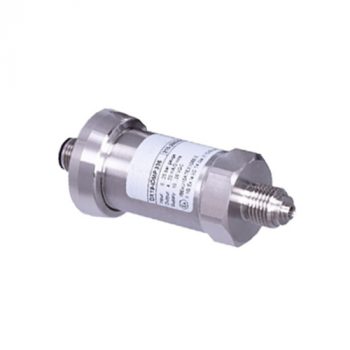
Common sensor technologies include catalytic bead sensors (for flammable gases), electrochemical sensors (for toxic gases and oxygen), infrared sensors (for CO₂ and certain combustible gases), and PID sensors (photoionization detectors for VOCs). The choice of sensor type depends on the gas species, measuring range, environmental conditions, and required accuracy.

Which gases are typically monitored?
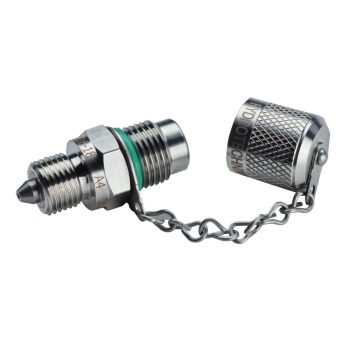
Typical target gases include combustible hydrocarbons such as methane, propane, or butane; toxic gases such as carbon monoxide (CO) or hydrogen sulfide (H₂S); oxygen (O₂) for detecting oxygen deficiency or enrichment; as well as carbon dioxide (CO₂) and volatile organic compounds (VOC). Depending on the application, other specific gases may also be relevant.

What are the technical differences between stationary and portable gas detectors?
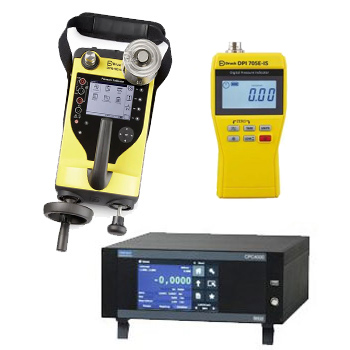
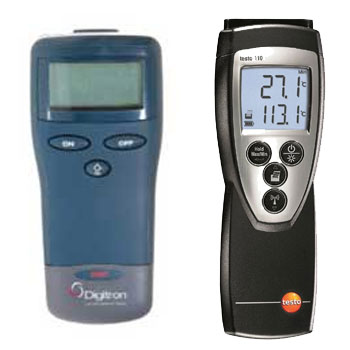
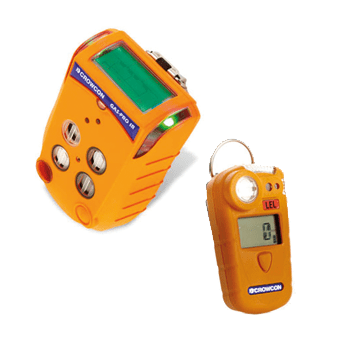
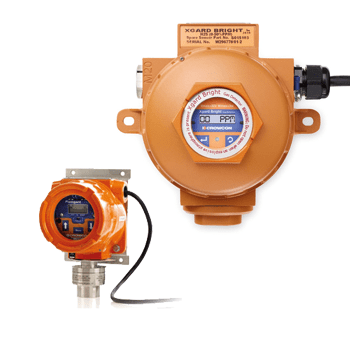
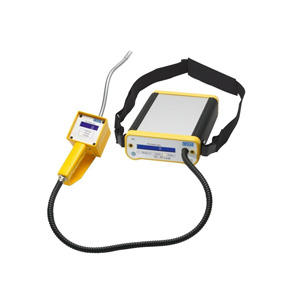
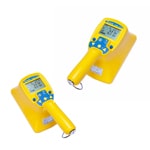
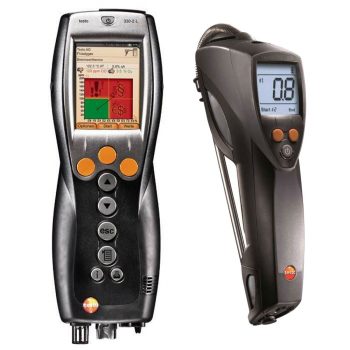
Stationary gas detectors are permanently installed, designed for long-term continuous operation, and often provide relay outputs, analog signals, or bus interfaces for integration into control and monitoring systems. Portable gas detectors are compact, battery-powered devices intended for personal protection or temporary measurements. They generally feature built-in audible, visual, and sometimes vibrating alarms.

Which performance parameters are particularly important for gas sensors?

Key parameters include measuring range, resolution, response time (t₉₀), accuracy, repeatability, long-term stability, operating temperature and humidity range, cross sensitivities to other gases, and expected sensor lifetime. These metrics determine suitability for a specific application.

What is the significance of sensor response time?

The response time indicates how quickly a sensor reacts to a change in gas concentration and reaches a defined portion of the final value (e.g., t₉₀). In safety-critical applications, a short response time is essential to detect hazardous conditions early and initiate protective actions promptly.

What is the difference between a bump test and a calibration?

A bump test is a functional check in which the sensor is briefly exposed to test gas to verify its response and alarm activation. Calibration uses defined reference gases to adjust the device, correct deviations, and ensure measurement accuracy. Both procedures should be performed at defined intervals and properly documented.

How are gas detection devices typically connected to control systems?

Common interfaces include analog signals (e.g., 4–20 mA), relay outputs for alarm or fault messages, and digital communication channels such as Modbus, Profibus, or Ethernet-based protocols. These allow the activation of ventilation systems, shut-off devices, or integration into supervisory control systems.

What requirements apply to devices used in hazardous areas?

Devices used in hazardous (explosive) atmospheres must comply with approved explosion protection concepts and certifications (e.g., ATEX or IECEx). This may include intrinsic safety, flameproof enclosures, or enhanced safety designs. Zone classification, equipment category, and temperature class must also be considered.

What is the importance of the IP protection rating?

The IP rating specifies protection against dust and water ingress. Industrial environments often require high protection levels such as IP65 or IP66 to ensure reliable operation under dust, splash water, or outdoor exposure.

How is optimal sensor placement determined?

Sensor placement depends on the physical properties of the gases, potential leak points, and airflow patterns. Gases lighter than air are typically monitored at higher locations, while heavier gases require sensors near the ground. Personnel locations, possible ignition sources, and ventilation layout must also be considered.

What are the differences between single-gas and multi-gas detectors?
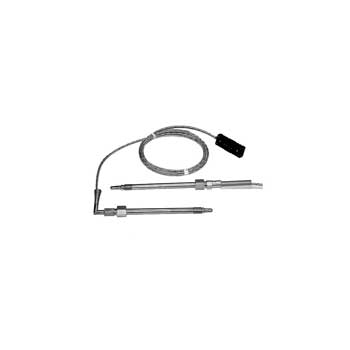
Single-gas detectors are optimized for monitoring one specific gas. Multi-gas detectors integrate several sensor channels into one device, enabling simultaneous monitoring of various gases such as oxygen, toxic gases, and combustible gases.

Which factors can cause measurement errors?

Measurement errors may result from temperature or humidity changes, cross sensitivities to other gases, sensor aging, contamination of filters or diffusion paths, or mechanical stress. Suitable device selection, regular maintenance, and correct calibration help reduce these effects.

Which alarm levels are commonly used in gas monitoring systems?

Systems often define at least two alarm levels: a pre-alarm (e.g., at a certain percentage of occupational exposure limits or lower explosion limit) and a main alarm for critical gas concentrations. Allocation of optical, acoustic, and technical reactions depends on the application.

What is the typical lifetime of gas sensors?

Sensor lifetime varies by technology and can range from around two years to several years. Influencing factors include gas exposure, climate conditions, temperature cycles, humidity, and mechanical or chemical impacts. Manufacturer recommendations for replacement intervals should be observed.

What is the relevance of functional safety requirements (e.g., SIL) for gas monitoring systems?

In safety-critical applications, gas monitoring systems may be part of safety instrumented functions. Functional safety standards (e.g., IEC 61508) define safety integrity levels (SIL) that quantify failure probabilities and influence system architecture, redundancy, and testing procedures.

Which documentation is important for operating gas detection systems?

Relevant documents include operating instructions, wiring and installation diagrams, test procedures, calibration records, maintenance logs, and—where applicable—functional safety evidence. Proper documentation supports audits, regulatory inspections, and safety assessments.

Which environmental conditions must be considered when selecting devices?

Important factors include temperature range, relative humidity, condensation risk, dust and dirt exposure, vibration levels, chemical atmospheres, and mechanical loads. These parameters influence enclosure rating, sensor choice, and mounting requirements.

How are stationary and portable gas detection devices powered?

Stationary systems are typically mains-powered and may include backup batteries or uninterruptible power supplies. Portable units operate with batteries or rechargeable packs. Power consumption depends on the number and type of sensors and additional features such as data logging or wireless communication.

How can data be recorded and evaluated?

Many devices include internal data logging, interfaces to supervisory systems, or PC-based analysis software. Recorded information may include concentration trends, alarm events, system messages, and calibration data. This supports hazard assessments, event analysis, and optimization of safety measures.

Diese Website benutzt Cookies. Wenn du die Website weiter nutzt, gehen wir von deinem Einverständnis aus.