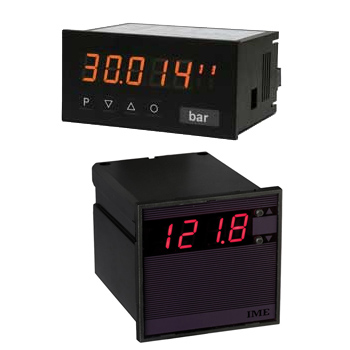
Hour-Run and Phase-Rotation Panel Meters
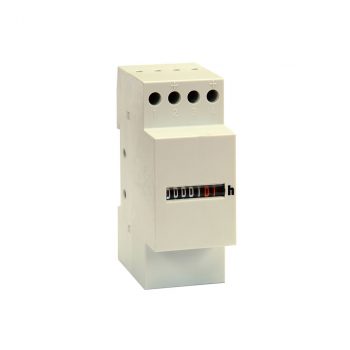
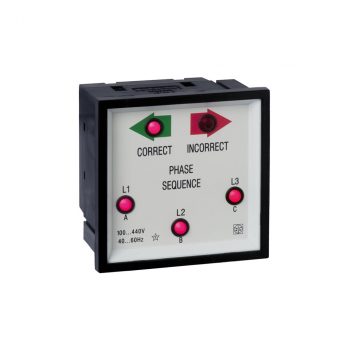
Hour-run meters and phase-rotation indicators are panel-mounted instruments used in switchgear and control cabinets to either record the operating hours of a machine or to indicate the phase sequence (rotation) of a three-phase electrical system. They support maintenance planning, operational monitoring and safe installation by providing clear, reliable information about runtime or correct phase orientation.
F&Q
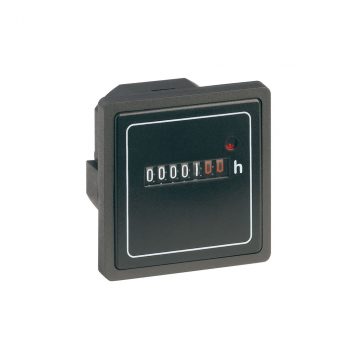
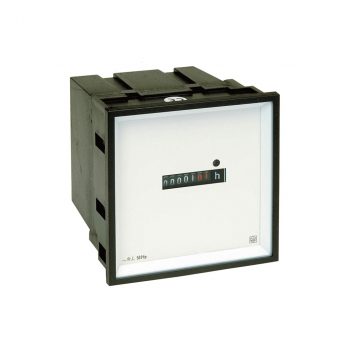
What is an hour-run meter?
An hour-run meter records and displays the total operating time of a machine or system in hours. It supports maintenance schedules, service intervals and documentation of usage.
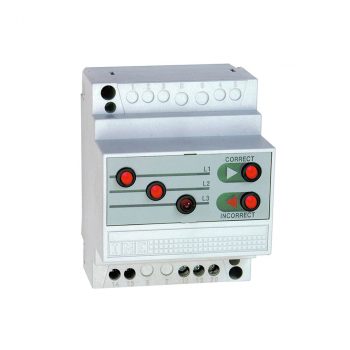
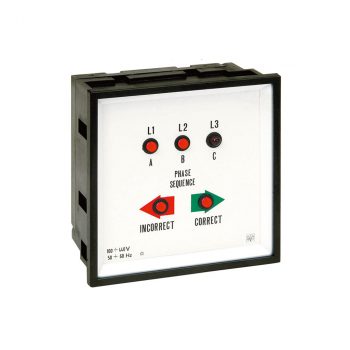
What is a phase-rotation indicator?
A phase-rotation indicator shows the phase sequence (L1-L2-L3 order) of a three-phase system. It allows verification that phases are connected correctly, ensuring motors and rotating equipment run in the intended direction.
How does an hour-run meter work?
Mechanical hour-run meters use a counting mechanism or gear system that advances when the equipment is energized. The accumulated hours are shown on a mechanical or analog display.
How does a phase-rotation indicator work?
The indicator measures the voltage relationships between the three phases. Based on the detected phase order, it shows the correct rotation or a reversed sequence via pointer, marking or light indicator.
Where are hour-run and phase-rotation meters used?
They are used in industrial machinery, pumps, motors, generators, HVAC systems, switchgear installations and any application requiring operating-time tracking or verification of correct phase orientation.
What advantages do these meters offer?
They provide simple, reliable and easy-to-read monitoring, help prevent installation errors, support predictable maintenance and operate independently of complex digital electronics.
What limitations exist?
Hour-run meters offer basic time logging without diagnostic data. Phase-rotation indicators show only the phase order and do not provide load, harmonic or quality analysis. For advanced monitoring, electronic systems may be required.
When is their use recommended?
They are ideal when straightforward runtime documentation or quick phase-sequence verification is needed — such as during installation, maintenance or periodic inspection of motors, pumps or industrial equipment.























Datasheet