








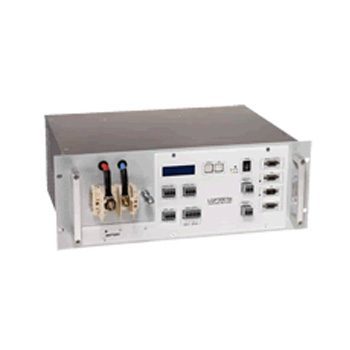
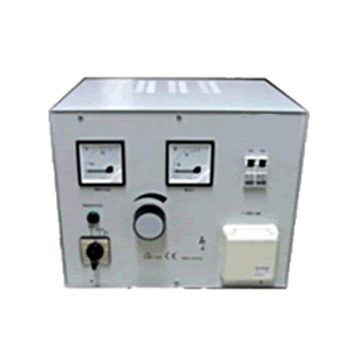
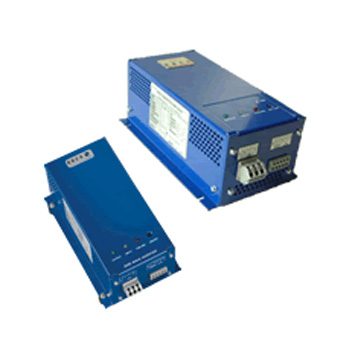
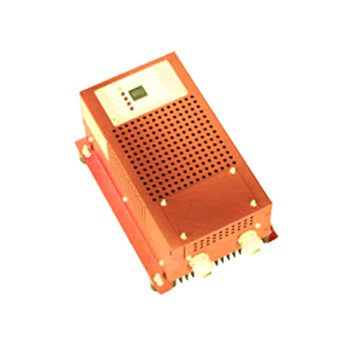





























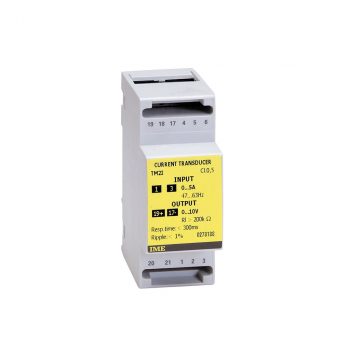
| AUX | Selfsupplied |
|---|---|
| OUTPUT | 0...5 mA |
| FORMAT | 2 DIN module |
| INPUT | 5 A |
| TYPE | Selfsupplied alternating current transducer |
 Datasheet Datasheet
|
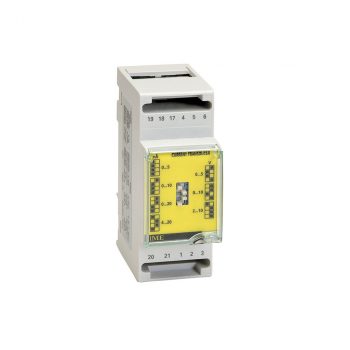
| AUX | 115 Vac |
|---|---|
| OUTPUT | 0...5 mA/0...10 mA/0...20mA/4...20 mA/0...5 V/0...10 V/2...10 V (selectable) |
| FORMAT | 2 DIN module |
| INPUT | 1,2 A |
| TYPE | Alternating current transducer with auxiliary supply |
|
Datasheet
|
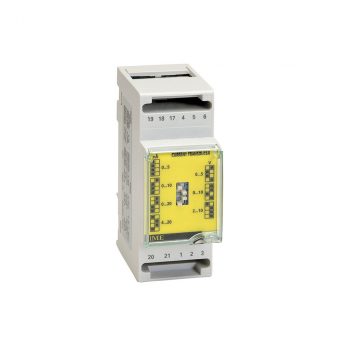
| AUX | 115 Vac |
|---|---|
| OUTPUT | 0...5 mA/0...10 mA/0...20mA/4...20 mA/0...5 V/0...10 V/2...10 V (selectable) response time |
| FORMAT | 2 DIN module |
| INPUT | 6 A |
| TYPE | TRUE RMS value alternating current transducer |
|
Datasheet
|
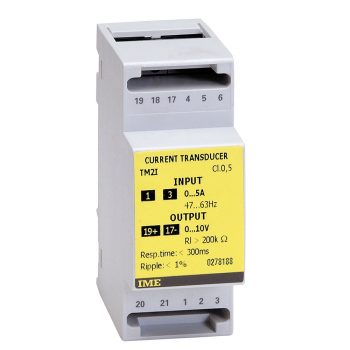
| AUX | Selfsupplied |
|---|---|
| OUTPUT | 0...20 mA |
| FORMAT | 2 DIN module |
| INPUT | 6 A |
| TYPE | Selfsupplied alternating current transducer |
| Datasheet |
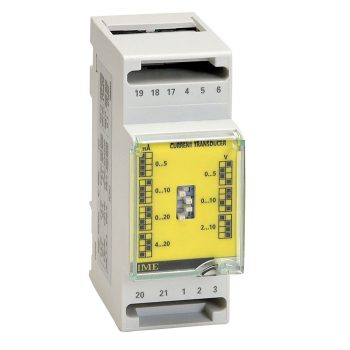
| AUX | 230...240 Vac |
|---|---|
| OUTPUT | 0...5 mA/0...10 mA/0...20mA/4...20 mA/0...5 V/0...10 V/2...10 V (selectable) response time |
| FORMAT | 2 DIN module |
| INPUT | 5 A |
| TYPE | TRUE RMS value alternating current transducer |
| Datasheet |
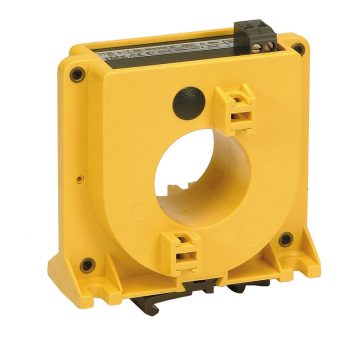
| AUX | 10...34 Vdc |
|---|---|
| OUTPUT | 4...20 mA |
| CURRENT | 50/100/150/200/250/300/350/400/450 A (selectable) |
| TYPE | Alternating current transformer with 2-wire technology built-in transducer (passing cable ø 35 mm) |
| Datasheet |
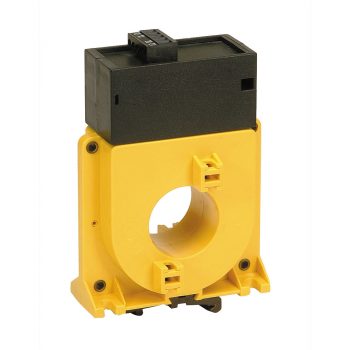
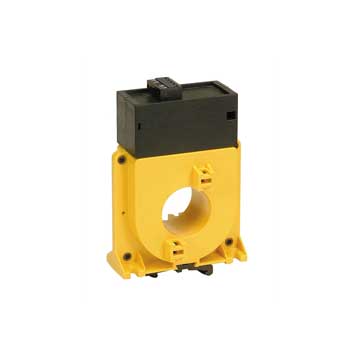
AUX 115 Vac
OUTPUT 4...20 m
ACURRENT 50/100/150/200/250/300/350/400/450 A (selectable)
TYPE Alternating current transformer with built-in transducer (passing cable ø 35 mm)
| Datasheet |
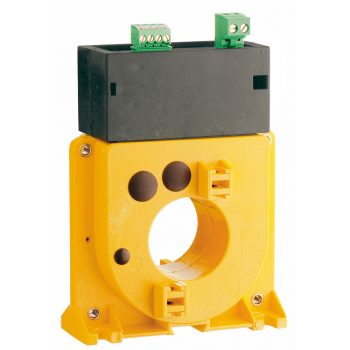
| AUX | 80...270 Vac/110...300 Vdc |
|---|---|
| OUTPUT | 0...20 mA |
| CURRENT | 10/20/30/40/50/60/70/80/90/100 A |
| TYPE | Unidirectional direct or pulsating current transformer with built-in Hall effect transducer (passing cable ø 35 mm) |
| Datasheet |
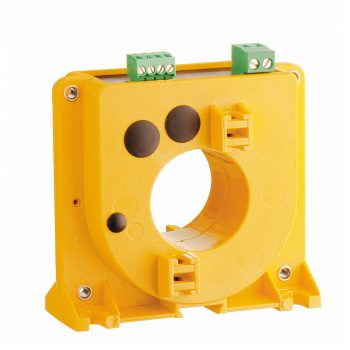
| AUX | 15 Vdc |
|---|---|
| OUTPUT | 4...20 mA |
| CURRENT | 10/20/30/40/50/60/70/80/90/100 A |
| TYPE | Unidirectional direct or pulsating current transformer with built-in Hall effect transducer (passing cable ø 35 mm) |
| Datasheet |

AC Measuring Transmitters (AC Transducers)
An AC measuring transmitter detects sinusoidal AC currents or voltages, calculates the RMS value and converts it into a standardized DC output signal such as 4 … 20 mA or 0 … 10 V. This enables simple integration of AC measurement — for mains monitoring, load monitoring or energy management — into automation and control systems. Many units include galvanic isolation between input, output and supply and can operate either directly or via external current transformers.
AC transmitters are typically designed as compact DIN-rail modules and are used in industrial plants, machinery, building automation and all applications where AC quantities must be reliably converted into standardized analog signals. Modern transmitters offer true RMS measurement, high accuracy and stable signal transmission over long cable distances.
Questions & Answers on AC Measuring Transmitters
What is an AC measuring transmitter?
An AC measuring transmitter measures AC current or voltage, determines the RMS value and outputs a proportional standardized DC signal.
When is an AC transmitter used?
Whenever AC currents or voltages must be captured and forwarded as analog standard signals to PLCs, controllers or monitoring systems.
What are typical input ranges?
Typical inputs are 0…1 A or 0…5 A AC, or higher currents when used with current transformers. AC voltage versions commonly measure mains voltage.
What output signals are common?
Most units provide 4 … 20 mA or 0 … 10 V, with some offering selectable current or voltage outputs.
Is galvanic isolation standard?
Yes — many AC transmitters isolate input, output and supply to prevent interference and potential differences.
Can AC transmitters be combined with current transformers?
Yes — external CTs are used for higher currents or when additional isolation is required.
How accurate is an AC measuring transmitter?
Good devices provide true RMS measurement with high accuracy and low temperature drift.
What is the typical response time?
Response times are typically a few hundred milliseconds up to around one second.
What supply voltage is required?
Most AC transmitters require an external supply, commonly 24 V DC or a defined wide-range input.
Can the output signal be transmitted over long distances?
Yes — 4 … 20 mA signals can be transmitted over long cable distances as long as the maximum load is not exceeded.
Which applications are typical?
Load and mains monitoring, energy management, machine and plant monitoring and integration of AC measurements into analog interfaces.
Are there versions for single-phase and three-phase systems?
Yes — single-phase models are available, and three-phase systems usually operate with external current or voltage transformers.