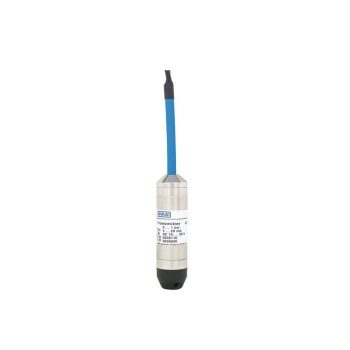


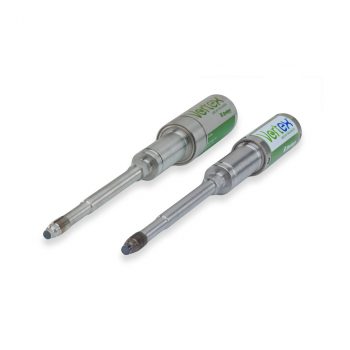
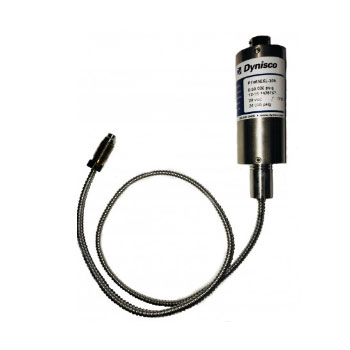


























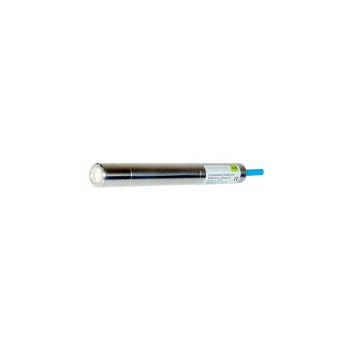
Ranges: 0...100 mbar to 0...20 bar
Output signal: 4...20 mA, 2-wire
Global error: < 0,2% F.S.
Response time: 200 ms
(other available on request)
Supply voltage: 9...32V DC, max. 30 mA
Ambient temperature: -25...80 °C
(-25...70 °C at EEx ia IIC T4)
(-25...50 °C at EEx ia IIC T6)
Thermal drift: < 0,015%/K F.S.
Housing: stainless steel, 1.4404, IP 68
Weight of probe: approx. 0,2 kg
Weight of cable: 0,5 kg / 10m
Electr. connection: HDPE cable with pressure compensation capillary
 Datasheet Datasheet
|
- Ranges: 0...100 mbar to 0...20 bar
- Output signal: 4...20 mA, 2-wire
- Global error: < 0,2% F.S.
- Response time: 200 ms (other available on request)
- Supply voltage: 12...30V DC, max. 30 mA
- Ambient temperature:
- -25...80 °C
- (-25...70 °C at EEx ia IIC T4)
- (-25...50 °C at EEx ia IIC T6)
- Thermal drift: < 0,015%/K F.S.
- Housing: stainless steel, 1.4404, IP 68
- Weight of probe: approx. 0,3 kg
- Weight of cable: 0,5 kg / 10m
- Electr. connection: PE cable with pressure compensation capillary and filter

|
Datasheet
|
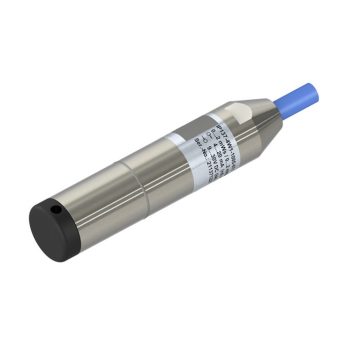
- Cost optimized for standard applications
- 22 mm Ø ideal for 1" pipes
- Smallest measuring range: 0…250 mbar / 0…2,5 mH2O
- Largest measuring range: 0…20 bar / 0…200 mH2O
- Negative pressure measuring range: up to -1 bar
- Accuracy ≤ 0,5%
- Analog output: 4…20 mA, 2-wires
0…10 V, 3-wires
0...5 V, 3-wires
0,5...4,5 V, ratiometric - Optionally integrated PT100 / PT1000 Sensor for temperature measurement
|
Datasheet
|
|
User Manual
|
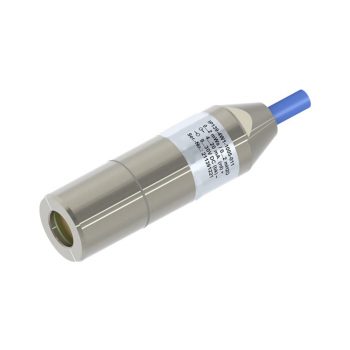
- Dry gold plated ceramic sensor
- Smallest measuring range: 0…100 mbar / 0…1 mH2O
- Largest measuring range: 0…20 bar / 0…200 mH2O
- Accuracy ≤ 0,3%
- High overload capability
- Rugged design
- Analog output: 4…20 mA, 2-wires
- Optionally integrated PT100 / PT1000 sensor for temperature measurement
|
Datasheet
|
|
User Manual
|
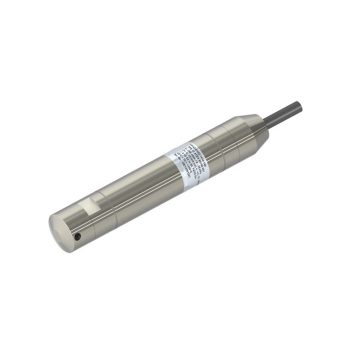
- Welded metallic measuring cell
- Smallest measuring range: 0…200 mbar/ 0…2 mH2O
- Largest measuring range: 0…20 bar/ 0…200 mH2O
- Configurable measuring ranges
- Accuracy ≤ 0,25%
- Analog output: 4…20 mA with HART Communication
- Optionally integrated PT100 / PT1000 Sensor for temperature measurement
- Ex II 1G Ex ia IIC T4 / T6 Ga
|
Datasheet
|
|
User Manual
|
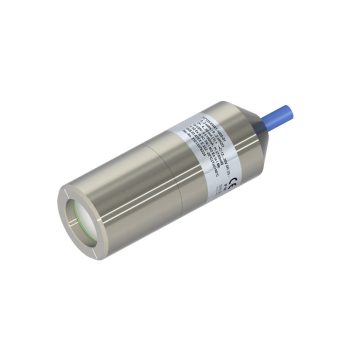
- Dry capacitive ceramic sensor
- Smallest measuring range: 0…40 mbar / 0…0,4 mH2O
- Largest measuring range: 0…60 bar / 0…600 mH2O
- Accuracy ≤ 0,2%
- Analog output: 4…20 mA, 2-wires
0…10 V, 3-wires - Optionally integrated PT100 / PT1000 Sensor for temperature measurement
- Optionally with lightning protection against voltage peaks
- Additional variations available in plastic (PP, PVDF)
- DNV-GL certified
- Ex II 1G Ex ia IIC T4 Ga
I M2 Ex ia I Mb
|
Datasheet
|
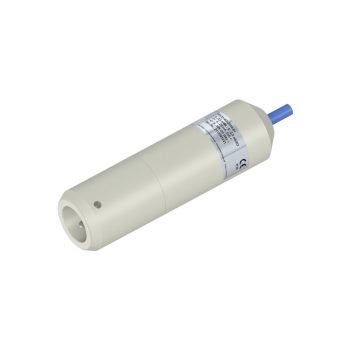
- PP housing (Polypropylene)
- Smallest measuring range: 0…40 mbar / 0…400 mmH2O
- Largest measuring range: 0…60 bar / 0…600 mH2O
- Accuracy ≤ 0,2%
- Analog output: 4…20 mA, 2-wires
0…10 V, 3-wires - Optionally integrated PT100 / PT1000 Sensor for temperature measurement
- Optionally with lightning protection against voltage peaks
|
Datasheet
|
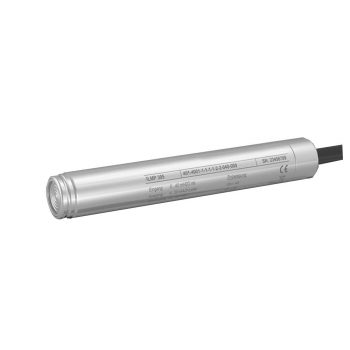
- nominal pressure: 0 ... 1 mH2O up to 0 ... 250 mH2O
- accuracy: 0.35 % (opt. 0.25 %) FSO
- diameter 19 mm for cramped areas e.g. 1" observation well
- small thermal effect
- excellent linearity
- excellent long term stability
|
Datasheet
|
|
User Manual
|
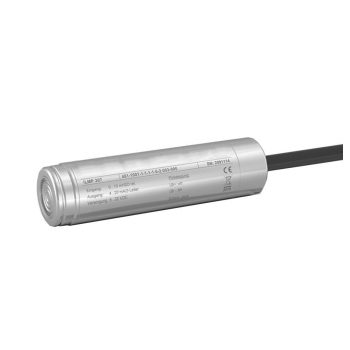
- nominal pressure: 0 ... 1 mH2O up to 0 ... 250 mH2O
- accuracy: 0.35 % (opt. 0.25% / 0.1 %) FSO
- diameter 26.5 mm
- small thermal effect
- excellent long term stability
- high accuracy
|
Datasheet
|
|
User Manual
|
|
User Manual
|
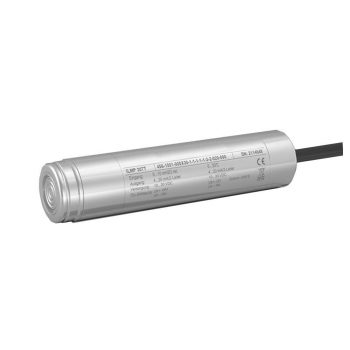
- nominal pressure: 0 ... 1 mH2O up to 0 ... 250 mH2O
- nominal temperature from 0 ... 30 °C up to 0 ... 70 °C
- accuracy: 0.35 % (opt. 0.25 %) FSO
- diameter 26.5 mm
- separate output signals for pressure and temperture ranges
- easy handling
- low maintenance and wiring costs
| Datasheet |
| User Manual |
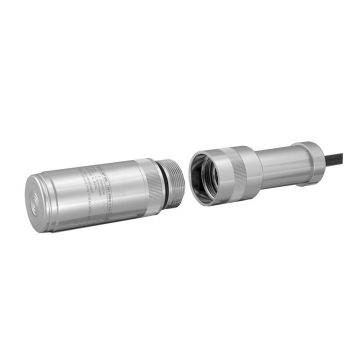
- nominal pressure: 0 ... 1 mH2O up to 0 ... 250 mH2O
- accuracy: 0.35 % (opt. 0.25% / 0.1 %) FSO
- diameter 35 mm
- cable and sensor section detachable
- excellent long term stability
- high accuracy
| Datasheet |
| User Manual |
| User Manual |
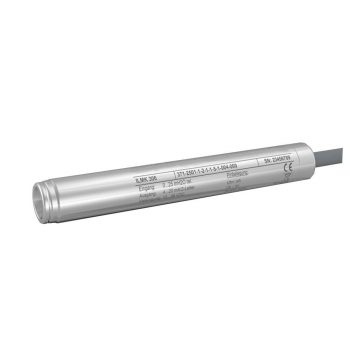
- nominal pressure: 0 ... 6 mH2O up to 0 ... 200 mH2O
- accuracy: 0.5 % FSO
- diameter 17 mm
- excellent long term stability
- suitable for hydrostatic level measurement e.g. 3/4" pipes
- excellent linearity
| Datasheet |
| User Manual |
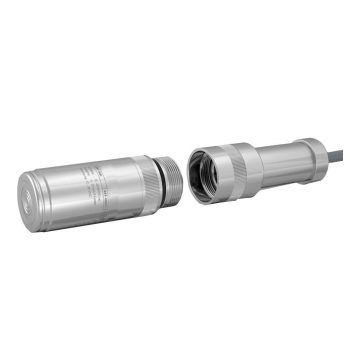
- nominal pressure: 0 ...4 mH2O up to 0...200 mH2O
- accuracy: 0.1 % FSO
- diameter 35 mm
- cable and sensor section detachable
- thermal error in compensated range -20...70°C: 0.2 FSO TC 0.02% FSO/10K 0,02 % FSO / 10K
- high accuracy
- communication connection
- turn-down 1:10
|
Datasheet
|
|
User Manual
|
|
User Manual
|
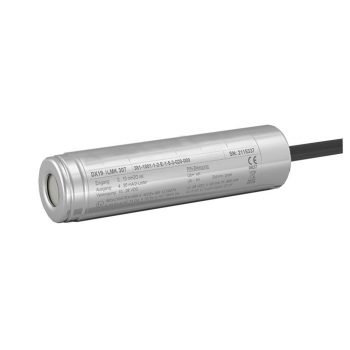
- nominal pressure: 0 ... 4 mH2O up to 0 ... 250 mH2O
- accuracy: 0.5 % FSO
- diameter 27 mm
- excellent linearity
- excellent accuracy
- easy handling
| Datasheet |
| User Manual |
| User Manual |
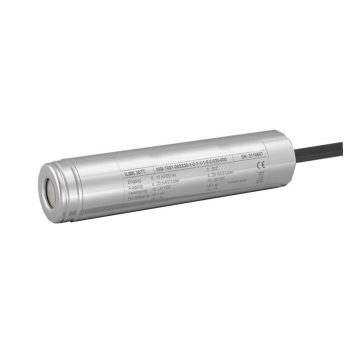
- nominal pressure: from 0 ... 4 mH2O up to 0 ... 250 mH2O
- nominal temperature from 0 ... 30 °C up to 0 ... 70 °C
- accuracy: 0,5 % FSO
- diameter 26,5 mm
- separate output signals for pressure and temperture ranges
- excellent accuracy
- easy handling
- low maintenance and wiring costs
| Datasheet |
| User Manual |
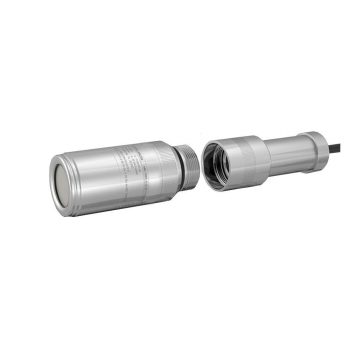
- nominal pressure: 0 ... 40 cmH2O up to 0 ... 100 mH2O
- accuracy: 0.35 % (opt. 0.25 %) FSO
- diameter 39.5 mm
- cable and sensor section detachable
- especially for sewage, viscous and pasty media
| Datasheet |
| User Manual |
| User Manual |
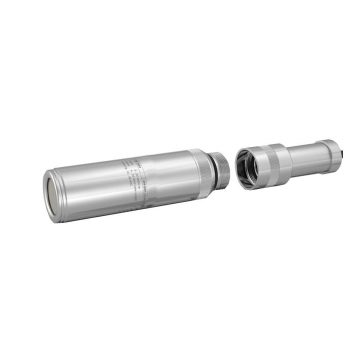
- nominal pressure range 0 ... 60 cmH2O up to 0 ... 100 mH2O
- accuracy: 0.1 %
- diameter 39,5 mm
- cable and sensor section detachable
- HART®-communication (setting of offset. span and damping)
- permissible temperatures up to 85 °C
- high long term stability
|
Datasheet
|
|
User Manual
|
|
User Manual
|
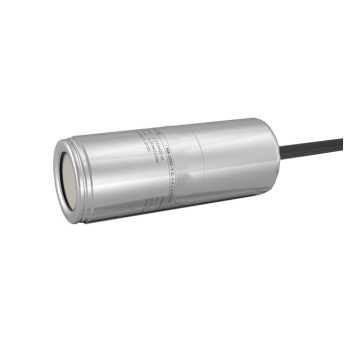
- nominal pressure: 0 ... 40 cmH2O up to 0 ... 200 mH2O
- accuracy: 0.35 % (opt. 0.25 %) FSO
- diameter 39.5 mm
- especially for sewage, viscous and pasty media
| Datasheet |
| User Manual |
| User Manual |
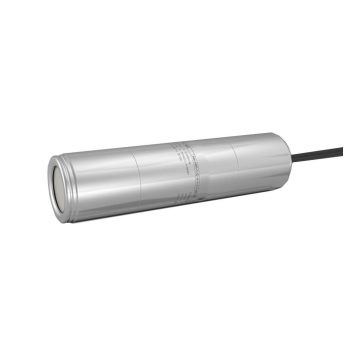
- Füllhöhe 0 ... 60 cmH2O bis 0 ... 200 mH2O
- Genauigkeit: 0,1 % FSO
- Durchmesser 39,5 mm
- HART®-Kommunikation (Einstellung von Offset, Spanne und Dämpfung)
- Temperatureinsatzbereich bis 85 °C
- hoch überlastfähig
- hohe Langzeitstabilität
| Datasheet |
| User Manual |
| User Manual |
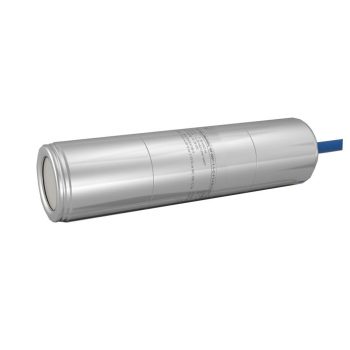
- nominal pressure: 0 ... 60 cmH2O up to 0 ... 200 mH2O
- accuracy: 0.1 % FSO
- shipping approvals: American Bureau of Shipping (ABS), Bureau Veritas (BV), China Classification Society (CCS), Det Norske Veritas (DNV), Germanischer Lloyd (GL), Lloyd's Register (LR)
- diameter 39.5 mm
- HART®-communication (setting of offset,span and damping)
- high overpressure capability
- high long term stability
| Datasheet |
| User Manual |
| User Manual |
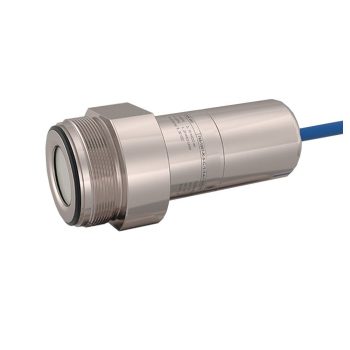
- nominal pressure: 0 ... 40 cmH2O up to 0 ... 200 mH2O
- accuracy: 0.35 % (opt. 0.1 %) FSO
- diameter 39.5 mm
- shipping approvals: American Bureau of Shipping (ABS), Bureau Veritas (BV), China Classification Society (CCS), Det Norske Veritas (DNV), Germanischer Lloyd (GL), Lloyd's Register (LR)
- high overpressure capability
- high long term stability
- permissible temperatures up to 125 °C
| Datasheet |
| User Manual |
| User Manual |
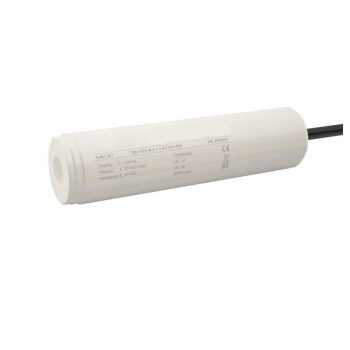
- nominal pressure: 0 ... 4 mH2O up to 0 ... 100 mH2O
- accuracy: 0.5 % FSO
- diameter 35 mm
- excellent long term stability
- easy handling
| Datasheet |
| User Manual |
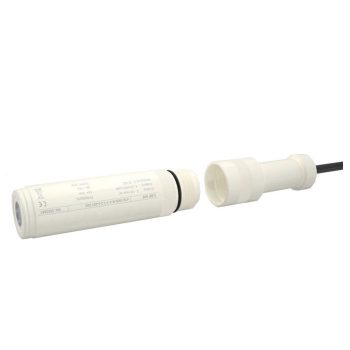
- nominal pressure: 0 ... 1 mH2O up to 0 ... 100 mH2O
- accuracy: 0.35 % (opt. 0.25 %) FSO
- diameter 35 mm
- cable and sensor section detachable
- excellent linearity
- small thermal effect
- integrated lightning protection and increased overvoltage protection; 8 kA gas discharge tube (8/20 μsec); 4 kV surge l-l/l-e according to EN61000-4-5
| Datasheet |
| User Manual |
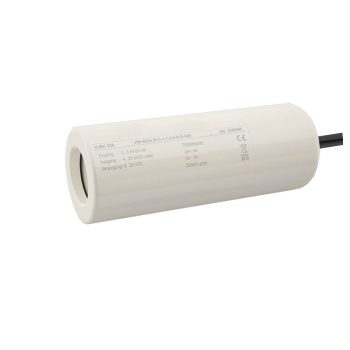
- nominal pressure: 0 ... 40 cmH2O up to 0 ... 100 mH2O
- accuracy: 0.35 % (opt. 0.25 %) FSO
- diameter 45 mm
- chemical resistance
- high overpressure capability
- pure ceramic sensor
- especially for tank level measurement of viscous and aggressive media
- housing material PP-HT or PVDF
- diaphragm ceramics Al2O3 (99.9 %)
| Datasheet |
| User Manual |
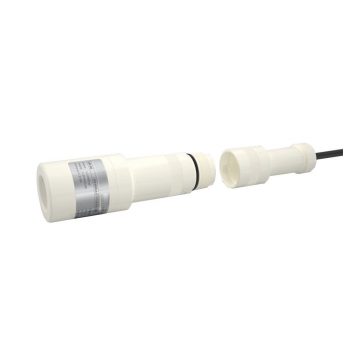
- nominal pressure: 0 ... 40 cmH2O up to 0 ... 100 mH2O
- accuracy: 0.35 % (opt. 0.25 %) FSO
- diameter 45 mm
- cable and sensor section detachable
- chemical resistance
- housing PP-HT
- integrated lightning protection and increased overvoltage protection; 8 kA gas discharge tube (8/20 μsec); 4 kV surge l-l/l-e according to EN61000-4-5
|
Datasheet
|
|
User Manual
|
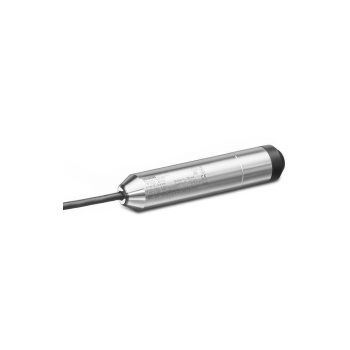
- Easy installation and use due to compact design and corrosion-resistant material
- Safe application due to vent pipe in connection cable to prevent condensate formation
- Long service life due to protection of the measuring diaphragm against external influences by protective cap
|
Datasheet
|
|
User Manual
|
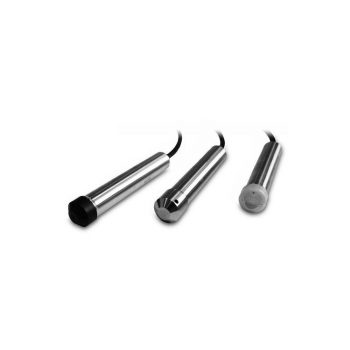
- Easy installation and use due to compact design and corrosion-resistant material
- Safe application due to vent pipe in connection cable to prevent condensate formation
- Long service life due to protection of the measuring diaphragm against external influences by protective cap
|
Datasheet
|
|
User Manual
|
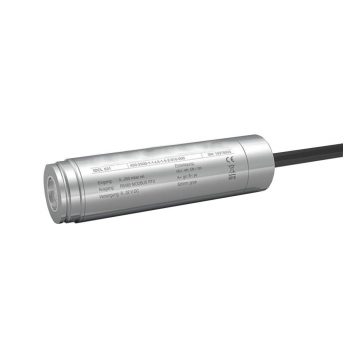
- nominal pressure: 0 ... 1 mH2O up to 0 ... 250 mH2O
- accuracy: 0.35% (opt. 25 %) FSO
- output signal: RS485 with Modbus RTU protocol
- diameter diameter 26.5 mm
- small thermal effect small thermal effect
- high accuracy excellent accuracy
- excellent long term stability
- reset function
| Datasheet |
| User Manual |
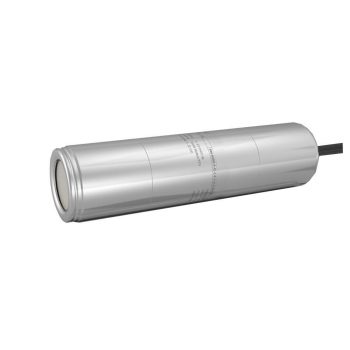
- nominal pressure: 0 ... 40 cmH2O up to 0 ... 200 mH2O
- accuracy: 0.35 % (opt. 0.25 %) FSO
- output signal: RS485 with Modbus RTU protocol
- diameter 39,5 mm
- excellent long-term stability
- especially for sewage, viscous and pasty media
| Datasheet |
| User Manual |
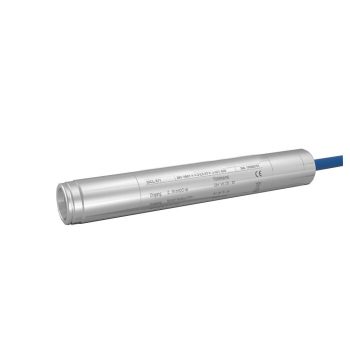
- nominal pressure: 0 ... 1 mH2O up to 0 ... 100 mH2O
- accuracy: 0.35% (opt. 0.35 %) FSO
- output signal: RS485 with Modbus RTU protocol
- diameter diameter 22 mm
- excellent long term stability good long term stability
- highly appropriated for sewage water
| Datasheet |
| User Manual |
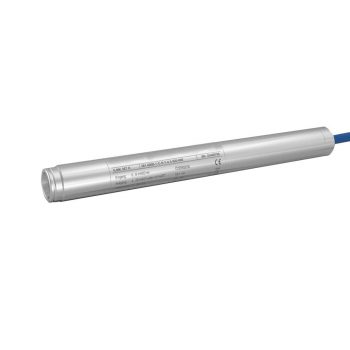
- nominal pressure: von 0 ... 1 mH2O bis 0 ... 100 mH2O
- accuracy: 0.35 % (opt. 0.25 %) FSO
- HART®-communication
- excellent long term stability
- diameter 22 mm
- highly appropriated for waste water
| Datasheet |
| User Manual |
| User Manual |
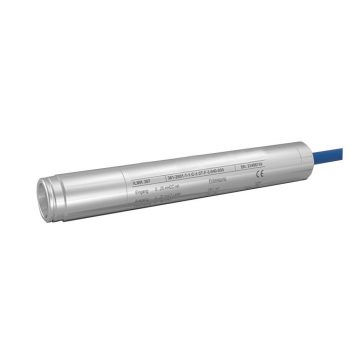
- nominal pressure: from 0 ... 1 mH2O up to 0 ... 100 mH2O
- accuracy: 0.35 % (opt. 0.25 %) FSO
- diameter 22 mm
- diaphragm ceramics Al2O3 (99.9 %)
- excellent long term stability
- highly appropriated for wastewater, sludge and viscous media
| Datasheet |
| User Manual |
| User Manual |
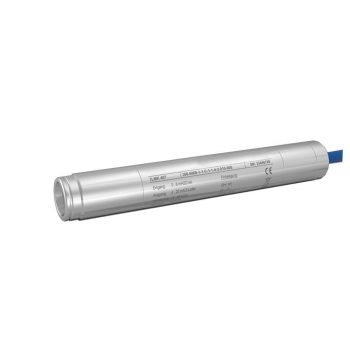
- nominal pressure: 0 ... 1 mH2O up to 0 ... 100 mH2O
- accuracy: 0.25 % FSO
- output signal 4 ... 20mA / 2-wire
- diameter 22 mm
- shipping approvals: LR (Lloyd´s Register), DNV(Det Norske Veritas), GL (Germanischer Lloyd), ABS (American Bureau of Shipping), CCS (China Classification Society)
- high long term stability
- diaphragm ceramics Al2O3 (99.9 %)
| Datasheet |
| User Manual |
| User Manual |
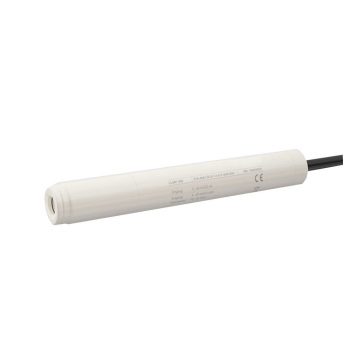
- nominal pressure: from 0 ... 6 mH2O up to 0 ... 200 mH2O
- diameter 21 mm
- excellent linearity
- excellent long term stability
- accuracy: 0,5% FSO
- suitable for hydrostatic level measurement e.g. 3/4" pipes
| Datasheet |
| User Manual |
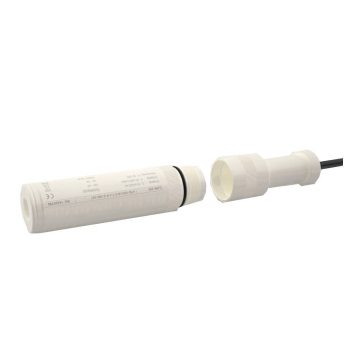
- nominal pressure: 0 ... 1 mH2O up to 0 ... 100 mH2O
- accuracy: 0.35 % (opt. 0.25 %) FSO
- diameter 35mm
- diaphragm ceramics Al2O3 (99.9 %)
- cable and sensor section detachable
- excellent long term stability
- integrated lightning protection 8 kA gas discharge tube (8/20µsec); 4 kV surge l-l/l-e according to EN61000-4-5
| Datasheet |
| User Manual |
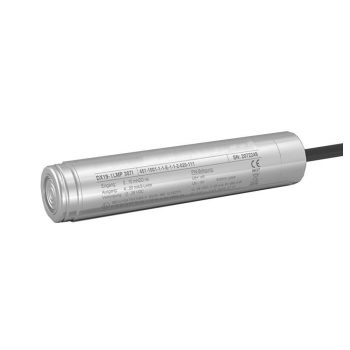
- nominal pressure: 0 ... 4 mH2O up to 0 ... 200 mH2O
- accuracy: 0,1 % FSO
- diameter 26,5 mm
- small thermal effect
- excellent accuracy
- excellent long term stability
|
Datasheet
|
|
User Manual
|
|
User Manual
|
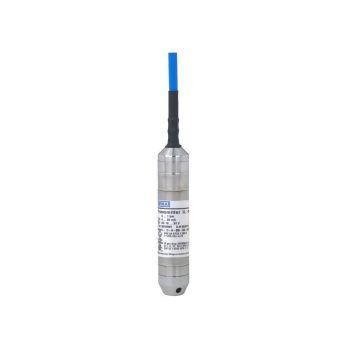
- Suitable for all level measurements in hazardous areas
- Explosion protection in accordance with IECEx, ATEX and CSA
- Shipbuilding approval in accordance with GL
- Ingress protection IP68 up to 300 m immersion depth
|
Datasheet
|
|
Datasheet
|
|
User Manual
|
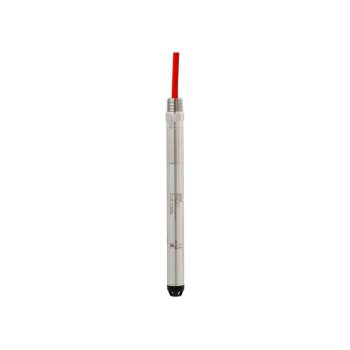
- Suitable for measurements in contaminated and aggressive media
- An optimised discharge behaviour and a large pressure port prevent the instrument from clogging and ensure a
minimum maintenance effort - Can be used in explosion-protected areas
- Developed for wireless applications
|
Datasheet
|
|
User Manual
|
|
User Manual
|
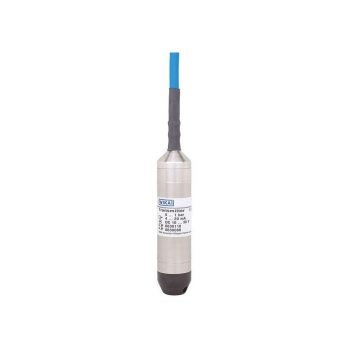
- Precise and reliable
- Integrated temperature measurement (option)
- Design out of Hastelloy® and FEP cable for especially high resistance (option)
- Ingress protection IP68 permanently up to 300 m water column
|
Datasheet
|
|
Datasheet
|
|
User Manual
|
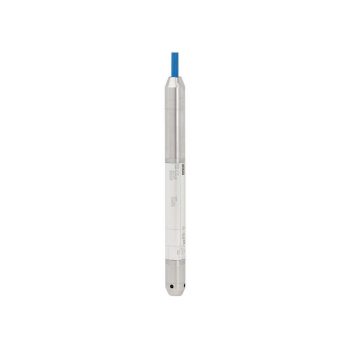
- Slender design
- Scaleable measuring range (option)
- Resistant against harshest environmental conditions
- Reliable and secure by double-sealed design
- Titanium case for especially high resistance (option)
|
Datasheet
|
|
Datasheet
|
|
User Manual
|