
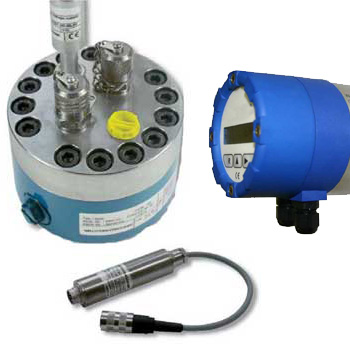
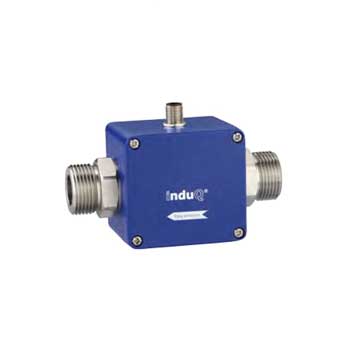
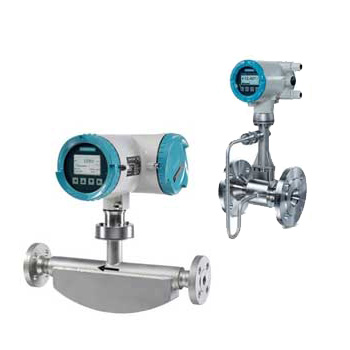
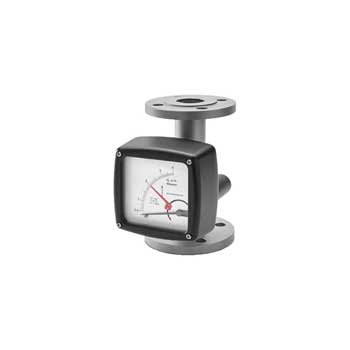
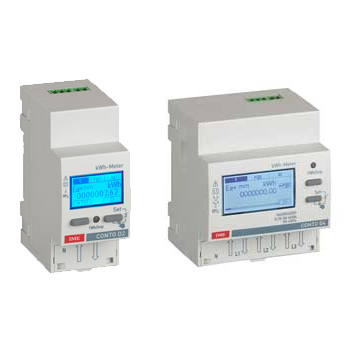
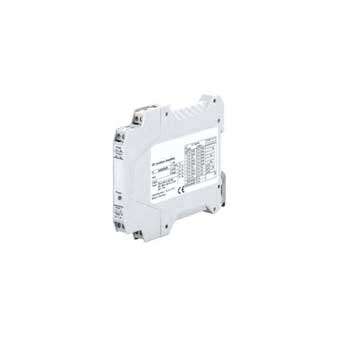
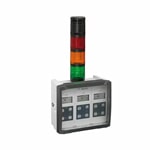
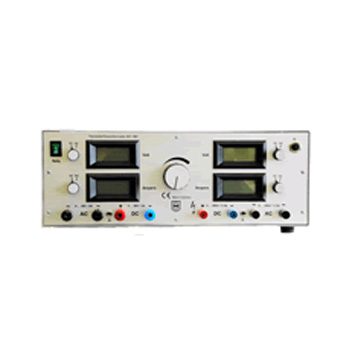
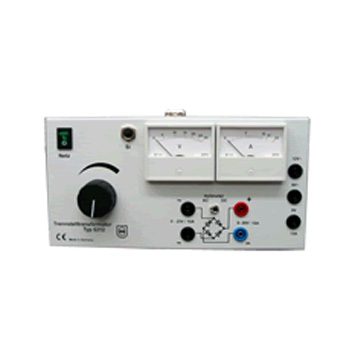
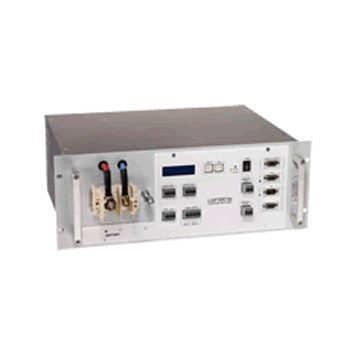






















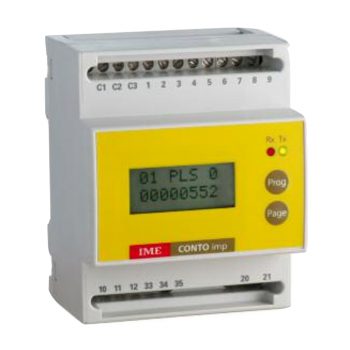
• Pulse imput coming from energy, gas, water, heat meters, etc.
  • 3 programmable input configurations:
    • PASSIVE
      • 12 contact inputs
      • Unit and pulse weight
      • programmable for each input
    • ACTIVE
      • 6 contact inputs + 6 active inputs
      • Unit and pulse weight
      • programmable for each input
    • SØ (GME ENEL)
      • 1 SØ EN62053-31 inputs
      • for multimetering count
      • 6 contact inputs
      • Unit and pulse weight
      • programmable for each input
  • RS485 communication
Datasheet
User Manual
Modbus Protocol


Pulse Converters

A pulse converter is a module used to process pulse signals — for example from energy meters, water meters, gas meters or sensors — and convert or adapt them into a standardized format that can be evaluated by controllers, data loggers or automation systems. Its tasks include signal conditioning, galvanic isolation and format adaptation of pulses. Pulse converters are often DIN-rail units that serve as interface between meter/sensor and controller or recording device.

Using a pulse converter, pulses from different sources — e.g. galvanically separated S0-outputs, open-collector outputs, relay contacts etc. — can be unified and reliably forwarded. Many devices also allow pulse division (downscaling), pulse shaping or signal strengthening, which is useful to ensure stable signal transmission over longer cable runs or with high pulse rates.

Questions & Answers on Pulse Converters

What is a pulse converter?

A pulse converter processes pulse signals from meters or sensors and converts them into a suitable, standardized output format for controllers, data loggers or automation equipment.

Which pulse sources can be connected?

Pulse outputs of energy, water, gas or heat meters; sensors with open-collector or relay contacts; S0-outputs; potential-free contacts or even optical pulses — depending on the device’s capabilities.

Why use a pulse converter?

Because many meters or sensors output different pulse formats — a converter standardizes the signal, provides isolation, and ensures compatibility with downstream devices.

What does galvanic isolation mean in this context?

The input side (meter or sensor) and the output side (controller/data logger) are electrically isolated, preventing potential differences or interference — important for safety and signal integrity.

Can a pulse converter divide or modify pulses?

Yes — often they offer pulse division (scaling down high pulse rates), pulse amplification, or adaptation of pulse length and intervals to suit the receiving device.

When is pulse division useful?

When the pulse rate from a sensor is too high for the logger/controller, dividing the pulses ensures reliable counting and avoids overload. Also useful for adapting sensor pulses to standardized meter interfaces.

What must be considered during wiring?

The converter’s output must not be connected directly to high-voltage lines; polarity (for open-collector), supply voltage and possible auxiliary power must be correctly handled — especially with galvanically isolated outputs.

Where are pulse converters typically used?

In energy, water, gas or heat metering systems, flow measurement, consumption logging, building or plant automation, data logging, load monitoring and wherever pulse signals need to be reliably captured and processed.

Are there drawbacks when using pulse converters?

Yes — they add complexity and cost; for very simple measurements they may be unnecessary. If not configured or wired correctly, the converted signal might be inaccurate or noisy. Also, pulse conversion/division must be dimensioned carefully to maintain measurement accuracy.

Diese Website benutzt Cookies. Wenn du die Website weiter nutzt, gehen wir von deinem Einverständnis aus.