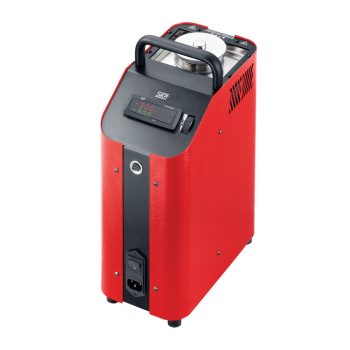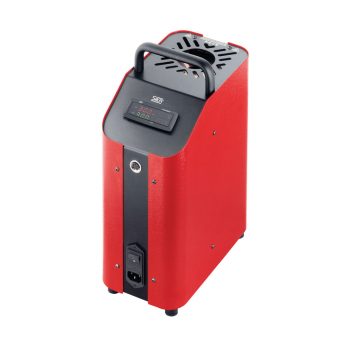
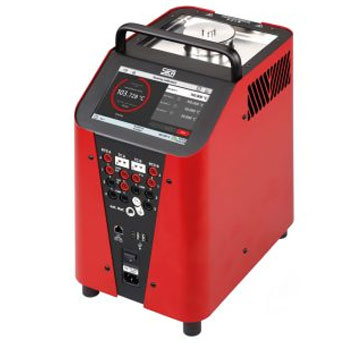
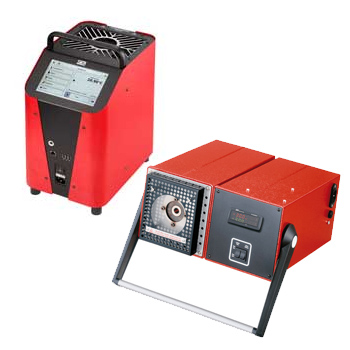
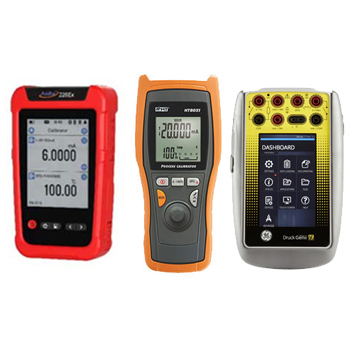
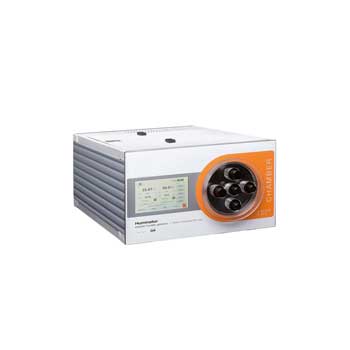
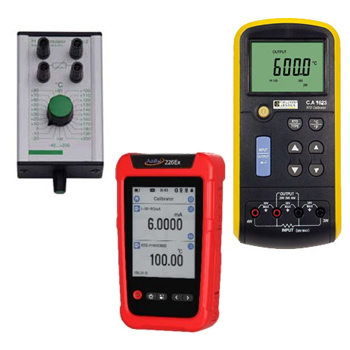
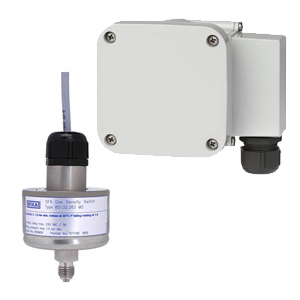
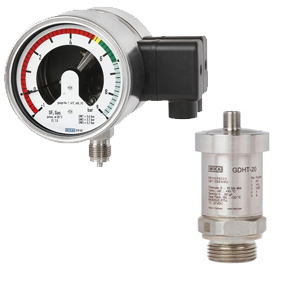
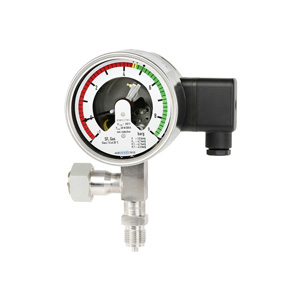
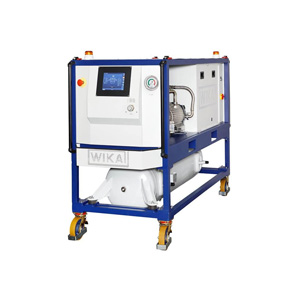
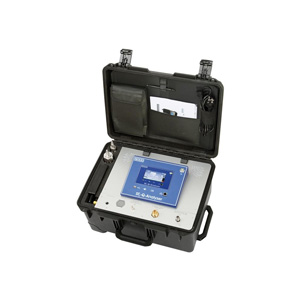
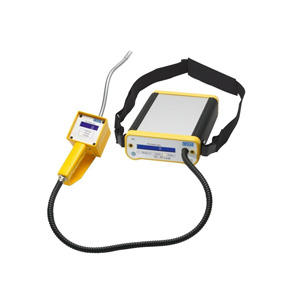
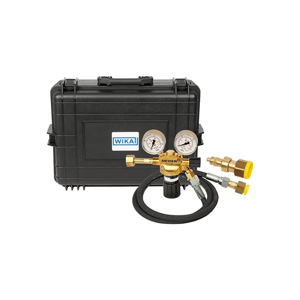
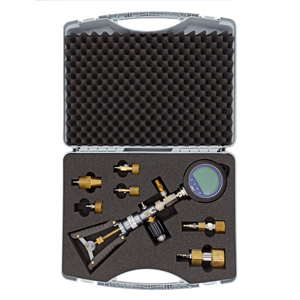
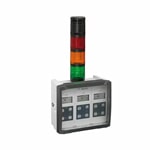



























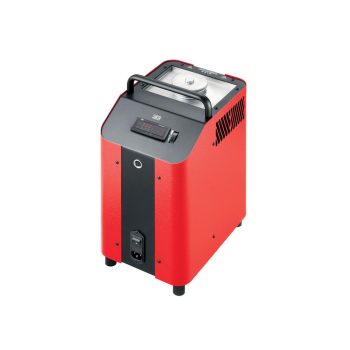
- Temperature range -35...155 °C
- Calibration bath dimensions: Ø60 x 163 mm
- Accuracy ±0.1 °C
Datasheet |
Datasheet |
User Manual |
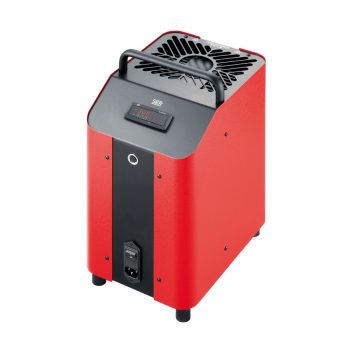
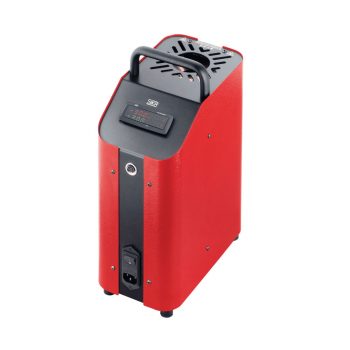
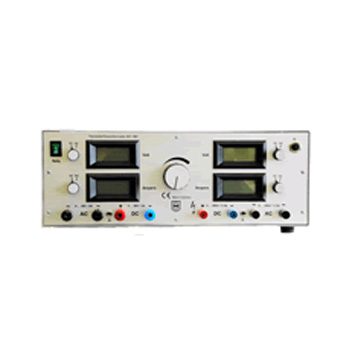
- Temperature range RT...255 °C
- Calibration bath dimensions: Ø60 x 163 mm
- Accuracy ±0.2 °C
Datasheet |
Datasheet |
User Manual |
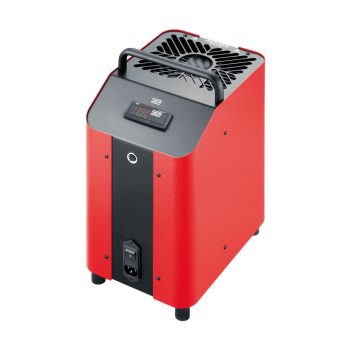
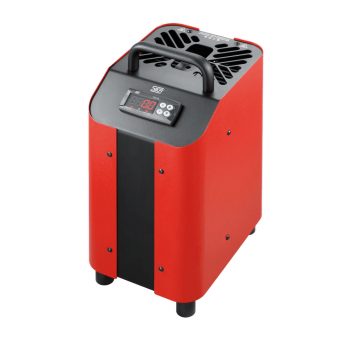
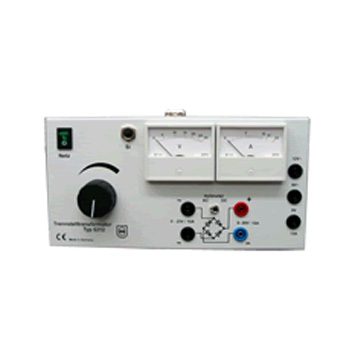
- Temperature range -35...165 °C
- Calibration insert dimensions: Ø28 x 150 mm
- Accuracy ±0.2 °C
Datasheet |
Datasheet |
User Manual |
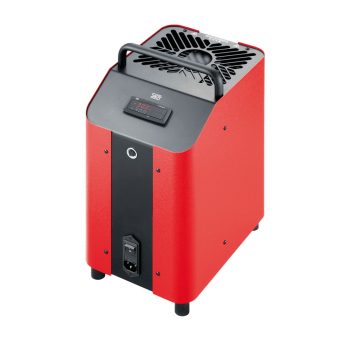
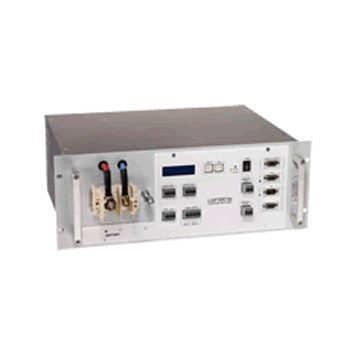
- Temperature range -35...165 °C
- Calibration insert dimensions: Ø60 x 150 mm
- Accuracy ±0.2 °C
Datasheet |
Datasheet |
User Manual |
- Temperature range -55...200 °C
- Calibration insert dimensions: Ø28 x 150 mm
- Accuracy ±0.2 °C
- Fastest calibrator with widest temperature range
Datasheet |
Datasheet |
User Manual |
- Temperature range RT...450 °C
- Calibration insert dimensions: Ø60 x 150 mm
- Accuracy ±0.3 °C
- Highest heating power
Datasheet |
Datasheet |
User Manual |
- Temperature range RT...650 °C
- Calibration insert dimensions: Ø28 x 150 mm
- Accuracy ±0.4 °C
Datasheet |
Datasheet |
User Manual |
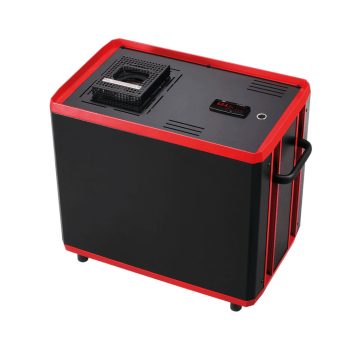
- Temperature range -10…100°C
- Accuracy ±0.05 °C
- DUT holder 7 x Ø 6.5 mm / depth 150 mm
Datasheet |
Datasheet |
User Manual |
SIKA TP Solid – rugged dry-well calibrators for production, service & labs
The SIKA TP Solid series stands for stable, durable dry-well calibrators with fast ramps and excellent repeatability. Ideal for series testing in manufacturing, maintenance & service, and quality-assured laboratory applications.
Depending on the model: interchangeable block inserts, precise control with stability indication, programmable sequences, external reference input, and interfaces (e.g., USB/RS-485/Modbus/Ethernet) for documentation & automation.
ICS Schneider Messtechnik supports instrument selection, uncertainty budgeting, ISO/DAkkS calibrations, reports, and integration into existing QA/IIoT workflows.
FAQ on the SIKA TP Solid Series
Answers on use cases, differences to TP Basic, accuracy, stability/homogeneity, inserts, sequences, software, safety, and service.
Who is TP Solid designed for?
For production/QA with high throughput, service in tough daily use, and labs where fast ramps and stable setpoints are essential.
TP Solid vs. TP Basic—what’s the difference?
| Criterion | TP Basic | TP Solid |
|---|---|---|
| Robustness | mobile, lightweight | reinforced mechanics, for continuous duty |
| Automation | basic functions | extended sequences, often more I/O |
| Load tolerance | everyday use | higher thermal mass, better load handling |
| Focus | quick checks | series calibration & process proximity |
What temperature ranges does TP Solid cover?
Model-dependent—from the sub-zero range up to high operating temperatures. See the respective product pages; we’ll help you select the right model.
How are stability, homogeneity and practical accuracy defined?
- Stability: temporal fluctuation at the setpoint (e.g., ±0.02 K).
- Homogeneity/gradient: spatial differences within the block (axial/radial).
- Practical accuracy: combination of calibrator behavior, reference probe, thermal coupling and evaluation.
Which sensor types can be tested?
RTDs (Pt100/Pt1000), thermocouples (via indicator/transmitter), thermal switches/thermostats, and temperature indicators.
Is there an input for an external reference probe?
Depending on the model, yes. An external reference placed close to the DUT minimizes uncertainty and documents the actual test temperature.
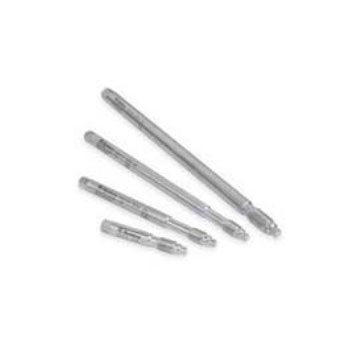
Which block inserts/bores are available?
Single- and multi-hole inserts. Choose the bore 0.2–0.5 mm larger than the probe diameter; a reference channel ensures a repeatable reference position.
How do I choose the correct immersion depth?
Rule of thumb: 15–20× the probe diameter or until the sensing point is fully in the homogeneous zone. Keep distance from the bore bottom.
How does “load” affect results?
Many/large probes increase gradients and extend stabilization time. Reduce the number or use inserts with more spacing/bores.
Does TP Solid support automated sequences?
Yes—programmable calibration sequences with ramps, dwell times and stability criteria are available (model-dependent), ideal for series tests.
How do I document my calibrations?
Via interfaces (e.g., USB/RS-485/Modbus/Ethernet) and PC software you can log series and create audit-proof reports (CSV/PDF).
Can I verify thermostats/switches?
Yes. Record switching points during heating and cooling, document hysteresis, and perform limit/repeatability checks.
Which calibration points make sense?
Process-oriented: low/mid/high of the working range; additionally consider 0 °C (ice point) and a point near the upper limit.
How fast are the heat/cool ramps?
Model-dependent. TP Solid is designed for short ramp times in continuous operation; actual times depend on setpoint, load and ambient.
What safety aspects should be considered?
Mark hot surfaces, wear heat-protection gloves, ensure safe setup/ventilation, and never leave devices unattended at high temperatures.
Maintenance & care of inserts/bores?
Keep bores clean, avoid mechanical damage, change inserts without stress, and check the clearance fit regularly.
How often should references be calibrated?
Rule of thumb annually (critical: every 6 months or after events). Monitor drift in the historian; store certificates in a revision-safe way.
Is TP Solid suitable for transport/rough environments?
Yes, the series is built for rugged use; transport cases/accessories are available. Avoid shocks when the unit is hot.
Which standards/guidelines apply?
IEC 60751 (RTDs), IEC 60584 (TCs), ISO/IEC 17025 for accredited calibrations; internal SOPs under GMP/GLP.
Do you provide support, certificates & integration?
Yes. We deliver instruments preconfigured with factory or DAkkS certificates, prepare uncertainty budgets, define sequences, and integrate with QA/IIoT.


Datasheet